Mascarillas faciales con luz azul frente a las de luz roja: ¿cuál es la más adecuada para tu piel?

LED face masks can look nearly identical, but they do different jobs. When people compare blue light vs red light face masks, the real question is simple: do you want help with breakouts, or do you want support for repair and aging concerns?
That choice matters because skin goals are not the same. Acne-prone skin, redness, fine lines, and sensitivity all respond in different ways. The best mask for you depends on the wavelength, the quality of the device, and how often you use it.
The good news is that the science is fairly easy to understand. Once you know what each color is doing, the buying decision gets much clearer.
How blue and red light work on skin
Light therapy uses specific wavelengths to nudge skin in different ways. Blue light works closer to the surface. Red light reaches deeper layers of the skin.
That difference explains most of the blue-light-versus-red-light debate. Blue light is usually picked for acne support because it targets the skin's surface where breakouts begin. Red light is usually chosen for calming skin and supporting visible repair over time.
The Cleveland Clinic's overview of LED light therapy explains the main color differences well. It also makes one thing clear, results depend on the device and the condition you're trying to treat.

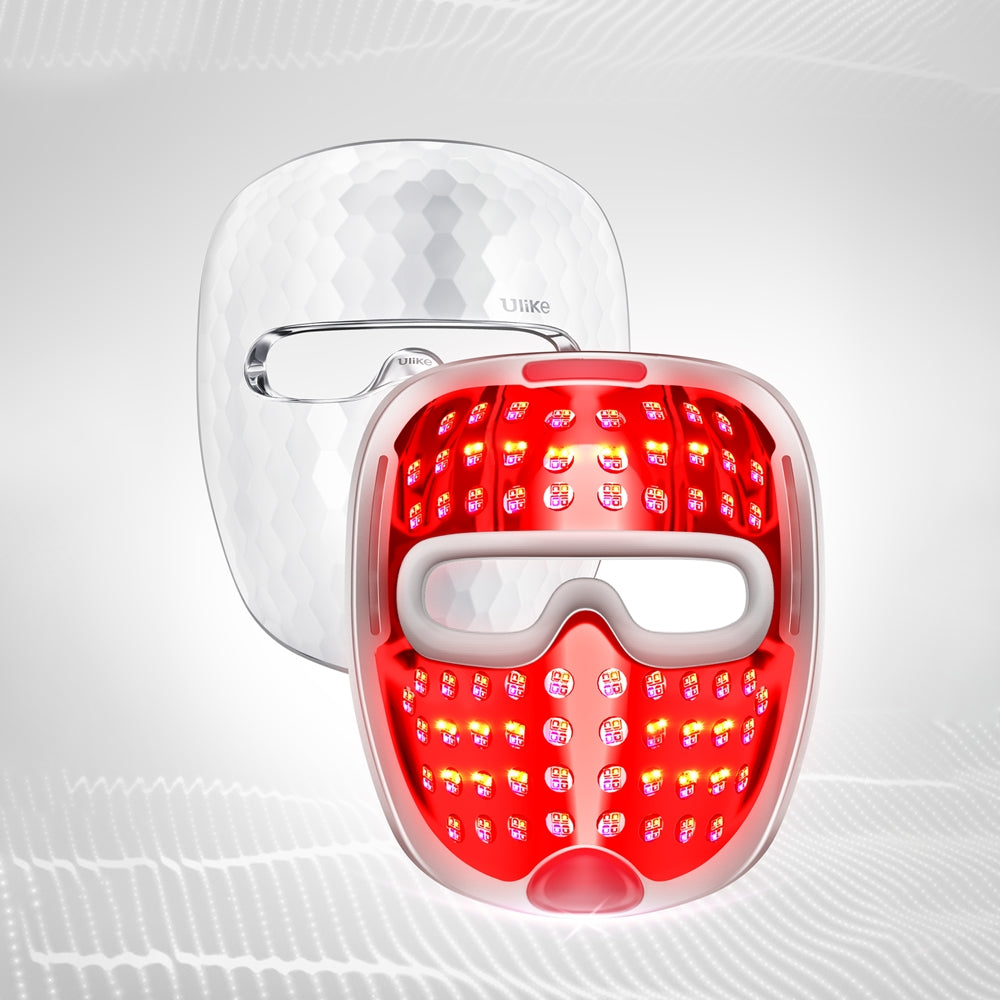
Some masks use one color. Others combine blue and red in the same device, which can make sense if your skin changes week to week. If you want to see how a dual-light home mask is described in practice, the Ulike ReGlow LED Light Therapy Mask is a useful example.
Blue light vs red light face masks at a glance
A side-by-side view makes the differences easier to scan. This is where the choice gets practical.
| Skin concern | Blue light | Red light | Better fit |
|---|---|---|---|
| Active acne | May help reduce acne-causing bacteria and oil-related breakouts | May calm irritation around breakouts | Blue light |
| Fine lines | Limited effect | May support a smoother look over time | Red light |
| Redness | Can be too stimulating for some skin | Often better for calming skin | Red light |
| Sensitive skin | May feel harsher for some users | Usually better tolerated | Red light |
| Mixed concerns | Can help when acne is the main issue | Can help with recovery and maintenance | Both, if the mask offers both |
The short version is easy to remember. Blue light is usually about breakouts. Red light is usually about repair. For a broader comparison of color-based LED therapy, this red and blue light therapy guide gives a simple overview of how the two colors are commonly used.
Blue light is usually the better pick for active breakouts. Red light is usually the better pick for calmer skin and anti-aging goals.
Which light fits your skin concern?
If acne is your main issue
Blue light is usually the first color to consider. It tends to make the most sense for oily, breakout-prone skin because it works on the surface where acne starts.
That said, blue light is not a cure for acne. It can help some people, but it works best as part of a steady routine. If you have deep cystic acne, severe inflammation, or acne that keeps returning, a dermatologist can help you choose a better plan.
A combo mask can also be useful here. Blue light may help with active breakouts, while red light can support recovery after the flare-up calms down.
If fine lines or dullness are your main concern
Red light is usually the better fit. It is the color most people look at for anti-aging support because it can help skin look smoother and less tired over time.
Do not expect overnight change. Red light works slowly, and that is normal. Most people need regular use before they notice that their skin looks a little firmer or more even.
If your main goal is wrinkle care, red light is the color that makes the most sense. Blue light has little to offer for that specific concern.
If redness or post-breakout marks bother you
Red light is usually the safer bet. It tends to be the gentler choice, and many people use it when their skin looks irritated or stressed.
Blue light can be helpful when acne is the source of the redness, but it is not always ideal for reactive skin. If your face flushes easily, or if you deal with rosacea, red light is the more cautious starting point.
For many people, this is where a combined device starts to look attractive. A mask with both colors can give you more flexibility as your skin changes.
If your skin is sensitive
Start with red light, shorter sessions, and fewer days per week. Sensitive skin often prefers the gentler option, especially when the device sits close to the face.
Also pay attention to the mask itself. Fit, heat, brightness, and comfort matter just as much as the color. A device that feels too intense is harder to use consistently, and consistency is what usually drives results.
If you want to compare a home device with multiple light settings, the Ulike ReGlow LED light therapy mask is one example of a mask built for regular at-home use.
How to use an LED mask safely
LED masks are simple to use, but simple does not mean careless. The best results usually come from regular use and a little patience.
Start with clean, dry skin. Then follow the device instructions exactly, especially for timing and eye protection. More light is not better. Longer sessions can irritate skin without improving results.
A smart routine looks like this:
- Begin with the lowest recommended session time.
- Use the mask on the schedule the brand recommends.
- Keep your eyes protected, even if the light feels mild.
- Stop if your skin gets more red, hot, itchy, or dry.
- Ask a dermatologist before use if you take photosensitizing medication or have a skin condition.
If a mask makes your skin sting, burn, or flare, stop using it and get medical advice.
The Therabody guide to red, blue, and infrared light therapy is a helpful reminder that some devices add more than one wavelength. That can be useful, but only if the settings fit your skin.
What results usually look like, and why devices differ
Expect slow progress, not instant changes. Many people need several weeks before they notice calmer skin or fewer breakouts, and fine lines can take longer. In practice, 6 to 12 weeks is a more realistic window than a few days.
Device quality matters a lot. Wavelength accuracy, LED strength, coverage across the face, comfort, and session consistency all affect the outcome. A well-made mask used regularly will usually beat a stronger-looking mask that you barely wear.
If you want a clearer sense of what at-home LED masks can and cannot do, the Ulike guide to whether LED masks really work gives a grounded view. That kind of expectation check is useful before you buy.
Here is the simplest way to think about it. If acne is the main issue, blue light usually gets the first look. If redness, repair, or fine lines matter more, red light usually makes more sense. If you want one mask for both, a dual-light option can be the most practical choice.
Conclusion
Blue light and red light are not interchangeable. They support different skin goals, and that makes the choice easier once you know what you want from the mask.
Blue light is usually the better fit for active breakouts. Red light is usually the better fit for redness, recovery, and early signs of aging. For sensitive skin, red light is often the safer starting point.
The smartest purchase is the one that matches your skin, your routine, and your patience. A good LED mask can help, but only if the color, device quality, and expectations all line up.
Featured Products

Ulike Air 10
2 weeks to silky smooth skin.
96% Hair Density Reduction
The next-generation in simple,
lasting hair removal.

How to Switch from Plucking Chin Hair to IPL
Electrolysis vs Laser Hair Removal: Which Is Better?
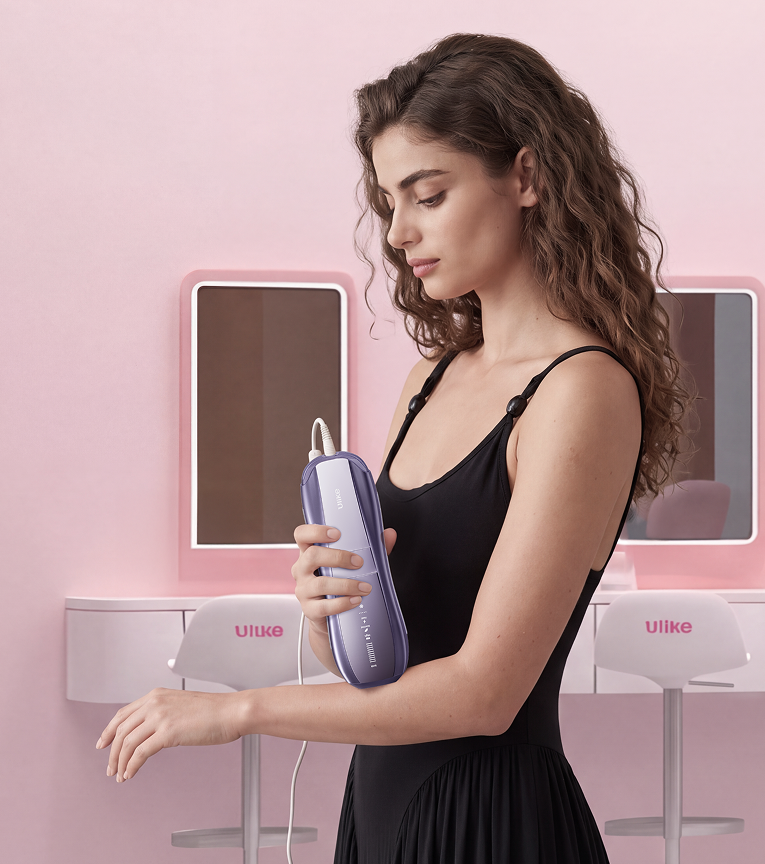
Best Female Facial Hair Remover: Which One Suits You?

Explore Beauty
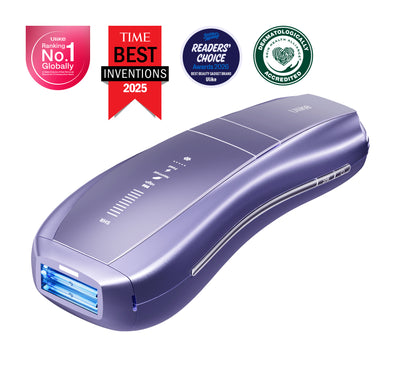
Ulike Air 10
2 weeks to silky smooth skin.
96% Hair Density Reduction in 2 Weeks
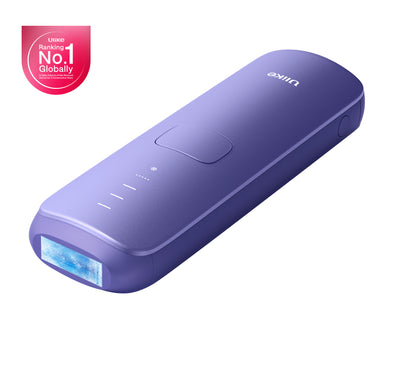
Ulike Air 3
3 weeks to silky smooth skin.
93% Hair Density Reduction in 4 Weeks
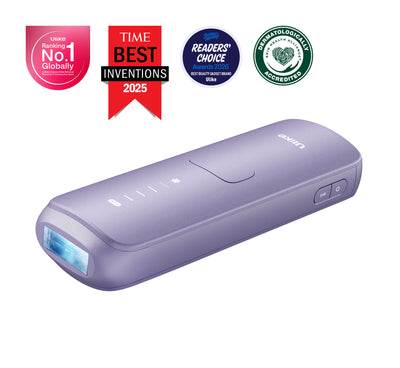
Ulike Air 4
4 weeks to silky smooth skin.
95.8% hair reduction in just 2 weeks*
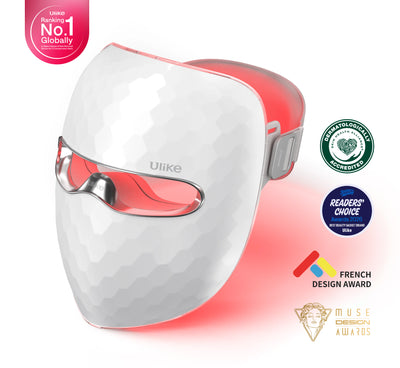
Ulike Reglow
Clearer skin in 2 weeks: Fewer breakouts
Smoother skin in 4 weeks: Fewer lines, firmer feel