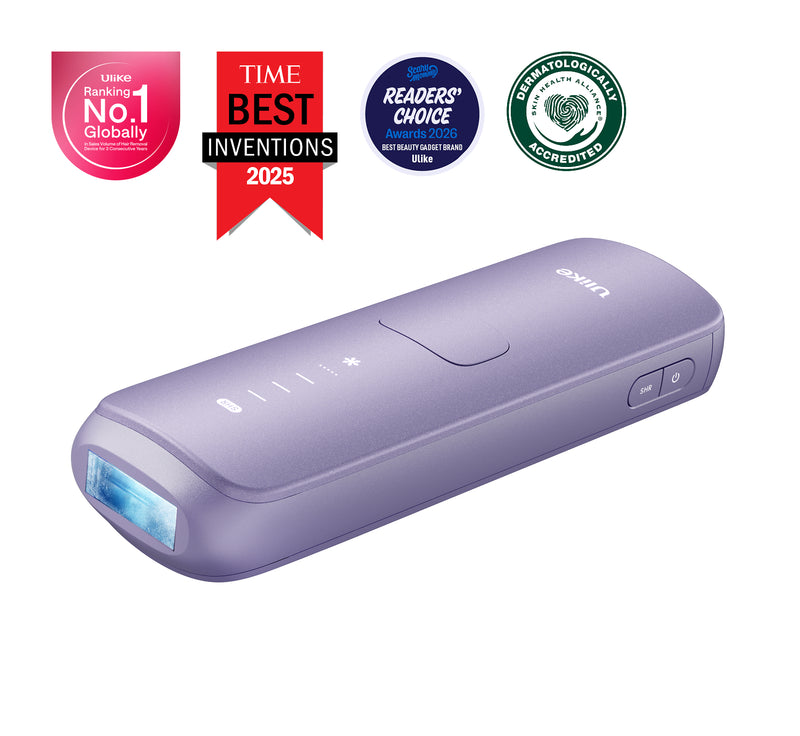
 Ulike ReGlow Pro★ 5.0 (511)


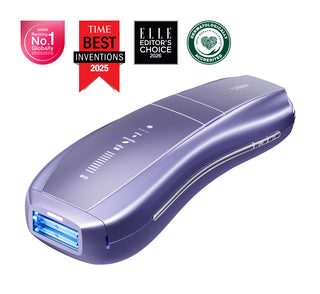
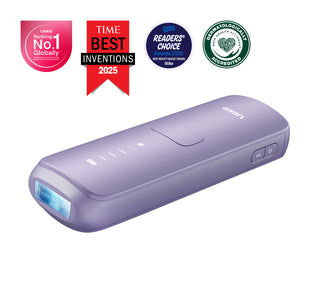




Table of Contents
It’s easy to assume laser hair removal flips a switch and hair is gone forever. You do the sessions, you’re done, and your razor collects dust.
The truth is more mixed, but still very good news. For most people, laser hair removal leads to long-term hair reduction, not perfect, forever, zero-hair skin. Many follicles stop producing noticeable hair, and the ones that do come back often look finer and lighter.
In this guide, you’ll learn how laser actually changes hair growth, why sessions are spaced out, what results tend to look like over time, why regrowth happens, and what you can do to make your smooth-skin phase last longer.
How laser hair removal changes hair growth (and why it takes multiple sessions)
Laser hair removal works by sending light into the skin that’s attracted to pigment, mainly melanin in the hair. That light energy turns into heat, and the heat damages the follicle structures that help a hair grow.
Think of the follicle like a tiny factory. Laser isn’t just removing the “product” (the hair you see), it’s trying to disrupt the factory so it can’t keep producing the same way. When it works well, the factory shuts down or runs at a much lower output.
That said, a single laser session can’t treat every hair effectively because not every hair is at the right stage of growth. Some hairs are actively growing, others are resting, and some are in between. That’s why providers schedule sessions weeks apart and why consistency matters.
If you’re curious how light-based hair removal works in plain steps, Ulike breaks down the basics here: IPL technology and how it works.
The hair growth cycle explained without the jargon
Hair grows in repeating cycles, and each follicle is on its own schedule.
- Growing phase (anagen): The hair is attached and actively building. Light-based treatments work best here because the follicle is most connected to what the laser is trying to heat and disable.
- Transition phase (catagen): The hair starts to detach. Treatment can be less effective because the target is not as “plugged in.”
- Resting phase (telogen): The follicle is idle. You might still see hair, but the follicle isn’t actively producing in the same way.
The practical takeaway is simple: you need multiple sessions to catch more hairs during their best window. Spacing is part of the plan, not a money grab, because it gives new hairs time to cycle into the stage where treatment works best.
Shedding vs regrowth, what you see in the mirror after a session
After a session, many people panic because they see stubble or what looks like fresh growth. Often, it’s not true regrowth, it’s shedding.
Treated hairs can take about 1 to 3 weeks to fall out. During that time, the hair may look like it’s still growing, but it’s usually the old hair working its way out of the follicle.
What’s common to see:
- Patchy areas where some follicles responded faster than others
- Stubble that seems “stuck” before it sheds
- Slower shaving regrowth over the next few weeks
What’s not typical and should prompt a call to a professional:
- Blistering
- Severe burns
- Strong, worsening pain after treatment
- Major skin color changes that don’t settle
Laser should be effective, but it should also be handled with the right settings and safety steps.
So, does hair eventually stop growing after laser hair removal? What most people can realistically expect
For most people, hair doesn’t stop growing 100% everywhere forever. Complete stoppage is uncommon, even with a full course of treatments.
What’s far more typical is long-term reduction. Recent summaries of clinical outcomes commonly place results around 50% to 90% hair reduction after a full series for many patients, with variation based on body area, hair type, and the device used. Hair that returns often comes back finer, lighter, and slower.
Another key point: results aren’t “one and done.” Many people maintain their outcome with occasional touch-ups. The upside is that touch-ups are usually much less work than the initial series.
If you want a realistic sense of what “results” can look like over time with at-home light-based devices too, this overview is helpful: Guide to IPL hair removal results.
How long results can last, and what “maintenance” looks like
A common professional laser timeline looks like this:
- Initial series: often 4 to 8 sessions, usually spaced around 4 to 6 weeks apart
- After the series: you monitor regrowth and do touch-ups when needed
- Maintenance: many people book a touch-up about every 6 to 12 months, or sooner if they notice more growth
Some areas have faster cycles or stronger hormonal influence (more on that below). Those spots might need touch-ups more often, while other areas may stay quiet for a long time.
The goal of maintenance isn’t to restart the whole process. It’s more like weeding a garden after you’ve done the big clean-up. You’re keeping small stragglers from turning into a full reset.
Why some hair keeps coming back even after a full treatment plan
Regrowth doesn’t always mean the treatment failed. It usually comes down to one of these reasons:
Not every follicle gets fully disabled. Hair follicles vary in depth, thickness, and response. Some get damaged enough to stop producing, others only slow down.
Some hairs were missed in the best stage. If a follicle wasn’t in the active growing phase during your sessions, it may not respond much until later.
Hormones can wake up dormant follicles. Life changes like pregnancy, stopping or starting hormonal birth control, perimenopause, or conditions tied to hormone shifts can trigger new growth.
Low pigment hair is hard to target. Laser and IPL rely on pigment. Very blond, red, gray, or white hairs often don’t absorb enough energy for strong results.
This is why good providers talk about “reduction” and “management,” not perfection.
The biggest factors that decide whether hair stops completely or just slows down
If laser hair removal were paint-by-numbers, everyone would get the same outcome. In real life, results depend on a handful of big variables. Here’s the checklist that matters most.
Hair color and thickness: Dark, coarse hair usually responds best because it contains more pigment to absorb energy.
Skin tone: The safest and most effective approach depends on the contrast between skin pigment and hair pigment. For deeper skin tones, certain lasers (often Nd:YAG) are commonly used because they can be safer when settings are chosen correctly.
Body area: Legs and underarms often respond well. Facial areas and other hormone-sensitive zones can be more stubborn.
Provider skill and settings: Correct device choice, pulse settings, and coverage matter. Too low and you under-treat. Too high and you raise burn risk.
Session count and spacing: Skipping appointments or stretching them too far apart can slow progress.
This is also where personal medical guidance matters. A qualified clinician can match the laser type and settings to your skin and hair safely.
Hair color, skin tone, and body area, who sees the best results
In general:
- Best responders: dark, coarse hair on areas like legs, underarms, and bikini line (though bikini can be stubborn for hormonal reasons).
- Harder responders: blond, red, gray, or white hair; fine peach fuzz; and areas with mixed hair textures.
Facial hair in particular can be tricky. The face is more hormone-responsive, and many people notice that chin or upper lip hair needs more maintenance than, say, lower legs.
If you’re choosing between professional laser and home treatments, this comparison can help set expectations by area and hair type: At-home IPL vs professional laser comparison.
The plan matters: settings, spacing, and the number of sessions
Laser isn’t a single magic flash, it’s a strategy.
Settings: Higher energy isn’t always better. The goal is enough heat to damage the follicle while keeping the skin safe. A skilled provider adjusts based on skin tone, hair thickness, and how you react.
Spacing: Treatments are spaced for a reason. If you go too soon, you may not catch enough hairs in the right stage. If you wait too long, you can lose momentum.
Pre and post care: Small habits can protect results and reduce side effects.
- Shave before treatment (don’t wax or pluck)
- Avoid tanning before and after sessions
- Use sunscreen on exposed areas
- Skip harsh actives if your provider tells you to, especially right around sessions
If you ever see blistering, strong swelling, or lasting pigment changes, pause treatments and contact a medical professional for advice.
Laser vs at-home IPL, which is more likely to make hair stop growing long term?
Professional laser is usually stronger and more targeted than at-home IPL. That’s why clinic laser often produces higher long-term reduction with fewer total treatments.
At-home IPL can still be a solid option for many people, especially if you want privacy, flexibility, and lower long-term cost. But it typically asks for more consistency, more patience, and more ongoing maintenance.
Here’s a simple comparison based on common outcome patterns:
| Factor | Professional laser | At-home IPL |
|---|---|---|
| Typical long-term reduction | Often stronger, commonly reported around 70% to 90% after a full course | Often more gradual, commonly around 50% to 70% with consistent use |
| Maintenance pattern | Often touch-ups about 1 to 2 times per year | Often maintenance every 1 to 3 months (varies a lot) |
| Best use case | Faster results, wider range of skin tones with the right laser | Convenient at-home control, good for ongoing upkeep |
Ulike positions itself in the at-home IPL category. The brand also emphasizes its research background, including 1,000+ global patents and scale in IPL devices, which matters because comfort and safety features can affect whether people stay consistent long enough to get real results.
What to expect from at-home IPL results over time
Most at-home IPL plans follow a pattern:
- Start-up phase: weekly or biweekly sessions for a few months (based on the device instructions)
- Build phase: hair grows back slower and patchier, then starts thinning
- Maintenance: you treat only when you notice growth returning
Consistency is the whole deal here. IPL is more like going to the gym than taking a pill. It works best when you stick with the schedule.
Safety matters too. Since IPL targets pigment, it may be less effective on very light hair and may be unsafe for some deeper skin tones depending on the device. Always follow the manufacturer’s guidance, and avoid flashing over tattoos, dark spots, or irritated skin.
For scheduling and overuse risks, this guide is a clear read: Can you use IPL every day? Dos and don’ts.
Conclusion
Hair doesn’t usually stop growing forever after laser hair removal, but it often slows down so much that life gets easier. Most people can expect long-term reduction, finer regrowth, and fewer shaving or waxing cycles. Multiple sessions matter because hair grows in cycles, and maintenance is normal, not a failure. If you want the best outcome for your skin and hair type, talk with a qualified provider and set expectations around reduction, not perfection.