What I Wish I Knew Before Laser Hair Removal (So You Don’t Waste Money or Irritate Your Skin)
Depilación

What I Wish I Knew Before Laser Hair Removal (So You Don’t Waste Money or Irritate Your Skin)

I went into laser hair removal thinking it would be like flipping a switch. Book a session, walk out smooth, never think about shaving again. The first surprise? Hair still grew. The second? The real work was the calendar, the sun rules, and the follow-through. If you’re considering laser hair removal, this is the calm, practical version of what people usually learn the expensive way. It’s not meant to scare you off. It’s meant to prevent surprises, protect your skin, and help you spend wisely. When most people say “laser hair removal,” they mean an in-clinic laser that targets pigment in the hair (melanin) and heats the follicle to reduce growth. Results can be great, but they vary a lot based on your skin tone, hair color, hormones, and the laser type and settings used. Laser hair removal is not magic, it is a planned series (and timing matters) The biggest mindset shift is this: laser hair removal is a schedule, not a single appointment. Hair grows in cycles. At any moment, some hairs are actively growing, some are resting, and some are shedding. Laser works best when hair is in its active growth phase, because that’s when the follicle is most connected to the hair and packed with pigment. If you treat once, you only catch a slice of the hairs in that “right time” window. That’s why many people need about 6 to 8 sessions, usually spaced around 4 to 6 weeks apart. Some areas need more sessions. Some people need fewer. Either way, it’s a series you plan around. Here’s the “I wish I knew” takeaway: consistency and sun avoidance affect both safety and results. If you have a beach trip, outdoor training season, or a big event where you’ll be tempted to tan, plan your series around it. Laser isn’t a treatment you casually squeeze in between vacations. How many sessions you might need, and why one session barely counts Different body areas behave like different “hair neighborhoods.” Some respond quickly. Others act stubborn. Underarms and bikini line often respond well because hair is usually darker and coarser. Legs can do very well, but the area is large, so the process can feel long and pricey. Face and neck can be unpredictable because hormones play a bigger role there. Also, missed appointments matter more than people think. Laser timing lines up with growth cycles, so if you skip sessions and restart months later, you can slow your progress and spend more overall. What “permanent” really means (and why some hair can come back) Laser hair removal is better described as long-term hair reduction, not guaranteed permanent removal. Many clinics and studies describe long-term reduction in the ballpark of 70 to 90 percent for a lot of people, but that’s not a promise, and it doesn’t mean “zero hairs forever.” Hair that returns is often finer and lighter. Regrowth happens for a few common reasons: Hormones change (pregnancy, PCOS, thyroid issues, perimenopause, stopping or starting birth control). Some follicles were never fully disabled, just weakened. Fine hairs had too little pigment to absorb enough heat. A realistic maintenance pattern for some people is one or two touch-ups per year, especially for hormone-sensitive areas. Your skin tone, hair color, and sun exposure can change everything Laser works by targeting pigment. That simple fact explains most of the wins and the letdowns. The classic “best case” is lighter skin with darker, thicker hair, because the laser can aim at the hair pigment without heating the surrounding skin too much. But modern clinics can often treat deeper skin tones safely, as long as they use the right laser type and conservative settings. What doesn’t change much is the hair color reality: if hair is blonde, red, gray, white, or very fine, laser may struggle because there’s less pigment to target. The biggest regret people share is tanning. Sun exposure (and even self-tan) before treatments raises the chance of burns and color changes. You might feel tan looks “healthy,” but to a laser, extra pigment can look like a bigger target. The best candidates, and who should pause and ask more questions first Clinics often use the Fitzpatrick scale, which is a simple way to describe skin tone from very fair to very deep, based on how skin reacts to sun. You don’t need to memorize a number, but you should know where you roughly fall. If you have deeper skin, ask directly about the laser type. Many providers use Nd:YAG or certain diode setups for darker tones because they can reduce risk when used correctly. The key phrase is “when used correctly,” because experience and settings matter as much as the machine. Good questions to ask at a consult: What laser will you use for my skin tone? Do you do a patch test first? How do you adjust settings over time? Who performs the treatment, and what training do they have? If a clinic rushes this conversation, that’s information. Hair color realities: why dark hair responds best Think of laser like a heat-seeking process. It needs pigment in the hair to absorb light energy and turn it into heat at the follicle. Dark, coarse hair usually responds best. Light, fine hair may respond weakly or not much at all. Gray and white hair often has too little pigment for the laser to “see.” If your hair is very light, ask about other options (electrolysis is a common conversation here), or discuss whether hair texture changes over time could make you a better candidate later. Prep and aftercare are where most “I wish I knew” mistakes happen Most laser “horror stories” aren’t about the idea of laser. They’re about avoidable mistakes around it. Prep and aftercare are boring compared to the promise of smooth skin, but they decide whether you get clean results or weeks of irritation. A simple rule: shave, don’t remove the root. The follicle needs to be there for the laser to target it. Waxing and plucking remove the target. Also, treat sun exposure like a safety issue, not just a skincare tip. When skin is darker from sun or self-tan, it can absorb more energy, which raises risk. Here’s the checklist that saves the most regret. Before your appointment: shave, do not wax, and avoid tanning Most clinics recommend: Shave 24 to 48 hours before so the surface hair doesn’t burn, but the root is still present. Avoid waxing, tweezing, and epilators for weeks before treatments (often 4 to 6 weeks) because they pull the hair out from the root. Avoid sun and tanning for at least 2 to 4 weeks before (your provider may want longer based on your skin). On the day of treatment, arrive with clean skin. Skip lotions, oils, perfume, and deodorant on the area unless your provider says otherwise. If you use strong actives like retinoids or exfoliating acids near the area, follow your provider’s guidance on when to pause. Patch testing shouldn’t feel like an upsell. It’s basic risk control, especially if you have deeper skin tone, a history of hyperpigmentation, or sensitive skin. After your appointment: how to calm skin and prevent dark or light spots Right after treatment, mild redness and swelling can be normal. Some people get itchiness for a day or two. Think “sunburn-lite,” not “medical emergency.” What helps most: Cool compresses (clean and gentle) A basic moisturizer SPF 30+ and covering the area if you’ll be outside For the first 24 to 48 hours, many providers suggest avoiding hot showers, saunas, steam rooms, heavy workouts, and tight friction-heavy clothing on the area. Rare side effects can include burns, blisters, and pigment changes (dark or light spots). Sun exposure makes pigment issues more likely, so keep sun protection strict for at least two weeks, longer if your skin stays reactive. Call the clinic promptly if you notice: Blistering Strong, worsening pain Severe swelling Crusting, oozing, or signs of infection Pain, cost, and results: what to budget for (money and patience) Laser hair removal isn’t “bad pain” for everyone, but it’s also not a spa nap. Most people describe it like a rubber band snap or a hot pinch. A few zaps feel easy, then an area like the bikini line reminds you that nerves exist for a reason. The bigger budget, though, is time. You’re paying with appointments, careful sun habits, and patience while hair sheds and patchy regrowth plays out between sessions. Cost varies wildly by city, clinic, and area size, but common U.S. ranges are roughly $200 to $500 per session, with packages for larger areas often landing around $1,000 to $3,000 total. Large areas in high-cost cities can go higher. Maintenance sessions later can add ongoing cost. What it really feels like, and how people make it easier Pain depends on your sensitivity, the area, and the settings used. Underarms and bikini tend to feel sharper. Legs and arms can be easier. Common ways people reduce discomfort: Cooling methods (many clinics use strong cooling air or chilled tips) Numbing cream (only if your clinic approves it, and used correctly) Scheduling away from your period if you get more sensitive then Also, don’t drink a lot of caffeine right before if it makes you tense. Being braced and tight can make every zap feel worse. The real price tag: packages, touch-ups, and hidden fees to ask about Before you buy a package, get clear answers you can compare across clinics: How many sessions do you expect for my area and hair type? What’s the price per session vs package price? Does the package expire? What happens if I reschedule? Who does the treatment each time? What laser model is used, and why is it right for my skin tone? If a deal sounds too good, check what it excludes. Some low prices leave out consults, patch tests, or any kind of touch-up window. If I could go back, I would compare in-clinic laser to at-home IPL first In-clinic laser is powerful and can be faster for some people, especially on coarse hair and larger areas. You also get a trained person adjusting settings and watching your skin response in real time. At-home IPL (intense pulsed light) is different. It’s usually lower energy than clinic lasers, and it leans on steady, repeated use. It can be a great fit for people who want privacy, fewer appointments, and a lower total cost over time, especially for ongoing maintenance. Both approaches still come back to the same truth: hair reduction is a process. You’re not “done” after one session, even at a clinic. If you’re curious about home use, it helps to understand the basics first, like how IPL hair removal works at home. Then get serious about safe technique, including IPL safety basics and patch testing. One detail that changed how I think about at-home devices is how much engineering and testing can vary by brand. Ulike, for example, describes itself as an optical beauty tech company founded in 2013, with a large in-house research team, more than 1,000 global patents, and a long list of product safety certifications. It also cites Frost and Sullivan research completed in October 2024, ranking it No. 1 by 2023 global sales volume in the IPL hair removal device category. That kind of background doesn’t replace safe use, but it’s worth considering when you’re comparing devices. When laser makes sense, and when at-home IPL may fit your life better Laser tends to make sense when you want: The strongest treatments a clinic can offer for your skin tone Faster progress on coarse hair Professional oversight for tricky areas or higher risk skin tones At-home IPL tends to fit when you want: A routine you control at home A lower long-term spend than repeated clinic visits A practical way to maintain results after a clinic series Either way, consistency and sun care do most of the heavy lifting. The method matters, but habits matter more. Conclusion If I could rewind, I’d remind myself of five things: it’s a series, not a one-off; results are usually reduction, not guaranteed forever; not everyone is an ideal match (hair color and skin tone matter); sun exposure can wreck both safety and results; and calm aftercare prevents most problems. Book a consult, ask the direct questions, and insist on a patch test if you’re unsure. If you’re also weighing home options, review the resources you saw earlier on how IPL works and patch testing, then choose the path you can stick with.

18 ene 2026
Share:

Up to 40% Off
& Free Gifts

Learn More
Table of Contents

I went into laser hair removal thinking it would be like flipping a switch. Book a session, walk out smooth, never think about shaving again. The first surprise? Hair still grew. The second? The real work was the calendar, the sun rules, and the follow-through.

If you’re considering laser hair removal, this is the calm, practical version of what people usually learn the expensive way. It’s not meant to scare you off. It’s meant to prevent surprises, protect your skin, and help you spend wisely.

When most people say “laser hair removal,” they mean an in-clinic laser that targets pigment in the hair (melanin) and heats the follicle to reduce growth. Results can be great, but they vary a lot based on your skin tone, hair color, hormones, and the laser type and settings used.

Laser hair removal is not magic, it is a planned series (and timing matters)

The biggest mindset shift is this: laser hair removal is a schedule, not a single appointment.

Hair grows in cycles. At any moment, some hairs are actively growing, some are resting, and some are shedding. Laser works best when hair is in its active growth phase, because that’s when the follicle is most connected to the hair and packed with pigment. If you treat once, you only catch a slice of the hairs in that “right time” window.

That’s why many people need about 6 to 8 sessions, usually spaced around 4 to 6 weeks apart. Some areas need more sessions. Some people need fewer. Either way, it’s a series you plan around.

Here’s the “I wish I knew” takeaway: consistency and sun avoidance affect both safety and results. If you have a beach trip, outdoor training season, or a big event where you’ll be tempted to tan, plan your series around it. Laser isn’t a treatment you casually squeeze in between vacations.

How many sessions you might need, and why one session barely counts

Different body areas behave like different “hair neighborhoods.” Some respond quickly. Others act stubborn.

  • Underarms and bikini line often respond well because hair is usually darker and coarser.
  • Legs can do very well, but the area is large, so the process can feel long and pricey.
  • Face and neck can be unpredictable because hormones play a bigger role there.

Also, missed appointments matter more than people think. Laser timing lines up with growth cycles, so if you skip sessions and restart months later, you can slow your progress and spend more overall.

What “permanent” really means (and why some hair can come back)

Laser hair removal is better described as long-term hair reduction, not guaranteed permanent removal.

Many clinics and studies describe long-term reduction in the ballpark of 70 to 90 percent for a lot of people, but that’s not a promise, and it doesn’t mean “zero hairs forever.” Hair that returns is often finer and lighter.

Regrowth happens for a few common reasons:

  • Hormones change (pregnancy, PCOS, thyroid issues, perimenopause, stopping or starting birth control).
  • Some follicles were never fully disabled, just weakened.
  • Fine hairs had too little pigment to absorb enough heat.

A realistic maintenance pattern for some people is one or two touch-ups per year, especially for hormone-sensitive areas.

Your skin tone, hair color, and sun exposure can change everything

Laser works by targeting pigment. That simple fact explains most of the wins and the letdowns.

The classic “best case” is lighter skin with darker, thicker hair, because the laser can aim at the hair pigment without heating the surrounding skin too much. But modern clinics can often treat deeper skin tones safely, as long as they use the right laser type and conservative settings.

What doesn’t change much is the hair color reality: if hair is blonde, red, gray, white, or very fine, laser may struggle because there’s less pigment to target.

The biggest regret people share is tanning. Sun exposure (and even self-tan) before treatments raises the chance of burns and color changes. You might feel tan looks “healthy,” but to a laser, extra pigment can look like a bigger target.

The best candidates, and who should pause and ask more questions first

Clinics often use the Fitzpatrick scale, which is a simple way to describe skin tone from very fair to very deep, based on how skin reacts to sun. You don’t need to memorize a number, but you should know where you roughly fall.

If you have deeper skin, ask directly about the laser type. Many providers use Nd:YAG or certain diode setups for darker tones because they can reduce risk when used correctly. The key phrase is “when used correctly,” because experience and settings matter as much as the machine.

Good questions to ask at a consult:

  • What laser will you use for my skin tone?
  • Do you do a patch test first?
  • How do you adjust settings over time?
  • Who performs the treatment, and what training do they have?

If a clinic rushes this conversation, that’s information.

Hair color realities: why dark hair responds best

Think of laser like a heat-seeking process. It needs pigment in the hair to absorb light energy and turn it into heat at the follicle.

  • Dark, coarse hair usually responds best.
  • Light, fine hair may respond weakly or not much at all.
  • Gray and white hair often has too little pigment for the laser to “see.”

If your hair is very light, ask about other options (electrolysis is a common conversation here), or discuss whether hair texture changes over time could make you a better candidate later.

Prep and aftercare are where most “I wish I knew” mistakes happen

Most laser “horror stories” aren’t about the idea of laser. They’re about avoidable mistakes around it.

Prep and aftercare are boring compared to the promise of smooth skin, but they decide whether you get clean results or weeks of irritation.

A simple rule: shave, don’t remove the root. The follicle needs to be there for the laser to target it. Waxing and plucking remove the target.

Also, treat sun exposure like a safety issue, not just a skincare tip. When skin is darker from sun or self-tan, it can absorb more energy, which raises risk.

Here’s the checklist that saves the most regret.

Before your appointment: shave, do not wax, and avoid tanning

Most clinics recommend:

  • Shave 24 to 48 hours before so the surface hair doesn’t burn, but the root is still present.
  • Avoid waxing, tweezing, and epilators for weeks before treatments (often 4 to 6 weeks) because they pull the hair out from the root.
  • Avoid sun and tanning for at least 2 to 4 weeks before (your provider may want longer based on your skin).

On the day of treatment, arrive with clean skin. Skip lotions, oils, perfume, and deodorant on the area unless your provider says otherwise. If you use strong actives like retinoids or exfoliating acids near the area, follow your provider’s guidance on when to pause.

Patch testing shouldn’t feel like an upsell. It’s basic risk control, especially if you have deeper skin tone, a history of hyperpigmentation, or sensitive skin.

After your appointment: how to calm skin and prevent dark or light spots

Right after treatment, mild redness and swelling can be normal. Some people get itchiness for a day or two. Think “sunburn-lite,” not “medical emergency.”

What helps most:

  • Cool compresses (clean and gentle)
  • A basic moisturizer
  • SPF 30+ and covering the area if you’ll be outside

For the first 24 to 48 hours, many providers suggest avoiding hot showers, saunas, steam rooms, heavy workouts, and tight friction-heavy clothing on the area.

Rare side effects can include burns, blisters, and pigment changes (dark or light spots). Sun exposure makes pigment issues more likely, so keep sun protection strict for at least two weeks, longer if your skin stays reactive.

Call the clinic promptly if you notice:

  • Blistering
  • Strong, worsening pain
  • Severe swelling
  • Crusting, oozing, or signs of infection

Pain, cost, and results: what to budget for (money and patience)

Laser hair removal isn’t “bad pain” for everyone, but it’s also not a spa nap.

Most people describe it like a rubber band snap or a hot pinch. A few zaps feel easy, then an area like the bikini line reminds you that nerves exist for a reason.

The bigger budget, though, is time. You’re paying with appointments, careful sun habits, and patience while hair sheds and patchy regrowth plays out between sessions.

Cost varies wildly by city, clinic, and area size, but common U.S. ranges are roughly $200 to $500 per session, with packages for larger areas often landing around $1,000 to $3,000 total. Large areas in high-cost cities can go higher. Maintenance sessions later can add ongoing cost.

What it really feels like, and how people make it easier

Pain depends on your sensitivity, the area, and the settings used. Underarms and bikini tend to feel sharper. Legs and arms can be easier.

Common ways people reduce discomfort:

  • Cooling methods (many clinics use strong cooling air or chilled tips)
  • Numbing cream (only if your clinic approves it, and used correctly)
  • Scheduling away from your period if you get more sensitive then

Also, don’t drink a lot of caffeine right before if it makes you tense. Being braced and tight can make every zap feel worse.

The real price tag: packages, touch-ups, and hidden fees to ask about

Before you buy a package, get clear answers you can compare across clinics:

  • How many sessions do you expect for my area and hair type?
  • What’s the price per session vs package price?
  • Does the package expire?
  • What happens if I reschedule?
  • Who does the treatment each time?
  • What laser model is used, and why is it right for my skin tone?

If a deal sounds too good, check what it excludes. Some low prices leave out consults, patch tests, or any kind of touch-up window.

If I could go back, I would compare in-clinic laser to at-home IPL first

In-clinic laser is powerful and can be faster for some people, especially on coarse hair and larger areas. You also get a trained person adjusting settings and watching your skin response in real time.

At-home IPL (intense pulsed light) is different. It’s usually lower energy than clinic lasers, and it leans on steady, repeated use. It can be a great fit for people who want privacy, fewer appointments, and a lower total cost over time, especially for ongoing maintenance.

Both approaches still come back to the same truth: hair reduction is a process. You’re not “done” after one session, even at a clinic.

If you’re curious about home use, it helps to understand the basics first, like how IPL hair removal works at home. Then get serious about safe technique, including IPL safety basics and patch testing.

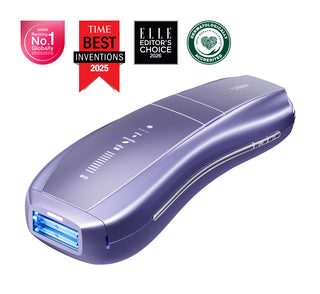
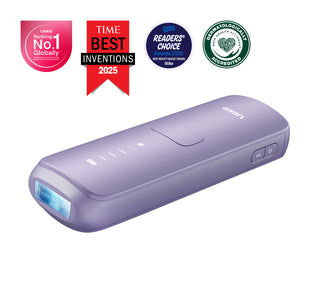
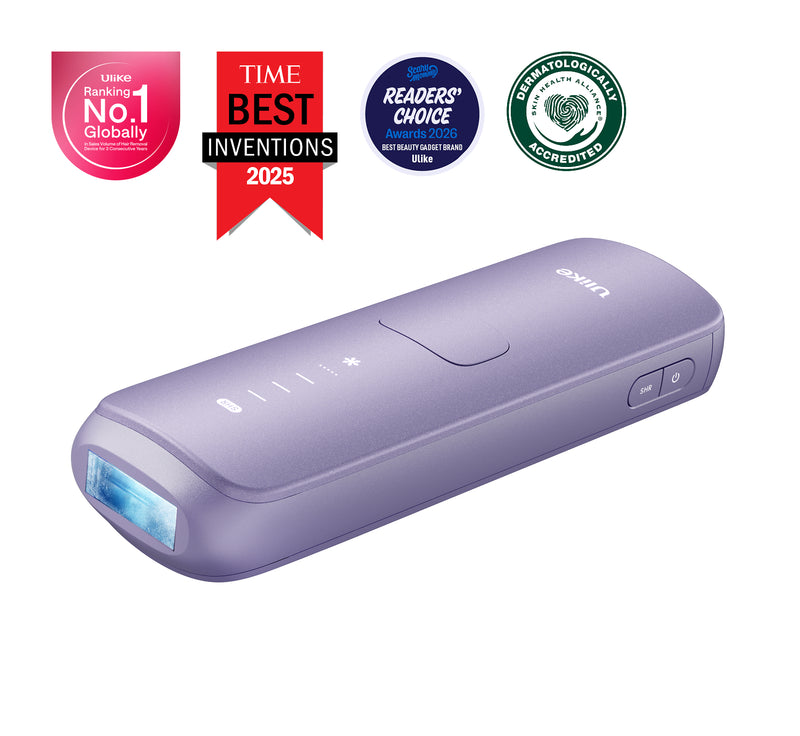
One detail that changed how I think about at-home devices is how much engineering and testing can vary by brand. Ulike, for example, describes itself as an optical beauty tech company founded in 2013, with a large in-house research team, more than 1,000 global patents, and a long list of product safety certifications. It also cites Frost and Sullivan research completed in October 2024, ranking it No. 1 by 2023 global sales volume in the IPL hair removal device category. That kind of background doesn’t replace safe use, but it’s worth considering when you’re comparing devices.

When laser makes sense, and when at-home IPL may fit your life better

Laser tends to make sense when you want:

  • The strongest treatments a clinic can offer for your skin tone
  • Faster progress on coarse hair
  • Professional oversight for tricky areas or higher risk skin tones

At-home IPL tends to fit when you want:

  • A routine you control at home
  • A lower long-term spend than repeated clinic visits
  • A practical way to maintain results after a clinic series

Either way, consistency and sun care do most of the heavy lifting. The method matters, but habits matter more.

Conclusion

If I could rewind, I’d remind myself of five things: it’s a series, not a one-off; results are usually reduction, not guaranteed forever; not everyone is an ideal match (hair color and skin tone matter); sun exposure can wreck both safety and results; and calm aftercare prevents most problems.

Book a consult, ask the direct questions, and insist on a patch test if you’re unsure. If you’re also weighing home options, review the resources you saw earlier on how IPL works and patch testing, then choose the path you can stick with.


Anterior
Do People Ever Regret Laser Hair Removal? A Clear Look at Why It Happens
Siguiente
Does Hair Eventually Stop Growing After Laser Hair Removal? The Real Long-Term Answer
Share:
Are There Any Dangers With IPL?

Are There Any Dangers With IPL?

Yes, there can be dangers with IPL (intense pulsed light), but most people don’t run into serious...
19 ene 2026
Does Hair Eventually Stop Growing After Laser Hair Removal? The Real Long-Term Answer

Does Hair Eventually Stop Growing After Laser Hair Removal? The Real Long-Term Answer

It’s easy to assume laser hair removal flips a switch and hair is gone forever. You do the sessio...
18 ene 2026
What I Wish I Knew Before Laser Hair Removal (So You Don’t Waste Money or Irritate Your Skin)

What I Wish I Knew Before Laser Hair Removal (So You Don’t Waste Money or Irritate Your Skin)

I went into laser hair removal thinking it would be like flipping a switch. Book a session, walk ...
18 ene 2026

Need guidance?

Get a free one-on-one consultation

TALK TO AN EXPERT

Explore Beauty

Ulike Air 10

2 weeks to silky smooth skin.

96% Hair Density Reduction in 2 Weeks

Ulike Air 3

3 weeks to silky smooth skin.

93% Hair Density Reduction in 4 Weeks

Ulike X

3 weeks to silky smooth skin.

94% hair reduction in just 2 weeks*

Ulike Reglow LED face mask red light therapy device

Ulike Reglow

Clearer skin in 2 weeks: Fewer breakouts
Smoother skin in 4 weeks: Fewer lines, firmer feel

Deja un comentario

Todos los comentarios son moderados antes de ser publicados.

Este sitio está protegido por hCaptcha y se aplican la Política de privacidad de hCaptcha y los Términos del servicio.

Back to top