How to Remove Body Hair Safely at Home Without Irritation

Body hair removal at home can be simple, but only if you choose the right method for your skin. The fastest option is not always the safest one, and what works on one body area may cause trouble on another.
Sensitive skin, coarse hair, pain tolerance, and even the exact spot you want to treat all change the result. A careful routine helps you avoid cuts, burns, redness, and ingrown hairs, while still getting smooth skin that looks and feels good.
Pick the method that fits your skin and your goal
A good first step is to match the method to the kind of result you want. If you want quick cleanup, shaving or trimming may be enough. If you want longer-lasting smoothness, waxing or IPL may suit you better, as long as your skin can tolerate it.
If you're comparing devices, a guide to buying a laser hair removal device can help you weigh cooling, skin sensors, and comfort features before you spend money.
| Method | Best for | Main risk | Safer approach |
|---|---|---|---|
| Shaving | Quick touch-ups and large areas | Cuts, razor burn, ingrown hairs | Use a fresh razor, shave with light pressure |
| Hair removal cream | People who want no blade contact | Chemical irritation or burns | Patch test first and follow the timing exactly |
| Waxing or sugaring | Longer smoothness | Pain, skin lifting, redness | Avoid broken skin and test temperature |
| Trimming | Low-risk grooming | Uneven finish | Use a guard and clean the tool |
| IPL | People who want gradual reduction | Irritation or poor results if the match is wrong | Patch test, follow device rules, and check skin and hair compatibility |
The main takeaway is simple. The safest body hair removal method is the one your skin can handle without a reaction.
Shaving is the safest place to start
Shaving gives you control, low cost, and less drama than many other methods. It also works well when you want to avoid heat or chemicals. Still, bad technique can leave your skin angry for days.
Start with clean, damp skin. Warm water softens hair and makes the blade glide more easily. Use a gentle cleanser or body wash, then apply a shaving gel or cream so the razor does not drag.
A few small habits make a big difference:
- Use a sharp, clean razor.
- Keep the strokes short and light.
- Rinse the blade often.
- Shave with the grain if your skin gets irritated easily.
- Stop when the skin feels tender, not when it feels scraped.
A fresh blade and a light touch prevent more trouble than most aftercare products do.
After shaving, rinse with cool water and pat the skin dry. Then use a fragrance-free moisturizer. If you get ingrown hairs often, exfoliate gently one or two times a week, but never on raw skin.
Hair removal creams need a patch test every time
Hair removal creams can feel easy because there is no blade. The risk is that the ingredients can irritate skin fast. That is why a patch test matters, even if you have used a similar cream before.
Put a small amount on a tiny patch of skin and wait the full time listed on the package. Rinse it off exactly as directed. If you see burning, itching, swelling, or a rash, do not use it on a larger area.
This step matters most on the bikini line, underarms, and other sensitive spots. It also matters if your skin is dry, reactive, or freshly shaved. Do not use these creams on broken skin, sunburn, or over areas that already feel sore.
For anyone with eczema, psoriasis, active acne, very sensitive skin, diabetes-related skin concerns, suspicious moles, or signs of infection, medical or professional guidance is the safer choice. That is especially true if your skin reacts easily or heals slowly.
A cream can save time, but it is still a chemical treatment. Treat it with the same care you would give any product that sits on skin.
Waxing, sugaring, and trimming need different expectations
Waxing removes hair from the root, so results can last longer than shaving. It also hurts more, and it can be rough on delicate skin. Warm the wax only as directed, test the temperature, and never wax over a rash, cut, sunburn, or acne flare.
Sugaring is similar, but many people find it a little easier to handle. The paste is often used at a lower temperature, which helps, yet skin can still get red or irritated if you pull too hard or reuse dirty strips.
Trimming does not leave skin silky smooth, but it is the safest low-stress option for many people. It reduces bulk without tugging at the skin. If you are prone to razor burn or you only want tidier body hair, trimming can be a smart place to stay.
No matter which method you pick, clean tools matter. Wash reusable items, let them dry fully, and replace anything dull, sticky, or cracked.
IPL at home works best when you follow the rules
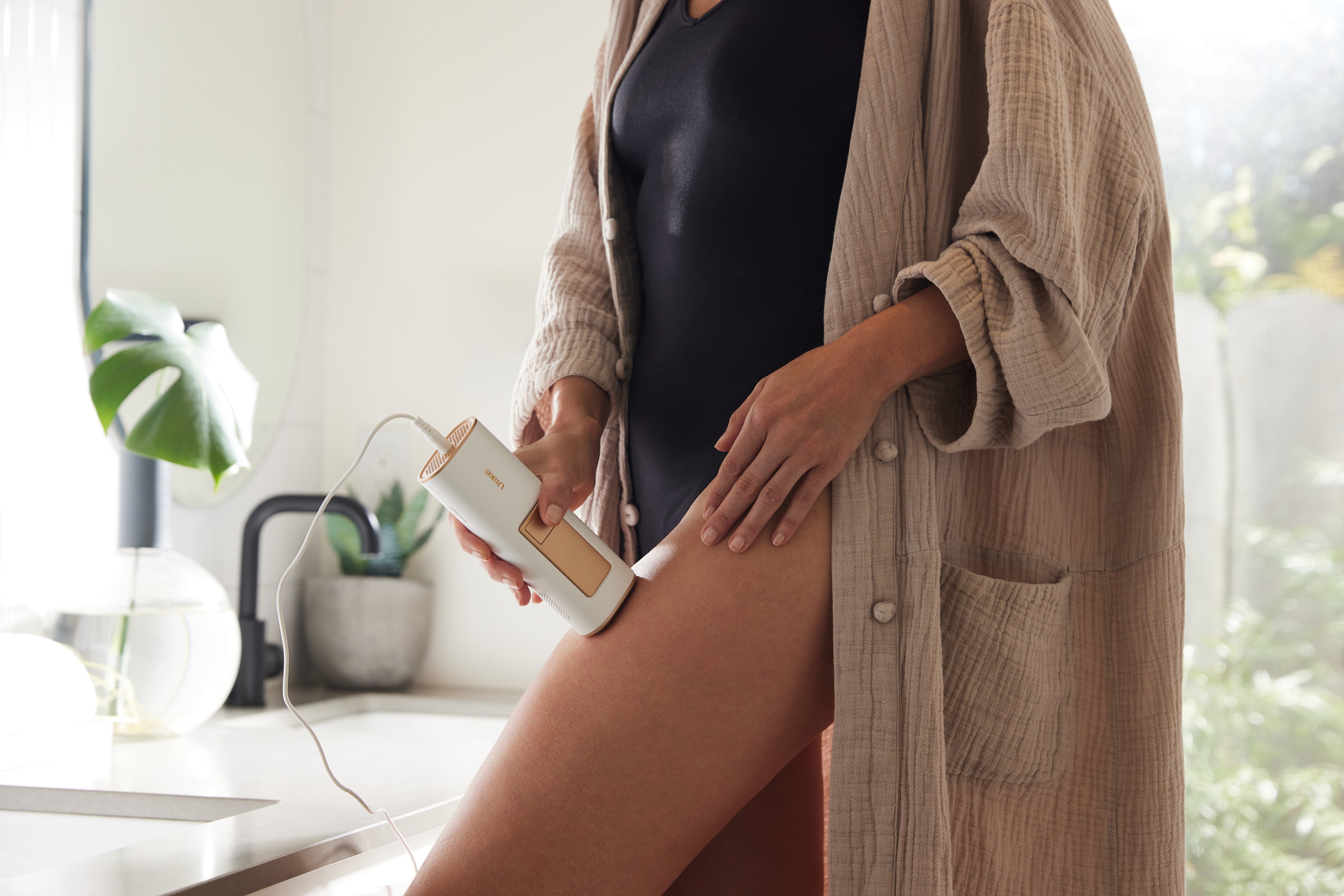
At-home IPL can be a good fit if you want gradual hair reduction and you are willing to stay consistent. It does not work the same for everyone. Results vary by hair color, skin tone, body area, and how much discomfort you can tolerate.
Before you start, read the device instructions closely. A good device should tell you where to use it, where to avoid it, and how often to treat each area. If you want a method that may reduce regrowth over time rather than just remove hair for a few days, IPL may be worth considering. If you are still comparing the tradeoffs, deciding if IPL hair removal is right for you is a helpful next read.
Patch test the device on a small area first. That step is easy to skip, but it helps you spot irritation before you treat a larger section. Also avoid tattoos, suspicious moles, broken skin, and any area that is already inflamed.
For safer use, shave the area first if the instructions say to do so, keep skin clean and dry, and do not over-treat the same spot. If the flash feels too strong or the skin stays hot for too long, stop and give it time.
Keep your skin calm after hair removal
Aftercare is where many people lose ground. Freshly treated skin is easier to irritate, so treat it gently for the next day or two.

Use a fragrance-free moisturizer or a simple soothing lotion after you finish. Skip hot baths, harsh scrubs, and tight clothing right away. If you are shaving or trimming, a small amount of cool aloe gel or plain lotion can help the skin settle.
To lower the chance of ingrown hairs, keep pores clear and avoid over-exfoliating. Gentle exfoliation after the skin calms down can help, but rough scrubs often do more harm than good. Clean sheets and clean clothes also help, especially after waxing or IPL.
Watch for warning signs. Get medical advice if redness spreads, the area feels hot, pus appears, or a mole changes shape or color. If the skin feels worse instead of better, stop the routine and let it heal.
Conclusion
Safe at-home body hair removal comes down to three things, the method, the prep, and the aftercare. If you match the tool to your skin and stay patient, you lower the risk of cuts, burns, and irritation.
The smoothest result is usually the one your skin can handle again next week, not just today. Start small, patch test anything new, and choose the gentlest option that still fits your goal.

Home IPL Laser Hair Removal — 2026 Complete Buying Guide
How Many IPL Sessions Does Ulike Take? Complete 12-Week Treatment Plan

Best At-Home IPL Hair Removal Devices 2026 — Ulike's Expert Picks
Need guidance?

Get a free one-on-one consultation
Explore Beauty
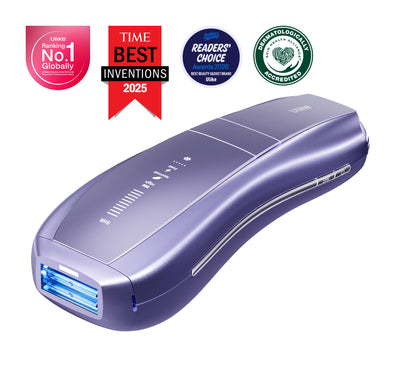
Ulike Air 10
2 weeks to silky smooth skin.
96% Hair Density Reduction in 2 Weeks
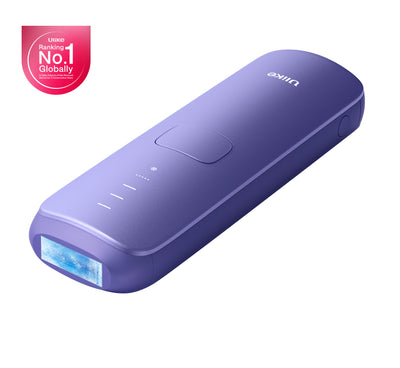
Ulike Air 3
3 weeks to silky smooth skin.
93% Hair Density Reduction in 4 Weeks

Ulike Air 4
4 weeks to silky smooth skin.
95.8% hair reduction in just 2 weeks*
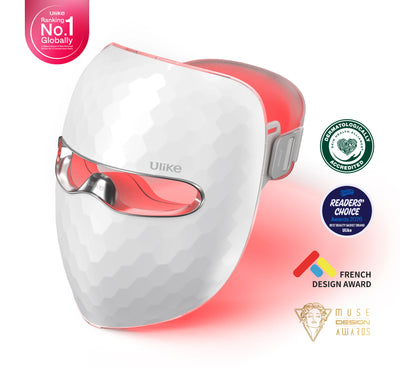
Ulike Reglow
Clearer skin in 2 weeks: Fewer breakouts
Smoother skin in 4 weeks: Fewer lines, firmer feel