Body Hair Removal Methods: How to Choose the Right One

The best body hair removal method is the one your skin can handle and your routine can keep up with. A method that sounds perfect on paper can be annoying in real life if it causes bumps, takes too long, or costs more than you want to spend.
Some people want a five-minute fix before leaving the house. Others want fewer touch-ups and are willing to invest more time up front. The right choice depends on pain, cost, skin sensitivity, hair type, and how smooth you want the results to be.
The smartest way to start is to compare your options by how they feel, how long they last, and how much upkeep they need.
What matters most before you choose
The first thing to decide is how you want the result to feel. If you want skin to stay smooth for days or weeks, you need a method that removes hair below the surface. If you mainly want neat, low-fuss grooming, trimming may be enough.
Pain matters too. Some methods feel almost easy, while others are more uncomfortable on the first few uses. Waxing, epilating, and some light-based treatments can sting more than shaving or trimming. That does not mean they are bad choices, only that they fit some people better than others.
Skin sensitivity changes the picture. Fragrance, heat, friction, and strong formulas can irritate skin that already reacts easily. If you've had razor burn, ingrown hairs, or dark marks after irritation, a gentler routine may be the safer path.
Hair color and skin tone also matter, especially for laser and IPL. Many light-based tools work best on darker hair and within a certain skin range. That's one reason reading the manual matters more than guessing. The American Academy of Dermatology has a helpful overview of six ways to remove unwanted hair, and it's a solid starting point if you want a neutral reference.
The safest choice is usually the one that matches your skin first, not the trend.
If you have eczema, psoriasis, active irritation, or a history of strong reactions, a professional opinion can save you time and discomfort.
A side-by-side look at common body hair removal methods
A quick comparison can make the tradeoffs easier to see. The table below gives you the broad picture.
| Method | Pain level | Typical cost | How long results last | Best for | Watch outs |
|---|---|---|---|---|---|
| Shaving | Low | Low | 1 to 3 days | Fast touch-ups | Razor burn, nicks, ingrown hairs |
| Trimming | Very low | Low | Until hair grows out | Sensitive areas, low-maintenance grooming | Not fully smooth |
| Depilatory creams | Low to medium | Low | Several days | Quick smoothness without a blade | Patch test first, strong smell, irritation |
| Waxing or sugaring | Medium to high | Medium | 3 to 6 weeks | Longer gaps between sessions | Redness, bumps, ingrown hairs |
| Epilating | Medium to high | One-time device cost | 2 to 4 weeks | At-home longer-lasting results | Can sting, may trigger bumps |
| Laser or IPL | Low to medium | Medium to high | Long-term reduction after repeated sessions | Darker hair, lower upkeep | Works best only for the right skin and hair combo |
| Electrolysis | Medium | Higher over time | Long-term removal | Small areas, stubborn hairs | Time-consuming, needs a trained pro |
If you want a broader consumer-style overview, this pros and cons of hair-removal methods guide can help you compare the basics.
The short version is simple. Shaving and trimming are best for speed. Waxing and epilating give longer gaps. Laser, IPL, and electrolysis ask for more commitment, but they can reduce how often you think about hair removal later.
Which method fits different priorities
If you want the least pain
Trimming usually wins here, and shaving is close behind. Both are easy to control, and both are easy to stop if your skin starts to feel angry. A sharp razor, warm water, and a gentle gel can make shaving much kinder to skin.
Depilatory creams can also feel mild at first, but they don't suit everyone. Some people feel a tingle or burn, especially on thinner or more reactive skin. That's why a patch test matters, even when the box says the formula is gentle.
For underarms, legs, or quick touch-ups, this group is hard to beat. It just takes regular upkeep.
If you want longer gaps between sessions
Waxing, sugaring, epilating, laser, and IPL all stretch the time between touch-ups. That can be a big relief if you hate daily or weekly grooming. The tradeoff is that the first session often takes more effort.
Waxing and epilating pull hair from the root, so they can be uncomfortable on coarse hair. They also raise the chance of bumps for people who get ingrown hairs often. Laser and IPL are less immediate, but they can reduce regrowth after repeated sessions.
This is where patience pays off. If you like the idea of fewer appointments or fewer at-home sessions, longer-lasting methods may fit your life better.
If sensitive skin is your main concern
Sensitive skin does best with less friction and fewer harsh products. That usually points to trimming first, then shaving with a simple routine if you want smoother skin. Look for fragrance-free shave gel and avoid over-scrubbing before or after.
Creams can work, but patch testing is non-negotiable. Put a small amount on a small area, wait the full recommended time, and watch for redness, itching, or burning. If your skin reacts, skip the full treatment.
Waxing and epilating can be rough on skin that flushes easily or darkens after irritation. If that sounds familiar, gentler methods may be kinder over time, even if they take more upkeep.
If you want the lowest long-term upkeep
Laser, IPL, and electrolysis are the main options here. Laser and IPL are popular for larger areas like legs, underarms, and bikini line edges when the hair is dark enough to respond well. Electrolysis is usually the slowest route, since each hair gets treated one at a time, but that can make sense for small, stubborn areas.
The right pick depends on your hair pattern and your goals. If you want less frequent maintenance and you're willing to stick to a schedule, these methods can be worth the effort.
At-home IPL and the case for lower upkeep
At-home IPL sits between a razor and a clinic visit. It takes more consistency than shaving, but many people like the lower-maintenance payoff later. For anyone considering it, reading the device guidance first matters a lot.
If you're planning to try it, start with proper prep. How to prepare for IPL treatment explains why clean, dry, freshly shaved skin is the usual starting point. Hair above the surface can get in the way, so most devices work better after shaving, not waxing or plucking.

IPL does not suit every person. Very light blonde, red, gray, or white hair often responds poorly, and some deeper skin tones fall outside the safe range for certain devices. That's why a quick look at safety tips for home IPL devices is smart before the first session.
Consistency matters more than pushing settings higher. A careful routine usually beats a rushed one, especially on sensitive skin.
How to reduce irritation, bumps, and ingrown hairs
Most irritation starts with too much friction or tools that have seen better days. Fresh blades, gentle gel, and short strokes help with shaving. If you wax or epilate, avoid treating skin that's sunburned, freshly exfoliated, or already irritated.
Ingrown hairs happen when hair curls back into the skin. They show up often on the bikini line, underarms, and anywhere hair is coarse or curly. Loose clothing, light exfoliation, and fragrance-free moisturizer can help reduce that cycle.
Creams deserve extra care. Even if a box says they are mild, a small patch test can save you from a bigger reaction later. If you get repeated pain, swelling, pus, or dark marks, stop the routine and talk with a dermatologist or licensed professional.
That advice matters even more if you already have a skin condition or if your skin tends to mark after a flare-up. A method that looks cheap at first can become expensive if it keeps irritating your skin.
Conclusion
The right body hair removal method depends on what your skin can handle and how much upkeep you want. Shaving and trimming stay at the easy end, waxing and epilating stretch the time between sessions, and laser, IPL, or electrolysis can lower maintenance over time.
The best choice is usually the one you can repeat comfortably. If you know your skin is sensitive, start gentle. If ingrown hairs are your biggest problem, look for a method that reduces repeat friction. If you want long-term simplicity, compare light-based options and ask for help when the fit feels unclear.
Hair removal should work for your body, not against it.

Home IPL Laser Hair Removal — 2026 Complete Buying Guide
How Many IPL Sessions Does Ulike Take? Complete 12-Week Treatment Plan

Best At-Home IPL Hair Removal Devices 2026 — Ulike's Expert Picks
Need guidance?

Get a free one-on-one consultation
Explore Beauty
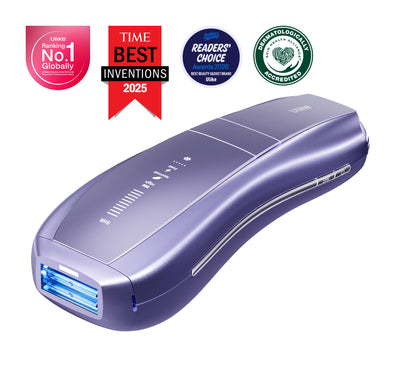
Ulike Air 10
2 weeks to silky smooth skin.
96% Hair Density Reduction in 2 Weeks
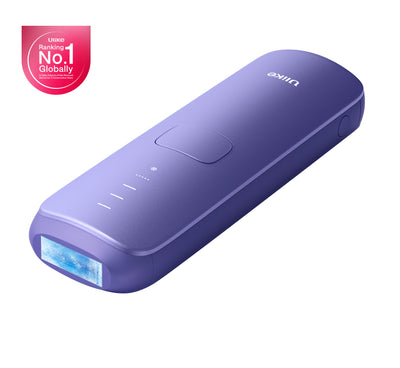
Ulike Air 3
3 weeks to silky smooth skin.
93% Hair Density Reduction in 4 Weeks

Ulike Air 4
4 weeks to silky smooth skin.
95.8% hair reduction in just 2 weeks*
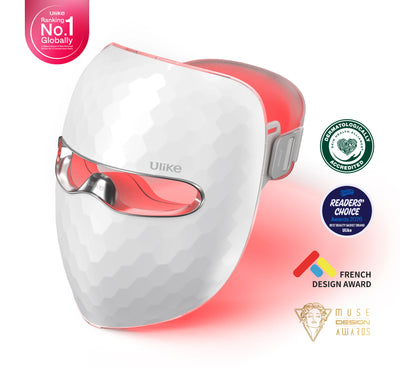
Ulike Reglow
Clearer skin in 2 weeks: Fewer breakouts
Smoother skin in 4 weeks: Fewer lines, firmer feel