 Ulike ReGlow Pro★ 5.0 (511)


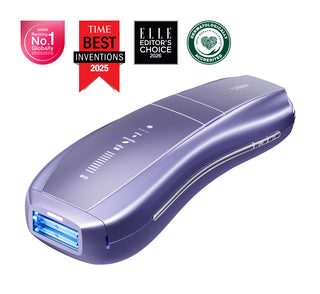
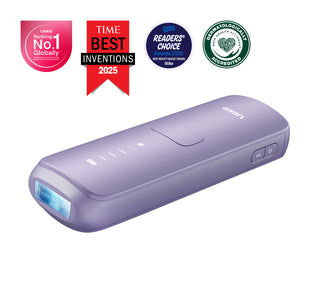


Table of Contents
Laser hair removal can reduce the time you spend shaving, waxing, or managing ingrown hairs. Still, it uses concentrated light and heat, so choosing the right treatment matters. Your skin tone, hair color, medications, tanning history, treatment area, and provider’s experience can all affect your risk.
So, is laser hair removal safe? For many suitable candidates, it is generally considered safe when a properly trained medical professional uses appropriate equipment and settings. Mild redness or swelling is common, while burns, scars, and lasting pigment changes are less common.
A consultation should cover your medical history, current skincare, expected results, and aftercare. Choosing a board-certified dermatologist with laser experience can also lower the chance of preventable complications.

Table of Contents:
- Part 1: The Short Answer on Laser Hair Removal Safety
- Part 2: How Laser Hair Removal Works
- Part 3: Common Side Effects of Laser Hair Removal
- Part 4: Rare but Serious Risks
- Part 5: Is Laser Hair Removal Safe for the Face?
- Part 6: Safety Considerations for Different Skin Tones
- Part 7: Does Laser Hair Removal Cause Cancer?
- Part 8: Who Should Avoid Laser Hair Removal?
- Part 9: Safe At-Home Hair Removal Options for Maintaining Smooth Skin
- Part 10: Conclusion
- Part 11: Frequently Asked Questions
Part 1: The Short Answer on Laser Hair Removal Safety
First, the direct answer is yes: laser hair removal is generally safe for suitable candidates when an experienced healthcare professional performs it with the right device, wavelength, and energy setting.
People who type is laser for hair removal safe are often concerned about burns, skin damage, or long-term effects. Those risks exist, but severe complications are uncommon when the treatment plan matches the person’s skin tone and medical history.
Good laser hair removal safety depends on several practical steps:
- Avoiding treatment over sunburned or recently tanned skin
- Wearing wavelength-appropriate eye protection
- Reviewing medicines that may increase light sensitivity
- Selecting settings suited to your skin and hair
- Following preparation and aftercare instructions
Laser treatment reduces future hair growth rather than removing each follicle permanently. Most people need several appointments because only hairs in an active growth phase respond strongly during a session.
Part 2: How Laser Hair Removal Works
To understand the risks, it helps to know what the device is doing beneath the skin. A professional laser produces a narrow, focused beam of light. The provider selects a wavelength that targets pigment within the hair.
Melanin in the hair absorbs that light and converts it into heat. The heat then damages parts of the follicle that support future growth. The goal is to affect the follicle while limiting heat exposure in the surrounding skin.
Hair grows through different stages, including active growth, transition, and rest. Treatment works most effectively during active growth, so several sessions are usually spaced weeks apart.
Laser and intense pulsed light are not identical:
- Laser devices use a concentrated wavelength.
- IPL devices emit a broader spectrum of pulsed light.
- Both depend partly on the contrast between hair pigment and skin pigment.
Because laser beams can concentrate energy within a small area, device choice and careful calibration are essential.
Part 3: Common Side Effects of Laser Hair Removal
Once a session ends, temporary skin reactions are fairly common. They usually develop around the treated follicles because the treatment intentionally creates heat in that area.
Redness and swelling may appear immediately. The skin can resemble a mild sunburn, and small raised bumps may form around individual hairs.
Other common reactions include:
- Warmth, tenderness, or mild stinging
- Temporary itching
- Slight darkening or lightening of the skin
- Dryness or sensitivity for a few days
A cool compress may ease discomfort. Use gentle skincare and follow the provider’s directions before restarting retinoids, exfoliating acids, scrubs, or fragranced products.
Avoid direct sun exposure and tanning equipment while the skin settles. Contact the clinic if discomfort becomes stronger, blisters form, or the reaction continues to worsen. Mild follicular swelling and redness are expected, but crusting and significant texture changes need closer attention.
Part 4: Rare but Serious Risks
Beyond temporary redness, stronger reactions can occur when the skin absorbs too much energy or receives unsuitable treatment. Recent tanning, poor technique, excessive settings, and limited cooling can increase the likelihood of injury.
Possible complications include:
- Burns and blisters: Excess heat can damage the outer skin.
- Scarring: Deeper injury may affect how the skin heals.
- Infection: Broken or blistered skin can become infected.
- Pigment changes: Skin may become lighter or darker for an extended period.
- • Herpes outbreaks: Facial treatment may trigger cold sores in people with a previous history.
- • Paradoxical hair growth: Hair near the treated area may occasionally become thicker.
Promptly contact a healthcare professional for severe pain, spreading swelling, pus, open sores, fever, or delayed healing.
Eye injury is another serious concern. Everyone in the treatment room should wear protective eyewear designed for the laser wavelength being used.
Part 5: Is Laser Hair Removal Safe for the Face?
For facial areas, careful positioning and eye protection become especially important. The upper lip, chin, jawline, neck, cheeks, and sideburn area may be treated when the skin and hair are suitable.
Anyone asking is laser hair removal safe for face should first consider the exact treatment area. Professional laser treatment should not be performed on the eyelids, eyebrows, or surrounding eye socket because the beam may cause serious eye injury.
Before facial treatment, tell your provider about:
- Cold sores or herpes outbreaks
- Prescription acne treatments
- Retinoids and exfoliating acids
- Recent chemical peels or resurfacing
- Photosensitizing medicines
- New or changing moles
Facial hair may also be linked to hormonal conditions. Laser can reduce visible hair, but it does not correct the underlying hormonal cause. New growth may therefore continue, and maintenance appointments could be required.
Facial areas are commonly treated, but results depend on hair pigment, skin tone, and the provider’s technique.
Part 6: Safety Considerations for Different Skin Tones
Skin tone changes the safety equation because both the skin and hair contain melanin. The device must heat pigment inside the hair without transferring excessive energy to pigment in the surrounding skin.
Modern technology allows many people with Black or brown skin to receive professional laser hair removal. However, the provider must choose a suitable wavelength and conservative settings. Longer-wavelength systems, including certain Nd:YAG lasers, are commonly considered for deeper skin tones because their energy can reach the follicle while reducing absorption closer to the skin’s surface.
A skilled provider should assess:
- Your natural skin tone
- Recent tanning or sun exposure
- The thickness and color of the hair
- Previous pigment changes
- The treatment area
- Your history of burns or scarring
A patch test may be useful before treating a larger area. Wait until a natural, spray, or self-applied tan has faded because added pigment can make accurate setting selection more difficult.
Newer technology has expanded treatment access for darker complexions, but provider experience still plays a central role in safety.
Part 7: Does Laser Hair Removal Cause Cancer?
On the cancer question, current research has not established laser or IPL hair removal as a cause of skin cancer. Hair-removal systems use non-ionizing light rather than the ionizing radiation used in X-rays and certain medical imaging procedures.
The light mainly creates controlled heat within pigment-containing follicles. It does not work by sending radioactive material into the body.
However, that does not mean every skin mark should be exposed to the device. Avoid treating directly over:
- Changing or suspicious moles
- Unexplained dark patches
- Open sores
- A previous skin cancer site without medical clearance
- Tattoos in the treatment path
Laser exposure can alter the appearance of pigmented lesions, which may make future assessment more difficult. Have a dermatologist examine a changing, bleeding, irregular, or newly developed spot before cosmetic treatment.
Published reviews have not identified laser and IPL technology as known causes of skin cancer, although continued long-term monitoring remains appropriate for light-based cosmetic procedures.
Part 8: Who Should Avoid Laser Hair Removal?
Even when laser treatment is generally suitable, some people should delay it or seek medical clearance first. A responsible provider should ask about pregnancy, medication use, skin conditions, immune health, scarring, and recent cosmetic procedures.
Even when laser treatment is generally suitable, some people should delay it or seek medical clearance first. A responsible provider should ask about pregnancy, medication use, skin conditions, immune health, scarring, and recent cosmetic procedures.
Treatment may need to wait if you have:
- A sunburn, fresh tan, or active skin irritation
- An infection or open wound in the planned area
- An active cold-sore outbreak
- A history of keloid scarring
- Uncontrolled photosensitive skin disease
- A recent chemical peel or laser resurfacing procedure
- Suspicious skin lesions
- Medicines that increase sensitivity to light
Some acne treatments and prescription drugs may affect healing or skin sensitivity. Do not stop a prescribed medication on your own. Ask the prescribing clinician and laser provider how it affects your treatment schedule.
Reviews of cosmetic procedures during pregnancy advise postponing elective laser and IPL hair removal because reliable safety data remain limited.
Part 9: Safe At-Home Hair Removal Options for Maintaining Smooth Skin
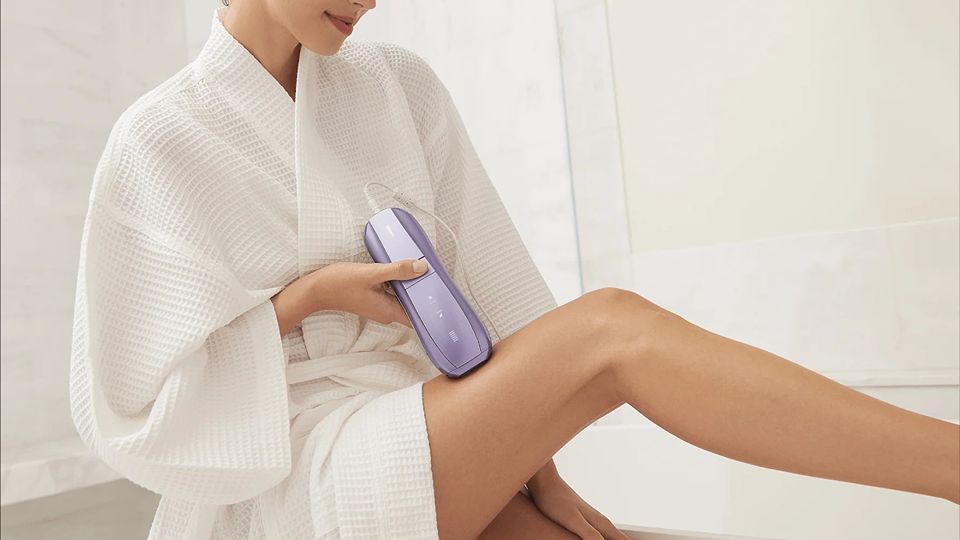
For people who prefer home maintenance, IPL can offer gradual hair reduction without scheduling regular clinic visits. Home IPL is different from professional laser because it delivers broad-spectrum pulsed light at energy levels designed for consumer use.
Before choosing a device, check its skin-tone and hair-color chart. IPL usually works better when the hair contains enough dark pigment to absorb light. Blonde, gray, white, and red hair may respond poorly, while very dark skin may absorb too much energy for some devices.
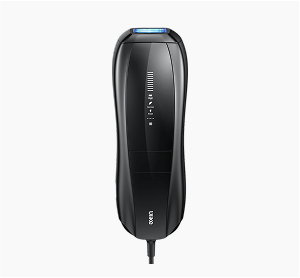
Ulike Air 10: Advanced Cooling IPL for Safety and Comfort
Among these options, the Ulike Air 10 is designed for users who want stronger support for coarse hair while keeping heat and comfort under control. Its main advantage is the combination of dual light sources, automatic skin sensing, multi-pulse SHR mode, and continuous sapphire cooling.

SkinSensor protection
• The built-in SkinSensor checks the detected skin tone and adjusts the energy output. It can also stop flashing when an area appears too dark. This is useful around unevenly pigmented skin, although users should still avoid moles, tattoos, and incompatible complexions.
Cooling and stronger pulses
• Sapphire Ice Cooling maintains a listed contact temperature of about 65°F. Keeping the treatment window cool can make repeated flashes easier to tolerate on areas such as the underarms or bikini line.
• SHR mode delivers a four-pulse burst with up to 26 joules of cumulative energy. That mode is intended for resistant, coarse growth rather than light touch-ups.
Faster body coverage
• Dual lights provide a wider treatment area, while AutoGlide produces continuous flashes as you move the device. The listed full-body session time is around 10 minutes. This combination is useful when covering legs, arms, the chest, or the back without repeatedly pressing the flash button.
• The Air 10 stands out because it automates more of the energy decision while adding wider coverage and a dedicated high-energy mode.
Ulike Air 4: User-Friendly IPL Hair Removal for Gentle, Routine Maintenance
For a simpler routine, the Ulike Air 4 gives users direct control through four clearly separated modes. It suits people who want to adjust treatment based on the body area and hair thickness rather than relying on automatic skin-tone adjustment.

Four treatment modes
• Soft mode uses faster flashes for fine hair and touch-ups. Body mode balances energy and speed for regular treatment areas. Power mode increases intensity for thicker growth, while USHR mode delivers multi-pulse bursts for coarse hair.
• This structure makes the Air 4 useful when your legs need quick maintenance but your underarms require a more targeted setting.
Cooling and comfort
• Its sapphire cooling system maintains a listed flash-window temperature of about 64.4°F for extended sessions. Cooling does not replace correct settings or patch testing, but it may reduce the sharp heat sensation that can make home IPL uncomfortable.
Speed and practical control
• Air 4 offers up to 24 joules, four adjustable energy levels, and flashes as fast as 0.4 seconds. Press-once AutoGlide keeps the device flashing as it moves across larger areas, with a listed full-body session time of about 12 minutes.
• Unlike the Air 10, the Air 4 does not center its experience on automatic skin-tone adjustment. Its appeal comes from straightforward mode selection, quick gliding, and separate options for fine, normal, and stubborn hair.
Part 10: Conclusion
In the end, is laser hair removal safe for your skin type? It can be, provided the treatment plan reflects your complexion, hair pigment, medical history, and recent sun exposure.
Do not judge a provider by price or convenience alone. Ask who will perform the procedure, which laser they plan to use, and how often they treat people with a skin tone similar to yours. A thoughtful provider should explain expected reactions, realistic results, eye protection, and aftercare before starting. The safest choice is the one that respects your skin’s individual response rather than using the same device settings for everyone.
Part 11: Frequently Asked Questions
Q1: Will hair grow back if I stop lasering?
If you stop laser hair removal before completing the recommended treatment plan, some hair will likely grow back. However, the regrowth is usually finer, lighter, and grows more slowly than before. Completing the full series of sessions offers longer-lasting hair reduction, while occasional maintenance treatments can help keep new growth under control over time.
Q2: Can I get laser hair removal if I have HSV 2?
Yes, you can have laser hair removal if you have HSV-2, but you should tell your provider before treatment. The heat from the laser may trigger a herpes outbreak in some people, especially if the treatment is near an affected area. Your healthcare provider may recommend antiviral medication before your appointment to reduce the risk of a flare-up.
Q3: Should I shave before laser hair removal?
Yes, shaving before laser hair removal is recommended. Most providers advise shaving the treatment area about 12 to 24 hours before your appointment. This removes hair above the skin while leaving the follicle intact, allowing the laser to target it more effectively. Avoid waxing, plucking, or threading beforehand, as these methods remove the follicle the laser needs to treat.