 Ulike ReGlow Pro★ 5.0 (511)


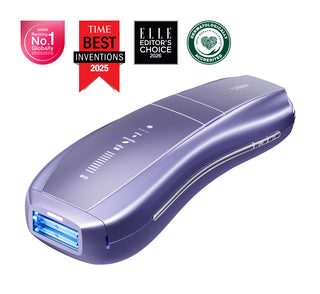
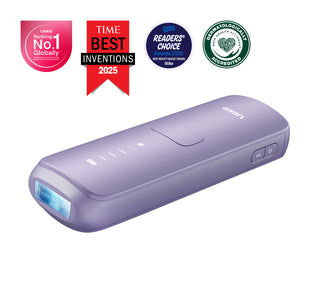


Table of Contents
If you’ re tired of shaving every few days or dealing with post-wax stubble, legs laser hair removal can be a practical long-term option. It targets hair at the follicle level, helping reduce growth over a series of treatments so your legs stay smoother with less daily upkeep.
Results vary depending on factors such as hair color, skin tone, hormones, and treatment consistency. This guide covers how leg laser hair removal works, what to expect during treatment, the number of sessions needed, costs, aftercare, and how at-home IPL devices can help maintain smoother legs.

Table of Contents:
- Part 1: Quick Overview: What to Know Before Your First Leg Session
- Part 2: How Does Laser Hair Removal Work on Legs?
- Part 3: Benefits of Laser Hair Removal for Legs vs. Shaving and Waxing
- Part 4: Are You a Good Candidate for Leg Laser Hair Removal?
- Part 5: What to Expect During a Leg Laser Session
- Part 6: How Many Sessions Are Needed for Leg Hair Removal?
- Part 7: Cost of Laser Hair Removal for Legs
- Part 8: Pre-Treatment and Post-Treatment Care for Legs
- Part 9: Side Effects and Risks of Leg Laser Hair Removal
- Part 10: Professional Clinic Treatments vs. At-Home IPL Devices
- Part 11: Best At-Home IPL Devices for Maintaining Smooth Legs
- Part 12: Conclusion
- Part 13: Frequently Asked Questions
Part 1: Quick Overview: What to Know Before Your First Leg Session
Legs laser hair removal is a noninvasive cosmetic treatment that uses light energy to heat hair follicles and reduce future hair growth. It works best on darker hair because pigment in the hair helps absorb the laser’ s energy.
Most people need multiple sessions because leg hairs grow in cycles. A single appointment can treat active hairs, but not every follicle is in the same growth stage at once. A consultation is the best way to confirm whether your skin tone, hair color, medical history, and goals are a good match.
Part 2: How Does Laser Hair Removal Work on Legs?
Laser hair removal for legs works by directing concentrated light into the hair shaft. The pigment in the hair absorbs that light, converts it into heat, and transfers the heat toward the follicle. When enough heat reaches the follicle, it can reduce the follicle’ s ability to grow new hair.
The treatment is most effective when hairs are in the active growth phase. Since only a portion of leg hair is actively growing at any given time, repeated sessions are needed to target different follicles over time.
Part 3: Benefits of Laser Hair Removal for Legs vs. Shaving and Waxing
The biggest advantage of laser treatment is long-term hair reduction. Shaving cuts hair at the skin’ s surface, and waxing removes hair temporarily from the root. Laser treatment aims to reduce the follicle’ s future activity, which can mean slower, finer, and less noticeable regrowth.
Compared with shaving and waxing, leg treatments may offer:
- Less frequent maintenance after completing a treatment plan.
- Fewer razor bumps and less irritation from daily shaving.
- Reduced risk of ingrown hairs for people prone to them.
- Smoother-looking skin between sessions.
- More convenience during warmer months, travel, or active routines.
Part 4: Are You a Good Candidate for Leg Laser Hair Removal?
You may be a good candidate for leg laser hair removal if you have unwanted leg hair and want longer-lasting reduction than shaving or waxing can provide. The most responsive candidates often have darker hair because the laser targets pigment.
Modern professional lasers can treat a wider range of skin tones than older technologies, but device choice and provider experience matter. People with deeper skin tones should look for clinics experienced with appropriate laser types and conservative settings.
You should talk with a qualified provider before treatment if you:
- Are pregnant or trying to become pregnant.
- Recently tanned or used self-tanner.
- Take medications that increase light sensitivity.
- Have a history of keloid scarring.
- Have active skin irritation, infection, or open wounds on the legs.
- Have a history of pigmentation changes after cosmetic procedures.
Light blonde, gray, white, or red leg hair may not respond as well because it contains less pigment for the laser to target.
Part 5: What to Expect During a Leg Laser Session
A leg laser session usually starts with a quick skin check and confirmation that the area has been shaved. Your provider may cleanse the skin, mark sections, and provide protective eyewear before using the laser handpiece across the treatment area.
Sensation varies. Many people describe it as a warm snap, quick sting, or elastic-band feeling. Bony areas such as ankles and knees may feel more sensitive than the calves or thighs.
A typical visit may follow these steps:
- 1. Your provider reviews recent sun exposure, medications, and skin changes.
- 2. The legs are cleaned and checked for cuts, irritation, or missed shaving spots.
- 3. Protective eyewear is placed on you and the provider.
- 4. The laser is applied in passes across the treatment zone.
- 5. Cooling, aloe, or a soothing product may be applied afterward.
- 6. You receive aftercare instructions before leaving.
Appointment length depends on whether you choose lower legs, upper legs, or full legs. Full legs may take around 45 to 90 minutes at some clinics.
Part 6: How Many Sessions Are Needed for Leg Hair Removal?
Most people need about 6 to 8 sessions for noticeable leg hair reduction, though some need additional treatments. If you are comparing laser hair removal legs packages, ask whether the plan includes full legs, lower legs, knees, feet, or touch-up visits.
Spacing often ranges from 4 to 8 weeks. Legs may be scheduled farther apart than fast-growing areas because the growth cycle can be slower.
You may notice shedding in the first couple of weeks after treatment. Hair can look like it is growing at first, but treated hairs often work their way out of the follicle. Over time, regrowth may become lighter, finer, and patchier.
Maintenance sessions once or twice a year may help preserve results, especially if hormones, genetics, or medications influence new growth.
Part 7: Cost of Laser Hair Removal for Legs
The cost of laser hair removal for legs in the United States depends on location, clinic type, provider credentials, technology, and whether you treat half legs or full legs. Full-leg treatments cost more because they require more time and cover a larger area.
As a general range, lower-leg sessions may cost around $200 to $500 per visit, while full-leg sessions may range from $400 to $900 or more. Package pricing can reduce the per-session cost, but always check what is included.
While the upfront cost is higher than razors or wax strips, many people choose laser because it can reduce ongoing time, supplies, and appointments.
Part 8: Pre-Treatment and Post-Treatment Care for Legs
Good preparation and aftercare can improve comfort and lower the chance of irritation. Your clinic’ s instructions should always come first, especially if you have sensitive skin or a history of pigmentation changes.
Before treatment, avoid tanning and heavy sun exposure. Tanned skin can increase the risk of burns or discoloration because the laser may interact with extra pigment in the skin.
Common pre-treatment tips include:
- Shave the treatment area 12 to 24 hours before your appointment, unless your clinic advises otherwise.
- Do not wax, tweeze, or epilate for several weeks before sessions.
- Avoid self-tanner on the legs before treatment.
- Skip harsh exfoliants, retinoids, or acids on the area if your provider recommends it.
- Arrive with clean skin and no lotion, body oil, or shimmer products.
After leg laser hair removal, keep the skin calm. Use cool compresses if needed, avoid hot baths and intense workouts for 24 to 48 hours, and protect your legs from sun exposure. Once redness settles, gentle moisturizing can help support the skin barrier.
Part 9: Side Effects and Risks of Leg Laser Hair Removal
Side effects are usually mild and temporary when treatment is performed correctly, but risks still exist. The most common reactions include redness, warmth, tenderness, and slight swelling around follicles. These often fade within hours to a couple of days.
Less common risks include blistering, burns, crusting, infection, scarring, and temporary or lasting pigment changes. Hyperpigmentation means darker spots, while hypopigmentation means lighter spots. These risks can be higher with recent tanning, incorrect settings, or inexperienced treatment.
Choose a qualified provider who understands your skin type and uses appropriate laser technology. A patch test may be smart if you have darker skin, sensitive skin, recent irritation, or a history of discoloration. Contact your provider if you develop severe pain, blistering, spreading redness, pus, or symptoms that worsen instead of improving.
Part 10: Professional Clinic Treatments vs. At-Home IPL Devices
Professional laser treatments and at-home IPL devices are not the same. Clinic lasers are typically stronger and are used by trained professionals who can adjust settings based on your skin tone, hair color, and response.
At-home IPL, or intense pulsed light, uses broad-spectrum light rather than a medical laser. These devices may help reduce hair growth over time for some users, especially with consistent use, but results are generally more gradual.
Professional treatment may be better if you want:
- Faster reduction with supervised settings.
- Treatment for a large area like full legs.
- Guidance for darker skin tones or complex skin histories.
- A structured plan with progress tracking.
At-home IPL may suit people who prefer privacy, flexible scheduling, and ongoing maintenance. If you are wondering whether you can do leg hair laser removal at home, the more accurate answer is that most consumer devices use IPL, not true professional laser technology.
Part 11: Best At-Home IPL Devices for Maintaining Smooth Legs
At-home IPL devices can be useful for maintaining smoother-looking legs between professional treatments or for gradual hair reduction at home. They require consistency, patience, and careful attention to the brand’ s skin tone and hair color suitability chart.
Ulike Air 10: High-Powered IPL Hair Removal for Faster Full-Leg Treatments
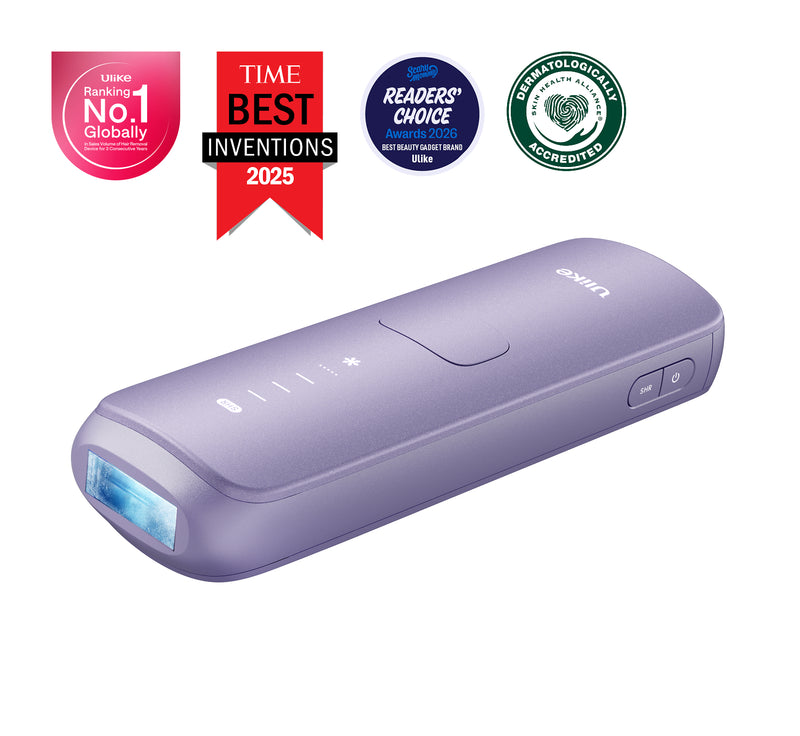
The Ulike Air 10 is designed for users who want an efficient at-home IPL solution for larger areas such as the legs. Featuring a wider treatment window, double light source, and 26J power output, it helps cover more skin area while effectively targeting stubborn hair for faster sessions.
With SHR Mode, AutoGlide Mode, and a 65°F cooling system, the Air 10 makes full-leg treatments more comfortable and easier to complete. Its advanced IPL technology delivers visible results in as little as 2 weeks, making it a convenient option for regular leg hair reduction.
Ulike Air 4: Convenient IPL Hair Reduction for Easy Leg Maintenance at Home
The Ulike Air 4 is another at-home IPL option for people who want convenient leg maintenance without booking frequent appointments. With 95.8% hair reduction in 4 weeks, USHR technology, and 24J energy output, it helps reduce unwanted hair with consistent use.
Its 64.4°F cooling system helps keep treatments comfortable, while the continuous flash function allows easier gliding across larger areas. The Air 4 provides a convenient option for users who prefer a straightforward home routine for long-term leg hair reduction.
Part 12: Conclusion
Legs laser hair removal can be a smart choice if you want smoother legs with less shaving, fewer ingrown hairs, and longer-lasting reduction than waxing can provide. It works by targeting pigment in the hair, which is why multiple sessions and proper timing are essential for the best outcome.
Your ideal plan depends on your hair color, skin tone, budget, sensitivity, and whether you want full-leg or half-leg treatment. Schedule a consultation with a qualified laser hair removal provider to find out whether your goals are realistic and which approach fits your skin safely.
Part 13: Frequently Asked Questions
Q1: Is laser hair removal safe on legs?
Yes, laser hair removal is generally safe on legs when performed by a qualified provider using appropriate settings for your skin tone and hair type. Temporary redness, warmth, and mild swelling are common after treatment.
Safety depends heavily on preparation and provider experience. Avoid tanning before sessions, disclose medications, and follow aftercare instructions closely. If you have darker skin, sensitive skin, or a history of pigmentation changes, request a consultation or patch test before treating a large area.
Q2: Can I scratch my legs after laser hair removal?
No, you should avoid scratching your legs after laser hair removal because the skin may be temporarily sensitive and more prone to irritation. Scratching can increase redness, inflammation, or the risk of broken skin.
If your legs feel itchy, use a cool compress or a gentle, fragrance-free moisturizer if your provider allows it. Avoid exfoliating until the skin has calmed. Mild shedding can happen after treatment, but let the hairs fall out naturally rather than picking or scrubbing aggressively.
Q3: Can I moisturize my legs after laser hair removal?
Yes, you can usually moisturize your legs after laser hair removal once your provider says it is okay. Choose a gentle, fragrance-free lotion or soothing gel to support the skin barrier and reduce dryness.
Avoid heavily scented products, exfoliating acids, retinoids, and body oils immediately after treatment unless your clinic approves them. Keep the area cool, avoid hot showers for the first day, and use sunscreen if your legs will be exposed. Proper moisturizing can make the recovery period more comfortable.