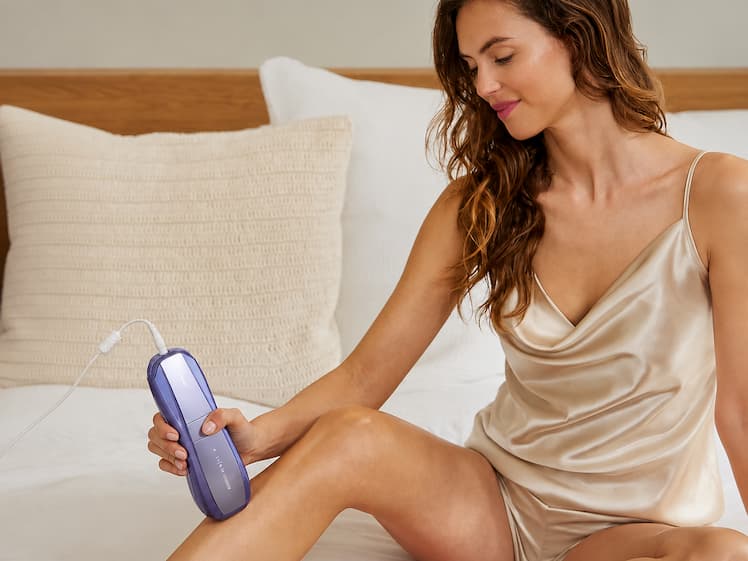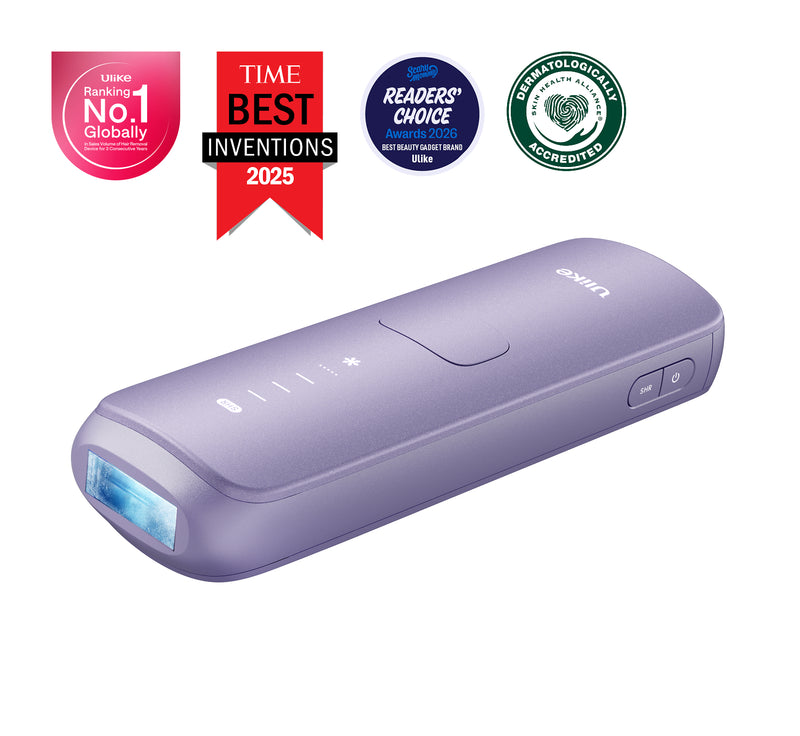
 Ulike ReGlow Pro★ 5.0 (511)




Table of Contents
Genital hair is completely normal, and removing it is optional. Some men prefer a natural look, some like a close trim, and others want smoother skin for comfort, appearance, or personal preference.
This guide compares common male genital hair removal options with safety considerations. It covers trimming, shaving, hair removal creams, waxing, laser hair removal, and IPL. The goal is to help you choose a method based on your skin sensitivity, pain tolerance, budget, and grooming goals.

Table of Contents:
- Part 1: Quick Overview of Male Genital Hair Removal Methods
- Part 2: Why Do Men Remove Genital Hair?
- Part 3: Trimming: The Safest Way to Start
- Part 4: How To Shave the Male Genital Area Without Irritation
- Part 5: Hair Removal Creams for the Male Genital Area
- Part 6: Is Waxing Safe for Male Genitals?
- Part 7: Genital Laser Hair Removal for Men
- Part 8: IPL Hair Removal for Men: A Convenient At-Home Option
- Part 9: Conclusion
- Part 10: Frequently Asked Questions
Part 1: Quick Overview of Male Genital Hair Removal Methods
Male genital hair removal methods vary widely in comfort, maintenance, and irritation risk.
| Method | Results Duration | Comfort Level | Irritation Risk | Maintenance Requirements |
|---|---|---|---|---|
| Trimming | A few days to 2 weeks | Usually comfortable | Low | Repeat weekly or as needed |
| Shaving | 1 to 3 days | Moderate if done carefully | Medium to high | Repeat every few days |
| Depilatory creams | Several days to 1 week | Comfortable if skin tolerates it | Medium to high | Patch test and repeat as needed |
| Waxing | 2 to 4 weeks | Painful for many men | Medium | Regrowth must be long enough to wax |
| Laser hair removal | Long-term reduction | Mild to moderate discomfort | Low to medium with a professional | Multiple sessions plus maintenance |
| IPL | Gradual reduction over time | Mild warmth or snapping sensation | Low to medium if used correctly | Consistent home treatments |
Part 2: Why Do Men Remove Genital Hair?
Genital hair removal for men is a personal grooming choice, not a medical requirement. Pubic hair does not mean poor hygiene. Keeping it is just as normal as removing it.
Common reasons include:
- Easier washing and drying
- A cleaner or more groomed appearance
- Less friction during sports
- Personal confidence
- Partner preference, when it aligns with your own comfort
Part 3: Trimming: The Safest Way to Start
Trimming is usually one of the lower-risk options for men new to genital grooming. It shortens hair without removing it from the root or scraping the skin.
Tools you need for safe trimming
Use tools designed for body grooming, not old razors or shared scissors. Good lighting and patience are more important than rushing for a perfectly smooth result.
Helpful tools include:
- An electric body groomer with skin guards
- Adjustable guards, starting longer before going shorter
- Small rounded-tip grooming scissors for touch-ups
- A handheld mirror for hard-to-see areas
- Bright bathroom lighting
- Clean towel and mild soap
- Disinfectant or alcohol wipes for tool cleaning
Step-by-step trimming technique
A careful trimming routine can prevent pinching and uneven patches. Start conservatively, especially around loose scrotal skin.
- 1. Wash your hands and clean the trimmer or scissors before use.
- 2. Make sure the area is clean and dry so hair does not clump.
- 3. Attach a longer guard first, such as 6 mm or 9 mm.
- 4. Trim slowly in small sections instead of pressing hard.
- 5. Use your free hand to keep the skin gently taut.
- 6. Avoid pulling hair into the blades or trimming too close to folds.
- 7. Shorten the guard only if you want a closer finish.
- 8. Rinse off loose hair, pat dry, and clean your tools.
Part 4: How To Shave the Male Genital Area Without Irritation
Shaving gives smoother results than trimming, but it requires more preparation and aftercare. The skin around the pubic area, groin folds, scrotum, and penis base can be sensitive. Gentle technique is important to reduce irritation.
Pre-shave preparation
Good preparation helps reduce razor drag and irritation. Do not shave long hair directly with a razor.
Before shaving:
- Take a warm shower for 5 to 10 minutes
- Wash with a mild, fragrance-free cleanser
- Trim longer hair first
- Use a fresh, clean razor
- Apply a clear or non-foaming shaving gel
- Avoid menthol, strong fragrance, or harsh exfoliants
Shaving technique for different intimate areas
Use light pressure and shave with the direction of hair growth whenever possible. Going against the grain may feel smoother at first, but it raises the risk of razor burn and ingrown hairs.
- Pubic area: Stretch the skin gently and use short strokes.
- Groin folds: Move slowly and avoid shaving over creases.
- Scrotum: Pull the skin taut and use minimal pressure.
- Penis base: Shave carefully around the base, not over irritated skin.
Rinse the blade often. If the razor tugs, replace it or stop and trim instead.
Post-shave aftercare routine
After shaving, rinse with cool water and pat dry. Apply aloe vera gel or a fragrance-free moisturizer to calm the skin.
For the next 24 hours, avoid tight underwear, heavy sweating when possible, and sexual activity if the skin feels raw. Do not apply alcohol-based aftershave to the genital area.
Part 5: Hair Removal Creams for the Male Genital Area
Depilatory creams can remove hair without a razor, but they can irritate sensitive skin around the genital area if used incorrectly. They should be used only on external skin and only if the product label says it is suitable for intimate or bikini-area use.
Choosing a suitable formula and patch testing
Choose a formula made for sensitive skin or the pubic area. Always do a patch test 24 hours before using the cream. Apply a small amount to a less sensitive area, rinse as directed, and watch for burning, redness, swelling, or rash.
Risks and safety considerations
Depilatory creams can cause chemical burns or severe irritation if left on too long. They may also cause blisters or peeling in some cases. Do not use creams immediately after shaving, waxing, exfoliating, or sun exposure. If burning starts, remove the cream right away with cool water and stop using it.
Part 6: Is Waxing Safe for Male Genitals?
Waxing can be safe when performed properly, especially by an experienced professional, but it is more painful than trimming or shaving.
Professional male Brazilian (Manzilian) explained
A professional male Brazilian is sometimes marketed as a “Manzilian.” It removes hair from areas such as the pubic region, scrotum, shaft base, and sometimes the buttocks area, depending on personal preference. A trained waxer uses specific techniques to hold the skin taut and reduce tearing.
At-home waxing tips and precautions
At-home waxing is riskier because genital skin is thin, mobile, and easy to bruise or tear. If you try it, use wax designed for sensitive areas and test a small patch first. Stop immediately if the skin lifts, bleeds, or burns intensely.
Part 7: Genital Laser Hair Removal for Men
Genital laser hair removal is a longer-term hair reduction option usually performed by trained professionals. It is commonly used on the pubic region and surrounding external skin, but the treatment plan should be customized by a licensed provider.
How laser hair removal works
Laser hair removal targets melanin in the hair with concentrated light energy. The heat damages follicles during active growth phases, which can reduce future hair growth.
Because hair grows in cycles, one session is not enough. Most men need a series of treatments before seeing significant reduction.
Pain level, sessions, and cost considerations
Laser treatment can feel like quick snaps of heat against the skin. Many clinics use cooling devices or numbing options to improve comfort.
Many people need around 6 or more sessions, often spaced several weeks apart. In the United States, pricing varies by city, clinic, and treatment area. Ask for a consultation and written estimate before starting treatment.
Part 8: IPL Hair Removal for Men: A Convenient At-Home Option
IPL, or intense pulsed light, is a home-friendly option for reducing unwanted hair over time. Many men choose it for convenience, privacy, and lower long-term maintenance compared with repeated shaving or waxing.
How IPL works for reducing unwanted body hair
IPL uses broad-spectrum light absorbed by melanin in the hair. With repeated treatments, it can slow regrowth and make hair appear finer and less dense.
Unlike professional laser, IPL is less concentrated and usually requires consistent use over weeks. It is not the same as electrolysis and should be viewed as hair reduction rather than guaranteed permanent hair removal.
Benefits of using an at-home IPL device
At-home IPL may appeal to men who want gradual reduction without clinic appointments. It can be useful for larger external areas near the grooming zone, such as the lower abdomen, thighs, or pubic line. Only use the device on areas approved by the manufacturer.
Potential benefits include:
- More privacy than salon or clinic visits
- Less frequent shaving over time
- Gradual reduction in visible hair density
- Flexible scheduling at home
- Lower long-term cost than repeated professional sessions
Best IPL Hair Removal Devices for Men at Home
When choosing an IPL device, check whether it matches your skin tone and has clear safety guidance. Cooling features, intensity levels, and treatment window size can also improve usability. Avoid using any IPL device directly on the penis, scrotum, anus, nipples, tattoos, or irritated skin unless the manual specifically states it is safe.
Ulike Air 10 for faster treatments and larger body areas
The Ulike Air 10 is suitable for men who want to streamline their grooming routine and simplify their treatment routine. It works well for users focusing on larger external areas, such as the chest, abdomen, arms, or legs, where treatment efficiency is important.
- 96% hair reduction in 2 weeks — supports faster visible hair reduction with consistent use.
- SHR Mode — delivers repeated light pulses for efficient coverage.
- Ice Cooling Technology — helps keep the skin surface cool during treatment.
- SkinSensor — detects skin tone and adjusts settings for safer operation.
- Dual Lights — provides a wider flash coverage area for quicker sessions.

Ulike Air 4 for beginners looking for simple at-home hair reduction
The Ulike Air 4 is a more straightforward IPL option for men who are just starting out with at-home laser hair removal. It is suited for regular maintenance on approved body areas, helping reduce the need for frequent shaving when used consistently.
- 95.8% hair reduction in 4 weeks — designed for gradual hair reduction with regular treatments.
- Sapphire Ice Cooling — helps maintain skin comfort during use.
- AutoGlide — enables continuous flashing while moving across the skin, making treatment easier to operate.
- 12-minute full-body treatment — suitable for users who want a quick routine at home.
- Multi-Mode Power — offers different intensity settings to match comfort levels and treatment needs.

Part 9: Conclusion
Male genital hair removal is a personal choice, and the safest method depends on your skin, comfort level, and desired result. For most men, trimming is the easiest starting point, while shaving, creams, waxing, laser, and IPL offer different levels of smoothness and longer-term reduction.
Choose a grooming method based on your skin sensitivity, pain tolerance, and how long you want results to last. If irritation becomes severe or does not improve, pause grooming and get medical advice.
Part 10: Frequently Asked Questions
Q1: What is the best way to remove hair from a man’s genital area?
The best way for most men to start is trimming with an electric body groomer and a guard. It reduces hair length without scraping the skin or pulling hair from the root.
For smoother results, shaving, waxing, creams, laser, or IPL may be options. Men with sensitive skin or frequent razor bumps should usually avoid aggressive shaving and consider trimming or professional advice.
Q2: Should men remove hair from private parts?
No, men do not need to remove hair from private parts unless they want to. Genital hair is normal and does not mean the area is dirty.
Some men remove or trim hair for appearance, comfort, reducing friction during sports, or personal preference. A suitable choice is one that feels comfortable and does not cause repeated irritation or injury.
Q3: Is laser hair removal safe for the male genital area?
Yes, laser hair removal can be safe for the male genital area when performed by a trained, licensed professional using appropriate equipment. A consultation is important to assess skin tone, hair color, medical history, and treatment boundaries.
This treatment usually provides long-term reduction rather than guaranteed permanent removal. Ask your provider about risks such as burns, pigment changes, discomfort, and the number of sessions needed.
Q4: How often should men trim or shave genital hair?
Most men trim genital hair every 1 to 2 weeks, depending on how short they want to keep it. Shaving usually needs maintenance every few days because stubble returns quickly.
If shaving causes bumps, itching, or ingrown hairs, shave less often or switch to trimming. Give irritated skin time to heal before grooming again.