Is Permanent Hair Removal Possible? Methods and Results Explained
Depilación

Is Permanent Hair Removal Possible? Methods and Results Explained

If you are tired of shaving, waxing, or constantly managing unwanted hair, you may have wondered whether permanent hair removal is possible. While some methods can permanently remove individual hairs, others are designed to reduce hair growth over time and minimize maintenance. From electrolysis and professional laser treatments to at-home IPL devices, each option works differently and suits different needs. This guide explains how these methods compare and what results you can realistically expect. Table of Contents: Part 1: What Is Permanent Hair Removal? Part 2: Electrolysis Part 3: Laser Hair Removal Part 4: At-Home IPL Devices Part 5: How to Choose the Right Permanent Hair Removal Method? Part 6: Best At-Home IPL Hair Removal Devices for Long-Lasting Smooth Skin Part 7: Conclusion Part 8: Frequently Asked Questions Part 1: What Is Permanent Hair Removal? Permanent hair removal refers to treatments designed to stop hair from growing back by targeting the hair follicle itself. However, the term can be confusing because not all hair removal methods provide the same level of long-term results. While electrolysis is recognized as a true permanent hair removal method, popular options like laser hair removal and at-home IPL devices are generally described as providing long-term hair reduction, meaning they can significantly reduce regrowth but may require maintenance treatments. Understanding this distinction is important when comparing options. The sections below compare the most common methods and what you can realistically expect from each one. Part 2: Electrolysis Electrolysis is the only hair removal method that targets individual hair follicles one at a time, making it different from light-based treatments such as laser and IPL. It uses electrical energy to damage the growth center of each follicle, which can permanently prevent treated hairs from growing back. Because it does not rely on hair pigment, electrolysis can work on all hair colors, including blonde, red, gray, and white hair. For people looking for permanent facial hair removal, electrolysis is often considered when dealing with small areas, isolated hairs, or light-colored hair that may not respond well to laser-based treatments. How does electrolysis work? During an electrolysis session, a trained electrologist inserts a very fine probe into the opening of the hair follicle. A small electrical current is then delivered to damage the cells responsible for future hair growth. Once the follicle has been treated successfully, the hair can be removed with tweezers. Who is electrolysis best for? Electrolysis may be a suitable choice for people who: Want permanent removal of individual hairs; Have blonde, red, gray, or white hairs that do not respond well to laser; Need precision treatment on smaller areas such as the chin, upper lip, eyebrows, or bikini line; Want to remove remaining hairs after completing laser treatments. However, because each follicle must be treated separately, electrolysis is usually not the fastest option for large areas such as the legs or back. Session requirements and cost Electrolysis requires multiple appointments because hair grows in different cycles, and only follicles in the right growth stage can be effectively treated during each session. The total number of sessions depends on the treatment area, hair density, and individual growth patterns. Small areas may require shorter, regular appointments over several months, while larger areas can take significantly longer. In the US, electrolysis is commonly charged by treatment time rather than a fixed package. A typical session may cost around $30–$100+, depending on the provider, location, and appointment length. A full treatment plan can range from several hundred dollars to several thousand dollars, especially for larger areas. Results and possible side effects When a follicle is successfully treated, it should no longer produce hair. However, new hairs can still appear from previously untreated follicles, especially in areas affected by hormonal changes. Temporary redness, swelling, tenderness, or small bumps are common after treatment. Less common risks include burns, infection, scarring, or changes in skin pigmentation, particularly if the treatment is performed incorrectly. Choosing a licensed and experienced electrologist can help reduce these risks. Part 3: Laser Hair Removal Laser hair removal uses concentrated light energy to target the pigment in hair follicles. It can treat many hairs at the same time, making it much faster than electrolysis for larger treatment areas such as the legs, underarms, back, chest, and bikini area. So, is laser hair removal permanent? Although many people refer to it as “permanent hair removal,” laser treatment is more accurately described as providing long-term hair reduction. Some treated follicles may stop producing hair, while others may produce finer or lighter regrowth over time. Maintenance sessions may still be needed depending on the area and individual factors. How does laser hair removal work? Laser devices emit a specific wavelength of light that is absorbed by melanin in the hair. The absorbed energy is converted into heat, which damages the follicle and reduces its ability to produce new hair. Because the treatment relies on pigment, laser hair removal usually works best on darker, coarser hair. Very light blonde, gray, white, or red hair may not respond as well because it contains less melanin. Modern laser systems can treat a wider range of skin tones, but choosing the right device and settings is important. Who is laser hair removal best for? Laser hair removal is often a good option for people who: Want faster treatment for larger areas Have darker, coarser hair growth Want significant long-term reduction in shaving or waxing Common treatment areas include: Legs Underarms Bikini area Back Chest Face Session requirements and cost Laser hair removal requires multiple sessions because hair only responds effectively during certain stages of the growth cycle. The American Academy of Dermatology notes that many patients need around six sessions or more, with appointments typically spaced several weeks apart. Laser hair removal typically costs around $50–$500+ per session, depending on the area being treated. Smaller areas such as the upper lip or underarms are usually less expensive, while larger areas such as full legs or the back cost more. A complete treatment course can range from around $1,000 to several thousand dollars. Results and side effects Does laser remove hair permanently? Not really. But after completing a treatment course, many people notice slower regrowth, finer hairs, and fewer visible hairs. Results vary depending on hair color, skin tone, hormones, and treatment consistency. Temporary redness, swelling, and warmth around the treated follicles are common. More serious side effects, including burns, blistering, scarring, or pigment changes, are uncommon but can happen when the treatment settings are not suitable for the skin. Part 4: At-Home IPL Devices At-home IPL devices use intense pulsed light to gradually reduce hair regrowth through repeated treatments. While they are often searched for under terms such as “at-home laser hair removal,” IPL is different from a laser. A laser uses one focused wavelength of light, while IPL releases multiple wavelengths across a broader spectrum. Both methods use light energy absorbed by hair pigment, but home IPL devices are designed for personal use with lower energy levels than professional systems. How does at-home IPL work? IPL devices send pulses of light into the skin, where pigment in the hair absorbs the energy. This heat can gradually weaken the follicle, helping slow future hair growth with consistent treatments. Because IPL relies on contrast between hair and skin, it usually works best for people with darker hair and lighter skin tones. People with very light hair may see limited results, while some deeper skin tones may not be suitable for certain devices. Who is at-home IPL best for? At-home IPL may suit people who: Prefer the privacy and convenience of treating themselves at home Want to reduce shaving and waxing frequency Are comfortable following a regular treatment schedule Have compatible hair and skin characteristics Compared with professional laser treatments, home IPL usually requires more consistency and patience. However, it allows users to treat areas on their own schedule without repeated clinic visits. Session requirements and cost Most at-home IPL devices require an initial treatment phase with sessions every one to two weeks, followed by occasional maintenance once hair growth slows. Results usually build gradually rather than appearing after one treatment. Consumer IPL devices generally cost around $100–$500, depending on features such as cooling systems, treatment modes, sensors, and treatment window size. While the upfront cost may be higher than a single salon appointment, one device can be used repeatedly over time. Results and safety considerations At-home IPL should be viewed as a method for long-term hair reduction, not a guarantee that every hair will permanently disappear. With regular use, many users experience slower regrowth, finer hair, and less frequent maintenance. Before using an at-home IPL device, always check the manufacturer’s skin and hair compatibility guidelines and complete a patch test as recommended. Temporary redness, warmth, or mild irritation can occur after treatment. Avoid using IPL on tattoos, very dark moles, damaged skin, or areas restricted by the device instructions. The FDA classifies many over-the-counter light-based hair removal devices as Class II medical devices, and some products have been cleared through the 510(k) process. Part 5: How to Choose the Right Permanent Hair Removal Method? With the methods clear, choosing the right permanent hair removal method depends on more than just the result you want. Your hair color, skin tone, treatment area, budget, and how much time you want to spend on treatments all play an important role. 脱毛方式对比表 Factor Electrolysis Professional Laser Hair Removal At-Home IPL Devices How it works Uses electrical energy to treat individual hair follicles one at a time Uses concentrated laser light to heat and damage hair follicles Uses broad-spectrum intense pulsed light (IPL) to gradually reduce hair growth Result type Permanent removal of successfully treated follicles Long-term hair reduction; maintenance treatments may be needed Long-term hair reduction with consistent use Best for Small areas, individual hairs, and light-colored hair Larger areas with darker, coarse hair growth People who prefer convenient, private treatment at home Hair color suitability Suitable for most natural hair colors, including blonde, red, gray, and white hair Works best on dark, pigmented hair; less effective on blonde, gray, white, or very light hair Works best on darker hair with sufficient contrast against the skin Typical number of sessions 8–12+ sessions are common; larger areas may require treatment over 12–18 months or longer Usually 6–8 sessions, spaced around 4–8 weeks apart, followed by occasional maintenance if needed Initial treatments are commonly performed every 1–2 weeks for the first 8–12 weeks, followed by maintenance sessions every 1–3 months Treatment time Around 15 minutes to 1+ hour per session, depending on the area Around 5–60 minutes per session, depending on the treatment area (small facial areas are faster; full legs take longer) Around 5–30 minutes per session, depending on the device and treatment area Typical cost per session Around $30–$100+ per appointment, usually charged by treatment time Around $50–$500+ per session, depending on the area being treated Around $100–$500 for the device (one-time purchase) Estimated total cost Several hundred to several thousand dollars depending on area size and treatment duration Around $1,000–$4,000+ for a full treatment course depending on the areas treated Usually $100–$500 upfront, with no ongoing appointment costs As you can see, if you’re looking for a true facial hair removal permanent solution, electrolysis offers the most targeted approach. If you want a significant reduction in shaving or waxing across larger areas, laser hair removal may provide faster results through professional treatment. For people who want a private and flexible routine, at-home IPL can be a convenient way to gradually reduce hair growth over time. There is no single “best” permanent hair removal method for everyone. The right choice depends on balancing your expected results with your hair characteristics, lifestyle, and willingness to commit to a treatment schedule. Part 6: Best At-Home IPL Hair Removal Devices for Long-Lasting Smooth Skin If you prefer a convenient hair reduction routine without regular clinic visits, at-home IPL may be a practical option. It is especially suitable for people who want to treat multiple areas in the privacy of their own home and are comfortable following a consistent schedule to achieve smoother, longer-lasting results. Ulike offers two at-home IPL options designed for different needs: the Air 10 is built for users who want faster coverage and more intelligent treatment support, while the Air 4 provides a simpler way to enjoy effective IPL care at home. Ulike Air 10: Premium At-Home IPL Option The Ulike Air 10 is designed for users treating several areas or dealing with coarse, persistent hair. Its Dual Lights provide broader coverage, while SkinSensor technology automatically adjusts the output as you move between areas. Together with the stronger SHR mode, these features make regular full-body sessions faster and easier to manage. Here is what you can expect in everyday use: Dual Lights and a wider treatment window: Cover more skin with each placement, helping shorten sessions on larger areas such as the legs, arms, chest, or back. SkinSensor with automatic energy adjustment: Checks the skin tone and adapts the output, reducing the need to change levels manually when moving between body areas. Up to 26J in four-pulse SHR mode: Delivers repeated pulses for coarse or stubborn hair, making it particularly useful around the underarms, bikini line, chest, or beard area. Sapphire Ice Cooling at approximately 65°F: Keeps the treatment window cool against the skin, helping manage the feeling of heat during higher-intensity or repeated flashes. AutoGlide with approximately 10-minute full-body sessions: Produces continuous flashes as you move the device, supporting quicker treatment across broad areas. Ulike Air 4: Accessible At-Home IPL Choice For first-time and routine IPL users, the Ulike Air 4 offers a more straightforward option. It combines four clearly defined modes with fast continuous flashing and sapphire cooling, giving you enough flexibility to treat both fine and thicker hair without the Air 10’s additional sensor and Dual Lights system. For everyday at-home use, the most useful features are: Soft, Body, Power, and USHR modes: Make it easier to match the intensity to the area, from fine hair and touch-ups to thicker growth around the underarms or bikini line. Up to 24J and 7.2 J/cm² energy density: Provides stronger output for areas with more persistent hair while retaining lower modes for more comfortable routine treatment. Flash intervals as short as 0.4 seconds: Reduces waiting between flashes, helping you move more smoothly across the legs, arms, or other larger areas. Sapphire Ice Cooling at approximately 64.4°F: Helps keep the treatment surface cool, which can make repeated sessions more comfortable on sensitive areas. Press-once AutoGlide: Allows continuous flashing without holding the button down, reducing hand fatigue during longer full-body routines. Approximately 12-minute full-body sessions: Offers practical coverage for users who want to fit regular IPL treatments into a weekly home routine. Part 7: Conclusion Choosing the right permanent hair removal method depends on your hair type, skin tone, treatment area, and the kind of results you want to achieve. Electrolysis offers a more targeted approach for permanent removal of individual hairs, while professional laser treatments and at-home IPL focus on reducing hair growth over time. For those who prefer a flexible routine at home, IPL can be a convenient option when used consistently and according to the device instructions. By understanding the differences between each method, you can choose a solution that fits your lifestyle and helps you achieve smoother, longer-lasting results. Part 8: Frequently Asked Questions Q1: Is it possible to remove hair permanently? Yes, but the answer depends on the method. Electrolysis is the only FDA-recognized method for permanent hair removal, while laser hair removal is generally described as providing permanent hair reduction by significantly decreasing regrowth over time. Most people need multiple sessions, and maintenance treatments may still be needed depending on the method, hair type, and treatment area. Q2: Will laser hair removal fix folliculitis? Laser hair removal can help improve folliculitis by targeting the hair follicle, where the condition often begins. By reducing hair growth, it lowers the chance of ingrown hairs and repeated inflammation, which can lead to fewer flare-ups over time. While many people experience noticeable improvement, laser treatment may not cure folliculitis caused by infections or underlying medical conditions, so a dermatologist’s advice is recommended. Q3: What are the downsides of permanent hair removal? Permanent hair removal treatments can cause temporary side effects such as redness, swelling, and mild skin irritation after a session. Less commonly, some people may experience blistering, scabbing, scarring, or temporary changes in skin pigmentation, particularly if the treatment is not suited to their skin type or performed incorrectly. Multiple sessions are also usually required, and professional treatments can become costly over time.
27 jul 2026
Share:

Up to 40% Off
Limited stock. Limited time.

Buy Now
Table of Contents

If you are tired of shaving, waxing, or constantly managing unwanted hair, you may have wondered whether permanent hair removal is possible. While some methods can permanently remove individual hairs, others are designed to reduce hair growth over time and minimize maintenance.


From electrolysis and professional laser treatments to at-home IPL devices, each option works differently and suits different needs. This guide explains how these methods compare and what results you can realistically expect.


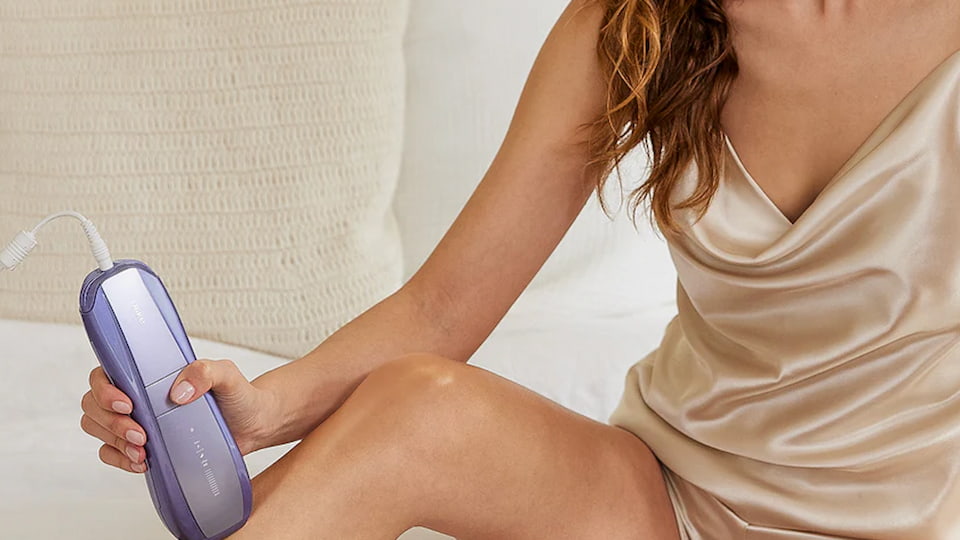
woman-using-an-at-home-ipl-hair-removal-device

Table of Contents:

Part 1: What Is Permanent Hair Removal?

Permanent hair removal refers to treatments designed to stop hair from growing back by targeting the hair follicle itself. However, the term can be confusing because not all hair removal methods provide the same level of long-term results.


While electrolysis is recognized as a true permanent hair removal method, popular options like laser hair removal and at-home IPL devices are generally described as providing long-term hair reduction, meaning they can significantly reduce regrowth but may require maintenance treatments.


Understanding this distinction is important when comparing options. The sections below compare the most common methods and what you can realistically expect from each one.

Part 2: Electrolysis

Electrolysis is the only hair removal method that targets individual hair follicles one at a time, making it different from light-based treatments such as laser and IPL.


It uses electrical energy to damage the growth center of each follicle, which can permanently prevent treated hairs from growing back. Because it does not rely on hair pigment, electrolysis can work on all hair colors, including blonde, red, gray, and white hair.


For people looking for permanent facial hair removal, electrolysis is often considered when dealing with small areas, isolated hairs, or light-colored hair that may not respond well to laser-based treatments.

How does electrolysis work?

During an electrolysis session, a trained electrologist inserts a very fine probe into the opening of the hair follicle. A small electrical current is then delivered to damage the cells responsible for future hair growth. Once the follicle has been treated successfully, the hair can be removed with tweezers.

Who is electrolysis best for?

Electrolysis may be a suitable choice for people who:

  • Want permanent removal of individual hairs;
  • Have blonde, red, gray, or white hairs that do not respond well to laser;
  • Need precision treatment on smaller areas such as the chin, upper lip, eyebrows, or bikini line;
  • Want to remove remaining hairs after completing laser treatments.

However, because each follicle must be treated separately, electrolysis is usually not the fastest option for large areas such as the legs or back.

Session requirements and cost

Electrolysis requires multiple appointments because hair grows in different cycles, and only follicles in the right growth stage can be effectively treated during each session.


The total number of sessions depends on the treatment area, hair density, and individual growth patterns. Small areas may require shorter, regular appointments over several months, while larger areas can take significantly longer.


In the US, electrolysis is commonly charged by treatment time rather than a fixed package. A typical session may cost around $30–$100+, depending on the provider, location, and appointment length. A full treatment plan can range from several hundred dollars to several thousand dollars, especially for larger areas.

Results and possible side effects

When a follicle is successfully treated, it should no longer produce hair. However, new hairs can still appear from previously untreated follicles, especially in areas affected by hormonal changes.


Temporary redness, swelling, tenderness, or small bumps are common after treatment. Less common risks include burns, infection, scarring, or changes in skin pigmentation, particularly if the treatment is performed incorrectly.


Choosing a licensed and experienced electrologist can help reduce these risks.

Part 3: Laser Hair Removal

Laser hair removal uses concentrated light energy to target the pigment in hair follicles. It can treat many hairs at the same time, making it much faster than electrolysis for larger treatment areas such as the legs, underarms, back, chest, and bikini area.


So, is laser hair removal permanent? Although many people refer to it as “permanent hair removal,” laser treatment is more accurately described as providing long-term hair reduction.


Some treated follicles may stop producing hair, while others may produce finer or lighter regrowth over time. Maintenance sessions may still be needed depending on the area and individual factors.

How does laser hair removal work?

Laser devices emit a specific wavelength of light that is absorbed by melanin in the hair. The absorbed energy is converted into heat, which damages the follicle and reduces its ability to produce new hair.


Because the treatment relies on pigment, laser hair removal usually works best on darker, coarser hair. Very light blonde, gray, white, or red hair may not respond as well because it contains less melanin.


Modern laser systems can treat a wider range of skin tones, but choosing the right device and settings is important.

Who is laser hair removal best for?

Laser hair removal is often a good option for people who:

  • Want faster treatment for larger areas
  • Have darker, coarser hair growth
  • Want significant long-term reduction in shaving or waxing

Common treatment areas include:

  • Legs
  • Underarms
  • Bikini area
  • Back
  • Chest
  • Face

Session requirements and cost

Laser hair removal requires multiple sessions because hair only responds effectively during certain stages of the growth cycle. The American Academy of Dermatology notes that many patients need around six sessions or more, with appointments typically spaced several weeks apart.


Laser hair removal typically costs around $50–$500+ per session, depending on the area being treated. Smaller areas such as the upper lip or underarms are usually less expensive, while larger areas such as full legs or the back cost more. A complete treatment course can range from around $1,000 to several thousand dollars.

Results and side effects

Does laser remove hair permanently? Not really. But after completing a treatment course, many people notice slower regrowth, finer hairs, and fewer visible hairs. Results vary depending on hair color, skin tone, hormones, and treatment consistency.


Temporary redness, swelling, and warmth around the treated follicles are common. More serious side effects, including burns, blistering, scarring, or pigment changes, are uncommon but can happen when the treatment settings are not suitable for the skin.

Part 4: At-Home IPL Devices

At-home IPL devices use intense pulsed light to gradually reduce hair regrowth through repeated treatments.


While they are often searched for under terms such as “at-home laser hair removal,” IPL is different from a laser. A laser uses one focused wavelength of light, while IPL releases multiple wavelengths across a broader spectrum. Both methods use light energy absorbed by hair pigment, but home IPL devices are designed for personal use with lower energy levels than professional systems.

How does at-home IPL work?

IPL devices send pulses of light into the skin, where pigment in the hair absorbs the energy. This heat can gradually weaken the follicle, helping slow future hair growth with consistent treatments.


Because IPL relies on contrast between hair and skin, it usually works best for people with darker hair and lighter skin tones. People with very light hair may see limited results, while some deeper skin tones may not be suitable for certain devices.

Who is at-home IPL best for?

At-home IPL may suit people who:

  • Prefer the privacy and convenience of treating themselves at home
  • Want to reduce shaving and waxing frequency
  • Are comfortable following a regular treatment schedule
  • Have compatible hair and skin characteristics

Compared with professional laser treatments, home IPL usually requires more consistency and patience. However, it allows users to treat areas on their own schedule without repeated clinic visits.

Session requirements and cost

Most at-home IPL devices require an initial treatment phase with sessions every one to two weeks, followed by occasional maintenance once hair growth slows. Results usually build gradually rather than appearing after one treatment.


Consumer IPL devices generally cost around $100–$500, depending on features such as cooling systems, treatment modes, sensors, and treatment window size. While the upfront cost may be higher than a single salon appointment, one device can be used repeatedly over time.

Results and safety considerations

At-home IPL should be viewed as a method for long-term hair reduction, not a guarantee that every hair will permanently disappear. With regular use, many users experience slower regrowth, finer hair, and less frequent maintenance.


Before using an at-home IPL device, always check the manufacturer’s skin and hair compatibility guidelines and complete a patch test as recommended.


Temporary redness, warmth, or mild irritation can occur after treatment. Avoid using IPL on tattoos, very dark moles, damaged skin, or areas restricted by the device instructions.


The FDA classifies many over-the-counter light-based hair removal devices as Class II medical devices, and some products have been cleared through the 510(k) process.

Part 5: How to Choose the Right Permanent Hair Removal Method?

With the methods clear, choosing the right permanent hair removal method depends on more than just the result you want. Your hair color, skin tone, treatment area, budget, and how much time you want to spend on treatments all play an important role.


脱毛方式对比表
Factor Electrolysis Professional Laser Hair Removal At-Home IPL Devices
How it works Uses electrical energy to treat individual hair follicles one at a time Uses concentrated laser light to heat and damage hair follicles Uses broad-spectrum intense pulsed light (IPL) to gradually reduce hair growth
Result type Permanent removal of successfully treated follicles Long-term hair reduction; maintenance treatments may be needed Long-term hair reduction with consistent use
Best for Small areas, individual hairs, and light-colored hair Larger areas with darker, coarse hair growth People who prefer convenient, private treatment at home
Hair color suitability Suitable for most natural hair colors, including blonde, red, gray, and white hair Works best on dark, pigmented hair; less effective on blonde, gray, white, or very light hair Works best on darker hair with sufficient contrast against the skin
Typical number of sessions 8–12+ sessions are common; larger areas may require treatment over 12–18 months or longer Usually 6–8 sessions, spaced around 4–8 weeks apart, followed by occasional maintenance if needed Initial treatments are commonly performed every 1–2 weeks for the first 8–12 weeks, followed by maintenance sessions every 1–3 months
Treatment time Around 15 minutes to 1+ hour per session, depending on the area Around 5–60 minutes per session, depending on the treatment area (small facial areas are faster; full legs take longer) Around 5–30 minutes per session, depending on the device and treatment area
Typical cost per session Around $30–$100+ per appointment, usually charged by treatment time Around $50–$500+ per session, depending on the area being treated Around $100–$500 for the device (one-time purchase)
Estimated total cost Several hundred to several thousand dollars depending on area size and treatment duration Around $1,000–$4,000+ for a full treatment course depending on the areas treated Usually $100–$500 upfront, with no ongoing appointment costs

As you can see, if you’re looking for a true facial hair removal permanent solution, electrolysis offers the most targeted approach.


If you want a significant reduction in shaving or waxing across larger areas, laser hair removal may provide faster results through professional treatment. For people who want a private and flexible routine, at-home IPL can be a convenient way to gradually reduce hair growth over time.


There is no single “best” permanent hair removal method for everyone. The right choice depends on balancing your expected results with your hair characteristics, lifestyle, and willingness to commit to a treatment schedule.

Part 6: Best At-Home IPL Hair Removal Devices for Long-Lasting Smooth Skin

If you prefer a convenient hair reduction routine without regular clinic visits, at-home IPL may be a practical option. It is especially suitable for people who want to treat multiple areas in the privacy of their own home and are comfortable following a consistent schedule to achieve smoother, longer-lasting results.


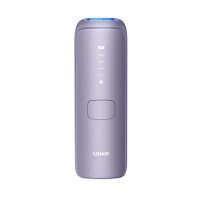
Ulike offers two at-home IPL options designed for different needs: the Air 10 is built for users who want faster coverage and more intelligent treatment support, while the Air 4 provides a simpler way to enjoy effective IPL care at home.

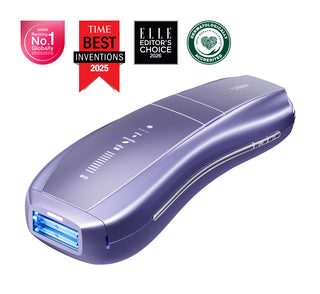
Ulike Air 10: Premium At-Home IPL Option

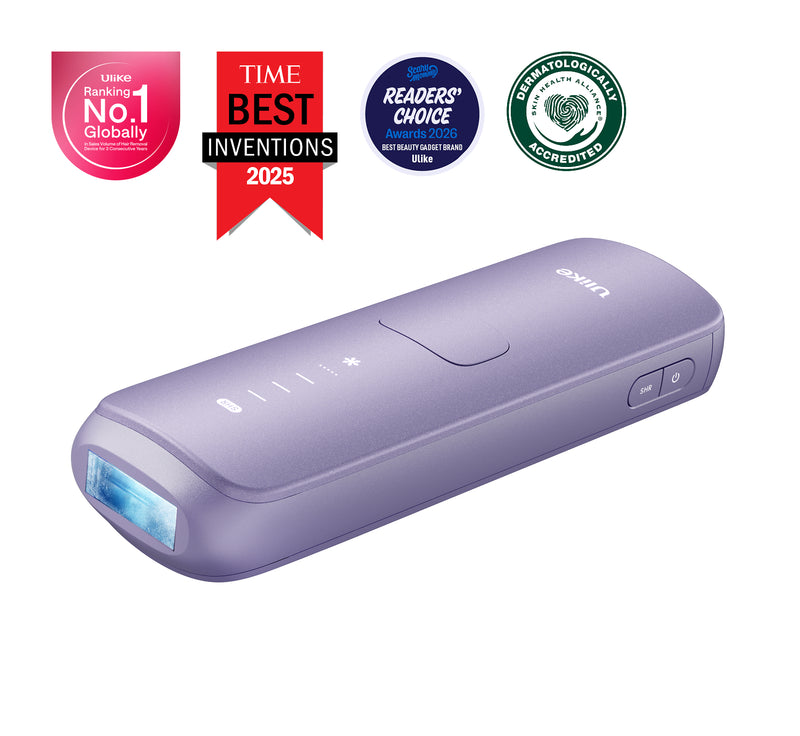
The Ulike Air 10 is designed for users treating several areas or dealing with coarse, persistent hair. Its Dual Lights provide broader coverage, while SkinSensor technology automatically adjusts the output as you move between areas. Together with the stronger SHR mode, these features make regular full-body sessions faster and easier to manage.


Here is what you can expect in everyday use:

  • Dual Lights and a wider treatment window: Cover more skin with each placement, helping shorten sessions on larger areas such as the legs, arms, chest, or back.
  • SkinSensor with automatic energy adjustment: Checks the skin tone and adapts the output, reducing the need to change levels manually when moving between body areas.
  • Up to 26J in four-pulse SHR mode: Delivers repeated pulses for coarse or stubborn hair, making it particularly useful around the underarms, bikini line, chest, or beard area.
  • Sapphire Ice Cooling at approximately 65°F: Keeps the treatment window cool against the skin, helping manage the feeling of heat during higher-intensity or repeated flashes.
  • AutoGlide with approximately 10-minute full-body sessions: Produces continuous flashes as you move the device, supporting quicker treatment across broad areas.
ulike air 10

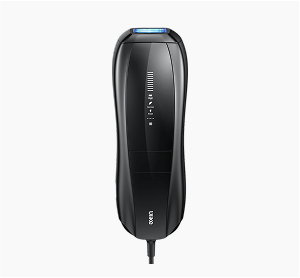
Ulike Air 4: Accessible At-Home IPL Choice

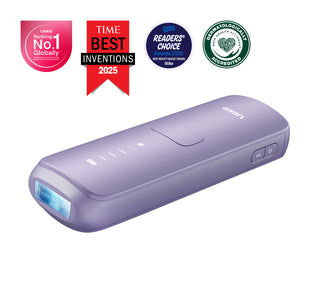
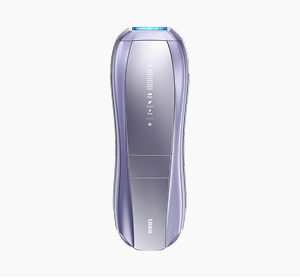
For first-time and routine IPL users, the Ulike Air 4 offers a more straightforward option. It combines four clearly defined modes with fast continuous flashing and sapphire cooling, giving you enough flexibility to treat both fine and thicker hair without the Air 10’s additional sensor and Dual Lights system.


For everyday at-home use, the most useful features are:

  • Soft, Body, Power, and USHR modes: Make it easier to match the intensity to the area, from fine hair and touch-ups to thicker growth around the underarms or bikini line.
  • Up to 24J and 7.2 J/cm² energy density: Provides stronger output for areas with more persistent hair while retaining lower modes for more comfortable routine treatment.
  • Flash intervals as short as 0.4 seconds: Reduces waiting between flashes, helping you move more smoothly across the legs, arms, or other larger areas.
  • Sapphire Ice Cooling at approximately 64.4°F: Helps keep the treatment surface cool, which can make repeated sessions more comfortable on sensitive areas.
  • Press-once AutoGlide: Allows continuous flashing without holding the button down, reducing hand fatigue during longer full-body routines.
  • Approximately 12-minute full-body sessions: Offers practical coverage for users who want to fit regular IPL treatments into a weekly home routine.
ulike air 4

Part 7: Conclusion

Choosing the right permanent hair removal method depends on your hair type, skin tone, treatment area, and the kind of results you want to achieve. Electrolysis offers a more targeted approach for permanent removal of individual hairs, while professional laser treatments and at-home IPL focus on reducing hair growth over time.


For those who prefer a flexible routine at home, IPL can be a convenient option when used consistently and according to the device instructions. By understanding the differences between each method, you can choose a solution that fits your lifestyle and helps you achieve smoother, longer-lasting results.

Part 8: Frequently Asked Questions

Q1: Is it possible to remove hair permanently?

Yes, but the answer depends on the method. Electrolysis is the only FDA-recognized method for permanent hair removal, while laser hair removal is generally described as providing permanent hair reduction by significantly decreasing regrowth over time. Most people need multiple sessions, and maintenance treatments may still be needed depending on the method, hair type, and treatment area.

Q2: Will laser hair removal fix folliculitis?

Laser hair removal can help improve folliculitis by targeting the hair follicle, where the condition often begins. By reducing hair growth, it lowers the chance of ingrown hairs and repeated inflammation, which can lead to fewer flare-ups over time. While many people experience noticeable improvement, laser treatment may not cure folliculitis caused by infections or underlying medical conditions, so a dermatologist’s advice is recommended.

Q3: What are the downsides of permanent hair removal?

Permanent hair removal treatments can cause temporary side effects such as redness, swelling, and mild skin irritation after a session. Less commonly, some people may experience blistering, scabbing, scarring, or temporary changes in skin pigmentation, particularly if the treatment is not suited to their skin type or performed incorrectly. Multiple sessions are also usually required, and professional treatments can become costly over time.

Anterior
At Home Laser Hair Removal: How to Choose and Use the Right Device
Siguiente
Cost of Laser Hair Removal Surgery: U.S. Pricing Guide
Share:

Featured Products

Ulike Air 10

Ulike Air 10

2 weeks to silky smooth skin.

96% Hair Density Reduction

The next-generation in simple,

lasting hair removal.

 $259.00 $349.00
Learn More
Cost of Laser Hair Removal Surgery: U.S. Pricing Guide

Cost of Laser Hair Removal Surgery: U.S. Pricing Guide

Laser hair removal is a noninvasive cosmetic treatment that uses focused light energy to target ...
30 jul 2026
Is Permanent Hair Removal Possible? Methods and Results Explained

Is Permanent Hair Removal Possible? Methods and Results Explained

If you are tired of shaving, waxing, or constantly managing unwanted hair, you may have wondered...
27 jul 2026
At Home Laser Hair Removal: How to Choose and Use the Right Device

At Home Laser Hair Removal: How to Choose and Use the Right Device

Choosing the right at home laser hair removal device can help reduce unwanted hair without frequ...
27 jul 2026
Ulike Air 10

Ulike Air 10

The next-generation in simple,

lasting hair removal.

Learn More

Explore Beauty

Ulike Air 10

2 weeks to silky smooth skin.

96% Hair Density Reduction in 2 Weeks

Ulike Air 3

3 weeks to silky smooth skin.

93% Hair Density Reduction in 4 Weeks

Ulike Air 4

4 weeks to silky smooth skin.

95.8% hair reduction in just 2 weeks*

Ulike Reglow

Clearer skin in 2 weeks: Fewer breakouts
Smoother skin in 4 weeks: Fewer lines, firmer feel

Deja un comentario

Todos los comentarios son moderados antes de ser publicados.

Back to top