What Is the Downside of Laser Hair Removal? Real Risks, Real Limits, and How to Lower Them

Laser hair removal sounds like the dream: fewer ingrowns, less shaving, smoother skin for longer. And for many people, it does exactly that. Still, the biggest downside of laser hair removal is that it’s not a simple one-and-done fix. It can hurt, it can irritate skin, it takes time, and results aren’t always permanent.
If you’re weighing it up, it helps to separate what’s common (short-term redness and sensitivity) from what’s uncommon (burns, scarring, lasting pigment changes). Most people only deal with mild, temporary side effects when treatments are done correctly and aftercare is followed.
The most common downsides, pain, irritation, and temporary skin changes

Most “downsides” people notice happen in the first few hours after a session. Think of it like a quick heat workout for your follicles. The device targets pigment in the hair, and that heat can leave the surrounding skin feeling warm and reactive for a bit.
A helpful rule of thumb: if it feels like a mild sunburn and looks a little pink, that’s usually normal. If you see blisters, open skin, or severe swelling that keeps getting worse, that’s not normal and you should contact the clinic.
Pain is personal, and it also depends on the area. Upper lip and bikini line tend to sting more than calves. Many clinics use cooling, gels, or cold air during treatment to make it easier. Proper settings matter too. If the provider jumps intensity too fast, the session can feel harsher and leave you more irritated afterward.
Short-term side effects you might see after each session
Right after treatment, the most common reactions include:
Redness and warmth: Often shows up within minutes, like a mild flush.
Swelling around follicles: Tiny bumps can appear where hairs were treated.
Itching or tightness: Skin can feel dry or “prickly” for a day or two.
Tenderness: Especially if the area rubs on clothing.
These effects usually fade within hours to a few days. Cooling compresses can help. Gentle moisturizer can help. Skipping harsh exfoliants for a few days can help.
What tends to make short-term side effects worse?
- Using strong acids or retinoids too close to treatment (unless your clinician says it’s fine)
- Working out in hot, sweaty conditions right after
- Hot showers, saunas, or hot tubs on the same day
- Sun exposure without sunscreen
Small choices add up here. If your skin is calm going into the appointment and protected afterward, you’re less likely to have a rough recovery.
Pigment changes can be the bigger deal, especially if you are darker skinned or sun exposed
When people ask about the “real” downside of laser hair removal, they’re often worried about skin color changes. This can happen, and it can take longer to fade than redness.
There are two main types:
Hyperpigmentation: skin looks darker in patches.
Hypopigmentation: skin looks lighter in spots.
Pigment changes are more likely when skin has extra melanin activity, like after a tan, after sun exposure, or in deeper skin tones if the wrong laser or settings are used. They can also show up if aftercare is skipped.
The frustrating part is timing. Redness might fade in a day, but pigment changes can last weeks or months, sometimes longer.
Simple prevention basics usually make the biggest difference:
- Avoid tanning before and after sessions
- Use sunscreen daily on exposed areas
- Follow aftercare (no heat, no picking, no harsh actives)
- Ask what laser type and settings are planned for your skin tone
- Don’t treat freshly sunburned skin, even if the burn feels mild
The risks people do not talk about enough, burns, scars, and other rare problems
Serious problems are uncommon, but they can happen. Most of the time, these show up when there’s a mismatch: the wrong device for the skin tone, settings that are too aggressive, or an inexperienced operator. Poor aftercare also plays a role, especially when people tan or expose the area to heat right after treatment.
Reliable medical sources continue to describe laser hair removal as mostly safe, with mild side effects being far more common than severe ones. They also consistently list the same rare risks: burns, blistering, scarring, and eye injury if proper protection is not used. There haven’t been major new FDA safety updates as of early 2026 in widely cited public sources, and the risk profile matches long-established guidance.
One more point that calms a lot of anxiety: the light used in hair removal is non-ionizing, and it does not go deep into the body. It’s generally described as reaching only a few millimeters into skin (often cited around 2 to 5 mm) to target follicles, not organs.
When laser hair removal can go wrong
Here are the main rare risks to know, in plain language:
Burns and blisters: Can happen if energy is too high, skin is recently tanned, or cooling is poor.
Crusting and temporary texture changes: Often related to superficial injury during treatment.
Scarring: Uncommon, but possible after a burn or if the skin is picked while healing.
Infection: More likely if the skin breaks and isn’t cared for properly.
Eye injury: A real risk if treating near the eye area without proper protective eyewear. Eyelids and brows are generally off-limits.
Paradoxical hair growth: A rare effect where hair growth increases in nearby areas (often reported around the face). It’s not common, but it’s part of informed consent.
A good provider reduces these risks with careful settings, cooling, skin assessment, and clear aftercare. In many clinics, a patch test is recommended for higher-risk skin types or sensitive areas, and it’s worth taking seriously.
Who should be extra careful or talk to a clinician first
Laser hair removal isn’t “one size fits all.” You should pause and get medical guidance first if any of these apply:
Very dark skin: Pigment change risk can rise if the device and settings aren’t appropriate.
Very light, red, gray, or blonde hair: Laser relies on pigment in the hair, so results can be limited.
You tan easily or you’re prone to hyperpigmentation: Your skin may react more strongly.
You take photosensitizing medications: Some meds raise light sensitivity.
You have active irritation or infection: Including open cuts, rashes, or cold sores in the area.
You have a hormonal hair-growth pattern: Facial hair linked to hormones can be more stubborn and may need ongoing maintenance.
If you’re unsure, bring your medication list and a clear description of your skin history to the consult. That one step prevents a lot of regret later.
It is a big commitment, money, time, and results that are not always permanent
For many people, the most annoying downside isn’t the sting or the redness. It’s the schedule.
Laser hair removal works best when hair is in a certain growth phase. The catch is that not all hairs are in that phase at the same time. So you can’t treat once and expect everything to stop growing.
Another practical reality: even when results are great, many people still need maintenance. That’s why you’ll often see careful wording like “long-term reduction” or “permanent hair reduction” rather than a promise that every hair is gone for life.
You will likely need 6 or more sessions, plus possible touch ups later
Many treatment plans start around 6 sessions, and some body areas need more. Sessions are usually spaced about 4 to 6 weeks apart, depending on the area and your growth rate. That means the full plan can take months.
Why it takes so long is simple: hair grows in cycles.
- Some hairs are actively growing and respond well.
- Others are resting and don’t respond much that day.
- A few weeks later, the “sleeping” hairs wake up, and you treat again.
It’s like trying to catch every commuter in a city by standing on one street corner. You have to show up repeatedly to catch the full flow.
Also expect touch-ups. Hormonal shifts, pregnancy, some medications, and aging can all change hair patterns over time. Laser can still be worth it, but it helps to budget for maintenance.
Costs add up fast, and results vary by hair color, skin tone, hormones, and body area
Laser hair removal is priced per session and by body area. A small area costs less per visit, but you still need multiple visits. Larger areas can get expensive quickly.
Here’s what drives the “your friend had amazing results but you didn’t” problem:
| Factor | What it changes | What it can mean for you |
|---|---|---|
| Hair color | How well energy targets the follicle | Dark, coarse hair often responds best |
| Skin tone | How safely energy can be used | Some skin tones need different lasers and settings |
| Hormones | How strongly hair wants to regrow | Facial areas may need more upkeep |
| Body area | Hair thickness and cycle length | Underarms may respond faster than face |
If you want a deeper explanation of how light-based hair reduction works and why results vary, the ultimate guide to IPL hair removal is a helpful companion read, especially when you’re comparing professional treatments with home maintenance options.
If you want fewer downsides, safer ways to choose a treatment plan
If laser hair removal feels like a big step, you’re not overthinking it. You’re being smart. The easiest way to lower risk is to treat the first appointment like an interview, not a purchase.
Start with the basics: confirm credentials, ask what device is being used for your skin tone, and be honest about tanning, skincare products, and medications. If a provider seems rushed or dismissive, that’s a warning sign. A good clinic wants predictable, boring healing, not drama.
Also keep your alternatives in mind:
- Shaving: cheap and simple, but frequent.
- Waxing and sugaring: longer-lasting smoothness, but painful and can irritate.
- Depilatory creams: convenient, but can cause chemical irritation.
- Electrolysis: treats one follicle at a time and can be used for more hair colors, but it’s slow.
- At-home IPL: lower intensity and gradual results, but more control over schedule and cost.
If you’re considering an at-home route, it’s worth reading Ulike’s overview on the safety of at-home IPL hair removal, because most problems come down to skipping basic precautions.
Questions to ask before you book your first session
Use these questions to keep the consult focused and practical:
- Are you licensed or supervised by a medical professional (where required)?
- What laser type do you use for my skin tone, and why?
- How do you reduce burn risk (cooling method, test spots, gradual settings)?
- What’s your estimate for number of sessions for my area?
- What’s the total estimated cost, including possible touch-ups?
- What aftercare do you require, and what products should I avoid?
- What symptoms mean I should contact you right away?
Clear answers signal a safer experience.
When at home IPL may be a better fit for your budget and schedule
At-home IPL is not the same as in-office laser. IPL uses a broad spectrum of light, and home devices are designed with user safety in mind, which often means lower intensity and slower, steady progress.
That can be a plus if your biggest downsides are time and cost. You can treat on your own schedule and do maintenance without booking appointments. You still need to follow the rules: shave first, avoid tanning, protect your eyes, and use settings that match your skin and hair.
Ulike positions itself as an at-home beauty tech brand focused on optical skincare, and it highlights a large patent portfolio (over 1,000 granted patents) and a long history of IPL research. Ulike also cites Frost and Sullivan research confirming a No. 1 global IPL device sales ranking based on 2023 sales volume metrics, with the survey completed in October 2024. Practical perks like a 100-day money-back policy and a 2-year warranty can also reduce the stress of trying at-home IPL for the first time.
If you want a clear primer on how IPL works, what to expect, and who it may not suit, Ulike’s complete IPL hair removal guide lays it out in plain language.
Conclusion
The downside of laser hair removal is usually not a scary medical risk, it’s the combination of temporary irritation, the cost of repeated sessions, and the patience required for results. The rarer problems, like burns, scars, and longer-lasting pigment changes, tend to show up when the provider, device, settings, or aftercare aren’t a good match.
Pick the method that fits your skin, hair, budget, and schedule, and treat safety like the main feature, not a footnote. If you go in with realistic expectations and a careful plan, hair reduction can feel less like a gamble and more like a routine you can manage.
Featured Products

Ulike Air 10
2 weeks to silky smooth skin.
96% Hair Density Reduction
The next-generation in simple,
lasting hair removal.

IPL vs Electrolysis for Small Areas - Which Is Better for Chin and Upper Lip?

What Is IPL Hair Removal? How Ulike's Sapphire Technology Works

Home IPL Laser Hair Removal — 2026 Complete Buying Guide

Explore Beauty
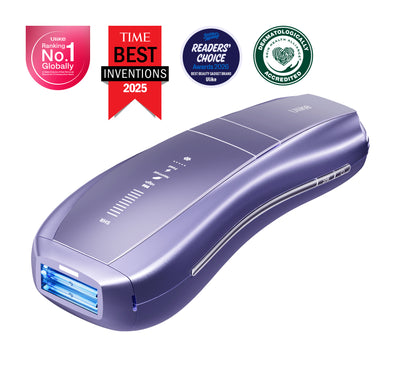
Ulike Air 10
2 weeks to silky smooth skin.
96% Hair Density Reduction in 2 Weeks
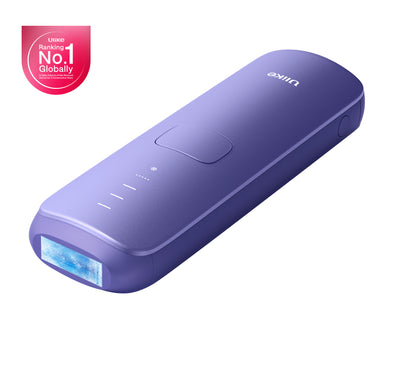
Ulike Air 3
3 weeks to silky smooth skin.
93% Hair Density Reduction in 4 Weeks
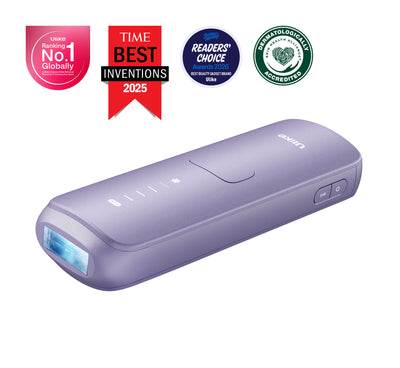
Ulike Air 4
4 weeks to silky smooth skin.
95.8% hair reduction in just 2 weeks*
Ulike Reglow
Clearer skin in 2 weeks: Fewer breakouts
Smoother skin in 4 weeks: Fewer lines, firmer feel