What Is the Downside of IPL? Honest Risks, Limits, and Real-World Tradeoffs
Depilación

What Is the Downside of IPL? Honest Risks, Limits, and Real-World Tradeoffs

IPL (intense pulsed light) is a hair reduction method that uses bright flashes of broad-spectrum light to heat the hair root so it grows back slower over time. If you picture a camera flash that’s been trained for hair follicles, you’re close. People usually search for the downside of IPL for one simple reason: IPL sits in the middle. It can be more convenient than waxing and less expensive than many clinic plans, but it still needs planning, patience, and smart safety habits. Whether you’re eyeing an at-home device or booking a clinic visit, it’s normal to want the full story before you commit. IPL can work really well for the right skin and hair match. It’s not a perfect fit for every skin tone, hair color, lifestyle, or budget. The main downsides tend to fall into three buckets: side effects and safety risks, weaker results for some people, and the time plus cost commitment that surprises first-time users. Downsides of IPL side effects and safety risks Most IPL reactions are mild and short-lived. The bigger issues usually show up when settings are too high, skin is recently tanned, the device is held in one spot too long, or aftercare gets skipped. Risk also depends on three practical factors: Device quality and safety testing: Better devices tend to have tighter energy control and more safety checks. User training: Clinics have trained operators; at home, you’re the operator. Skin type and recent sun exposure: Darker or tanned skin usually has a higher risk of heat-related side effects because there’s more pigment for light to interact with. A calm, common-sense safety routine helps a lot: Patch test first on a small spot, then wait at least 24 hours to see how your skin reacts. Follow the manual for intensity level, frequency, and allowed body areas. Avoid sun and tanning before and after sessions because tan raises burn and pigment-change risk. Use eye protection when your device recommends it, and never flash toward the eyes. Stop if blistering happens, or if pain feels sharp or worsening. For a step-by-step safety checklist, this guide is helpful: IPL hair removal safety guidelines. Common short term reactions like redness, swelling, and stinging Typical mild irritation after IPL, showing temporary redness around follicles, created with Ulike. Right after IPL, skin can look and feel like it had a little too much sun, even if you didn’t. These are the most common short-term reactions people report: Redness (pinkness) in the treated area Slight swelling around follicles (tiny bumps) Warmth or stinging during or after flashes Mild itchiness as the skin calms down For most people, these effects fade in a few hours to a couple of days, depending on sensitivity, body area, and settings. Why it happens: IPL aims at pigment (mainly in hair), and that light energy turns into heat. Even when used correctly, some heat spreads into nearby skin, which can trigger temporary irritation. Simple comfort tips (not medical, just practical): Cool compress for 5 to 10 minutes if the skin feels hot. Gentle moisturizer (think plain and fragrance-free) to help skin feel less tight. Skip hot showers, saunas, and hard workouts for about 24 hours if you’re feeling tender, heat can amplify redness. Don’t scrub the area, treat it like skin that’s a bit “overworked.” If you’re new to IPL technique, a clear walkthrough reduces mistakes: Beginner’s guide to IPL hair removal. Less common but serious risks like burns, blisters, pigment changes, and eye injury Most people never deal with serious problems, but they’re the reason IPL deserves respect. Here’s what can go wrong: Burns and blisters: Usually from too much energy, treating skin that’s tanned, or repeating flashes on the same spot. Blistering can lead to peeling, and if the skin barrier breaks, it can raise infection risk. Pigment changes: Some people get darker spots (hyperpigmentation) or lighter patches (hypopigmentation). These changes are more likely when skin is darker, recently tanned, or already irritated. Scarring: Scarring is uncommon, but it can happen if a burn is deep or if blisters are picked and infected. Eye injury: IPL flashes are bright enough to harm eyes if used near the eye area or if someone looks at the flash. This risk is one reason many at-home devices limit facial zones and recommend protective eyewear. Rare: paradoxical hair growth: In unusual cases, low or mismatched settings can trigger thicker growth in nearby areas (often reported in hormone-related patterns). It’s not common, but it’s real enough to mention. When to get medical help (keep it simple and prompt): Severe pain during treatment or pain that worsens after Blistering or open, weeping skin A spreading rash, intense swelling, or hives Signs of infection, like pus, increasing redness, fever, or warmth that keeps building One more practical point: brand quality and testing standards matter. Some manufacturers invest heavily in long-term R&D, safety certifications, and patent portfolios, which can translate into better energy consistency and safer user experience. For example, Ulike reports a large global patent count (over 1,000), a decade of IPL research, and multiple product safety certifications across markets. The brand also cites independent market research (Frost and Sullivan, based on 2023 sales volume and confirmed in an October 2024 study) placing it at the top of global IPL device sales volume. Those kinds of signals don’t remove risk, but they can reduce the odds of poorly controlled output and confusing instructions. IPL limitations that can lead to poor results or regrowth The most frustrating downside of IPL isn’t a sting. It’s doing everything “right” and still seeing patchy results. The main reason is simple: IPL relies on contrast. The light is drawn to pigment, so it’s more effective when there’s a clear difference between skin tone and hair color. That’s why a classic “best case” is lighter skin with dark hair. Also, IPL is typically described as hair reduction, not guaranteed permanent hair removal. Many people need maintenance sessions to keep results. It works best with dark hair on lighter skin, it struggles with blonde, red, gray, or fine hair Blonde, red, gray, and very fine hair often contains less melanin, so it doesn’t absorb enough light to heat the follicle effectively. That can mean slow progress, quick regrowth, or no visible change. Results can also vary by body area because hair cycles differ. Underarms and bikini areas often respond faster than forearms, and faces can be unpredictable due to hormones and mixed hair types. A quick fit check helps set expectations: You may be a good candidate You may get weak results Dark brown or black hair Blonde, red, gray, or white hair Clear contrast between hair and skin Very low contrast between hair and skin Willing to follow a schedule You know you’ll skip sessions often Can avoid sun/tanning periods You’re outdoors a lot or tan regularly If you want a broader overview of how IPL works and what it can do, this is a solid explainer: All you need to know about IPL hair removal. It takes many sessions and touch ups because hair grows in cycles Hair doesn’t grow all at once. It rotates through stages, and IPL works best when hair is in the active growth stage. That’s why you can’t “finish” IPL in one weekend, even with a strong device. A realistic pattern for many users looks like: Initial phase: often 6 to 12 sessions (commonly weekly or every two weeks, depending on the device and area) Maintenance phase: periodic touch-ups (often monthly or as regrowth shows up) The downside here is patience. Missed sessions don’t just delay results, they can make progress look uneven because different patches of hair are active at different times. There are also lifestyle limits that can feel annoying: Sun avoidance around treatment windows (sunburn and tan raise risk) Shaving required, because IPL works best on freshly shaved skin (light needs to travel to the root, not burn hair above the surface) Sensitive-skin product pauses for some people, if certain strong exfoliants or retinoid products make skin reactive (when in doubt, ask a clinician) Think of IPL like training a habit, not booking a one-time appointment. Consistency is the whole deal. Time, cost, and convenience downsides before you commit IPL sounds simple, and it can be, but the day-to-day reality matters. The biggest “hidden downside” is that IPL asks for a routine: shave, treat, soothe, protect from sun, repeat. This is also where clinic IPL and at-home IPL feel very different. Photo by Orhun Rüzgar ÖZ Hidden costs and friction points to plan for: Multiple sessions (either per-visit fees at a clinic or time spent at home) Replacement parts (some devices have limited flash counts or replacement cartridges) Shaving supplies and skin-soothing basics Time cost if technique is sloppy (re-treating areas because coverage was uneven) Technique matters at home. Treating too fast can miss spots, treating too slow can irritate skin. A simple decision guide can keep you from buying the wrong solution: Method Best for Common downside Shaving Quick, cheap, no planning Stubble fast, can irritate Waxing/sugaring Longer smooth time Pain, ingrowns, recurring cost IPL Gradual reduction at home Time, strict schedule, not for all hair/skin types Laser (clinic) Faster reduction for many Higher cost, still needs sessions Clinic treatments cost more per visit, at home devices cost less upfront but require consistency Clinics often charge per session and recommend a series. That can add up, especially for large areas like legs or full body. The upside is trained operation and stronger machines, which may mean faster results for many people. At-home IPL is usually a bigger one-time purchase, then ongoing use on your schedule. The tradeoff is time and self-discipline. If the device sits in a drawer for three weeks, results usually stall. A balanced way to choose: Pick clinic IPL if you want guidance, you’re nervous about settings, or you want the fastest progress you can reasonably get. Pick at-home IPL if you like routines, want privacy, and prefer spreading cost over time. If you’re still deciding whether home use is a good idea for you, this Q&A-style resource is a useful read: Common IPL safety concerns addressed. Some people should avoid IPL or talk to a doctor first IPL isn’t the right call for everyone. If any of these apply, it’s smart to check with a dermatologist or qualified clinician before you treat: Very dark skin or recently tanned skin, since pigment absorbs more light and raises burn risk Pregnancy, since many providers prefer to avoid elective light treatments during pregnancy (advice varies) History of keloid scarring or poor wound healing Active skin infections, open cuts, or strong irritation in the area Cold sores near the treatment area (especially around the mouth) Suspicious moles or changing spots, don’t treat over them without medical guidance Medications that increase light sensitivity, which can raise reaction risk If you’re unsure, treat that as a signal. Getting personal guidance can save your skin and your money. Conclusion The downside of IPL comes down to four realities: temporary irritation is common, rare burns and pigment changes can happen, results are weaker for certain skin and hair combos, and the process takes a real series of sessions plus maintenance. IPL works best when you treat it like a plan, not a quick fix. Before you start, keep your next steps simple: confirm you’re a good candidate, do a patch test, follow sun and aftercare rules, and choose clinic vs at-home based on your budget and how fast you want results. Done that way, IPL feels less like a gamble and more like a steady path to smoother skin.
15 ene 2026
Share:

Up to 40% Off
& Free Gifts

Learn More
Table of Contents

IPL (intense pulsed light) is a hair reduction method that uses bright flashes of broad-spectrum light to heat the hair root so it grows back slower over time. If you picture a camera flash that’s been trained for hair follicles, you’re close.

People usually search for the downside of IPL for one simple reason: IPL sits in the middle. It can be more convenient than waxing and less expensive than many clinic plans, but it still needs planning, patience, and smart safety habits. Whether you’re eyeing an at-home device or booking a clinic visit, it’s normal to want the full story before you commit.

IPL can work really well for the right skin and hair match. It’s not a perfect fit for every skin tone, hair color, lifestyle, or budget. The main downsides tend to fall into three buckets: side effects and safety risks, weaker results for some people, and the time plus cost commitment that surprises first-time users.

Downsides of IPL side effects and safety risks

Most IPL reactions are mild and short-lived. The bigger issues usually show up when settings are too high, skin is recently tanned, the device is held in one spot too long, or aftercare gets skipped.

Risk also depends on three practical factors:

  • Device quality and safety testing: Better devices tend to have tighter energy control and more safety checks.
  • User training: Clinics have trained operators; at home, you’re the operator.
  • Skin type and recent sun exposure: Darker or tanned skin usually has a higher risk of heat-related side effects because there’s more pigment for light to interact with.

A calm, common-sense safety routine helps a lot:

  • Patch test first on a small spot, then wait at least 24 hours to see how your skin reacts.
  • Follow the manual for intensity level, frequency, and allowed body areas.
  • Avoid sun and tanning before and after sessions because tan raises burn and pigment-change risk.
  • Use eye protection when your device recommends it, and never flash toward the eyes.
  • Stop if blistering happens, or if pain feels sharp or worsening.

For a step-by-step safety checklist, this guide is helpful: IPL hair removal safety guidelines.

Common short term reactions like redness, swelling, and stinging

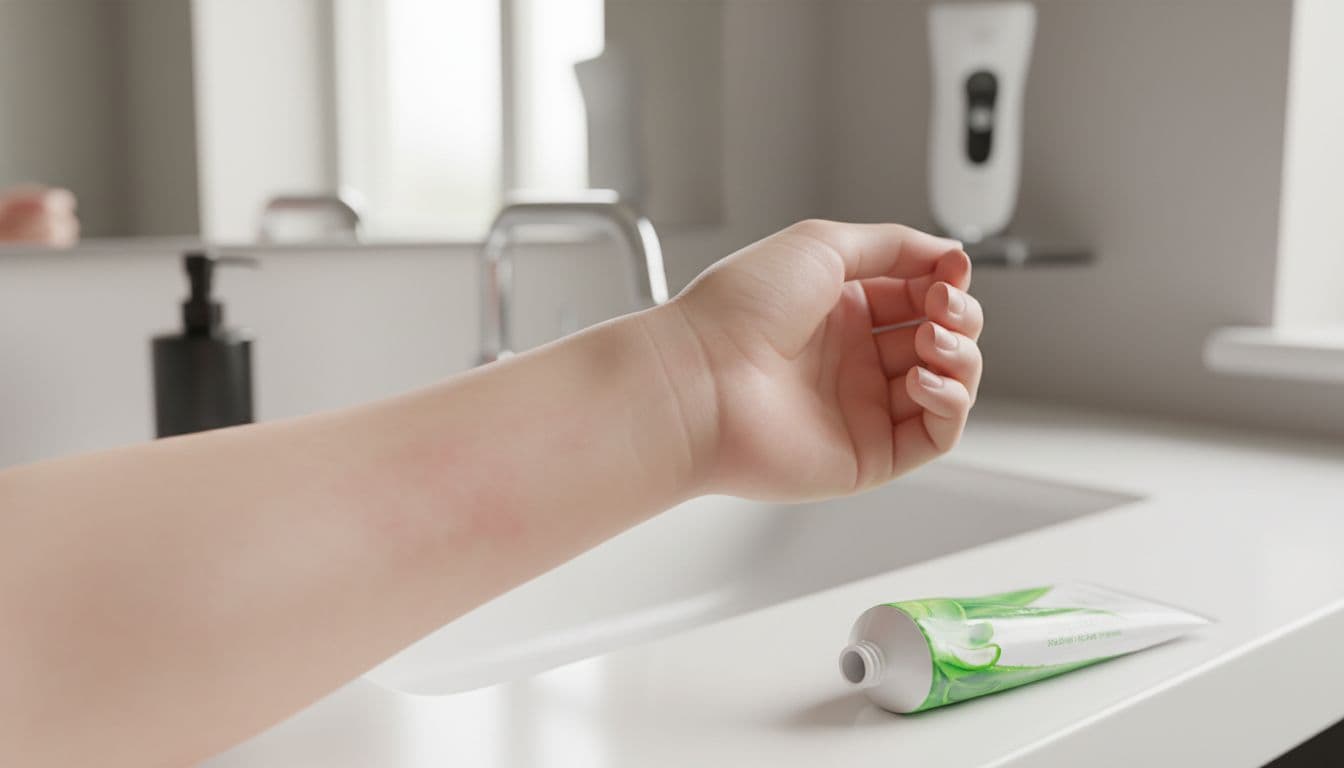
Photorealistic illustration of mild redness and slight swelling on fair arm skin post-IPL treatment, featuring pink patches around hair follicles, blurred bathroom background with IPL device and aloe vera gel for aftercare.
Typical mild irritation after IPL, showing temporary redness around follicles, created with Ulike.

Right after IPL, skin can look and feel like it had a little too much sun, even if you didn’t. These are the most common short-term reactions people report:

  • Redness (pinkness) in the treated area
  • Slight swelling around follicles (tiny bumps)
  • Warmth or stinging during or after flashes
  • Mild itchiness as the skin calms down

For most people, these effects fade in a few hours to a couple of days, depending on sensitivity, body area, and settings.

Why it happens: IPL aims at pigment (mainly in hair), and that light energy turns into heat. Even when used correctly, some heat spreads into nearby skin, which can trigger temporary irritation.

Simple comfort tips (not medical, just practical):

  • Cool compress for 5 to 10 minutes if the skin feels hot.
  • Gentle moisturizer (think plain and fragrance-free) to help skin feel less tight.
  • Skip hot showers, saunas, and hard workouts for about 24 hours if you’re feeling tender, heat can amplify redness.
  • Don’t scrub the area, treat it like skin that’s a bit “overworked.”

If you’re new to IPL technique, a clear walkthrough reduces mistakes: Beginner’s guide to IPL hair removal.

Less common but serious risks like burns, blisters, pigment changes, and eye injury

Most people never deal with serious problems, but they’re the reason IPL deserves respect.

Here’s what can go wrong:

Burns and blisters: Usually from too much energy, treating skin that’s tanned, or repeating flashes on the same spot. Blistering can lead to peeling, and if the skin barrier breaks, it can raise infection risk.

Pigment changes: Some people get darker spots (hyperpigmentation) or lighter patches (hypopigmentation). These changes are more likely when skin is darker, recently tanned, or already irritated.

Scarring: Scarring is uncommon, but it can happen if a burn is deep or if blisters are picked and infected.

Eye injury: IPL flashes are bright enough to harm eyes if used near the eye area or if someone looks at the flash. This risk is one reason many at-home devices limit facial zones and recommend protective eyewear.

Rare: paradoxical hair growth: In unusual cases, low or mismatched settings can trigger thicker growth in nearby areas (often reported in hormone-related patterns). It’s not common, but it’s real enough to mention.

When to get medical help (keep it simple and prompt):

  • Severe pain during treatment or pain that worsens after
  • Blistering or open, weeping skin
  • A spreading rash, intense swelling, or hives
  • Signs of infection, like pus, increasing redness, fever, or warmth that keeps building

One more practical point: brand quality and testing standards matter. Some manufacturers invest heavily in long-term R&D, safety certifications, and patent portfolios, which can translate into better energy consistency and safer user experience. For example, Ulike reports a large global patent count (over 1,000), a decade of IPL research, and multiple product safety certifications across markets. The brand also cites independent market research (Frost and Sullivan, based on 2023 sales volume and confirmed in an October 2024 study) placing it at the top of global IPL device sales volume. Those kinds of signals don’t remove risk, but they can reduce the odds of poorly controlled output and confusing instructions.

IPL limitations that can lead to poor results or regrowth

The most frustrating downside of IPL isn’t a sting. It’s doing everything “right” and still seeing patchy results.

The main reason is simple: IPL relies on contrast. The light is drawn to pigment, so it’s more effective when there’s a clear difference between skin tone and hair color. That’s why a classic “best case” is lighter skin with dark hair.

Also, IPL is typically described as hair reduction, not guaranteed permanent hair removal. Many people need maintenance sessions to keep results.

It works best with dark hair on lighter skin, it struggles with blonde, red, gray, or fine hair

Blonde, red, gray, and very fine hair often contains less melanin, so it doesn’t absorb enough light to heat the follicle effectively. That can mean slow progress, quick regrowth, or no visible change.

Results can also vary by body area because hair cycles differ. Underarms and bikini areas often respond faster than forearms, and faces can be unpredictable due to hormones and mixed hair types.

A quick fit check helps set expectations:

You may be a good candidate You may get weak results
Dark brown or black hair Blonde, red, gray, or white hair
Clear contrast between hair and skin Very low contrast between hair and skin
Willing to follow a schedule You know you’ll skip sessions often
Can avoid sun/tanning periods You’re outdoors a lot or tan regularly

If you want a broader overview of how IPL works and what it can do, this is a solid explainer: All you need to know about IPL hair removal.

It takes many sessions and touch ups because hair grows in cycles

Hair doesn’t grow all at once. It rotates through stages, and IPL works best when hair is in the active growth stage. That’s why you can’t “finish” IPL in one weekend, even with a strong device.

A realistic pattern for many users looks like:

  • Initial phase: often 6 to 12 sessions (commonly weekly or every two weeks, depending on the device and area)
  • Maintenance phase: periodic touch-ups (often monthly or as regrowth shows up)

The downside here is patience. Missed sessions don’t just delay results, they can make progress look uneven because different patches of hair are active at different times.

There are also lifestyle limits that can feel annoying:

  • Sun avoidance around treatment windows (sunburn and tan raise risk)
  • Shaving required, because IPL works best on freshly shaved skin (light needs to travel to the root, not burn hair above the surface)
  • Sensitive-skin product pauses for some people, if certain strong exfoliants or retinoid products make skin reactive (when in doubt, ask a clinician)

Think of IPL like training a habit, not booking a one-time appointment. Consistency is the whole deal.

Time, cost, and convenience downsides before you commit

IPL sounds simple, and it can be, but the day-to-day reality matters. The biggest “hidden downside” is that IPL asks for a routine: shave, treat, soothe, protect from sun, repeat.

This is also where clinic IPL and at-home IPL feel very different.

Professional IPL treatment for hair removal performed on an arm in a clinic setting.
Photo by Orhun Rüzgar ÖZ

Hidden costs and friction points to plan for:

  • Multiple sessions (either per-visit fees at a clinic or time spent at home)
  • Replacement parts (some devices have limited flash counts or replacement cartridges)
  • Shaving supplies and skin-soothing basics
  • Time cost if technique is sloppy (re-treating areas because coverage was uneven)

Technique matters at home. Treating too fast can miss spots, treating too slow can irritate skin.

A simple decision guide can keep you from buying the wrong solution:

Method Best for Common downside
Shaving Quick, cheap, no planning Stubble fast, can irritate
Waxing/sugaring Longer smooth time Pain, ingrowns, recurring cost
IPL Gradual reduction at home Time, strict schedule, not for all hair/skin types
Laser (clinic) Faster reduction for many Higher cost, still needs sessions

Clinic treatments cost more per visit, at home devices cost less upfront but require consistency

Clinics often charge per session and recommend a series. That can add up, especially for large areas like legs or full body. The upside is trained operation and stronger machines, which may mean faster results for many people.

At-home IPL is usually a bigger one-time purchase, then ongoing use on your schedule. The tradeoff is time and self-discipline. If the device sits in a drawer for three weeks, results usually stall.

A balanced way to choose:

  • Pick clinic IPL if you want guidance, you’re nervous about settings, or you want the fastest progress you can reasonably get.
  • Pick at-home IPL if you like routines, want privacy, and prefer spreading cost over time.

If you’re still deciding whether home use is a good idea for you, this Q&A-style resource is a useful read: Common IPL safety concerns addressed.

Some people should avoid IPL or talk to a doctor first

IPL isn’t the right call for everyone. If any of these apply, it’s smart to check with a dermatologist or qualified clinician before you treat:

  • Very dark skin or recently tanned skin, since pigment absorbs more light and raises burn risk
  • Pregnancy, since many providers prefer to avoid elective light treatments during pregnancy (advice varies)
  • History of keloid scarring or poor wound healing
  • Active skin infections, open cuts, or strong irritation in the area
  • Cold sores near the treatment area (especially around the mouth)
  • Suspicious moles or changing spots, don’t treat over them without medical guidance
  • Medications that increase light sensitivity, which can raise reaction risk

If you’re unsure, treat that as a signal. Getting personal guidance can save your skin and your money.

Conclusion

The downside of IPL comes down to four realities: temporary irritation is common, rare burns and pigment changes can happen, results are weaker for certain skin and hair combos, and the process takes a real series of sessions plus maintenance. IPL works best when you treat it like a plan, not a quick fix.

Before you start, keep your next steps simple: confirm you’re a good candidate, do a patch test, follow sun and aftercare rules, and choose clinic vs at-home based on your budget and how fast you want results. Done that way, IPL feels less like a gamble and more like a steady path to smoother skin.

Anterior
What Skin Type Is Best for IPL Hair Removal Devices?
Siguiente
What Is the Downside of Laser Hair Removal? Real Risks, Real Limits, and How to Lower Them
Share:
What Is the Downside of IPL? Honest Risks, Limits, and Real-World Tradeoffs

What Is the Downside of IPL? Honest Risks, Limits, and Real-World Tradeoffs

IPL (intense pulsed light) is a hair reduction method that uses bright flashes of broad-spectrum ...
15 ene 2026
What Skin Type Is Best for IPL Hair Removal Devices?

What Skin Type Is Best for IPL Hair Removal Devices?

Tired of shaving on the regular just to have stubble return with a vengeance? You're not alone. M...
15 ene 2026
The 10 Best Laser Devices for Men’s Body Hair Removal at Home

Los 10 mejores dispositivos láser para la depilación corporal masculina en casa

La depilación no es solo para mujeres. Algunos hombres prefieren no tener vello no deseado en la...
24 nov 2025

Need guidance?

Get a free one-on-one consultation

TALK TO AN EXPERT

Explore Beauty

Ulike Air 10

2 weeks to silky smooth skin.

96% Hair Density Reduction in 2 Weeks
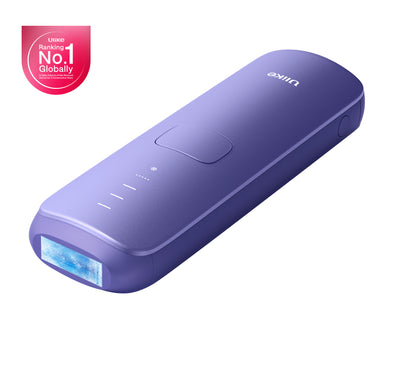
Ulike Air 3

3 weeks to silky smooth skin.

93% Hair Density Reduction in 4 Weeks
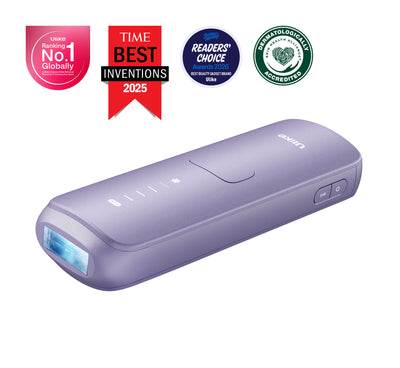
Ulike X

3 weeks to silky smooth skin.

94% hair reduction in just 2 weeks*

Ulike Reglow LED face mask red light therapy device

Ulike Reglow

Clearer skin in 2 weeks: Fewer breakouts
Smoother skin in 4 weeks: Fewer lines, firmer feel

Deja un comentario

Todos los comentarios son moderados antes de ser publicados.

Este sitio está protegido por hCaptcha y se aplican la Política de privacidad de hCaptcha y los Términos del servicio.

Back to top