 Ulike ReGlow Pro★ 5.0 (511)




-
Rigid masks offer consistent LED spacing but can create pressure points.
-
Flexible silicone masks adapt better to face shape but depend on LED density.
-
Reflective/mirror technology can improve coverage regardless of base material.
-
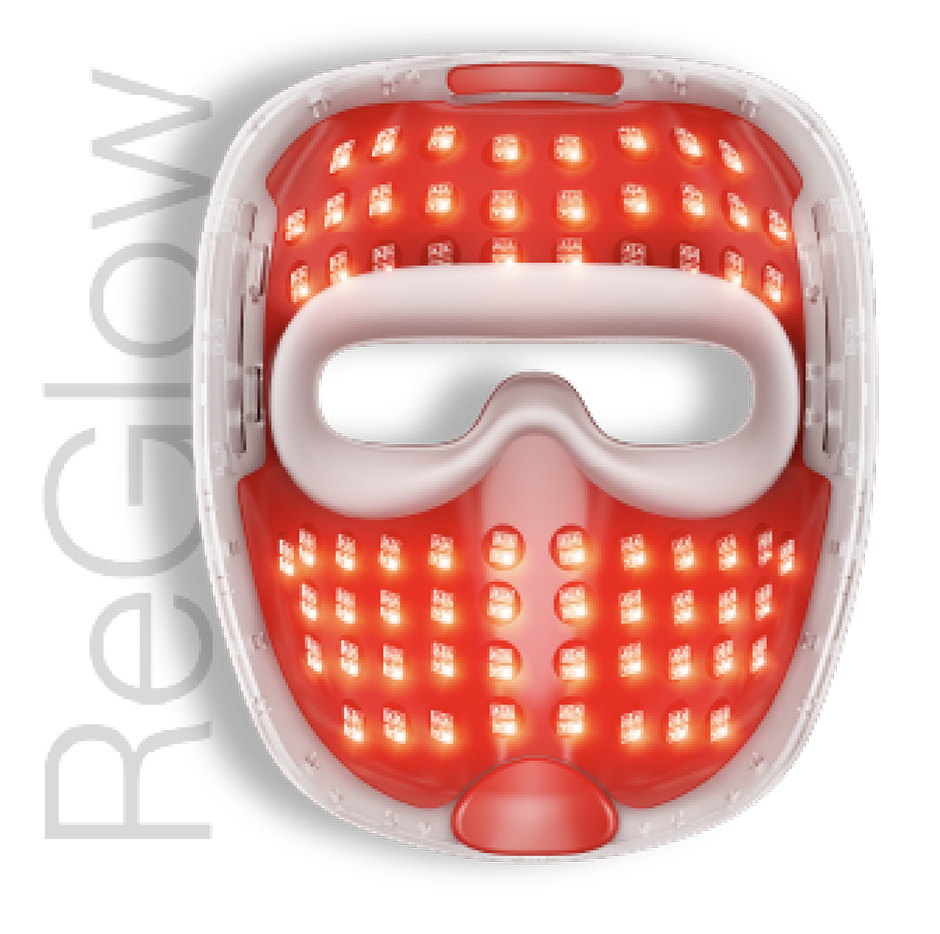
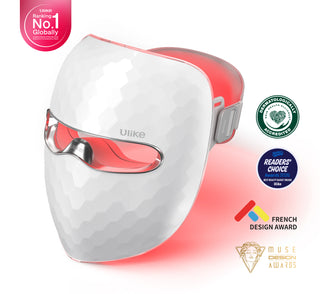
ReGlow combines a 3D ergonomic fit with 360° mirror reflection technology.
Before you even get to wavelengths or modes, LED masks split into two very different physical categories: rigid, hard-shell designs and flexible, silicone-based ones. WebMD's overview of LED light therapy covers the range of formats these devices take, from masks to panels to wands — but format alone isn't a minor detail, since it affects comfort, fit, and even how evenly light reaches your skin.
Comfort might sound like a secondary concern compared to wavelength science, but in practice it's one of the biggest predictors of whether someone actually sticks with a routine long enough to see results. A device that pinches, presses, or feels awkward to wear for even five minutes is a device that quietly gets used less often over time.

Table of Contents:
- Part 1: Rigid, Hard-Shell LED Masks
- Part 2: Flexible Silicone LED Masks
- Part 3: Why Coverage Matters More Than Material Alone
- Part 4: What to Physically Test Before Committing
- Part 5: Straps, Closures, and Cleaning
- Part 6: Weighing Comfort Against Other Priorities
- Part 7: How Reviewers Describe Fit and Comfort in Practice
- Part 8: How Ulike ReGlow's Hybrid Design Addresses Both Problems
- Part 9: Conclusion
- Part 10: Frequently Asked Questions
Part 1: Rigid, Hard-Shell LED Masks
What You Gain and Lose
Rigid masks, often made from hard plastic, tend to hold their shape well and can offer very consistent LED spacing since the structure doesn't flex or shift. The tradeoff is fit: hard-shell designs don't adapt to individual face shapes, which can mean pressure points around the nose, cheekbones, or jawline, especially during longer sessions. Reviewers frequently cite debates centering on exactly this — good technical consistency, but a less comfortable physical experience, particularly for people with smaller or larger-than-average face shapes. Because a rigid shell can't flex to individual bone structure, the same mask that fits one face comfortably may press uncomfortably on another, which makes reviews from people with a similar face shape genuinely useful when comparing rigid options.
Part 2: Flexible Silicone LED Masks
What You Gain and Lose
Silicone LED mask benefits center on adaptability — the material flexes to fit a wider range of face shapes more comfortably, reducing pressure points and making longer sessions more tolerable. The challenge with flexible designs is ensuring the LEDs stay properly spaced and oriented toward the skin even as the material bends, since inconsistent contact can lead to uneven light exposure across different areas of the face. A poorly engineered flexible mask can end up worse than a rigid one on this front — flexibility only helps if the LED layout underneath is built to accommodate it, rather than simply relying on a soft material and hoping the light lands evenly.
Part 3: Why Coverage Matters More Than Material Alone
Regardless of material, LED mask light leakage and uneven distribution are two of the most common complaints across both categories. Cleveland Clinic notes that with LED masks and other portable devices, results depend heavily on consistent, even exposure, which is exactly why a mask that fits your face shape poorly — whether rigid or flexible — leaves gaps where light doesn't reach the skin effectively, undermining the entire treatment.
- Rigid masks: consistent LED spacing, but can create pressure points on some face shapes.
- Flexible silicone masks: better shape adaptability, but requires quality engineering to maintain even LED contact.
- Reflective or mirror technology: can improve light distribution regardless of base material.
- Eye protection design: check for a comfortable, well-fitted eye covering in either style.
Part 4: What to Physically Test Before Committing
If possible, try a mask on (even in-store or via a friend's device) before committing to a purchase, paying attention to pressure around the bridge of your nose, whether the straps sit comfortably without digging in, and whether the eye covering blocks light without feeling too tight. The American Academy of Dermatology points out that at-home devices vary widely in design and intensity compared with in-office equipment, which is one more reason fit and comfort deserve real scrutiny before you commit to a specific mask. If an in-person test isn't possible, prioritize brands with a generous trial or return period so an uncomfortable fit doesn't become a permanent, expensive mistake. Reading reviews specifically from people who describe a similar face shape to your own — narrow, broad, angular, rounded — tends to be far more predictive of your own comfort than a mask's average star rating, since comfort complaints are rarely evenly distributed across every face shape.
Part 5: Straps, Closures, and Cleaning
How Straps Affect Comfort
Beyond the core material, strap design plays a bigger role in comfort than many expect. Thin, non-adjustable elastic straps can dig in during longer sessions, while wider, contoured, and fully adjustable straps distribute pressure more evenly around the head. Look for straps that adjust independently, rather than a single fixed loop, so you can fine-tune the fit around your specific head shape and hair volume, which varies significantly from person to person and can meaningfully affect how comfortable even a well-designed mask feels in practice.
Cleaning and Maintenance Differences
Silicone surfaces are generally easy to wipe down and less prone to trapping residue in seams, while rigid plastic masks with more complex surface geometry can be slightly more difficult to clean thoroughly around LED housings. Regardless of material, regularly wiping your mask down with a gentle, alcohol-free cleaning cloth after each session helps maintain both hygiene and the longevity of the device's components.
Part 6: Weighing Comfort Against Other Priorities
In an ideal world, a device would offer perfect comfort, maximum coverage, top-tier wavelength precision, and an affordable price all at once — but in practice, most purchasing decisions involve some tradeoffs. If comfort is your top priority because you know discomfort will genuinely reduce how consistently you use a device, it's reasonable to weight that factor more heavily than a marginal difference in LED count or price. Conversely, if you're the type of person who will push through minor discomfort without it affecting your consistency, you might reasonably prioritize coverage technology or price instead. There's no universally correct hierarchy of priorities here — the right answer depends on being honest with yourself about which factors will actually affect your real-world, long-term usage habits, and applying that honest self-assessment consistently tends to produce a much better final purchasing decision than trying to optimize for every single factor simultaneously.
Considering Your Hair and Makeup Routine
For people with longer hair or specific hairstyles, mask design can also interact with your broader beauty routine in ways worth considering — some designs are easier to use without disturbing a fresh blowout or updo than others. If this is a practical concern for you, look at product photos and reviews specifically for mentions of how the mask sits around the hairline and ears before purchasing.
Part 7: How Reviewers Describe Fit and Comfort in Practice
Real customer feedback on hybrid designs often echoes this discussion directly. Reviewers commonly praise adjustable strap systems for being easy to "fit once and forget it," while also candidly noting that some initial adjustment around the nose bridge was needed before finding the ideal fit — a reasonable, honest expectation for any ergonomic mask design regardless of brand. This sort of balanced, specific feedback is more useful for setting realistic expectations than either uniformly glowing or uniformly negative reviews would be.
Part 8: How Ulike ReGlow's Hybrid Design Addresses Both Problems
Rather than forcing a choice between rigid consistency and silicone comfort, Ulike ReGlow Led Mask takes a hybrid approach that's worth understanding in the context of everything above:
- 3D ergonomic fit— adjustable, contoured straps and soft cushioning distribute pressure evenly instead of concentrating it around the nose or cheekbones.
- Built-in silicone eye seal— blocks glare and keeps sessions comfortable without a harsh, glaring sensation.
- 360° Mirror Reflection Technology— a reflective interior that boosts light irradiance by 77.4% compared with direct exposure alone, so light reaches contours a flat panel would miss.
- A precisely engineered 1cm gap— keeps LEDs close enough for even light distribution while avoiding excess heat or skin contact issues.
If comfort and full-face coverage are top priorities for you, this combination of ergonomic fit and reflective technology is exactly the kind of pairing worth comparing against any other mask you're considering. If you'd like to compare modes and specs side by side, the rest of Ulike's LED Light Therapy Devices collection is worth a look.

Part 9: Conclusion
Material alone doesn't determine comfort or effectiveness — even light distribution matters just as much as physical fit. Looking for a device that combines ergonomic design with reflective technology addresses both factors at once rather than forcing a tradeoff between the two. Ultimately, the right choice between rigid and flexible designs comes down to your own face shape and how your skin responds to sustained contact, which is exactly why trying a device, or reading reviews from people with a similar face shape, matters more than assuming one material category is universally superior.
Part 10: Frequently Asked Questions
Q1: Are silicone LED masks better than rigid ones?
Silicone masks generally offer better comfort and adaptability to different face shapes, while rigid masks can offer more consistent LED spacing. Coverage technology and overall engineering matter as much as material choice.
Q2: Why does my LED mask feel uncomfortable?
Discomfort often comes down to poor fit for your specific face shape, pressure points from rigid materials, or an eye covering that doesn't sit properly. Look for a mask with an ergonomic, adjustable design.
Q3: Does mask material affect how well the light works?
Material alone doesn't determine effectiveness — even light distribution across the whole face matters more, which is why reflective technology can help regardless of whether the base material is rigid or flexible.
Q4: What should I look for in a comfortable LED mask?
Look for an ergonomic design that adapts to different face shapes, a comfortable eye covering, adjustable straps, and technology designed to maintain even light distribution.
Q5: How can I test comfort before buying an LED mask?
Try the device in person if possible, checking pressure points and strap fit, or prioritize a brand with a generous trial or return period so you can evaluate comfort risk-free.