

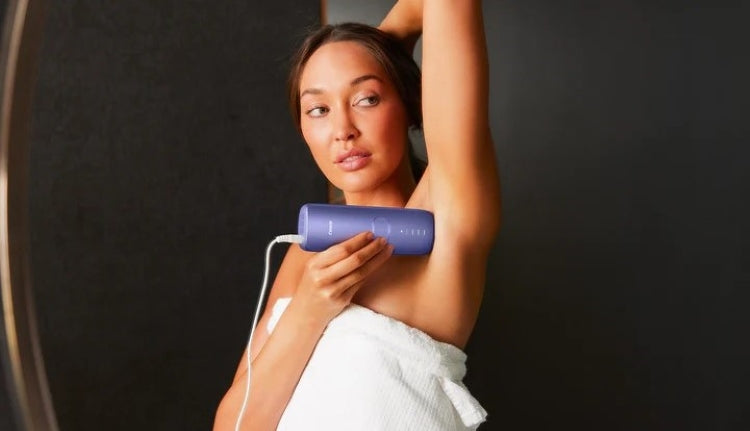
Are There Any Dangers With IPL?
Hair Removal

Are There Any Dangers With IPL?

Yes, there can be dangers with IPL (intense pulsed light), but most people don’t run into serious problems when they use the right device, match it to their skin and hair, and follow basic safety steps. Think of IPL like a strong exfoliating acid. Used correctly, it can be a helpful tool. Used on the wrong skin, at the wrong time, or with sloppy technique, it can irritate or injure skin. This guide breaks down what the real risks look like (burns, pigment changes, eye injury), who should skip IPL, how to use IPL safely at home, and what to do if something feels off. You’ll also learn when hair usually sheds after IPL, and what alternatives make sense if IPL isn’t a fit. The real risks of IPL, and what they look like on skin IPL isn’t “dangerous” in the way people sometimes fear, but it’s not risk-free either. IPL sends bright pulses of light into the skin. That light is meant to be absorbed by pigment in the hair, then turned into heat that weakens the follicle. When the wrong things absorb the light (like tanned skin, a tattoo, or a dark mole), heat can build where you don’t want it. The good news: most side effects are short-lived. Mild redness, warmth, or a slightly puffy “goosebump” look around follicles can show up after a session, and often fades the same day. The bigger problems tend to come from a handful of mistakes: Using too high a level too soon Flashing the same spot multiple times (overlapping passes) Treating recently tanned skin (outdoors or self-tanner) Treating areas with concentrated pigment (tattoos, very dark moles) Treating broken, infected, or inflamed skin Modern at-home devices often add safeguards like full-skin-contact sensors and cooling features to reduce overheating, but user error is still the top reason home IPL “goes wrong.” For a deeper list of what you might feel and how to lower risk, this guide is useful: IPL hair removal side effects you need to know. Common side effects that are normal (and when they are not) A normal IPL session usually feels like quick warmth or a light rubber-band snap. Afterward, “normal” reactions often look boring and mild, which is exactly what you want. Typical, expected reactions include: Brief redness (a pink flush) Warmth that fades within hours Mild swelling around follicles (tiny bumps) Slight stinging that settles quickly Now the part people miss: pain that ramps up after treatment is a red flag. Stop and reassess if you notice any of the following: Strong burning during the flash (not just heat) Blistering or crusting Severe swelling A rash that spreads beyond the treated area Increasing pain in the hours after treatment Any sign of infection (pus, worsening redness, fever) If something feels “too hot to be right,” it usually is. IPL should be uncomfortable at times, but it shouldn’t feel like you’re being cooked. Less common issues: burns, blisters, and dark or light spots Burns and blisters can happen when the skin absorbs too much light energy. The common triggers are predictable: a high intensity level, repeated flashes over the same patch, treating skin that’s been in the sun, or trying to “make up” for missed sessions by over-treating. Pigment changes are another real concern. You might see: Hyperpigmentation (darker patches) Hypopigmentation (lighter patches) These changes are more likely if you have deeper skin tones, you’re prone to discoloration, or you treated skin that was recently tanned. Color changes can fade over weeks, but sometimes they last longer. Scarring is uncommon, but it can happen after deeper burns, or if blisters are picked and get infected. As of 2026, safety data and user trials for home IPL still point to the same pattern: serious problems are not common, but they’re more likely when instructions aren’t followed and when skin tone or tanning status is mismatched. Who should not do IPL, or should talk to a doctor first IPL isn’t for everyone, and that’s not a failure on your part. It’s just physics. IPL works best when hair is darker than the surrounding skin because it targets pigment in the hair. Here’s a clear “pause and check first” list. Skip IPL or get medical guidance if any apply: You have very deep skin tones, or your device doesn’t list your tone as compatible You have a current tan, sunburn, or you use self-tanner You’re pregnant or breastfeeding (many providers advise avoiding elective light treatments during this time) You take medications that increase light sensitivity (photosensitizing meds) You use strong topicals like prescription retinoids, or you’ve recently used peels on the area You have active skin infection, open wounds, severe eczema, psoriasis flare, or cold sores in the area You have a history of skin cancer, or you have a suspicious spot that hasn’t been checked The area has tattoos, very dark moles, or dense freckles you can’t avoid treating around Ulike also covers this topic in a more detailed way here: Who should avoid IPL hair removal. Skin and hair types that raise the risk The simplest rule: contrast matters. Dark hair on lighter skin usually responds best. Very light hair (blonde, red, gray, white) often doesn’t respond well because there isn’t enough pigment in the hair to absorb the light. A sneaky danger with light hair is frustration. When you don’t see results, it’s tempting to turn the intensity up or treat too often. That can irritate skin without improving outcomes. Darker skin tones (or recently tanned skin) carry more melanin in the skin itself. That melanin can absorb IPL energy and heat up, which raises the risk of burns or discoloration. If this applies to you, read: Dark skin IPL hair removal risks and guidelines. Health situations and areas to skip Some situations need extra caution because they change how skin reacts: Pregnancy or breastfeeding (hormones can make skin more reactive) Epilepsy triggered by flashing light Recent sunburn or ongoing irritation Use of light-sensitizing meds, or strong topical acids/retinoids on the area Some zones should be avoided unless the device and instructions clearly say otherwise. Never treat the eyelids or right around the eyes. Also be careful with nipples, genitals, and the anus. Even if a brand shows bikini-line use, the safest approach is to stay on outer areas only and keep distance from mucous membranes. Can IPL “go wrong”? How to use it safely at home IPL can go wrong, but “going wrong” usually looks like one of three things: you used the wrong level, you treated skin that shouldn’t be treated (tan, tattoo, active rash), or you treated too often. At-home safety comes down to repeatable habits, not bravery. Many devices include safety design features like skin-contact sensors and cooling. Some brands also point to safety testing and certifications. For example, Ulike highlights a large patent portfolio (over 1,000 granted patents) and multiple safety certifications across markets, plus policies like a 2-year warranty and a 100-day money-back window. That kind of quality focus helps, but your technique still matters most. If you’re tempted to treat daily to speed things up, don’t. More flashes don’t equal faster results, they usually equal irritation. This is a helpful reference: Frequency guidelines for at-home IPL. The safety checklist that prevents most problems Use this sequence every time. It keeps sessions simple and prevents the most common mistakes. Shave the area (don’t wax or pluck). Clean and fully dry the skin. Patch test a small spot, then wait 24 hours. Start on a lower intensity, move up only if it feels fine. Keep full contact with the skin (don’t hover). Treat in neat rows, avoid double-flashing the same spot. Wear eye protection, and don’t treat near the eyes. Stop if it feels like burning, not just warmth. Aftercare matters too. For about 24 to 48 hours: Use a cool compress if you feel heat Apply a fragrance-free moisturizer Skip hot showers, saunas, and heavy exercise heat Avoid exfoliants, scrubs, retinoids, and strong acids on the area Use SPF daily, and avoid direct sun on treated skin For a more complete routine, see: Post-IPL treatment care tips. Will IPL damage skin or nerves? What the evidence suggests Two common fears are worth answering clearly: Will IPL damage skin? And can IPL cause nerve damage? Surface skin irritation is possible, and burns can happen if you misuse the device or treat the wrong skin. Deep nerve damage is not what IPL is designed to do. IPL targets pigment in hair at skin level. When used correctly, it’s not expected to reach deep enough to injure nerves. The bigger realistic risks are surface skin injury (burns or pigment changes) and eye injury if you look at flashes or treat too close to the eyes without protection. If you want the simple “why it works” explanation, this is a good overview: How Ulike IPL technology works. Get medical advice if you have severe pain, blisters, vision symptoms, or color changes that worsen instead of fading. Results, timing, and what to do if you have a bad reaction One reason people push settings too hard is impatience. IPL is a process. You’re targeting hair in growth phases, so not every follicle responds at once. As of 2026, at-home IPL guidance and studies still support a familiar pattern: results build with consistent sessions, and serious side effects are most often linked to overtreatment, tanning, or wrong settings. A good plan beats an aggressive plan. Here’s something many people say they “wish they knew before laser hair removal” (and it applies to IPL too): the goal isn’t to feel pain, it’s to follow a schedule. If it hurts, that doesn’t mean it’s working better, it can mean you’re irritating skin. When do hairs fall out after IPL, and what is normal shedding? A common worry is, “The hair looks like it’s still growing, did it fail?” Often, it didn’t fail. Treated hair can look unchanged for a bit, then starts to loosen. In many people, shedding happens over about 1 to 2 weeks, and sometimes closer to 3 weeks depending on the area and your growth cycle. Shedding can look like stubble that slides out during a shower or gentle rub with a washcloth. Don’t yank or pick at it. Patchy early results are normal. Hair grows in cycles, so you need multiple sessions to catch more hairs in the right phase. Stick to the schedule your device recommends, and judge progress over weeks, not days. If you get burned or blistered: what to do next If you think you burned yourself, stop treatments right away. Don’t “test it again” the next day. Basic first steps that are usually safe: Cool the area with a cool compress (not ice directly on skin) Keep the area clean and dry Don’t pop blisters or pick crusts Use a simple, gentle moisturizer Keep the area out of the sun, use SPF if it’s exposed Get medical care if you notice: Large blisters or severe swelling Redness that spreads or gets hot and painful Pus, fever, or signs of infection Eye symptoms (pain, vision changes, extreme light sensitivity) Pigment changes that worsen over time Also contact the device maker. Many brands offer support channels, and some offer warranties and return windows that can help if you suspect a device issue. What is the healthiest hair removal method, and alternatives to IPL There isn’t one “healthiest” method for everyone. The healthiest option is the one that removes hair while keeping your skin calm and fitting your medical needs. A quick, practical comparison: Method Why people like it Common downsides Shaving Low skin risk, fast, cheap Frequent upkeep, razor bumps Depilatory creams No pulling hair, smooth feel Can cause irritation or chemical burns Waxing or sugaring Longer smooth time Pain, ingrowns, risk of skin lifting (higher with retinoids) Epilator Longer-lasting than shaving Can irritate and trigger ingrowns Professional laser Faster progress for many, supervised settings Higher cost, still has light-based risks Electrolysis Permanent for all skin and hair types Slow, can be uncomfortable, takes many visits Professional care can be the safer route for facial treatments, complex skin tones, or medical conditions, because settings and technique are controlled by trained staff. If IPL is not for you, these options may fit better Shaving: Best if your skin tolerates razors and you want the lowest risk. Use a sharp blade and a simple shave gel. Depilatory cream: Best if you can tolerate it. Patch test first, and don’t use it right before or after any light treatment. Waxing or sugaring: Best if you want weeks of smooth skin and don’t get many ingrowns. Avoid if you use strong retinoids on that area. Professional laser: Best if you want a clinic to set parameters and monitor skin response. It can still burn skin, but trained settings and cooling can lower risk. Electrolysis: Best if you want permanent removal and your hair color makes IPL a poor match. Conclusion IPL is widely used and usually safe when used correctly, but the dangers are real when you treat the wrong skin, choose the wrong level, or ignore aftercare. Most reactions are mild and fade fast, serious issues usually track back to tanning or overtreatment. Eye protection and sun avoidance aren’t optional, and some people should skip IPL entirely. Good alternatives exist, from shaving to electrolysis. Patch test first, follow your device schedule, and talk with a clinician if you’re unsure about your skin, medications, or any reaction that doesn’t improve.
Jan 19, 2026
Share:

Up to 40% Off
& Free Gifts

Learn More
Table of Contents

Yes, there can be dangers with IPL (intense pulsed light), but most people don’t run into serious problems when they use the right device, match it to their skin and hair, and follow basic safety steps.

Think of IPL like a strong exfoliating acid. Used correctly, it can be a helpful tool. Used on the wrong skin, at the wrong time, or with sloppy technique, it can irritate or injure skin. This guide breaks down what the real risks look like (burns, pigment changes, eye injury), who should skip IPL, how to use IPL safely at home, and what to do if something feels off. You’ll also learn when hair usually sheds after IPL, and what alternatives make sense if IPL isn’t a fit.

The real risks of IPL, and what they look like on skin

IPL isn’t “dangerous” in the way people sometimes fear, but it’s not risk-free either. IPL sends bright pulses of light into the skin. That light is meant to be absorbed by pigment in the hair, then turned into heat that weakens the follicle. When the wrong things absorb the light (like tanned skin, a tattoo, or a dark mole), heat can build where you don’t want it.

The good news: most side effects are short-lived. Mild redness, warmth, or a slightly puffy “goosebump” look around follicles can show up after a session, and often fades the same day.

The bigger problems tend to come from a handful of mistakes:

  • Using too high a level too soon
  • Flashing the same spot multiple times (overlapping passes)
  • Treating recently tanned skin (outdoors or self-tanner)
  • Treating areas with concentrated pigment (tattoos, very dark moles)
  • Treating broken, infected, or inflamed skin

Modern at-home devices often add safeguards like full-skin-contact sensors and cooling features to reduce overheating, but user error is still the top reason home IPL “goes wrong.” For a deeper list of what you might feel and how to lower risk, this guide is useful: IPL hair removal side effects you need to know.

Common side effects that are normal (and when they are not)

A normal IPL session usually feels like quick warmth or a light rubber-band snap. Afterward, “normal” reactions often look boring and mild, which is exactly what you want.

Typical, expected reactions include:

  • Brief redness (a pink flush)
  • Warmth that fades within hours
  • Mild swelling around follicles (tiny bumps)
  • Slight stinging that settles quickly

Now the part people miss: pain that ramps up after treatment is a red flag. Stop and reassess if you notice any of the following:

  • Strong burning during the flash (not just heat)
  • Blistering or crusting
  • Severe swelling
  • A rash that spreads beyond the treated area
  • Increasing pain in the hours after treatment
  • Any sign of infection (pus, worsening redness, fever)

If something feels “too hot to be right,” it usually is. IPL should be uncomfortable at times, but it shouldn’t feel like you’re being cooked.

Less common issues: burns, blisters, and dark or light spots

Burns and blisters can happen when the skin absorbs too much light energy. The common triggers are predictable: a high intensity level, repeated flashes over the same patch, treating skin that’s been in the sun, or trying to “make up” for missed sessions by over-treating.

Pigment changes are another real concern. You might see:

  • Hyperpigmentation (darker patches)
  • Hypopigmentation (lighter patches)

These changes are more likely if you have deeper skin tones, you’re prone to discoloration, or you treated skin that was recently tanned. Color changes can fade over weeks, but sometimes they last longer. Scarring is uncommon, but it can happen after deeper burns, or if blisters are picked and get infected.

As of 2026, safety data and user trials for home IPL still point to the same pattern: serious problems are not common, but they’re more likely when instructions aren’t followed and when skin tone or tanning status is mismatched.

Who should not do IPL, or should talk to a doctor first

IPL isn’t for everyone, and that’s not a failure on your part. It’s just physics. IPL works best when hair is darker than the surrounding skin because it targets pigment in the hair.

Here’s a clear “pause and check first” list. Skip IPL or get medical guidance if any apply:

  • You have very deep skin tones, or your device doesn’t list your tone as compatible
  • You have a current tan, sunburn, or you use self-tanner
  • You’re pregnant or breastfeeding (many providers advise avoiding elective light treatments during this time)
  • You take medications that increase light sensitivity (photosensitizing meds)
  • You use strong topicals like prescription retinoids, or you’ve recently used peels on the area
  • You have active skin infection, open wounds, severe eczema, psoriasis flare, or cold sores in the area
  • You have a history of skin cancer, or you have a suspicious spot that hasn’t been checked
  • The area has tattoos, very dark moles, or dense freckles you can’t avoid treating around

Ulike also covers this topic in a more detailed way here: Who should avoid IPL hair removal.

Skin and hair types that raise the risk

The simplest rule: contrast matters.

  • Dark hair on lighter skin usually responds best.
  • Very light hair (blonde, red, gray, white) often doesn’t respond well because there isn’t enough pigment in the hair to absorb the light.

A sneaky danger with light hair is frustration. When you don’t see results, it’s tempting to turn the intensity up or treat too often. That can irritate skin without improving outcomes.

Darker skin tones (or recently tanned skin) carry more melanin in the skin itself. That melanin can absorb IPL energy and heat up, which raises the risk of burns or discoloration. If this applies to you, read: Dark skin IPL hair removal risks and guidelines.

Health situations and areas to skip

Some situations need extra caution because they change how skin reacts:

  • Pregnancy or breastfeeding (hormones can make skin more reactive)
  • Epilepsy triggered by flashing light
  • Recent sunburn or ongoing irritation
  • Use of light-sensitizing meds, or strong topical acids/retinoids on the area

Some zones should be avoided unless the device and instructions clearly say otherwise. Never treat the eyelids or right around the eyes. Also be careful with nipples, genitals, and the anus. Even if a brand shows bikini-line use, the safest approach is to stay on outer areas only and keep distance from mucous membranes.

Can IPL “go wrong”? How to use it safely at home

IPL can go wrong, but “going wrong” usually looks like one of three things: you used the wrong level, you treated skin that shouldn’t be treated (tan, tattoo, active rash), or you treated too often.

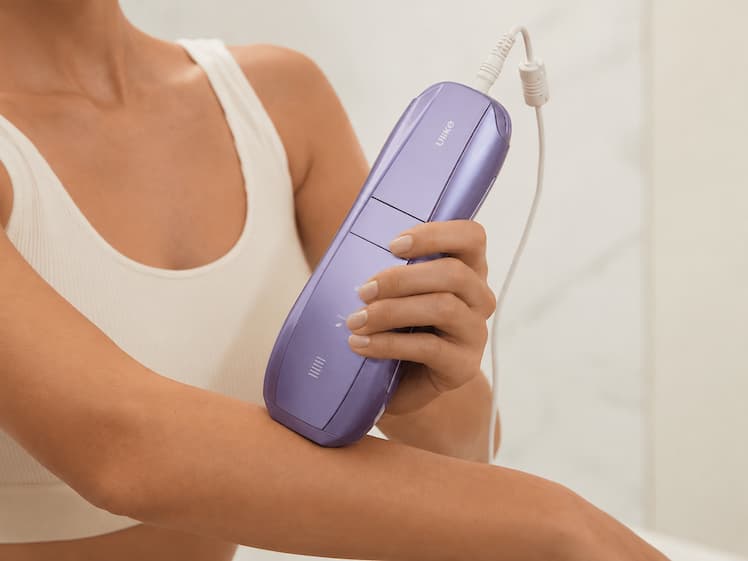
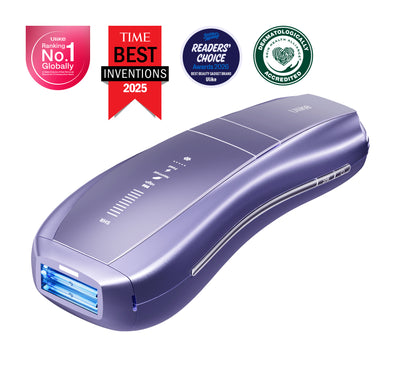
At-home safety comes down to repeatable habits, not bravery. Many devices include safety design features like skin-contact sensors and cooling. Some brands also point to safety testing and certifications. For example, Ulike highlights a large patent portfolio (over 1,000 granted patents) and multiple safety certifications across markets, plus policies like a 2-year warranty and a 100-day money-back window. That kind of quality focus helps, but your technique still matters most.

If you’re tempted to treat daily to speed things up, don’t. More flashes don’t equal faster results, they usually equal irritation. This is a helpful reference: Frequency guidelines for at-home IPL.

The safety checklist that prevents most problems

Use this sequence every time. It keeps sessions simple and prevents the most common mistakes.

  1. Shave the area (don’t wax or pluck).
  2. Clean and fully dry the skin.
  3. Patch test a small spot, then wait 24 hours.
  4. Start on a lower intensity, move up only if it feels fine.
  5. Keep full contact with the skin (don’t hover).
  6. Treat in neat rows, avoid double-flashing the same spot.
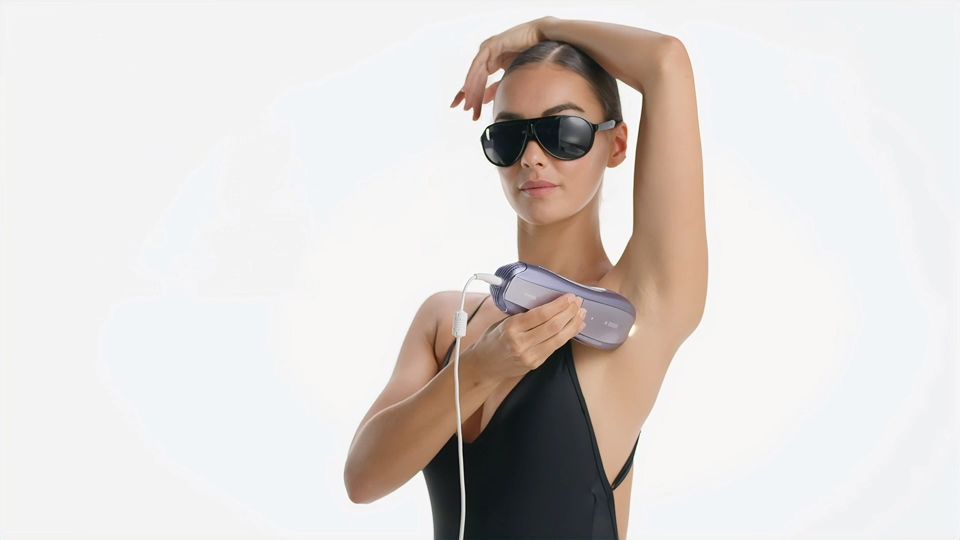
  7. Wear eye protection, and don’t treat near the eyes.
  8. Stop if it feels like burning, not just warmth.

Aftercare matters too. For about 24 to 48 hours:

  • Use a cool compress if you feel heat
  • Apply a fragrance-free moisturizer
  • Skip hot showers, saunas, and heavy exercise heat
  • Avoid exfoliants, scrubs, retinoids, and strong acids on the area
  • Use SPF daily, and avoid direct sun on treated skin

For a more complete routine, see: Post-IPL treatment care tips.

Will IPL damage skin or nerves? What the evidence suggests

Two common fears are worth answering clearly: Will IPL damage skin? And can IPL cause nerve damage?

  • Surface skin irritation is possible, and burns can happen if you misuse the device or treat the wrong skin.
  • Deep nerve damage is not what IPL is designed to do. IPL targets pigment in hair at skin level. When used correctly, it’s not expected to reach deep enough to injure nerves.

The bigger realistic risks are surface skin injury (burns or pigment changes) and eye injury if you look at flashes or treat too close to the eyes without protection.

If you want the simple “why it works” explanation, this is a good overview: How Ulike IPL technology works.

Get medical advice if you have severe pain, blisters, vision symptoms, or color changes that worsen instead of fading.

Results, timing, and what to do if you have a bad reaction

One reason people push settings too hard is impatience. IPL is a process. You’re targeting hair in growth phases, so not every follicle responds at once.

As of 2026, at-home IPL guidance and studies still support a familiar pattern: results build with consistent sessions, and serious side effects are most often linked to overtreatment, tanning, or wrong settings. A good plan beats an aggressive plan.

Here’s something many people say they “wish they knew before laser hair removal” (and it applies to IPL too): the goal isn’t to feel pain, it’s to follow a schedule. If it hurts, that doesn’t mean it’s working better, it can mean you’re irritating skin.

When do hairs fall out after IPL, and what is normal shedding?

A common worry is, “The hair looks like it’s still growing, did it fail?” Often, it didn’t fail. Treated hair can look unchanged for a bit, then starts to loosen.

In many people, shedding happens over about 1 to 2 weeks, and sometimes closer to 3 weeks depending on the area and your growth cycle. Shedding can look like stubble that slides out during a shower or gentle rub with a washcloth. Don’t yank or pick at it.

Patchy early results are normal. Hair grows in cycles, so you need multiple sessions to catch more hairs in the right phase. Stick to the schedule your device recommends, and judge progress over weeks, not days.

If you get burned or blistered: what to do next

If you think you burned yourself, stop treatments right away. Don’t “test it again” the next day.

Basic first steps that are usually safe:

  • Cool the area with a cool compress (not ice directly on skin)
  • Keep the area clean and dry
  • Don’t pop blisters or pick crusts
  • Use a simple, gentle moisturizer
  • Keep the area out of the sun, use SPF if it’s exposed

Get medical care if you notice:

  • Large blisters or severe swelling
  • Redness that spreads or gets hot and painful
  • Pus, fever, or signs of infection
  • Eye symptoms (pain, vision changes, extreme light sensitivity)
  • Pigment changes that worsen over time

Also contact the device maker. Many brands offer support channels, and some offer warranties and return windows that can help if you suspect a device issue.

What is the healthiest hair removal method, and alternatives to IPL

There isn’t one “healthiest” method for everyone. The healthiest option is the one that removes hair while keeping your skin calm and fitting your medical needs.

A quick, practical comparison:

Method Why people like it Common downsides
Shaving Low skin risk, fast, cheap Frequent upkeep, razor bumps
Depilatory creams No pulling hair, smooth feel Can cause irritation or chemical burns
Waxing or sugaring Longer smooth time Pain, ingrowns, risk of skin lifting (higher with retinoids)
Epilator Longer-lasting than shaving Can irritate and trigger ingrowns
Professional laser Faster progress for many, supervised settings Higher cost, still has light-based risks
Electrolysis Permanent for all skin and hair types Slow, can be uncomfortable, takes many visits

Professional care can be the safer route for facial treatments, complex skin tones, or medical conditions, because settings and technique are controlled by trained staff.

If IPL is not for you, these options may fit better

Shaving: Best if your skin tolerates razors and you want the lowest risk. Use a sharp blade and a simple shave gel.

Depilatory cream: Best if you can tolerate it. Patch test first, and don’t use it right before or after any light treatment.

Waxing or sugaring: Best if you want weeks of smooth skin and don’t get many ingrowns. Avoid if you use strong retinoids on that area.

Professional laser: Best if you want a clinic to set parameters and monitor skin response. It can still burn skin, but trained settings and cooling can lower risk.

Electrolysis: Best if you want permanent removal and your hair color makes IPL a poor match.

Conclusion

IPL is widely used and usually safe when used correctly, but the dangers are real when you treat the wrong skin, choose the wrong level, or ignore aftercare. Most reactions are mild and fade fast, serious issues usually track back to tanning or overtreatment. Eye protection and sun avoidance aren’t optional, and some people should skip IPL entirely. Good alternatives exist, from shaving to electrolysis.

Patch test first, follow your device schedule, and talk with a clinician if you’re unsure about your skin, medications, or any reaction that doesn’t improve.

Previous
Does Hair Eventually Stop Growing After Laser Hair Removal? The Real Long-Term Answer
Next
Does IPL Work for Rosacea? What It Can (and Can’t) Fix About Redness
Share:
Can You Use IPL on Moles?

Can You Use IPL on Moles?

If you’re using at-home IPL for smooth skin, it’s normal to pause when you spot a mole in the tre...
Jan 19, 2026
Does IPL Work for Rosacea? What It Can (and Can’t) Fix About Redness

Does IPL Work for Rosacea? What It Can (and Can’t) Fix About Redness

If rosacea makes your face feel like it has a mind of its own, you’re not alone. One day your che...
Jan 19, 2026
Are There Any Dangers With IPL?

Are There Any Dangers With IPL?

Yes, there can be dangers with IPL (intense pulsed light), but most people don’t run into serious...
Jan 19, 2026

Need guidance?

Get a free one-on-one consultation

TALK TO AN EXPERT

Explore Beauty

Ulike Air 10

2 weeks to silky smooth skin.

96% Hair Density Reduction in 2 Weeks
Ulike Air 3

3 weeks to silky smooth skin.

93% Hair Density Reduction in 4 Weeks
Ulike X

3 weeks to silky smooth skin.

94% hair reduction in just 2 weeks*

Ulike Reglow LED face mask red light therapy device

Ulike Reglow

Clearer skin in 2 weeks: Fewer breakouts
Smoother skin in 4 weeks: Fewer lines, firmer feel

Leave a comment

All comments are moderated before being published.

This site is protected by hCaptcha and the hCaptcha Privacy Policy and Terms of Service apply.

Back to top