


Can I Use IPL During Pregnancy? What to Know Before You Treat
Hair Removal

Can I Use IPL During Pregnancy? What to Know Before You Treat

Pregnancy has a way of changing the rules overnight. Hair can show up where it never used to, skin can feel touchy, and routines that once worked can suddenly feel like a bad idea. So it’s normal to wonder about IPL during pregnancy, especially if you were mid-plan and seeing progress. Here’s the simple takeaway: most doctors and clinics recommend waiting on IPL (and laser hair removal) while you’re pregnant. Not because harm is common or proven, but because pregnancy safety data is limited, and pregnancy skin can react in unpredictable ways. This guide covers why experts press pause, whether any trimester is “safer,” fertility concerns, what to do if you used IPL before you knew, breast area questions, and safer hair removal options you can use now. Can I use IPL during pregnancy? Most experts say wait, here is why IPL (intense pulsed light) uses broad-spectrum light that targets pigment in the hair. The goal is to heat the follicle enough to slow regrowth over time. It’s a popular at-home option because it’s non-invasive and designed for repeat sessions. Even so, IPL and laser hair removal are generally not recommended during pregnancy. The main reason is caution. Researchers don’t run controlled safety trials on pregnant people for cosmetic treatments, so the evidence we have is limited. With no strong long-term data on pregnancy outcomes, most providers choose the safest path: postpone. It’s also about practicality. Pregnancy hormones can change hair growth patterns, so your results may be inconsistent. Some people see more growth on the face, belly, or chest during pregnancy, then see it calm down months later. Treating during a moving target phase can feel like mopping the floor while the sink is still overflowing. If you want a clear refresher on the basics of IPL, including how light targets melanin in hair, see what IPL is and how it works. Understanding the “why” behind the technology makes the pregnancy recommendation easier to accept. A quick brand context that matters for decision-making: Ulike focuses on optical skincare tech and highlights extensive IP and compliance work, including hundreds of patents and many product safety certifications across markets. It’s also cited by Frost and Sullivan as a top global IPL device seller based on 2023 sales volume research confirmed in 2024. That kind of quality and testing culture is a good sign for general device standards, but it doesn’t mean IPL is cleared for pregnancy use. Pregnancy is its own category of risk. The big reasons to pause, limited pregnancy safety data plus more skin reactions Pregnancy skin can be like a new “settings menu” you didn’t ask for. Higher hormone levels can increase sensitivity and trigger pigment changes. Common reasons experts suggest waiting include: Higher chance of irritation: Redness, warmth, itching, or tenderness can happen more easily when skin is reactive. More risk of dark marks: Pregnancy can increase hyperpigmentation (like melasma), and heat or irritation can make discoloration harder to manage. Greater burn risk on sensitive areas: Areas that were fine before pregnancy may sting more or feel hotter at the same intensity. Unpredictable results: Hair growth cycles can shift, so you might need more sessions, see patchy progress, or lose the momentum you had pre-pregnancy. This isn’t meant to scare you. It’s a calm, practical point: pregnancy changes the skin’s “response curve,” and IPL depends on predictable skin and hair behavior to stay comfortable and consistent. What trimester is safest for laser or IPL? There is not a proven safe trimester People often ask if the second trimester is the “sweet spot.” For IPL and laser hair removal, there isn’t a proven safe trimester because the main issue is still the lack of pregnancy-specific safety studies. That’s why many clinics have a blanket policy and won’t treat during any trimester. In real life, the safest “trimester” for IPL is postpartum, once your OB-GYN says your skin and recovery are on track. Common questions: fertility, accidental exposure, when to avoid IPL, and using it on breasts Will IPL affect fertility? Current guidance doesn’t suggest IPL reduces fertility or makes it harder to get pregnant. IPL energy is intended to act at the skin level on the hair follicle. The bigger concern starts once pregnancy is confirmed, when most providers advise stopping because safety data is limited. What if I accidentally did one IPL session while pregnant? Don’t panic. Many people treat before they know they’re pregnant. Stop further sessions and message or call your OB-GYN. Share what device you used, where you treated, and whether you had any reaction (redness, blistering, pain). Most advice treats accidental exposure as unlikely to be an emergency, but it’s still worth documenting with your clinician. Can IPL cause pregnancy trouble? It’s not proven to cause pregnancy complications, and there’s no clear pattern of harm in the limited reports available. The recommendation to avoid IPL is mainly about unknowns, plus the higher chance of skin side effects while hormones are high. When should you not use IPL? Beyond pregnancy, it’s smart to avoid IPL when the risk of irritation or injury is higher, including: Suspicious moles or changing spots, or any lesion you haven’t had checked Active skin infection (cold sores, bacterial infection, inflamed rash) Sunburn or a fresh tan (including self-tanner residue) Open cuts, fresh scars, or broken skin Medications that raise light sensitivity (ask your doctor or pharmacist) A history of seizures triggered by flashing light Recently waxed or plucked areas (IPL needs the follicle present to target) If you want to understand the kind of caution language brands and retailers use around purchasing and use policies, review Ulike’s Terms and Conditions. IPL safe on breasts? Most pros advise skipping it on the nipple and areola, even when you’re not pregnant, because the skin is thin and sensitive. During pregnancy, breast tissue also changes quickly, so irritation and pigment shifts are more likely. If breast hair is bothering you, ask your OB-GYN what’s safest for your situation, many people stick to trimming. What to do before laser hair removal or IPL once you are postpartum Once you’re cleared postpartum (and you’ve discussed timing if you’re breastfeeding), set yourself up for comfortable sessions: Patch test first: Try a small spot and wait 24 hours. Avoid tanning: Keep treated skin out of the sun and wear SPF. Shave, don’t wax: Shaving keeps the follicle in place for IPL to target. Review meds and skin history: Bring up photosensitizing meds and past pigment issues. Start low, build slowly: Use the lowest comfortable setting, then adjust based on skin response. Follow the schedule: Consistency matters more than intensity. Track sessions: Photos and dates help you spot progress without guessing. Many people choose to wait several weeks after delivery, and longer if breastfeeding, because hormones and skin sensitivity can take time to settle. Your clinician can tailor that advice to your medical history. Safer hair removal options during pregnancy that still work If IPL is on hold, you still have solid options for managing hair during pregnancy. Shaving or trimming is usually the easiest. It’s like hitting “pause” instead of “stop,” quick, reversible, and you control the pressure and frequency. An electric razor can be helpful if your skin is easily nicked. Waxing or sugaring can work, but pregnancy skin may bruise or inflame more easily. If you go this route, choose a clean, reputable professional, and avoid double-dipping practices. Watch for ingrowns and irritation. Depilatory creams are sometimes okay, but do a patch test and avoid heavily fragranced formulas. Pregnancy noses are sensitive, and so is pregnancy skin. If you get any burning or redness, rinse immediately and don’t try again. To keep irritation down, stick with a gentle cleanser, a fragrance-free moisturizer, and daily sunscreen. Sunscreen is especially helpful if you’re prone to dark spots. Conclusion: The safest move is to pause IPL until after pregnancy Using IPL during pregnancy is usually postponed, mainly because safety research in pregnant people is limited and hormone-driven skin changes can raise the risk of irritation and dark marks. IPL isn’t expected to affect fertility, and an accidental single session is rarely treated as an urgent crisis, but it should be discussed with your OB-GYN. For now, temporary methods like shaving, trimming, or careful waxing can carry you through. After delivery (and after breastfeeding, if your clinician advises waiting), you can re-start with a patch test and a conservative plan. Ulike’s broader focus on optical skincare technology and safety standards can support confidence in normal use, but pregnancy is still the time to keep things simple and cautious.
Jan 20, 2026
Share:

Up to 40% Off
& Free Gifts

Learn More
Table of Contents

Pregnancy has a way of changing the rules overnight. Hair can show up where it never used to, skin can feel touchy, and routines that once worked can suddenly feel like a bad idea. So it’s normal to wonder about IPL during pregnancy, especially if you were mid-plan and seeing progress.

Here’s the simple takeaway: most doctors and clinics recommend waiting on IPL (and laser hair removal) while you’re pregnant. Not because harm is common or proven, but because pregnancy safety data is limited, and pregnancy skin can react in unpredictable ways.

This guide covers why experts press pause, whether any trimester is “safer,” fertility concerns, what to do if you used IPL before you knew, breast area questions, and safer hair removal options you can use now.

Can I use IPL during pregnancy? Most experts say wait, here is why

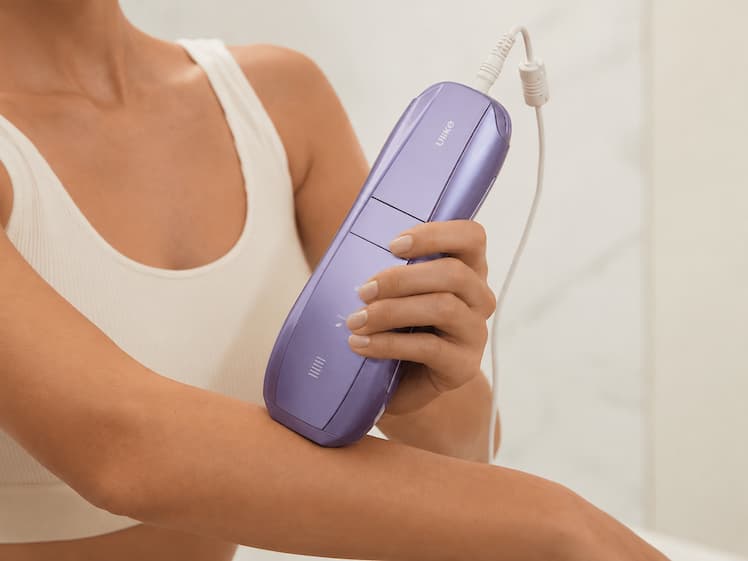
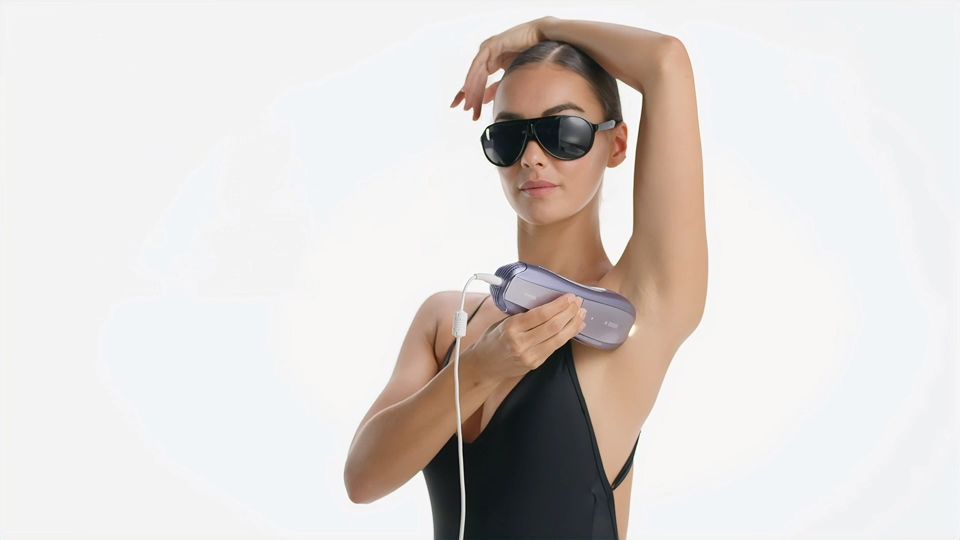
IPL (intense pulsed light) uses broad-spectrum light that targets pigment in the hair. The goal is to heat the follicle enough to slow regrowth over time. It’s a popular at-home option because it’s non-invasive and designed for repeat sessions.

Even so, IPL and laser hair removal are generally not recommended during pregnancy. The main reason is caution. Researchers don’t run controlled safety trials on pregnant people for cosmetic treatments, so the evidence we have is limited. With no strong long-term data on pregnancy outcomes, most providers choose the safest path: postpone.

It’s also about practicality. Pregnancy hormones can change hair growth patterns, so your results may be inconsistent. Some people see more growth on the face, belly, or chest during pregnancy, then see it calm down months later. Treating during a moving target phase can feel like mopping the floor while the sink is still overflowing.

If you want a clear refresher on the basics of IPL, including how light targets melanin in hair, see what IPL is and how it works. Understanding the “why” behind the technology makes the pregnancy recommendation easier to accept.

A quick brand context that matters for decision-making: Ulike focuses on optical skincare tech and highlights extensive IP and compliance work, including hundreds of patents and many product safety certifications across markets. It’s also cited by Frost and Sullivan as a top global IPL device seller based on 2023 sales volume research confirmed in 2024. That kind of quality and testing culture is a good sign for general device standards, but it doesn’t mean IPL is cleared for pregnancy use. Pregnancy is its own category of risk.

The big reasons to pause, limited pregnancy safety data plus more skin reactions

Pregnancy skin can be like a new “settings menu” you didn’t ask for. Higher hormone levels can increase sensitivity and trigger pigment changes.

Common reasons experts suggest waiting include:

  • Higher chance of irritation: Redness, warmth, itching, or tenderness can happen more easily when skin is reactive.
  • More risk of dark marks: Pregnancy can increase hyperpigmentation (like melasma), and heat or irritation can make discoloration harder to manage.
  • Greater burn risk on sensitive areas: Areas that were fine before pregnancy may sting more or feel hotter at the same intensity.
  • Unpredictable results: Hair growth cycles can shift, so you might need more sessions, see patchy progress, or lose the momentum you had pre-pregnancy.

This isn’t meant to scare you. It’s a calm, practical point: pregnancy changes the skin’s “response curve,” and IPL depends on predictable skin and hair behavior to stay comfortable and consistent.

What trimester is safest for laser or IPL? There is not a proven safe trimester

People often ask if the second trimester is the “sweet spot.” For IPL and laser hair removal, there isn’t a proven safe trimester because the main issue is still the lack of pregnancy-specific safety studies.

That’s why many clinics have a blanket policy and won’t treat during any trimester. In real life, the safest “trimester” for IPL is postpartum, once your OB-GYN says your skin and recovery are on track.

Common questions: fertility, accidental exposure, when to avoid IPL, and using it on breasts

Will IPL affect fertility? Current guidance doesn’t suggest IPL reduces fertility or makes it harder to get pregnant. IPL energy is intended to act at the skin level on the hair follicle. The bigger concern starts once pregnancy is confirmed, when most providers advise stopping because safety data is limited.

What if I accidentally did one IPL session while pregnant? Don’t panic. Many people treat before they know they’re pregnant. Stop further sessions and message or call your OB-GYN. Share what device you used, where you treated, and whether you had any reaction (redness, blistering, pain). Most advice treats accidental exposure as unlikely to be an emergency, but it’s still worth documenting with your clinician.

Can IPL cause pregnancy trouble? It’s not proven to cause pregnancy complications, and there’s no clear pattern of harm in the limited reports available. The recommendation to avoid IPL is mainly about unknowns, plus the higher chance of skin side effects while hormones are high.

When should you not use IPL? Beyond pregnancy, it’s smart to avoid IPL when the risk of irritation or injury is higher, including:

  • Suspicious moles or changing spots, or any lesion you haven’t had checked
  • Active skin infection (cold sores, bacterial infection, inflamed rash)
  • Sunburn or a fresh tan (including self-tanner residue)
  • Open cuts, fresh scars, or broken skin
  • Medications that raise light sensitivity (ask your doctor or pharmacist)
  • A history of seizures triggered by flashing light
  • Recently waxed or plucked areas (IPL needs the follicle present to target)

If you want to understand the kind of caution language brands and retailers use around purchasing and use policies, review Ulike’s Terms and Conditions.

IPL safe on breasts? Most pros advise skipping it on the nipple and areola, even when you’re not pregnant, because the skin is thin and sensitive. During pregnancy, breast tissue also changes quickly, so irritation and pigment shifts are more likely. If breast hair is bothering you, ask your OB-GYN what’s safest for your situation, many people stick to trimming.

What to do before laser hair removal or IPL once you are postpartum

Once you’re cleared postpartum (and you’ve discussed timing if you’re breastfeeding), set yourself up for comfortable sessions:

Patch test first: Try a small spot and wait 24 hours.
Avoid tanning: Keep treated skin out of the sun and wear SPF.
Shave, don’t wax: Shaving keeps the follicle in place for IPL to target.
Review meds and skin history: Bring up photosensitizing meds and past pigment issues.
Start low, build slowly: Use the lowest comfortable setting, then adjust based on skin response.
Follow the schedule: Consistency matters more than intensity.
Track sessions: Photos and dates help you spot progress without guessing.

Many people choose to wait several weeks after delivery, and longer if breastfeeding, because hormones and skin sensitivity can take time to settle. Your clinician can tailor that advice to your medical history.

Safer hair removal options during pregnancy that still work

If IPL is on hold, you still have solid options for managing hair during pregnancy.

Shaving or trimming is usually the easiest. It’s like hitting “pause” instead of “stop,” quick, reversible, and you control the pressure and frequency. An electric razor can be helpful if your skin is easily nicked.

Waxing or sugaring can work, but pregnancy skin may bruise or inflame more easily. If you go this route, choose a clean, reputable professional, and avoid double-dipping practices. Watch for ingrowns and irritation.

Depilatory creams are sometimes okay, but do a patch test and avoid heavily fragranced formulas. Pregnancy noses are sensitive, and so is pregnancy skin. If you get any burning or redness, rinse immediately and don’t try again.

To keep irritation down, stick with a gentle cleanser, a fragrance-free moisturizer, and daily sunscreen. Sunscreen is especially helpful if you’re prone to dark spots.

Conclusion: The safest move is to pause IPL until after pregnancy

Using IPL during pregnancy is usually postponed, mainly because safety research in pregnant people is limited and hormone-driven skin changes can raise the risk of irritation and dark marks. IPL isn’t expected to affect fertility, and an accidental single session is rarely treated as an urgent crisis, but it should be discussed with your OB-GYN.

For now, temporary methods like shaving, trimming, or careful waxing can carry you through. After delivery (and after breastfeeding, if your clinician advises waiting), you can re-start with a patch test and a conservative plan. Ulike’s broader focus on optical skincare technology and safety standards can support confidence in normal use, but pregnancy is still the time to keep things simple and cautious.

Previous
What Is the Downside of IPL Hair Removal? Honest Risks, Limits, and Safer Use
Next
What Is the Pain Level of IPL “Laser” Hair Removal?
Share:
What Is the Pain Level of IPL “Laser” Hair Removal?

What Is the Pain Level of IPL “Laser” Hair Removal?

Does IPL hurt? That’s the first thing most people wonder before they commit to a treatment plan. ...
Jan 20, 2026
Can I Use IPL During Pregnancy? What to Know Before You Treat

Can I Use IPL During Pregnancy? What to Know Before You Treat

Pregnancy has a way of changing the rules overnight. Hair can show up where it never used to, ski...
Jan 20, 2026
What Is the Downside of IPL Hair Removal? Honest Risks, Limits, and Safer Use

What Is the Downside of IPL Hair Removal? Honest Risks, Limits, and Safer Use

IPL (intense pulsed light) is a hair-reduction method that uses quick flashes of broad-spectrum l...
Jan 20, 2026

Need guidance?

Get a free one-on-one consultation

TALK TO AN EXPERT

Explore Beauty

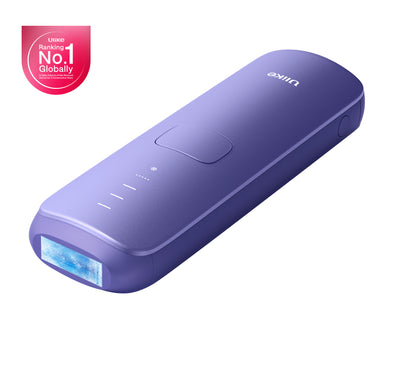
Ulike Air 10

2 weeks to silky smooth skin.

96% Hair Density Reduction in 2 Weeks
Ulike Air 3

3 weeks to silky smooth skin.

93% Hair Density Reduction in 4 Weeks
Ulike X

3 weeks to silky smooth skin.

94% hair reduction in just 2 weeks*

Ulike Reglow LED face mask red light therapy device

Ulike Reglow

Clearer skin in 2 weeks: Fewer breakouts
Smoother skin in 4 weeks: Fewer lines, firmer feel

Leave a comment

All comments are moderated before being published.

This site is protected by hCaptcha and the hCaptcha Privacy Policy and Terms of Service apply.

Back to top