What Is the Downside of IPL Hair Removal? Honest Risks, Limits, and Safer Use
Hair Removal

What Is the Downside of IPL Hair Removal? Honest Risks, Limits, and Safer Use

IPL (intense pulsed light) is a hair-reduction method that uses quick flashes of broad-spectrum light to heat the pigment in hair and slow regrowth. People like it because it’s convenient at home and the results usually last longer than shaving (which is more like a one or two-day reset button). Still, it helps to set the right expectation. IPL is designed for hair reduction, not guaranteed permanent removal, and the downsides depend on your skin tone, hair color, intensity settings, and aftercare. Most side effects are mild and short-lived, but mistakes can cause burns or skin tone changes. Brands with long IPL research histories and large patent portfolios tend to focus heavily on safety features and comfort; for example, Ulike has spent years in IPL R&D and reports over 1,000 patents worldwide. Comfort matters too, which is why features like active cooling are popular (see Ulike’s ice-cooling overview: https://www.ulike.com/pages/technology-ice-cooling). The most common downsides of IPL (and what they feel like) Photo by Orhun Rüzgar ÖZ The “downside” most people notice first is simple: IPL is a light-and-heat treatment. Even when you do everything right, your skin can react the way it reacts to mild friction or warmth. A normal session can feel like a quick snap from a rubber band, then a brief warm tingle. Afterward, the treated area may look a bit pink, feel warm, or feel slightly tight. For many users, this fades within a few hours, and for others it can linger for a day or two. One downside that’s easy to forget is eye safety. IPL flashes are bright, and repeated exposure can irritate or injure eyes. Wear the included protective eyewear and never aim the light near eyes. Short-term side effects like redness, warmth, and swelling The most common IPL side effects are temporary and mild: Redness that looks like a light sunburn Warmth or mild stinging for a short time Slight swelling around hair follicles (tiny bumps) What’s normal: mild discomfort, mild redness, and light sensitivity in the area. What’s not normal: intense pain, rapidly worsening redness, large blisters, or a burn that looks white, gray, or deeply purple. Simple comfort steps usually help: Use a cool compress for 5 to 10 minutes. Apply a gentle, fragrance-free moisturizer. Avoid hot showers, saunas, and hard workouts for 24 to 48 hours. Less common but serious risks: burns, blisters, scarring, and skin color changes Serious IPL problems are less common, but they do happen, and they usually trace back to avoidable causes: using the wrong intensity, treating recently tanned skin, treating skin tones that the device isn’t designed for, or ignoring aftercare. The biggest risks include: Burns and blisters from too much heat in the skin Scarring if a blister is picked or becomes infected Hyperpigmentation (dark spots) or hypopigmentation (light spots), which can last weeks or longer Pigment changes are more likely when the skin has more melanin to absorb light (deeper skin tones) or when there’s recent sun exposure. Infection is rare, but if skin is damaged and not kept clean, bacteria can get in. If you get a large blister, spreading redness, pus, fever, or worsening pain, treat it like an injury and get medical advice. Who should avoid IPL, and why it does not work equally well for everyone IPL isn’t one-size-fits-all, and that’s a real downside. It relies on color contrast: the light needs to “see” pigment in the hair to heat the follicle, while the surrounding skin should absorb as little as possible. In general dermatology guidance, at-home IPL is considered safe when you’re a good candidate and follow the directions. Risk climbs when someone pushes intensity too fast, treats the wrong areas, or has conditions that make pigmentation unstable. If you have melasma, a history of pigment problems, or you take medications that increase light sensitivity, it’s smart to check with a dermatologist before starting. For a deeper safety checklist, Ulike’s contraindications overview is a helpful starting point: https://www.ulike.com/blogs/hair-removal/ipl-hair-removal-treatments-contraindications Skin tone, tans, and melasma can raise the risk Darker or freshly tanned skin can absorb more of the IPL energy. That means less energy reaches the hair, and more heat stays in the skin, which increases the risk of burns and uneven pigmentation. Melasma deserves a special callout. It’s a patchy pigment condition, and heat or light can sometimes trigger it. If you’re prone to melasma, take the conservative route: patch test, use lower intensity, and consider professional guidance. Two non-negotiables: Do a patch test on a small area 24 hours ahead. Never treat eyebrows or eyelids. The eye risk is too high. Light hair, gray hair, and inconsistent regrowth are a built-in downside IPL tends to work best when hair is dark (more pigment) and skin is lighter and untanned (less competing pigment). If hair is light blonde, red, white, or gray, IPL may not “catch” it well, so results can disappoint even with perfect technique. Results also take time. Many people need a full course of sessions (often around 6 to 8) and then maintenance. Clinical reports on home-use IPL commonly show meaningful reduction, with ranges often cited around 60% to 90%+ hair reduction depending on device and adherence. It’s also normal for results to look uneven at first because hair grows in cycles. How long do IPL results last? Many users see reduced growth for roughly 3 to 12 months after a consistent starter phase, then touch-ups help maintain the smoother baseline. A common maintenance pattern is every 1 to 2 months, or a touch-up cycle every 6 to 12 months, depending on how fast your hair returns. How to lower the downsides: simple rules before and after IPL Think of IPL like using a strong skincare active. The best results come from patience, consistent sessions, and fewer “extras” around treatment days. If you want a clear walkthrough of device steps and treatment flow, follow a structured guide like this one: https://www.ulike.com/blogs/hair-removal/how-to-use-ipl-hair-removal What to do before IPL (including how to shave) Prep is about helping light reach the follicle without overheating surface hair. Shave 12 to 24 hours before. Shaving removes hair above the skin while keeping the root in place (the target stays put). Don’t wax, pluck, or epilate for weeks before IPL. Those remove the follicle target, so the light has less to act on. Avoid sun and tanning when possible for a few weeks before, and don’t treat skin that’s recently tanned. Keep skin clean and dry right before treatment (no lotions, deodorant, or oils in the area). If you use strong actives (retinoids, exfoliating acids), pause them about a week before if your device instructions recommend it. This also answers the common “how to shave before laser hair removal” question: the goal is the same, short surface hair, intact roots, and calm skin. What to avoid after IPL so you do not trigger irritation Aftercare is where people either protect their results, or accidentally create the “IPL downside” they feared. For 24 to 48 hours: Skip hot showers, baths, saunas, and intense workouts. Don’t scrub, exfoliate, or use alcohol-heavy products on the area. For 1 to 2 weeks: Avoid sun and tanning, and use broad-spectrum sunscreen daily on exposed areas. Don’t pick at bumps or dry patches. Call a professional if you see red flags: worsening pain, spreading redness, pus, large blisters, or any sign of infection. A quick note on “the healthiest form of hair removal”: for pure skin gentleness, trimming or careful shaving is often the lowest-risk option for many people (no root removal, no chemicals, no heat). If you want longer-lasting reduction with fewer ingrowns, IPL can be a healthy choice when you’re a good candidate and you follow the rules. Conclusion The downside of IPL is real, but it’s also predictable: short-term redness and warmth are common, burns and pigment changes are possible when you treat the wrong skin, use the wrong setting, or skip aftercare. The other honest downside is performance limits, IPL doesn’t work equally well on all skin tones and hair colors, and results aren’t always permanent. The good news is that many people do very well with IPL when they match the method to their skin and follow a consistent plan. A good candidate usually has darker hair, lighter untanned skin, and the discipline to stick with aftercare. If you have very deep skin tones, melasma, frequent tanning, or photosensitizing meds, consider other options or talk to a dermatologist first. When used with care, IPL can be a safe, practical path to smoother skin.

Jan 20, 2026
Share:

Up to 40% Off
& Free Gifts

Learn More
Table of Contents

IPL (intense pulsed light) is a hair-reduction method that uses quick flashes of broad-spectrum light to heat the pigment in hair and slow regrowth. People like it because it’s convenient at home and the results usually last longer than shaving (which is more like a one or two-day reset button).

Still, it helps to set the right expectation. IPL is designed for hair reduction, not guaranteed permanent removal, and the downsides depend on your skin tone, hair color, intensity settings, and aftercare. Most side effects are mild and short-lived, but mistakes can cause burns or skin tone changes. Brands with long IPL research histories and large patent portfolios tend to focus heavily on safety features and comfort; for example, Ulike has spent years in IPL R&D and reports over 1,000 patents worldwide. Comfort matters too, which is why features like active cooling are popular (see Ulike’s ice-cooling overview: https://www.ulike.com/pages/technology-ice-cooling).

The most common downsides of IPL (and what they feel like)

Professional IPL treatment for hair removal performed on an arm in a clinic setting. Photo by Orhun Rüzgar ÖZ

The “downside” most people notice first is simple: IPL is a light-and-heat treatment. Even when you do everything right, your skin can react the way it reacts to mild friction or warmth.

A normal session can feel like a quick snap from a rubber band, then a brief warm tingle. Afterward, the treated area may look a bit pink, feel warm, or feel slightly tight. For many users, this fades within a few hours, and for others it can linger for a day or two.

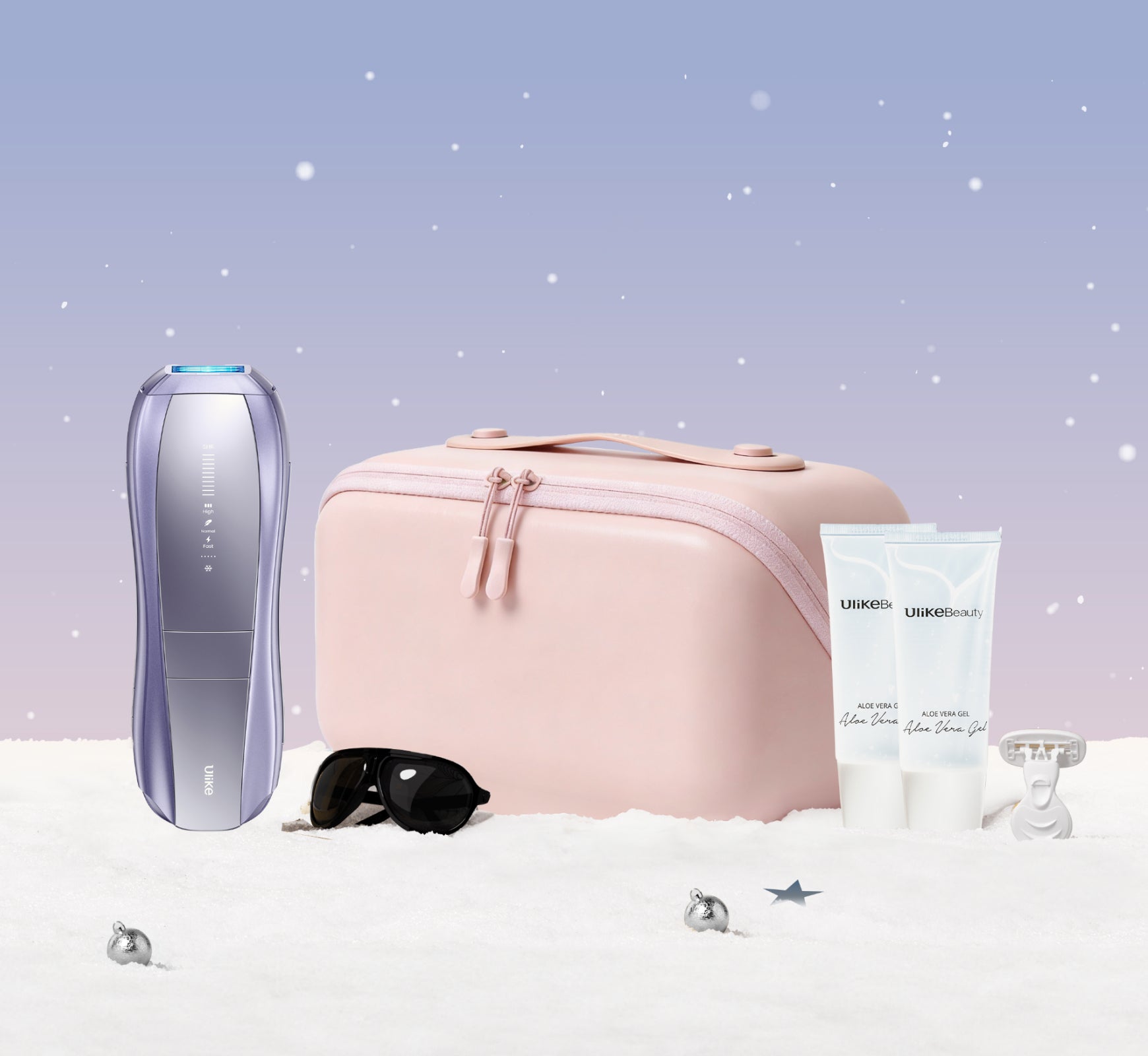
One downside that’s easy to forget is eye safety. IPL flashes are bright, and repeated exposure can irritate or injure eyes. Wear the included protective eyewear and never aim the light near eyes.

Short-term side effects like redness, warmth, and swelling

The most common IPL side effects are temporary and mild:

  • Redness that looks like a light sunburn
  • Warmth or mild stinging for a short time
  • Slight swelling around hair follicles (tiny bumps)

What’s normal: mild discomfort, mild redness, and light sensitivity in the area.

What’s not normal: intense pain, rapidly worsening redness, large blisters, or a burn that looks white, gray, or deeply purple.

Simple comfort steps usually help:

  • Use a cool compress for 5 to 10 minutes.
  • Apply a gentle, fragrance-free moisturizer.
  • Avoid hot showers, saunas, and hard workouts for 24 to 48 hours.

Less common but serious risks: burns, blisters, scarring, and skin color changes

Serious IPL problems are less common, but they do happen, and they usually trace back to avoidable causes: using the wrong intensity, treating recently tanned skin, treating skin tones that the device isn’t designed for, or ignoring aftercare.

The biggest risks include:

  • Burns and blisters from too much heat in the skin
  • Scarring if a blister is picked or becomes infected
  • Hyperpigmentation (dark spots) or hypopigmentation (light spots), which can last weeks or longer

Pigment changes are more likely when the skin has more melanin to absorb light (deeper skin tones) or when there’s recent sun exposure. Infection is rare, but if skin is damaged and not kept clean, bacteria can get in.

If you get a large blister, spreading redness, pus, fever, or worsening pain, treat it like an injury and get medical advice.

Who should avoid IPL, and why it does not work equally well for everyone

IPL isn’t one-size-fits-all, and that’s a real downside. It relies on color contrast: the light needs to “see” pigment in the hair to heat the follicle, while the surrounding skin should absorb as little as possible.

In general dermatology guidance, at-home IPL is considered safe when you’re a good candidate and follow the directions. Risk climbs when someone pushes intensity too fast, treats the wrong areas, or has conditions that make pigmentation unstable. If you have melasma, a history of pigment problems, or you take medications that increase light sensitivity, it’s smart to check with a dermatologist before starting.

For a deeper safety checklist, Ulike’s contraindications overview is a helpful starting point: https://www.ulike.com/blogs/hair-removal/ipl-hair-removal-treatments-contraindications

Skin tone, tans, and melasma can raise the risk

Darker or freshly tanned skin can absorb more of the IPL energy. That means less energy reaches the hair, and more heat stays in the skin, which increases the risk of burns and uneven pigmentation.

Melasma deserves a special callout. It’s a patchy pigment condition, and heat or light can sometimes trigger it. If you’re prone to melasma, take the conservative route: patch test, use lower intensity, and consider professional guidance.

Two non-negotiables:

  • Do a patch test on a small area 24 hours ahead.
  • Never treat eyebrows or eyelids. The eye risk is too high.

Light hair, gray hair, and inconsistent regrowth are a built-in downside

IPL tends to work best when hair is dark (more pigment) and skin is lighter and untanned (less competing pigment). If hair is light blonde, red, white, or gray, IPL may not “catch” it well, so results can disappoint even with perfect technique.

Results also take time. Many people need a full course of sessions (often around 6 to 8) and then maintenance. Clinical reports on home-use IPL commonly show meaningful reduction, with ranges often cited around 60% to 90%+ hair reduction depending on device and adherence. It’s also normal for results to look uneven at first because hair grows in cycles.

How long do IPL results last? Many users see reduced growth for roughly 3 to 12 months after a consistent starter phase, then touch-ups help maintain the smoother baseline. A common maintenance pattern is every 1 to 2 months, or a touch-up cycle every 6 to 12 months, depending on how fast your hair returns.

How to lower the downsides: simple rules before and after IPL

Think of IPL like using a strong skincare active. The best results come from patience, consistent sessions, and fewer “extras” around treatment days.

If you want a clear walkthrough of device steps and treatment flow, follow a structured guide like this one: https://www.ulike.com/blogs/hair-removal/how-to-use-ipl-hair-removal

What to do before IPL (including how to shave)

Prep is about helping light reach the follicle without overheating surface hair.

  • Shave 12 to 24 hours before. Shaving removes hair above the skin while keeping the root in place (the target stays put).
  • Don’t wax, pluck, or epilate for weeks before IPL. Those remove the follicle target, so the light has less to act on.
  • Avoid sun and tanning when possible for a few weeks before, and don’t treat skin that’s recently tanned.
  • Keep skin clean and dry right before treatment (no lotions, deodorant, or oils in the area).
  • If you use strong actives (retinoids, exfoliating acids), pause them about a week before if your device instructions recommend it.

This also answers the common “how to shave before laser hair removal” question: the goal is the same, short surface hair, intact roots, and calm skin.

What to avoid after IPL so you do not trigger irritation

Aftercare is where people either protect their results, or accidentally create the “IPL downside” they feared.

For 24 to 48 hours:

  • Skip hot showers, baths, saunas, and intense workouts.
  • Don’t scrub, exfoliate, or use alcohol-heavy products on the area.

For 1 to 2 weeks:

  • Avoid sun and tanning, and use broad-spectrum sunscreen daily on exposed areas.
  • Don’t pick at bumps or dry patches.

Call a professional if you see red flags: worsening pain, spreading redness, pus, large blisters, or any sign of infection.

A quick note on “the healthiest form of hair removal”: for pure skin gentleness, trimming or careful shaving is often the lowest-risk option for many people (no root removal, no chemicals, no heat). If you want longer-lasting reduction with fewer ingrowns, IPL can be a healthy choice when you’re a good candidate and you follow the rules.

Conclusion

The downside of IPL is real, but it’s also predictable: short-term redness and warmth are common, burns and pigment changes are possible when you treat the wrong skin, use the wrong setting, or skip aftercare. The other honest downside is performance limits, IPL doesn’t work equally well on all skin tones and hair colors, and results aren’t always permanent.

The good news is that many people do very well with IPL when they match the method to their skin and follow a consistent plan. A good candidate usually has darker hair, lighter untanned skin, and the discipline to stick with aftercare. If you have very deep skin tones, melasma, frequent tanning, or photosensitizing meds, consider other options or talk to a dermatologist first. When used with care, IPL can be a safe, practical path to smoother skin.

Previous
Is IPL Ok for Pubic Hair? A Clear Guide to What’s Safe (and What Isn’t)
Next
Can I Use IPL During Pregnancy? What to Know Before You Treat
Share:
What Is the Pain Level of IPL “Laser” Hair Removal?

What Is the Pain Level of IPL “Laser” Hair Removal?

Does IPL hurt? That’s the first thing most people wonder before they commit to a treatment plan. ...
Jan 20, 2026
Can I Use IPL During Pregnancy? What to Know Before You Treat

Can I Use IPL During Pregnancy? What to Know Before You Treat

Pregnancy has a way of changing the rules overnight. Hair can show up where it never used to, ski...
Jan 20, 2026
What Is the Downside of IPL Hair Removal? Honest Risks, Limits, and Safer Use

What Is the Downside of IPL Hair Removal? Honest Risks, Limits, and Safer Use

IPL (intense pulsed light) is a hair-reduction method that uses quick flashes of broad-spectrum l...
Jan 20, 2026

Need guidance?

Get a free one-on-one consultation

TALK TO AN EXPERT

Explore Beauty

Ulike Air 10

2 weeks to silky smooth skin.

96% Hair Density Reduction in 2 Weeks

Ulike Air 3

3 weeks to silky smooth skin.

93% Hair Density Reduction in 4 Weeks

Ulike X

3 weeks to silky smooth skin.

94% hair reduction in just 2 weeks*

Ulike Reglow LED face mask red light therapy device

Ulike Reglow

Clearer skin in 2 weeks: Fewer breakouts
Smoother skin in 4 weeks: Fewer lines, firmer feel

Leave a comment

All comments are moderated before being published.

This site is protected by hCaptcha and the hCaptcha Privacy Policy and Terms of Service apply.

Back to top