

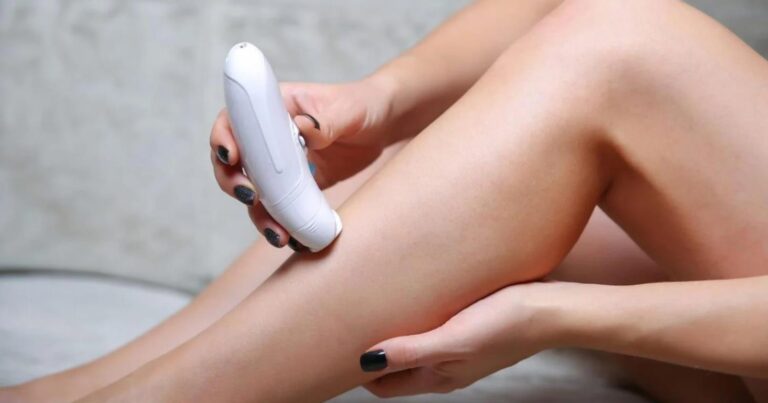
What Is the Pain Level of IPL “Laser” Hair Removal?
Hair Removal

What Is the Pain Level of IPL “Laser” Hair Removal?

Does IPL hurt? That’s the first thing most people wonder before they commit to a treatment plan. The honest answer is that IPL hair removal pain is usually mild, and it often feels like a quick warm snap, similar to a rubber band flicking the skin. It’s not typically a deep, lingering pain. That said, comfort varies. The pain level depends on the area you treat, hair thickness, your skin’s sensitivity, and the intensity setting you choose. The first session can feel stronger simply because everything is new, and hair is often thicker at the start. IPL (intense pulsed light) is widely used at home and in clinics, and it’s been studied for years. Safety and comfort come down to matching the right settings to your skin tone and using the device exactly as directed. Many newer at-home devices also add built-in cooling to reduce the sting. So, how painful is IPL hair removal on a pain scale? Pain is personal, so a “real” pain scale needs context. With IPL, there are usually two parts to consider: what you feel during the flash, and what you feel after. During the flash, most people describe a fast sensation that peaks and disappears within a second. In recent consumer and clinic summaries (as of January 2026), a typical IPL pain level is often around 2 to 4 out of 10 for many body areas. In plain terms, it’s noticeable but manageable. Sensitive spots can climb higher, especially early on. After the flash, it’s common to feel warmth, like skin that’s been in the sun for a short time. Mild redness can happen too, especially if you’re treating thick hair or areas with more nerve endings. Why does IPL feel this way? IPL uses broad-spectrum light that targets melanin (pigment) in the hair. That light energy turns into heat in and around the follicle. Heat is the point, because it’s what helps weaken the follicle over time, but it’s also why you may feel a snap plus warmth. One more thing: discomfort is often strongest at the start of a session. As you get better at choosing settings and as hair becomes finer with consistent use, many people report that sessions feel easier. Photo by Orhun Rüzgar ÖZ What IPL feels like in the moment, snap, sting, or warmth Most descriptions fall into a few familiar buckets: Quick snap: Like a rubber band tap. Warm sting: A fast “hot pinch” that stops right away. Tiny pinprick: More common on thinner skin or dense hair. Each pulse lasts a split second, so the sensation usually ends almost as soon as it starts. When you’re using the right intensity for your skin tone and you keep full contact with the skin, it shouldn’t feel like a long burn. If comfort is your main concern, cooling matters. Some devices use cold contact tips to keep the surface calm while heat builds in the follicle. For an example of how that approach works, see Ulike’s explanation of built-in cooling technology for comfort. How long does IPL discomfort last after treatment? A helpful way to think about IPL is this: the “sting” is fast, but the “warmth” can hang around briefly. Many users feel warmth for 10 to 30 minutes, and mild redness or slight swelling around follicles can fade the same day. Some people stay pink for longer, up to about 24 hours, especially on sensitive areas. What’s usually normal: Mild warmth Light redness A slightly “tight” feeling that settles down What’s not normal: Severe pain Blistering Skin that keeps getting redder or more painful hours later Patch testing is your best friend. If the sensation feels sharp, intense, or worsening, stop and reassess your setting, your prep, and whether your skin is irritated or recently tanned. Where does IPL hurt the most, and what makes certain spots sting more? If you’re asking, “What is the most painful place to get laser hair removal?” in an IPL context, the answer is usually the same places people dread with almost any method: bikini line, underarms, and upper lip. These areas tend to sting more for a few reasons: Thin skin: Less cushion, more sensation. More nerve endings: Your body notices more. Dense, dark hair: More pigment absorbs more light, which can mean more heat. Bony or tight areas: Less padding (think ankles, shins, jawline). Pain often feels stronger early in your plan. When hair is thick and dense, there’s more target pigment. As hair growth reduces and strands get finer, many people find that treatments become more comfortable. Most sensitive areas: bikini line, underarms, upper lip, and why A simple ranking many people relate to looks like this: Upper lip: Very thin skin, and hair can be dense. Expect a sharper snap. Bikini line (including Brazilian edges): High sensitivity and coarse hair can raise the sting. Underarms: Lots of nerve endings, and the skin folds can make contact tricky. Shins and ankles: Bony spots can feel more intense than thighs or calves. Practical tips that help right away: start with a lower intensity in these spots, go slowly, and don’t treat skin that’s already irritated. Also, shave before IPL. Shaving keeps the root in place so the light can target the follicle. Waxing or plucking removes the root, which can make IPL less effective and can lead to more frustration (and more sessions). Does IPL hurt more than waxing or salon laser? A realistic comparison If you want the short version: waxing usually hurts more. Waxing pulls many hairs from the root at once, so the pain is sharper and can linger as soreness. For many people, waxing lands in a higher range (often described around mid-level to high on a 0 to 10 scale), especially on bikini and underarms. IPL is different. It’s quick pulses, so even when it stings, it’s over fast. What hurts more, IPL or laser? Traditional professional laser can feel stronger than IPL because the beam is more concentrated and can deliver higher energy. That can mean more sting at higher settings, especially in sensitive areas. Still, modern clinics often use cooling, and many people find both manageable. What is the most painful hair removal method overall? For many, it’s waxing or epilating, because the hair is physically pulled out, and the discomfort can last longer than a quick flash. How to make IPL hurt less, and when pain is a safety warning If you’re thinking, “How do I stop IPL hurting?” the goal isn’t to grit your teeth through it. The goal is to set up the session so your skin stays calm and the device can work efficiently. Comfort also connects to trust. Look for brands that invest in safety testing and skin-focused features. For example, Ulike reports a large global IP portfolio (over 1,000 granted patents), multiple product safety certifications across regions, and an R&D team of 100+ specialists. The company also cites Frost and Sullivan research (completed October 2024) that ranked it No. 1 by 2023 global IPL device sales volume. Those signals don’t replace good technique, but they can support confidence in build quality and testing. More on the research side is available on Ulike’s labs page. Pain reducing steps that actually work (before, during, after) Shave 12 to 24 hours before: Freshly shaved skin can feel extra sensitive, so give it a little time if you can. Start clean and dry: Lotion, deodorant, and oils can raise irritation risk. Begin low, build slowly: Treat the first session like a settings test, not a toughness test. Keep the head flat: Full contact helps the flash behave as designed. Don’t overlap flashes: Over-treating the same patch is a common reason people feel “burning.” Use cooling: A device with cooling or a cold pack (before and after) can reduce sting. Take short breaks: Especially on bikini and upper lip, pause between passes. Moisturize after: Use a simple, fragrance-free moisturizer. Skip heat for a day: Avoid hot showers, saunas, and hard workouts right after. Avoid sun and self-tanner: Tanned skin absorbs more light, which can raise burn risk. Some people ask about numbing cream or ibuprofen. Only use a topical numbing product if a clinician says it’s appropriate for you, and always follow your device guidance. What many people wish they knew before laser hair removal (and IPL at home): the first few sessions feel the most “zingy,” and then it often gets easier as you learn technique and hair starts thinning. Consistency beats intensity. Red flags: when “normal discomfort” becomes “stop and check” Stop and reassess if you notice: Blistering or scabbing Strong burning that doesn’t fade Severe swelling Dark spots that weren’t there before Pain that increases hours later Can IPL cause nerve damage? Nerve damage is not a typical reported outcome when IPL is used correctly on appropriate skin tones. The bigger risk is skin injury (like burns) if settings are too high, skin is recently tanned, or you treat tattoos or dark spots. Treat pain as feedback. If it feels wrong, stop. Check with a dermatologist if you’re pregnant, taking meds that increase light sensitivity, have a history of pigment issues, or you’re unsure about settings for your skin tone. Conclusion IPL hair removal usually feels like brief warmth plus a light snap, and the sensation tends to fade quickly. The most uncomfortable areas are often the bikini line, underarms, and upper lip, mostly because of thin skin, nerve density, and coarse hair early on. The best way to keep treatments comfortable is simple: start low, use cooling, avoid sun exposure, and follow instructions closely. If pain ramps up instead of settling down, treat that as a safety signal, not something to push through. Your next step should be easy: do a patch test, pick a consistent schedule, and adjust intensity based on how your skin responds. Consistent sessions usually lead to smoother skin with less discomfort over time.
Jan 20, 2026
Share:

Up to 40% Off
& Free Gifts

Learn More
Table of Contents

Does IPL hurt? That’s the first thing most people wonder before they commit to a treatment plan. The honest answer is that IPL hair removal pain is usually mild, and it often feels like a quick warm snap, similar to a rubber band flicking the skin. It’s not typically a deep, lingering pain.

That said, comfort varies. The pain level depends on the area you treat, hair thickness, your skin’s sensitivity, and the intensity setting you choose. The first session can feel stronger simply because everything is new, and hair is often thicker at the start.

IPL (intense pulsed light) is widely used at home and in clinics, and it’s been studied for years. Safety and comfort come down to matching the right settings to your skin tone and using the device exactly as directed. Many newer at-home devices also add built-in cooling to reduce the sting.

So, how painful is IPL hair removal on a pain scale?

Pain is personal, so a “real” pain scale needs context. With IPL, there are usually two parts to consider: what you feel during the flash, and what you feel after.

During the flash, most people describe a fast sensation that peaks and disappears within a second. In recent consumer and clinic summaries (as of January 2026), a typical IPL pain level is often around 2 to 4 out of 10 for many body areas. In plain terms, it’s noticeable but manageable. Sensitive spots can climb higher, especially early on.

After the flash, it’s common to feel warmth, like skin that’s been in the sun for a short time. Mild redness can happen too, especially if you’re treating thick hair or areas with more nerve endings.

Why does IPL feel this way? IPL uses broad-spectrum light that targets melanin (pigment) in the hair. That light energy turns into heat in and around the follicle. Heat is the point, because it’s what helps weaken the follicle over time, but it’s also why you may feel a snap plus warmth.

One more thing: discomfort is often strongest at the start of a session. As you get better at choosing settings and as hair becomes finer with consistent use, many people report that sessions feel easier.

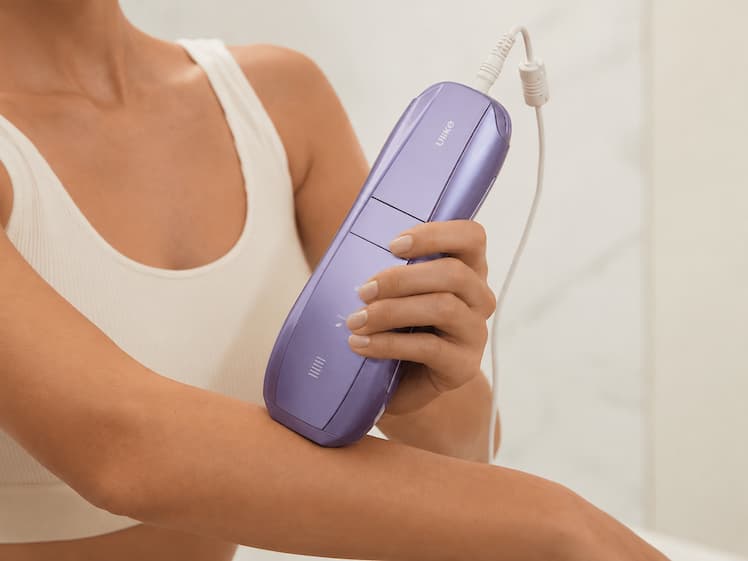
Professional IPL treatment for hair removal performed on an arm in a clinic setting.
Photo by Orhun Rüzgar ÖZ

What IPL feels like in the moment, snap, sting, or warmth

Most descriptions fall into a few familiar buckets:

  • Quick snap: Like a rubber band tap.
  • Warm sting: A fast “hot pinch” that stops right away.
  • Tiny pinprick: More common on thinner skin or dense hair.

Each pulse lasts a split second, so the sensation usually ends almost as soon as it starts. When you’re using the right intensity for your skin tone and you keep full contact with the skin, it shouldn’t feel like a long burn.

If comfort is your main concern, cooling matters. Some devices use cold contact tips to keep the surface calm while heat builds in the follicle. For an example of how that approach works, see Ulike’s explanation of built-in cooling technology for comfort.

How long does IPL discomfort last after treatment?

A helpful way to think about IPL is this: the “sting” is fast, but the “warmth” can hang around briefly.

Many users feel warmth for 10 to 30 minutes, and mild redness or slight swelling around follicles can fade the same day. Some people stay pink for longer, up to about 24 hours, especially on sensitive areas.

What’s usually normal:

  • Mild warmth
  • Light redness
  • A slightly “tight” feeling that settles down

What’s not normal:

  • Severe pain
  • Blistering
  • Skin that keeps getting redder or more painful hours later

Patch testing is your best friend. If the sensation feels sharp, intense, or worsening, stop and reassess your setting, your prep, and whether your skin is irritated or recently tanned.

Where does IPL hurt the most, and what makes certain spots sting more?

If you’re asking, “What is the most painful place to get laser hair removal?” in an IPL context, the answer is usually the same places people dread with almost any method: bikini line, underarms, and upper lip.

These areas tend to sting more for a few reasons:

  • Thin skin: Less cushion, more sensation.
  • More nerve endings: Your body notices more.
  • Dense, dark hair: More pigment absorbs more light, which can mean more heat.
  • Bony or tight areas: Less padding (think ankles, shins, jawline).

Pain often feels stronger early in your plan. When hair is thick and dense, there’s more target pigment. As hair growth reduces and strands get finer, many people find that treatments become more comfortable.

Most sensitive areas: bikini line, underarms, upper lip, and why

A simple ranking many people relate to looks like this:

  1. Upper lip: Very thin skin, and hair can be dense. Expect a sharper snap.
  2. Bikini line (including Brazilian edges): High sensitivity and coarse hair can raise the sting.
  3. Underarms: Lots of nerve endings, and the skin folds can make contact tricky.
  4. Shins and ankles: Bony spots can feel more intense than thighs or calves.

Practical tips that help right away: start with a lower intensity in these spots, go slowly, and don’t treat skin that’s already irritated.

Also, shave before IPL. Shaving keeps the root in place so the light can target the follicle. Waxing or plucking removes the root, which can make IPL less effective and can lead to more frustration (and more sessions).

Does IPL hurt more than waxing or salon laser? A realistic comparison

If you want the short version: waxing usually hurts more.

Waxing pulls many hairs from the root at once, so the pain is sharper and can linger as soreness. For many people, waxing lands in a higher range (often described around mid-level to high on a 0 to 10 scale), especially on bikini and underarms.

IPL is different. It’s quick pulses, so even when it stings, it’s over fast.

What hurts more, IPL or laser? Traditional professional laser can feel stronger than IPL because the beam is more concentrated and can deliver higher energy. That can mean more sting at higher settings, especially in sensitive areas. Still, modern clinics often use cooling, and many people find both manageable.

What is the most painful hair removal method overall? For many, it’s waxing or epilating, because the hair is physically pulled out, and the discomfort can last longer than a quick flash.

How to make IPL hurt less, and when pain is a safety warning

If you’re thinking, “How do I stop IPL hurting?” the goal isn’t to grit your teeth through it. The goal is to set up the session so your skin stays calm and the device can work efficiently.

Comfort also connects to trust. Look for brands that invest in safety testing and skin-focused features. For example, Ulike reports a large global IP portfolio (over 1,000 granted patents), multiple product safety certifications across regions, and an R&D team of 100+ specialists. The company also cites Frost and Sullivan research (completed October 2024) that ranked it No. 1 by 2023 global IPL device sales volume. Those signals don’t replace good technique, but they can support confidence in build quality and testing. More on the research side is available on Ulike’s labs page.

Pain reducing steps that actually work (before, during, after)

  • Shave 12 to 24 hours before: Freshly shaved skin can feel extra sensitive, so give it a little time if you can.
  • Start clean and dry: Lotion, deodorant, and oils can raise irritation risk.
  • Begin low, build slowly: Treat the first session like a settings test, not a toughness test.
  • Keep the head flat: Full contact helps the flash behave as designed.
  • Don’t overlap flashes: Over-treating the same patch is a common reason people feel “burning.”
  • Use cooling: A device with cooling or a cold pack (before and after) can reduce sting.
  • Take short breaks: Especially on bikini and upper lip, pause between passes.
  • Moisturize after: Use a simple, fragrance-free moisturizer.
  • Skip heat for a day: Avoid hot showers, saunas, and hard workouts right after.
  • Avoid sun and self-tanner: Tanned skin absorbs more light, which can raise burn risk.

Some people ask about numbing cream or ibuprofen. Only use a topical numbing product if a clinician says it’s appropriate for you, and always follow your device guidance.

What many people wish they knew before laser hair removal (and IPL at home): the first few sessions feel the most “zingy,” and then it often gets easier as you learn technique and hair starts thinning. Consistency beats intensity.

Red flags: when “normal discomfort” becomes “stop and check”

Stop and reassess if you notice:

  • Blistering or scabbing
  • Strong burning that doesn’t fade
  • Severe swelling
  • Dark spots that weren’t there before
  • Pain that increases hours later

Can IPL cause nerve damage? Nerve damage is not a typical reported outcome when IPL is used correctly on appropriate skin tones. The bigger risk is skin injury (like burns) if settings are too high, skin is recently tanned, or you treat tattoos or dark spots. Treat pain as feedback. If it feels wrong, stop.

Check with a dermatologist if you’re pregnant, taking meds that increase light sensitivity, have a history of pigment issues, or you’re unsure about settings for your skin tone.

Conclusion

IPL hair removal usually feels like brief warmth plus a light snap, and the sensation tends to fade quickly. The most uncomfortable areas are often the bikini line, underarms, and upper lip, mostly because of thin skin, nerve density, and coarse hair early on.

The best way to keep treatments comfortable is simple: start low, use cooling, avoid sun exposure, and follow instructions closely. If pain ramps up instead of settling down, treat that as a safety signal, not something to push through.

Your next step should be easy: do a patch test, pick a consistent schedule, and adjust intensity based on how your skin responds. Consistent sessions usually lead to smoother skin with less discomfort over time.

Previous
Can I Use IPL During Pregnancy? What to Know Before You Treat
Next
How to Make IPL Hair Removal More Effective (Real-World Results)
Share:
What Is the Pain Level of IPL “Laser” Hair Removal?

What Is the Pain Level of IPL “Laser” Hair Removal?

Does IPL hurt? That’s the first thing most people wonder before they commit to a treatment plan. ...
Jan 20, 2026
Can I Use IPL During Pregnancy? What to Know Before You Treat

Can I Use IPL During Pregnancy? What to Know Before You Treat

Pregnancy has a way of changing the rules overnight. Hair can show up where it never used to, ski...
Jan 20, 2026
What Is the Downside of IPL Hair Removal? Honest Risks, Limits, and Safer Use

What Is the Downside of IPL Hair Removal? Honest Risks, Limits, and Safer Use

IPL (intense pulsed light) is a hair-reduction method that uses quick flashes of broad-spectrum l...
Jan 20, 2026

Need guidance?

Get a free one-on-one consultation

TALK TO AN EXPERT

Explore Beauty

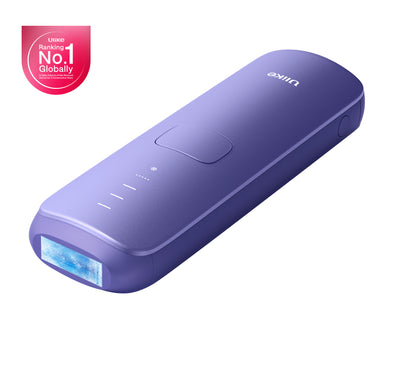
Ulike Air 10

2 weeks to silky smooth skin.

96% Hair Density Reduction in 2 Weeks
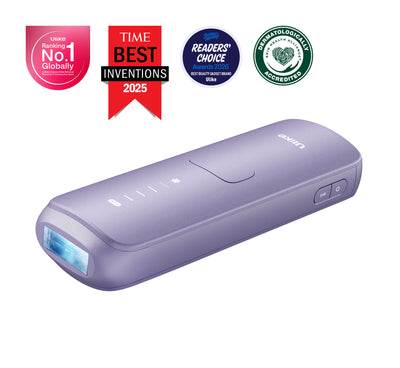
Ulike Air 3

3 weeks to silky smooth skin.

93% Hair Density Reduction in 4 Weeks
Ulike X

3 weeks to silky smooth skin.

94% hair reduction in just 2 weeks*

Ulike Reglow LED face mask red light therapy device

Ulike Reglow

Clearer skin in 2 weeks: Fewer breakouts
Smoother skin in 4 weeks: Fewer lines, firmer feel

Leave a comment

All comments are moderated before being published.

This site is protected by hCaptcha and the hCaptcha Privacy Policy and Terms of Service apply.

Back to top