



Can IPL Work on Blonde Hair? What to Expect

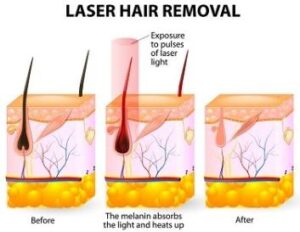
If you are considering using IPL on blonde hair, the short answer is that the process is generally less effective than it is on darker hair. This technology relies on identifying melanin, which is the dark pigment found in the hair follicle, to target and disable hair growth. Because lighter shades often lack a sufficient concentration of this pigment, the device may struggle to detect the hair effectively.
Success levels vary significantly based on your specific color. While those with dark blonde hair might see some positive results, individuals with very pale blonde, white hair, or red hair typically find that IPL does not provide the desired reduction. The effectiveness of your treatments will ultimately depend on the unique combination of your hair shade, your skin tone, and the specific technology of the IPL device you are using.
Key Takeaways
- Melanin is essential: IPL technology targets the melanin (pigment) in the hair follicle to disable growth, making it significantly less effective on hair that lacks sufficient pigment.
- Shade and contrast matter: Results are most likely with dark blonde hair against light skin; pale, red, grey, or white hair generally do not contain enough pigment for the light to be absorbed effectively.
- Examine the root: The visible hair color can be deceptive due to sun-lightening; check the stubble color after shaving to see if the root is dark enough to potentially respond.
- Manage expectations: Even for dark blonde hair, results are typically slower and less predictable than they are for those with darker hair colors, often requiring more patience and consistent sessions.
- Explore alternatives: For hair types that are unresponsive to light-based treatments, electrolysis is the gold standard because it targets the follicle directly without relying on pigment.
Why IPL is usually less effective on blonde hair
Intense pulsed light, or IPL, functions by sending flashes of broad-spectrum light into the skin. During this process, the hair pigment absorbs the light energy and converts it into heat, which travels down to the hair follicles to disrupt growth and slow regrowth over time.
When hair is blonde, fine, or nearly translucent, it lacks sufficient pigment to absorb the light effectively. Specifically, these hair types often contain very low levels of eumelanin, the dark pigment responsible for absorbing light, and instead consist mostly of pheomelanin, which does not react well to these treatments. Because the device may pulse without the follicle reaching the necessary temperature to disrupt the growth cycle, results are often inconsistent. If you want a plain-language refresher on how light pulses target hair follicles, that guide explains the basics well.

Your skin tone also plays a critical role in the efficacy of the treatment. IPL technology works best when the device can easily distinguish the hair from the surrounding skin, meaning high contrast is essential. Because dark hair on light skin provides the clearest contrast, it is the most responsive combination. Blonde hair significantly lowers this contrast, making the treatment much less predictable.
If your hair looks almost colorless in bright daylight, IPL probably won't have enough melanin to target.
There is another detail people often overlook. The visible hair above the skin surface does not tell the whole story. What matters most is the pigment located in and near the root. Hair that appears sun-lightened at the ends may still possess a darker base. This is why some individuals with dark blonde stubble see results, while others with pale blonde fuzz notice very little change.
Which blonde shades have the best chance of responding
Blonde is not a single color. A dark ash blonde can behave very differently from a pale golden blonde, and the success of IPL depends largely on the melanin content within the hair follicle. In most cases, the darker the blonde, the better the odds for a successful treatment.
Root color matters more than the hair shaft after it has been bleached, faded by the sun, or thinned with age. If your shaved stubble looks taupe, dirty blonde, or light brown, IPL has a better chance of working. If the hair nearly disappears against your skin, the odds drop fast because there is insufficient pigment for the light to target.
This quick comparison helps set expectations:
| Hair shade | Likely IPL response | What to expect |
|---|---|---|
| Dark blonde | Fair to moderate chance | Can improve with steady use, though usually slower than brown hair |
| Medium blonde | Limited chance | Some reduction is possible, but patchy results are common |
| Light or pale blonde | Low chance | Often too little pigment for noticeable reduction |
| Strawberry blonde or red | Low chance | Red-toned pigment usually absorbs IPL poorly |
| Grey or white | Very poor chance | Little to no pigment, so IPL usually does not work |
That aligns with industry standards, such as the Braun Pro 5 guide to skin tone and hair suitability. While high-quality devices like the Braun Pro 5 use advanced sensors to adjust intensity, they still require adequate pigment to function effectively. Consequently, dark blonde hair may respond, while very light-colored hair, red, or white hair remain poor candidates.
Fine hair presents another challenge. Even if the color is dark enough, low hair density can mean the strands do not carry enough pigment mass for the light to heat them properly. That is one reason facial peach fuzz, pale arm hair, and soft body hair tend to respond poorly to treatment. Meanwhile, coarser dark blonde hair in the underarm or bikini area provides a more substantial target, giving it a better shot at success.
Skin tone and device type can change your results
Hair color is only half the story. Your skin type and skin tone affect how safely and effectively IPL can be used because skin also contains melanin. When skin is deeper in tone, more light may be absorbed at the surface, which can increase the risk of irritation or burns with some devices.
Older IPL systems had a narrower treatment range for that reason. Newer devices may use skin sensors and preset limits to improve safety, but those limits do not change the main rule: the device still needs enough contrast between your skin tone and hair to effectively target the follicle. Sensica's overview of hair color and skin tone makes that point clearly.
At-home devices and professional treatments also differ significantly. Professional clinic machines can utilize higher energy and often offer more control over the specific wavelength used during the session. A trained provider can assess your skin, examine the actual root color of your hair, and tell you quickly if you are a realistic candidate.
Home devices are intentionally calibrated to lower power settings. This makes them safer for regular use, but it also means borderline hair colors can be harder to treat effectively. If your hair sits between dark blonde and light blonde, a professional consultation may reveal that a clinic can achieve better results than an at-home device.
Still, higher energy output does not solve every limitation. If there is not enough melanin in the follicle, professional IPL or even laser hair removal will likely fall short. A high-powered flash cannot create pigment that is not naturally there.
For that reason, individuals with very pale blonde, red, grey, or white hair should be cautious about investing in light-based treatments without a professional consultation first.
Realistic expectations, patch testing, and safe use
Setting realistic expectations is essential when using IPL on lighter hair colors. If you have dark blonde hair and fair skin, aim for gradual hair reduction rather than complete hair removal. After several treatment sessions, you may notice that hair regrowth occurs slower, the texture becomes finer, and hair appears in thinner patches. Keep in mind that results generally take longer to manifest compared to individuals with brown or black hair.
Body area matters as well. Coarser areas, such as the bikini line or underarms, often respond better than arms, cheeks, or the upper lip. This is because coarse hair usually contains more pigment and features a stronger root that absorbs the light energy more effectively.
A patch test is worth doing every time you try a new device or a new body area. Since blonde hair is already a borderline case for light-based technology, you want to verify both skin comfort and early response before committing to a full treatment.
Use these basic safety rules:
- Shave first, so the light can reach the root instead of singeing hair above the skin.
- Patch test a small area 24 to 48 hours before a full session.
- Start on a lower setting, then increase only if your skin stays calm.
- Avoid tanned skin, self-tanner, sunburn, tattoos, dark moles, and broken or irritated skin.
- Follow the device's eye-safety instructions, and stop if you get blistering or redness that lasts.
If you see no slowdown after a fair trial, do not keep chasing a result that isn't coming. Most devices require consistent application over several weeks to see a difference in hair regrowth. If dark blonde hair shows no change after that period, the hair may be too light for IPL technology to be effective.
For a simple overview of why light-based devices struggle with pale hair colors, FOREO's IPL guide gives a useful summary.
Better hair removal options for very light blonde, grey, red, or white hair
When your hair lacks the necessary pigment for light-based treatments, exploring alternative hair removal methods becomes essential. The gold standard for permanent results on hair that is too light for IPL is electrolysis. Because electrolysis treats each follicle directly, it does not rely on pigment cells to be effective, making it a reliable solution for anyone with blonde, grey, white, or red hair.
While electrolysis is a slower process that requires patience compared to quick light-based sessions, it remains the most effective long-term choice. If you are considering professional services, keep in mind that traditional laser hair removal often faces the same limitations as IPL. Most laser systems also rely on high concentrations of melanin to function, so they are frequently ineffective on very pale hair. However, some newer technologies incorporate radio frequency energy alongside light to help target hairs that have fewer pigment cells, which may be worth discussing during a consultation.
For those seeking at-home solutions or faster alternatives, there are several effective options available depending on your goals:
- Waxing or sugaring works on any hair color and provides smoother results for longer periods than shaving.
- An epilator serves as a great mechanical alternative that removes hair from the root, offering a cost-effective solution for larger areas like legs and arms.
- Shaving remains the fastest and most affordable option for regular upkeep.
- Depilatory creams can be highly effective if your skin tolerates the formula, though performing a patch test is always recommended.
- Threading or dermaplaning are practical, precise ways to manage facial peach fuzz.
Regardless of the method you choose, understanding the limitations of your specific hair color will help you manage your expectations and select the treatment that best fits your needs.
Frequently Asked Questions
Can I use IPL on light blonde or white hair?
IPL is generally ineffective on very light blonde, white, grey, or red hair. These hair colors lack the necessary concentration of eumelanin required for the light energy to be absorbed by the follicle and converted into heat.
Is dark blonde hair suitable for IPL treatments?
Dark blonde hair has a fair to moderate chance of responding to IPL. Because it contains more pigment than lighter shades, it can often absorb enough light energy to see a reduction in growth over time, though results will be slower than with black or dark brown hair.
Why does root color matter more than the hair on the surface?
Sun exposure can lighten the visible ends of your hair while the root remains closer to your natural pigment. Since IPL targets the hair follicle beneath the skin, the color of the stubble at the base is a much more accurate indicator of potential success than the bleached tips.
Are professional laser treatments better than at-home IPL for blonde hair?
Professional systems can sometimes utilize higher energy levels and advanced technologies to target hair that is difficult for at-home devices. However, if your hair truly lacks sufficient pigment, even professional lasers may struggle to achieve permanent results, making consultation with a technician necessary.
Final Thoughts
Successfully using IPL on blonde hair ultimately comes down to the science of light absorption. Because melanin is the primary target for the light pulses, the lower pigment levels found in lighter strands make it difficult for the follicle to absorb enough energy to disrupt growth. Consequently, the effectiveness of IPL for blonde hair remains less predictable than it is for those with darker tones.
Dark blonde hair may show some results, particularly when there is a strong contrast against light skin, but results will vary. If you have very pale blonde, grey, red, or white hair, IPL is unlikely to provide the outcome you want. In these cases, professional laser hair removal may still struggle to achieve permanent reduction, and electrolysis remains the most reliable option for long term hair removal.
If you are trying to determine if your hair qualifies, always examine the root color after shaving rather than the sun-lightened ends. Understanding the concentration of melanin in your hair follicles will help you manage your expectations and decide whether to proceed with an at-home device or seek a professional consultation for alternative methods.
Featured Products

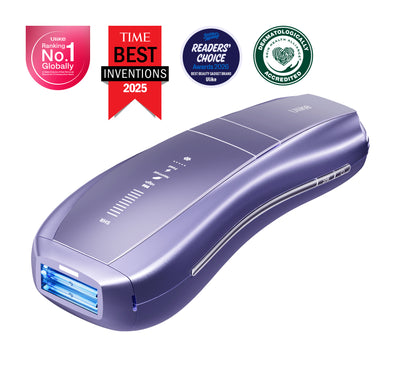
Ulike Air 10
2 weeks to silky smooth skin.
96% Hair Density Reduction
The next-generation in simple,
lasting hair removal.

How to Switch from Plucking Chin Hair to IPL
Electrolysis vs Laser Hair Removal: Which Is Better?
Best Female Facial Hair Remover: Which One Suits You?

Explore Beauty
Ulike Air 10
2 weeks to silky smooth skin.
96% Hair Density Reduction in 2 Weeks
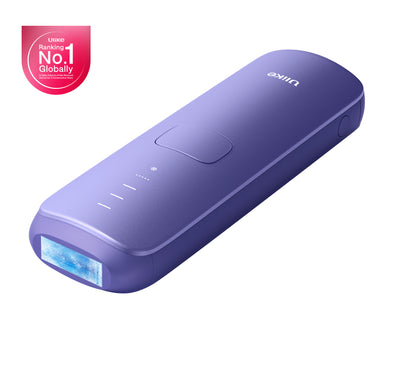
Ulike Air 3
3 weeks to silky smooth skin.
93% Hair Density Reduction in 4 Weeks
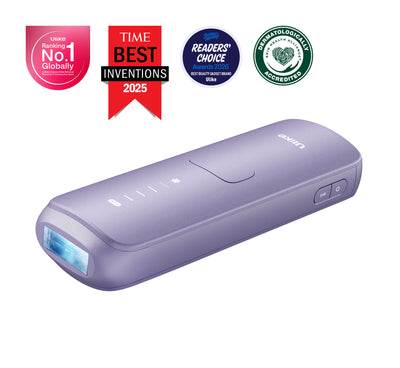
Ulike Air 4
4 weeks to silky smooth skin.
95.8% hair reduction in just 2 weeks*
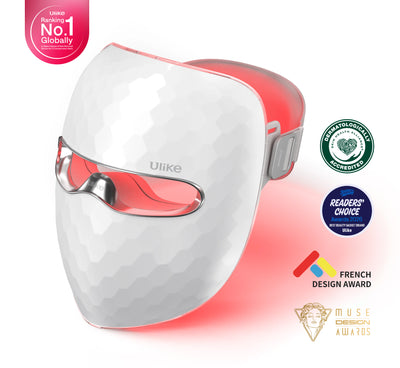
Ulike Reglow
Clearer skin in 2 weeks: Fewer breakouts
Smoother skin in 4 weeks: Fewer lines, firmer feel