





Can You Use Shaving Cream with Electric Razor (7 Tips to Shave)

Introduction
Only a few men nowadays use a conventional razor and brush to tidy up their beards or remove unwanted hair from their bodies. The risks of getting ingrown hair, nicks, and bumps with traditional blades are just not making the process worth it. As such, when it’s time to shave, most of us prefer to use an electric razor. These motor-operated electric devices limit the risk and often achieve better results than the former. However, it is usually a concern for those who love wet shaving whether an electric shaver is appropriate for such operations. Or maybe we should put it more directly: “Can you use shaving cream with an electric shaver?” Answering this question requires a bit of explanation and caveats.

Table of Contents:
- Part 1: Does Your Shaver Support Wet Shaving?
- Part 2: How to Cream-Shave with an Electric Shaver
- Part 3: Which is Better? Wet vs. Dry Shaving
- Part 4: How to Choose the Best Electric Shaver: Important Considerations
- Part 5: Frequently Asked Questions
Part 1: Does Your Shaver Support Wet Shaving?
First, it depends on the type of electric razor you have. Earlier versions of electric razors were strictly meant to be used on dry skin. Suppose you use them with shaving cream with electric razor configurations or while in the bathroom; you stand the risk of either getting an electric shock or damaging the device. In fact, it’s not advisable to use such models connected to the wall with anything liquid. If you are constantly asking yourself, “Do I use shaving cream with an electric shaver?” the absolute first step is to verify your device's compatibility.
However, if you have newer models of electric shavers that can work in wet and dry conditions, using shaving cream with electric shaver models won’t be a problem. Such shavers usually carry clear labels that show they can be used in both situations. When using a compatible device, can you use an electric shaver with shaving cream? Yes, absolutely! For individuals with sensitive skin, you should use shaving cream with an electric razor because it adds a vital layer of lubrication that protects the dermis from razor burn.

Part 2: How to Cream-Shave with an Electric Shaver
The next consideration is the "how." Even with a compatible device, you can get it wrong if you don’t know how to go about applying electric razor shaving cream setups properly. Usually, for beards and pubic shaving, having a little bit of moisture in the form of a cream or gel helps to achieve closer and nearly painless shaves. The possibility of suffering nicks also reduces with wet shaves. Below are some essential tips to follow if you want to know how to properly use shaving cream with an electric razor:
- Prepare the area to be shaved by cleaning it with warm water and an exfoliating gel. Doing so will help eliminate dirt, oil, and dead skin that can cause ingrown hair.
- Avoid using too much cream so it doesn’t create a thick barrier between the shaver and your skin. With a traditional razor, it’s OK to have a lot of it, but when applying shaving cream with electric razor routines, less is more.
- Depending on the coarseness of the hair you’re trying to shave off, you will need to massage the cream deeply into it to lift the stubble and get a clean shave. Selecting a high-quality shaving gel for electric shavers can significantly optimize this process by softening stubborn hairs.
- The direction of the shave is also important. With an electric razor, effective shaving is usually opposite the hair grain. You can use your hand to determine the grain direction and run the razor opposite it while maintaining minimal pressure.
- Most electric shavers that support wet/dry shaves use batteries for safety purposes. As such, ensure that it is optimally charged before commencing to get the best. Never rush during shaving, as haste causes irritation.
- After-shaving care matters a lot; it can determine whether you will suffer itchiness, discomfort, or pain. It’s important you apply soothing lotions to calm your skin after hair removal.
Part 3: Which is Better? Wet vs. Dry Shaving
Beyond the debate of the appropriateness and possibility of using an electric razor with cream or soap, the next question is: which is actually better? For clarity’s sake, dry shaving is when you use the electric razor to remove unwanted hair without using any accompaniment like water, cream, or soap. Conversely, wet shaving involves using any of these three items.
|
Parameters |
Wet Shaving |
Dry Shaving |
Winner |
|
Close Shaving |
The razor cuts the hair slightly below the skin surface, resulting in a smooth outcome and delayed regrowth. |
The blade cuts the hair close to the skin’s surface, causing the hair to grow back faster. |
Wet shaving |
|
Itching during shaving |
Hair regrowth can irritate the skin’s underside, leading to itchiness. |
Since cutting occurs above the skin, itchiness during regrowth is less likely. |
Dry shaving |
|
Irritation during shaving |
Shaving wet brings the razor close to your skin, which for some skin types, can irritate. Nevertheless, many have found that using creams, soaps, or water with their electric razors significantly reduces irritation and abrasion. |
As the blade does not make contact with your skin directly, abrasion and irritation during shaving are minimized. However, with some skin types, dry shaving can elicit irritation and abrasion. |
No clear winner, as both have exceptions. |
|
Speed of completion |
Shaving with cream, soap, or water takes considerable time and care. It’s not something you should do when in a hurry or trying to meet up with a deadline. |
Dry shaving can happen anywhere and within minutes. No extensive preparations are needed, and you can do it just minutes before you leave for work. |
Dry Shaving is faster. |
|
Feel and Experience |
People who wet-shave often report a feeling of luxury, self-love, and enjoyment. |
Given the less attention and time accorded to dry shaving, most people say they can’t recall any special feeling associated with it. |
Feeling is subjective and hence cannot be used to judge in this case. |
|
Nicks & Cuts |
You need extra care to avoid nicks and cuts when wet-shaving. That is due to the closeness of the shaver to your skin |
Dry shaving results in fewer cuts and nicks (if any) than wet shaving. The reason is that the blade doesn’t get as close to the skin as in wet shaving |
Dry shaving |
|
Price |
Electric razors that work with or without moisture are usually more expensive than dry-only ones. Besides, the additional cost of purchasing creams or soaps can make it more costly than traditional shavers |
Dry-only shavers are relatively cheaper than wet & dry ones. And considering that they don’t need any accompaniment, rather than their regular maintenance, they can really help to save money |
Dry shaving |
Part 4: How to Choose the Best Electric Shaver: Important Considerations
Choosing the most appropriate device for oneself can be a daunting task. The guide below can help you avoid this headache:
- Powering Option: Electric shavers can be battery-operated, mains-powered, or rechargeable. If you are a traveler, a cordless or battery-operated electric razor may be your best choice.
- Brand Reputation: A choice from any of these established brands – Philips, Braun, Remington, and Panasonic – will most likely be a great one. Philips mainly focuses on rotary shavers, while Braun specializes in foil shavers.
- Wet or Dry Functionality: Your choice here depends on the nature of your skin. If you have highly sensitive skin, you may want to check the dual-purpose electric shaver options that support wet use.
- Budget: Just like you can get an electric shaver for as low as $70, you can also get some above $500 or more. Well-managed, an electric shaver can last for years. Also, you must factor in the cartridge replacement and maintenance costs in your budget.
Part 5: Frequently Asked Questions
Q1: Can you use shaving cream with an electric shaver safely?
Yes, you can, but only if your device is specifically designated as a wet and dry model. Traditional or older electric razors connected directly to a wall mains outlet pose a severe risk of electric shock and machine damage if exposed to water or cream.
Q2: Do I use shaving cream with an electric shaver if I have sensitive skin?
Yes, using shaving cream with electric shaver setups is highly recommended for sensitive skin. It provides a protective barrier and reduces friction, helping to minimize irritation, redness, and razor burn compared to dry shaving.
Q3: What is the best shaving gel for electric shavers?
The best shaving gel for electric shavers is a lightweight, non-foaming formula. Heavy, thick traditional foams can clog the complex foil or rotary heads of electric razors, leading to reduced performance and difficult cleanup.
Q4: Is there a long-term solution to avoid daily shaving irritation entirely?
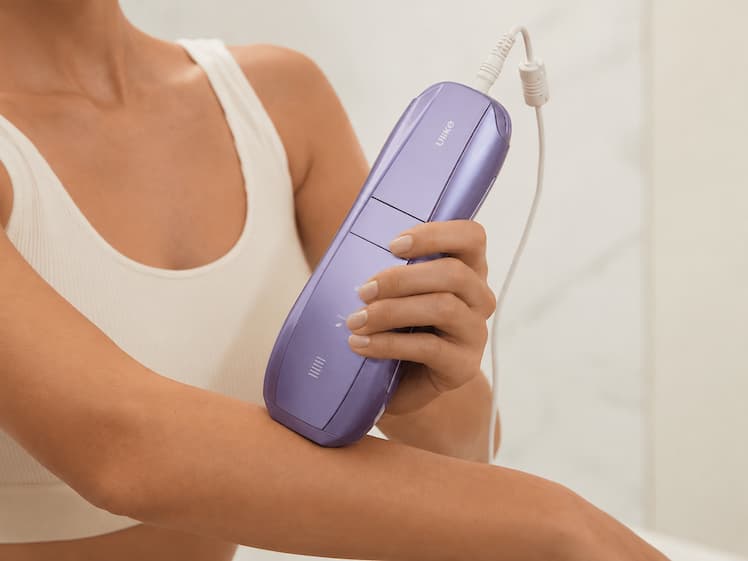
If daily shaving causes ongoing irritation or you are tired of managing creams and gels, consider a long-term hair removal method. The Ulike Air 10 is an advanced IPL hair removal device equipped with Next-Gen Sapphire Ice-Cooling technology, providing nearly painless, salon-quality hair reduction at home. It targets hairs at the root to significantly slow down regrowth, giving you long-lasting smooth skin without the daily hassle of blades and shavers.
Conclusion
While it’s possible to use an electric shaver with creams or soaps, you must be sure that your product supports it. Besides, extensive preparations and care are needed to prevent nicks and cuts. If done correctly, wet shaving can produce an incredibly smooth shave with long-lasting effects.
Featured Products

Ulike Air 10
2 weeks to silky smooth skin.
96% Hair Density Reduction
The next-generation in simple,
lasting hair removal.

Best Underarm Hair Removal Options: What Should You Choose?
How Much Is Electrolysis Hair Removal? Let’s Break It Down

Laser to Remove Ingrown Hair: Does It Really Work?

Explore Beauty
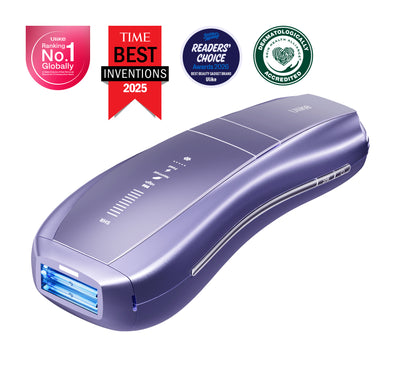
Ulike Air 10
2 weeks to silky smooth skin.
96% Hair Density Reduction in 2 Weeks
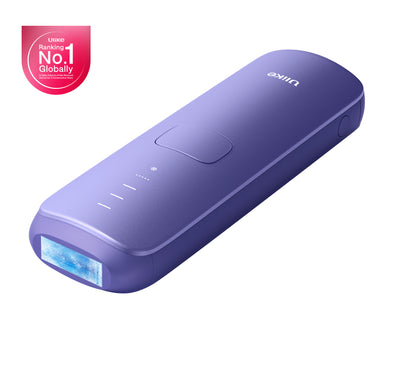
Ulike Air 3
3 weeks to silky smooth skin.
93% Hair Density Reduction in 4 Weeks
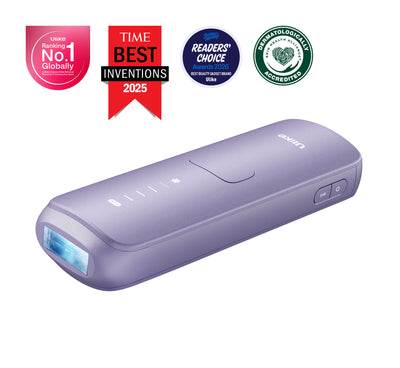
Ulike Air 4
4 weeks to silky smooth skin.
95.8% hair reduction in just 2 weeks*
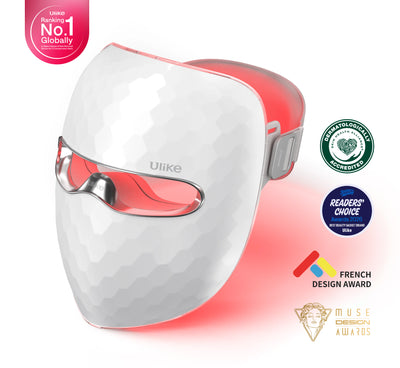
Ulike Reglow
Clearer skin in 2 weeks: Fewer breakouts
Smoother skin in 4 weeks: Fewer lines, firmer feel