



How to Calm IPL Redness Without Irritating Skin

Redness after IPL can look alarming in the mirror, especially when your skin still feels warm hours later. Most of the time, it settles with simple care.
The first day matters most, because heat, friction, and harsh products can keep the skin irritated longer. A calm routine is usually the fastest way to help it settle. Recovery also varies by skin type, treatment intensity, and provider protocol, so follow your clinician's aftercare if it differs from the advice here.
What IPL redness usually looks like
Mild IPL redness often looks like a light pink flush, a sunburn-style warmth, or a little tightness in the treated area. Some people also notice slight swelling or tenderness. That can all be normal, especially right after treatment.
Most of the time, the skin starts to settle within a few hours. For some people, it takes a day or two. If your skin is improving slowly, that usually points to ordinary recovery, not trouble.
Mild pinkness and warmth can be normal after IPL. Blistering, strong pain, or redness that gets worse needs a professional look.
Pay attention to the pattern, not just the color. Redness that fades, cools down, and feels less sensitive is moving in the right direction. Redness that spreads, becomes hotter, or starts to sting more should be checked. If you want a fuller checklist, the IPL hair removal aftercare tips article covers the basics in one place.
Cool the skin without overdoing it
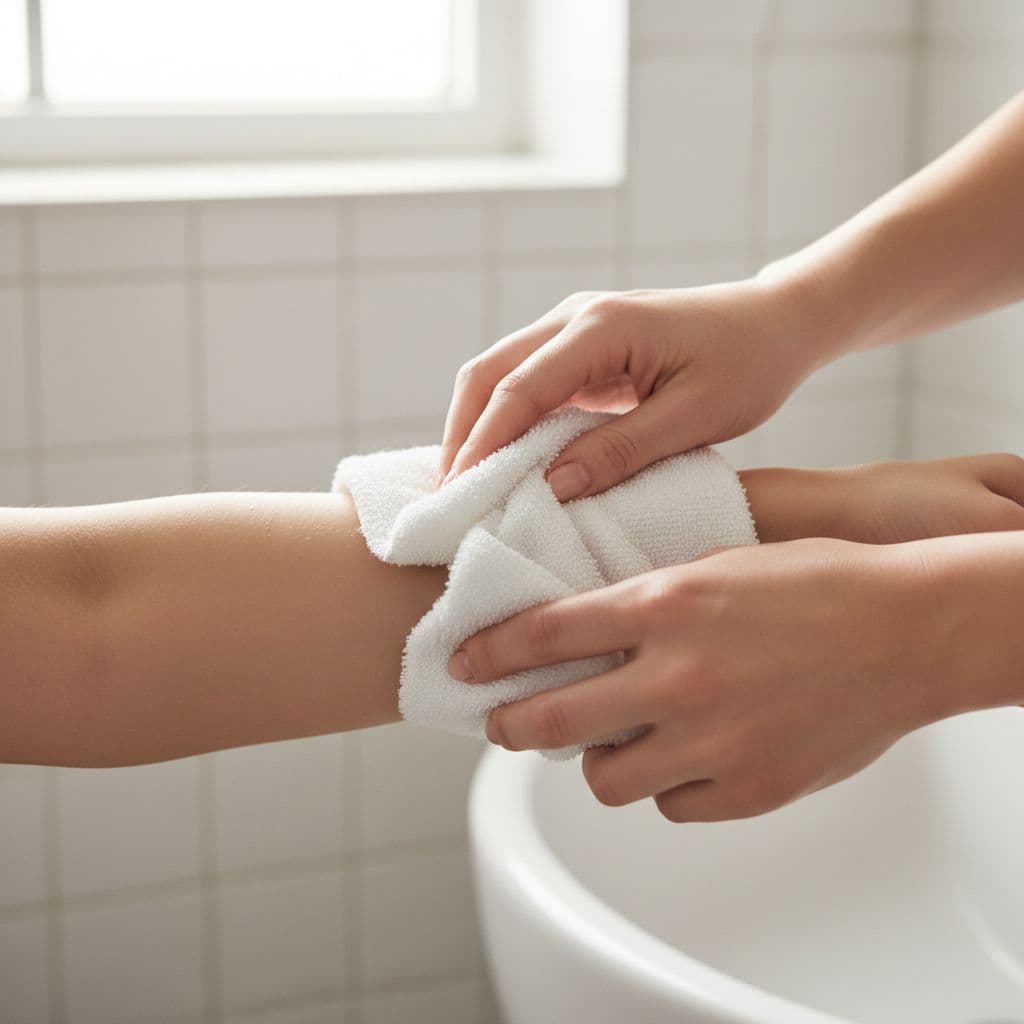
A cool compress is one of the simplest ways to calm the skin. Use a clean, soft cloth with cool water, then press it gently on the area for a few minutes. Do not rub. Pressure and friction can make fresh IPL redness feel worse.

Keep the compress cool, not icy. Ice placed directly on skin can be too harsh, especially right after light-based treatment. If you use a cold pack, wrap it in a cloth first and give your skin short breaks between applications.
Philips' post-IPL skincare guide also recommends a cool cloth, gentle cleansing, moisturizer, and sunscreen. That advice lines up with the basic rule here, keep the skin calm and avoid anything that feels sharp, hot, or scratchy.
If your provider gave you a soothing gel or a specific cream, use that instead of trying several products at once. One simple product is better than three guesses. For many people, less contact means less redness.
Build a low-irritation routine for the first 48 hours
The best aftercare often looks boring, and that is a good sign. A plain routine gives the skin a chance to settle without extra stress. If you are unsure where to start, the IPL hair removal aftercare tips guide is a helpful quick reference.
A simple plan usually looks like this:
- Cleanse with lukewarm water and a fragrance-free cleanser.
- Pat the skin dry with a soft towel.
- Apply a plain, gentle moisturizer.
- Use broad-spectrum SPF if you go outside.
- Keep showers short and lukewarm.
MD Esthetics' post-care instructions say the same thing in different words, keep the area clean, moisturized, and away from extra heat. That is the safest place to start if your skin feels touchy.
Sunscreen matters even if you only step outside for a short time. Freshly treated skin can react more easily to sunlight, and sun can make redness linger. A hat and shade help too, especially during the first day or two.
Moisturizer also helps more than people expect. A bland, fragrance-free cream supports the skin barrier and can cut down on that dry, tight feeling. Skip strong scents, scrubs, and anything that tingles. If it burns when you apply it, it is the wrong product for now.
What can make redness linger longer
Some habits make healing slower even when the IPL treatment itself went fine. Heat is a common trigger. Hot showers, saunas, steam rooms, and long workouts can keep the skin flushed longer because they raise body temperature and increase blood flow.
Friction can also keep the area angry. Tight clothes, rough towels, face brushes, and repeated touching all irritate newly treated skin. If the treated area feels warm, let it be.
The same goes for strong skincare. Put retinoids, exfoliating acids, peel pads, and scrubs on hold until the skin feels calm again. The same caution applies to products with heavy fragrance or alcohol. If you would not use it on a mild sunburn, skip it here.
A few common mistakes are easy to avoid:
- Taking a hot shower right after treatment
- Hitting the gym before the skin settles
- Using retinol, acids, or scrubs too soon
- Rubbing the area dry with a towel
- Applying makeup or scented products on irritated skin
A short pause is usually better than trying to speed things up. If your skin still feels warm, let cooling and time do the work. For a wider overview of what helps and what does not, the essential dos and don'ts after IPL article is worth a look.
When IPL redness is not normal
Mild redness is common. The warning signs are different.
If you notice blistering, crusting, open skin, or swelling that keeps getting worse, contact your provider. Sharp pain, pus, drainage, fever, or a rash that spreads also deserves attention. If the area near the eyes is involved and feels irritated, call promptly.
If you're unsure where your symptoms fall, a guide on what to expect after IPL treatments can help you compare normal reactions with signs that need follow-up. It is a useful reference, but it does not replace the person who treated you.
Watch for changes that move in the wrong direction. Redness that becomes more intense after the first day, instead of easing, is a reason to check in. The same goes for new dark patches, strong itching, or skin that feels raw.
When in doubt, contact the clinic or provider who performed the IPL. They know the device settings, the area treated, and the aftercare they want you to use. That matters more than general advice online.
Conclusion
The fastest way to calm IPL redness is usually the simplest one. Cool the skin, keep the routine gentle, and leave heat, friction, and harsh products out of the picture for a bit.
Most mild redness fades with time, especially when you give the skin space to settle. If your provider gave you different aftercare steps, follow those first, because recovery varies by skin type, treatment intensity, and protocol.
A calm approach gives your skin the best chance to recover without extra drama.
Featured Products

Ulike Air 10
2 weeks to silky smooth skin.
96% Hair Density Reduction
The next-generation in simple,
lasting hair removal.

How to Switch from Plucking Chin Hair to IPL
Electrolysis vs Laser Hair Removal: Which Is Better?
Best Female Facial Hair Remover: Which One Suits You?

Explore Beauty
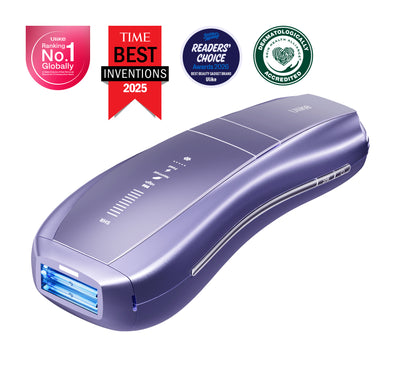
Ulike Air 10
2 weeks to silky smooth skin.
96% Hair Density Reduction in 2 Weeks
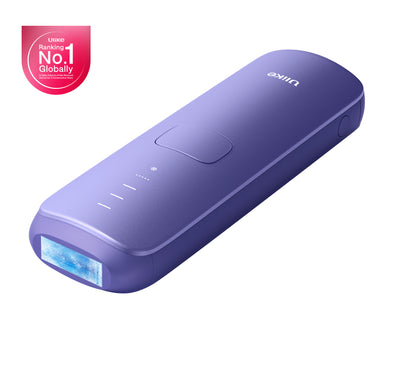
Ulike Air 3
3 weeks to silky smooth skin.
93% Hair Density Reduction in 4 Weeks
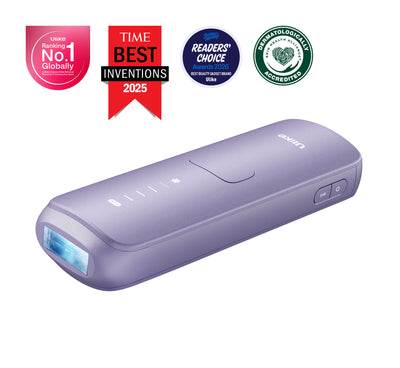
Ulike Air 4
4 weeks to silky smooth skin.
95.8% hair reduction in just 2 weeks*
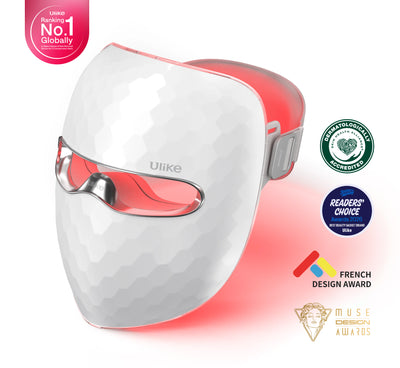
Ulike Reglow
Clearer skin in 2 weeks: Fewer breakouts
Smoother skin in 4 weeks: Fewer lines, firmer feel