



How to Switch from Plucking Chin Hair to IPL

If you've been plucking or tweezing chin hair and want to start IPL hair removal, the short version is this: stop pulling hair out at the root, wait until your chin hair is in a visible, shaveable state, and follow the surface-preparation and patch-test steps in your current Ulike US instruction manual before you begin. From there, treatment is model-specific — which mode, area coverage, and schedule apply to your device depends on the manual for the exact Ulike model you own, not on a generic number pulled from another brand or another hair-removal method.
Whether your cycle timing changes once you switch from plucking or waxing to IPL hair removal depends on your device's official schedule and on how your own facial hair is currently growing back — it is not a fixed number of days that applies to everyone, and it should never be copied from a laser dermatology recommendation or from a different manufacturer's shaver or epilator guidance. If at any point you notice ongoing irritation, a burning sensation, blistering, or a skin-color change that does not fade, stop treatment and seek professional advice.
For a quick, single-point answer to "can I still pluck a stray hair right before my session," see Can You Pluck Facial Hair Before IPL? (/blogs/ulike-faqs/can-you-pluck-facial-hair-before-ipl). You can browse Ulike's full lineup of at-home IPL devices to find the manual that matches the unit you own before you start any transition routine.

Table of Contents:
- Part 1: A Transition Plan for Chin Hair
- Part 2: How Root-Removal Methods Differ From Shaving in an IPL Routine
- Part 3: If Results Look Uneven
- Part 4: Conclusion
- Part 5: Frequently Asked Questions
Part 1: A Transition Plan for Chin Hair
Moving from a root-removal habit to a facial IPL hair removal routine is less about waiting a set number of days and more about following a sequence. Use this checklist as a working record, not a countdown.
- 1Stop root-removal methods. Note the date of your last plucking or waxing session so you have a reference point. Don't translate this into a generic "wait X days" rule — that number does not come from Ulike.
- 2Wait for the device-appropriate hair state. Check your current Ulike US instruction manual for what counts as a treatable hair state on your model before you shave. Timing guidance written for a different brand's shaver or epilator does not carry over.
- Prepare the surface. Shave the treatment area following the steps in shaving before IPL, then check the skin for broken skin, sunburn, or obvious irritation before continuing.
- Patch test and start the model-specific routine. Record your skin's initial reaction and the mode you used. A patch test result on one skin tone or hair color does not guarantee the same result for every user.
- Track, then maintain. Log the treatment date, area, intensity level, skin response, and any change in hair growth. How often you maintain treatment afterward follows your specific model's manual, not a one-size figure.
Part 2: How Root-Removal Methods Differ From Shaving in an IPL Routine
Understanding the difference between plucking, waxing, and shaving matters for anyone comparing IPL hair removal, plucking, waxing, before-treatment shave, hair follicle, and shaving chin facial official guidance, because each method interacts with the hair follicle differently.
Dermatology sources that cover common hair removal methods describe plucking and waxing as methods that pull the hair shaft, and typically its root, out of the follicle — but removing the visible hair and root is not the same as removing the hair follicle and growth cycle structure itself, which sits under the skin and continues producing hair. Shaving, by contrast, mainly cuts the hair shaft at or near the skin's surface and does not disturb the follicle at all.
Hair also grows out of the follicle in different stages, and how a specific area or a specific person's hair is currently cycling can vary — this general growth-cycle background should not be rewritten into a fixed timeline for chin hair, and it does not tell you when to start IPL hair removal on a Ulike device.
This is also why plucking chin hair can irritate skin is worth reading before you switch: repeated root-removal on a small, sensitive area like the chin can leave skin more reactive right when you're about to introduce a new routine. When you move from long-term plucking or waxing to IPL, the practical takeaway is to stop the root-removal method, observe your hair and skin state against your current Ulike US manual, complete surface preparation, and run a patch test — without borrowing a waiting-period number from a general dermatology hair-removal method article or from a competing device's manual.
It's also worth separating a single slip-up from a real setback. Accidentally plucking one chin hair does not mean your whole treatment cycle has failed or that you need to start over; it mainly means you should avoid plucking any other hairs in that area going forward and simply follow your current model's guidance and how your skin looks before your next session.
How IPL works on the chin, which areas it's meant for, which hair colors and skin tones it can treat, how patch testing works, and which modes and schedules apply are all questions the current Ulike US product page or the manual for your exact model is built to answer — for example, Ulike Air 10 lists its own fit criteria on its product page, and that page (not a general laser hair removal, plucking, waxing, before-treatment, shave dermatology overview) is the reference for what that specific model supports. At-home IPL and in-office professional laser are also not interchangeable — a professional laser dermatology page should not stand in for your Ulike device's instructions.
Part 3: If Results Look Uneven
If chin hair reduction looks inconsistent after switching from plucking or waxing to IPL, work through the checks below in order rather than assuming the device isn't working.
| Check | What to verify | Boundary |
|---|---|---|
| Fit | Your skin tone and hair color against the Ulike US chart for your model | Don't assume every hair color works equally well |
| Preparation | Whether the area was shaved per the manual and whether skin was irritated beforehand | One missed shave isn't proof the treatment failed |
| Coverage | Whether the upper lip and chin were treated evenly | Don't cite a fixed area size or minute count unless your manual states one |
| Mode | Whether you used a mode or intensity level your current model allows | Don't borrow settings language from another brand's device |
| Schedule | Whether sessions followed your model's schedule | Don't apply a competitor's cycle length to Ulike |
| Medical boundary | Sudden coarse or dark hair growth along with other symptoms | Suggest professional evaluation; this is not a diagnosis |
For what a completed course of chin and jawline treatment typically involves, see what to expect for chin IPL — that page covers session expectations and maintenance in more depth, and its figures shouldn't be copied back into this transition guidance.
If chin hair suddenly becomes noticeably coarser or darker and this happens alongside other changes, it can be worth reading up on hormone-related facial hair changes and discussing it with a healthcare provider. This is general background, not a diagnosis of any condition, and it isn't a guarantee about how any IPL device will perform on hormonally influenced hair.
Part 4: Conclusion
If you're switching from plucking or waxing to IPL hair removal on your chin, the sequence stays the same regardless of how long you've used root-removal methods: stop pulling hair out, return to surface preparation and a patch test following your current Ulike US manual, and follow the mode and schedule listed for your specific model. If results look uneven, work back through fit, preparation, coverage, mode, and schedule before assuming anything is wrong with the device. And if you ever see ongoing irritation, blistering, real pain, or a skin-color change that doesn't fade, pause treatment and get advice. Nothing here adds a universal waiting period, promises a result for a specific model, or offers a medical diagnosis — it summarizes the steps and boundaries already laid out above.
Part 5: Frequently Asked Questions
Q1: What should I do if I accidentally pluck one chin hair before an IPL session?
One accidental pluck does not mean your whole treatment cycle has failed or that you need to restart it. Avoid plucking any other hairs in that area, and base your next steps on your current Ulike instruction manual and how your skin looks rather than on a fixed makeup or catch-up timeline. If you're unsure, Ulike support can help you confirm what applies to your model.
Q2: Why should I avoid waxing before IPL?
Waxing pulls the hair, and usually its root, out of the follicle in the same way plucking does, which is why both are grouped together as root-removal methods that IPL treatment depends on you stopping first. This is a general explanation of how the methods differ, not a claim that waxing has caused a clinical failure on any specific device.
Q3: Is visible stubble normal when switching from plucking to IPL?
Short, visible stubble on the surface reflects normal hair growth and shaving between sessions — it isn't the same as a treatment failure. Hair grows back out of the follicle in stages, and how quickly stubble appears can vary by area and by person, so it shouldn't be read as an immediate verdict on results, and no single session is expected to remove hair permanently right away.
Q4: What if my chin hair is coarse or seems hormone-related?
Chin hair that becomes noticeably coarser or darker, especially alongside other changes, can be worth discussing with a healthcare provider, since hormonal factors can play a role in facial hair growth. This isn't a diagnosis of any condition, and it doesn't determine on its own whether or how an IPL device will work for you.
Q5: When should I stop using IPL and ask for help?
Stop treatment and seek professional advice if you notice blistering, severe pain, irritation that spreads or doesn't settle down, or a change in skin color that lasts rather than fading. These are the signals to watch for regardless of which model or schedule you're following.
Featured Products

Ulike Air 10
2 weeks to silky smooth skin.
96% Hair Density Reduction
The next-generation in simple,
lasting hair removal.
How to Switch from Plucking Chin Hair to IPL

Electrolysis vs Laser Hair Removal: Which Is Better?
Best Female Facial Hair Remover: Which One Suits You?

Explore Beauty
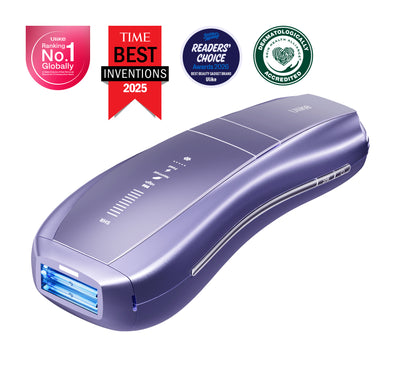
Ulike Air 10
2 weeks to silky smooth skin.
96% Hair Density Reduction in 2 Weeks
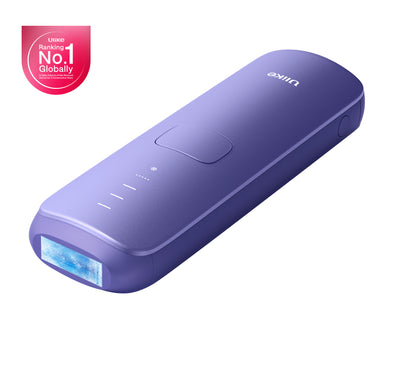
Ulike Air 3
3 weeks to silky smooth skin.
93% Hair Density Reduction in 4 Weeks
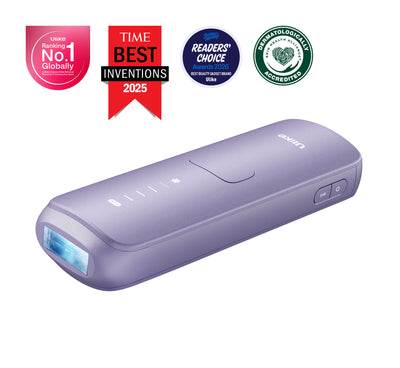
Ulike Air 4
4 weeks to silky smooth skin.
95.8% hair reduction in just 2 weeks*
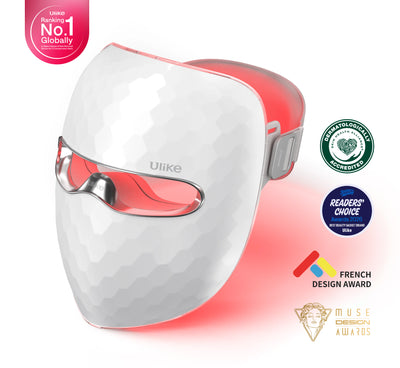
Ulike Reglow
Clearer skin in 2 weeks: Fewer breakouts
Smoother skin in 4 weeks: Fewer lines, firmer feel