

Table of Contents
A red light mask and retinol can live in the same routine, but your skin may need a slow introduction. Retinol can dry and sting at first, while red light therapy works best when skin is calm and clean.
If you rush both at once, your skin barrier can get annoyed fast. The smarter move is to choose the right order, start slowly, and know when to keep them on separate nights.
What happens when you combine red light and retinol
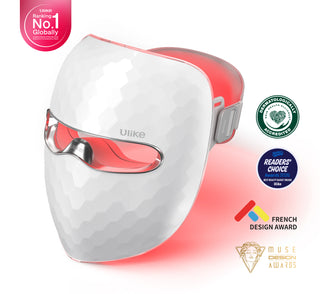
Red light therapy and retinol do different jobs. A mask uses light, while retinol is a topical active that changes how skin renews itself over time.
That means they can often fit into the same overall routine. Still, pairing them too quickly can make skin feel tight, flaky, or warm. If your face already reacts to strong products, go slower than you think you need to.
Some brands do say the combo can work well in one routine. Project E Beauty's retinol and red light overview makes that point clearly, but skin tolerance still matters more than any routine trend.
If you want the device side of things first, the Ulike ReGlow step-by-step guide is a helpful place to start.
The safest order is mask first, retinol later
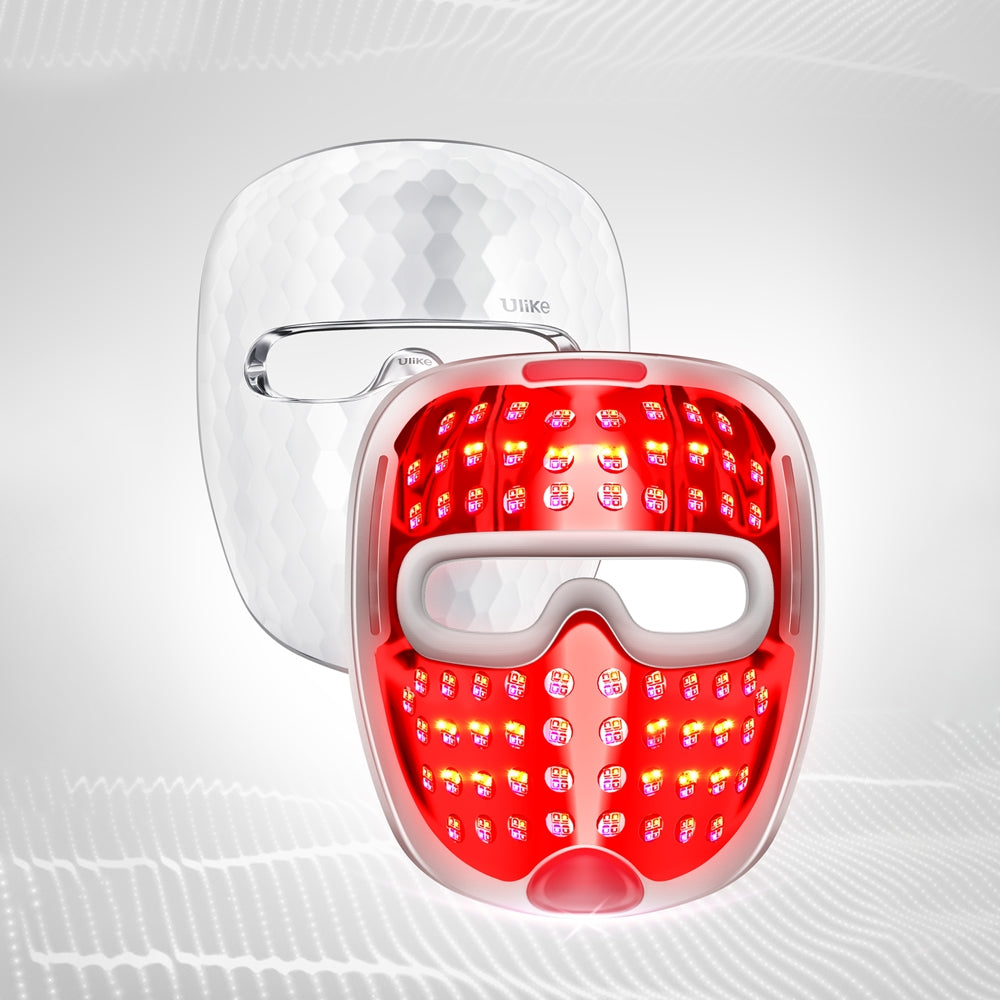
For most people, the best sequence is simple: clean skin, red light mask, retinol later. The mask should go on bare, dry skin so it can do its job without a thick layer in the way.
Best order: use the mask on clean, dry skin, then add retinol later if your skin handles it.
A few brands say the same thing in plain language. Revive Light Therapy's retinol and LED guidance says not to apply retinol before light therapy. That lines up with a practical routine, since retinol can be more irritating when layered carelessly.
Here's a simple sequence that keeps things calm:
- Cleanse with a gentle, non-stripping cleanser.
- Pat your face fully dry.
- Use the red light mask for the full session time.
- Wait a few minutes if your skin feels warm.
- Apply retinol, using only a pea-sized amount.
- Finish with a plain moisturizer if your skin needs it.
If your mask instructions say to use it on bare skin only, follow that. Device guidance comes first. Retinol should never be the product that goes under the mask.

Start slow so your skin can adjust
The first few weeks matter most. If you jump straight into frequent use, you may not know which step caused the irritation.
A gentle start looks different for everyone, but this is a practical place to begin:
| Week | Red light mask | Retinol |
|---|---|---|
| 1 | 2 sessions | 1 to 2 nights, low strength |
| 2 | 2 to 3 sessions | 2 nights if skin feels calm |
| 3 to 4 | 3 sessions | 2 to 3 nights, as tolerated |
The table is only a starting point. If your skin is dry, sensitive, or new to retinoids, stay at the low end longer. If your skin feels fine, you can slowly build from there.
Patch testing helps too. Try the retinol on a small area for a few nights before you add the mask on the same evening. If the product burns on its own, the issue is the retinol, not the light.
Moisturizer matters in this phase. A bland, fragrance-free cream can make the whole routine easier to tolerate. Sunscreen also matters the next morning, since retinol can make skin more sun-sensitive.
When separate nights make more sense
Same-day use is possible for some people, but separate nights are often easier. That choice gives your skin more room to breathe, which is useful if you are new to either step.
Use separate nights when:
- Your skin stings after retinol.
- You see peeling, flaking, or tightness.
- You use stronger retinoids or prescription acne products.
- You also use exfoliating acids, scrubs, or peels.
Separate nights are also smart after a facial procedure or when the weather turns dry. Skin often needs less, not more, during those stretches.
If you have a history of rosacea, eczema, or contact dermatitis, go even slower. A dermatologist can help you decide whether to alternate nights, lower your retinol strength, or pause the mask for a while.
Signs your routine is moving too fast
Your skin usually gives clear feedback. Redness that lasts, a burning feeling, or repeated peeling means the routine needs a reset.
If that happens, step back from retinol first. Keep cleansing gentle, use a simple moisturizer, and skip any extra actives for a few days. You can also pause the mask if your skin feels hot or tender.
A useful rule is this: if your skin feels calm, you can build. If it feels raw, you need less. That idea is boring, but it works.
A routine your skin can handle
The best red light mask retinol routine is not the most packed one. It is the one your skin can repeat without getting irritated.
Start with clean, dry skin. Use the mask first, then add retinol later only if your skin handles it well. If your face feels sensitive, move them to different nights and keep the routine simple.
That slow approach usually gives you better results than forcing everything into one evening. Skin responds well to consistency, not pressure.
FAQ
Should you use retinol before or after a red light mask?
After, if you use them on the same night at all. The safer order is to use the mask on clean, dry skin first, then apply retinol later.
Can they be used on the same day?
Yes, often they can. Many people use the mask earlier in the routine and retinol later that night, or they keep one for the morning and the other for evening. If your skin is new to retinol, separate nights are the easier choice.
What if skin becomes irritated?
Stop the retinol first, since it usually causes the dryness and stinging. Use a gentle cleanser and a plain moisturizer, then give your skin a few days to settle. If the area still feels hot, raw, or keeps peeling, pause both steps until your skin feels normal again.
Who should ask a dermatologist first?
Anyone using prescription retinoids should ask first. So should people with rosacea, eczema, contact dermatitis, very reactive skin, or a recent peel, laser treatment, or microneedling session. Pregnant or breastfeeding readers should also get medical advice before adding retinol.