




IPL After Sun Exposure: When to Wait and Restart Safely

Your skin may not care that it is treatment day, but if you have recently been out in the sun, Intense Pulsed Light or IPL should usually wait. You must be particularly cautious about IPL after sun exposure to avoid potential complications.
This precaution is necessary because tanning and sunburn can cause the skin to absorb more light energy. When that happens, the risk of burns, skin sensitivity, and pigment changes significantly increases.
The good news is that a short pause is often enough to let your complexion recover. What matters most is whether your skin looks and feels back to its usual baseline before you proceed with your next session.
Key Takeaways
- Avoid IPL treatment if your skin is sunburned, peeling, or shows signs of recent tanning, as excess melanin can absorb too much light energy and cause burns or hyperpigmentation.
- Always wait until your skin has returned to its natural, pre-exposure baseline tone and feels completely calm before proceeding with a session.
- Perform a mandatory patch test on a small area of skin 24 to 48 hours before treating larger areas, especially after any significant period of sun exposure.
- Maintain a consistent sun protection regimen using broad-spectrum SPF 30 or higher, and seek professional advice if you have specific skin conditions or darker skin tones.
Why a tan changes how IPL works
IPL works by targeting pigment for effective hair removal. The device emits light that is absorbed by the melanin found in your hair follicles, heating the root to inhibit future growth. After sun exposure, your skin contains higher levels of melanin due to UV rays, which trigger pigment production as a defense against sun damage.
That extra pigment matters because the skin can absorb more of the flash than usual, causing the surface to heat up rapidly. This is why recent tanning or sunburn can increase the risk of side effects, such as redness, blistering, or hyperpigmentation.
A visible sunburn is the clearest sign to stop. Do not use IPL over red, hot, tender, peeling, or blistered skin. However, you must also pause treatment if you have used tanning beds or applied self-tanner, as both can confuse safety sensors or lead to uneven energy absorption.
If your skin tone is darker than it was before your last session, treat that as a safety signal, not a cosmetic detail.
Some newer devices feature skin tone sensors, and brands such as Braun's IPL safety guidance note that summer use may still be possible with diligent sun care. Still, a sensor is not a free pass to treat skin that has recently been exposed to the sun; Intense Pulsed Light devices require caution, and manufacturer instructions should always come first.
For a broader look at the risks, Ulike's dermatologist advice on IPL safety explains why tanning, incorrect intensity settings, and skipped patch tests are common causes of complications.

When it's usually safe to resume treatment
There isn't one perfect timeline for everyone. Safe timing depends on the amount of sun exposure, whether you burned, your skin tone, the specific treatment area, and the device or clinic protocol. Whether you are using an IPL photofacial to target age spots or to manage the redness associated with rosacea, the underlying safety principles remain the same.
A quick guide can help with the most common situations:
| Skin situation | General guidance before IPL |
|---|---|
| Brief sun exposure, no redness, no visible tan | Wait until skin feels normal, then follow your device manual and patch test first |
| Mild visible tan or clear tan lines | Pause until the tan fades and your tone looks back to baseline |
| Sunburn, peeling, tenderness, or blisters | Do not treat; wait until the skin is fully healed |
| Darker skin tone, active skin condition, or history of hyperpigmentation | Get personal advice before restarting |
The pattern is simple. If the treatment area looks darker, feels warmer, or seems more reactive than usual, wait longer.
For some people, that means a few days. For others, especially after a real tan or sunburn, it can mean weeks. A calendar can't tell you as much about your required recovery time as your own skin can.
This is also where general information stops and personal advice starts. If you have a deeper skin tone, active eczema, psoriasis, acne inflammation, melasma, or a history of post-inflammatory hyperpigmentation, the safest plan is to ask a dermatologist or your treatment provider before you restart. Because IPL works by targeting melanin, those with darker skin tones must exercise extra caution to avoid complications. Furthermore, not every IPL device is suitable for every skin tone, and clinic rules for a specific treatment area may be stricter than at-home instructions.
A safer restart plan for home and clinic sessions
Once your skin looks calm again, do not jump straight back to your usual routine. A careful restart lowers the chance of a bad reaction and supports your skin throughout the healing process.
For at-home sessions, Ulike's guide on how to use at-home IPL safely is a helpful reminder that sun protection, patch testing, and consistent aftercare all matter.
Use this simple restart plan:
- Check the area in bright light. Skip treatment if you see redness, fresh tan lines, peeling, or uneven darkening.
- Review your current regimen. Confirm you are not currently using photosensitive medications or active ingredients like retinoids that may increase your skin's sensitivity.
- Keep the skin calm. Avoid hot showers, harsh exfoliants, strong acids, or fragranced products if your device instructions warn about irritation.
- Do a patch test on a small spot, then wait 24 to 48 hours before treating a larger area.
- Restart on a conservative setting if your device allows manual levels, and stop if the sensation feels sharper than normal.
If you book professional IPL, do not be surprised if the provider postpones your session after a beach trip or a sunny weekend. That is usually a sign they are being careful, not difficult.
Regarding your post-treatment care, protect the area from further sun exposure. Freshly treated skin can stay sensitive, and FOREO's aftercare notes recommend avoiding direct sunlight for at least 7 days. Apply a broad-spectrum sunscreen with SPF 30 or higher, seek shade, and wear protective clothing to reduce the risk of irritation and pigmentation problems.
Stop using IPL and seek medical advice if you experience intense burning, swelling, blistering, or marks that do not fade. Those reactions need more than routine aftercare.
Frequently Asked Questions
Can I use my IPL device if I have a mild tan?
You should pause your IPL treatments until the tan has faded and your skin has returned to its usual tone. A tan indicates an increase in melanin, which can cause the skin to absorb excessive energy from the light pulses and increase the risk of side effects.
How long should I wait after being in the sun before I can restart treatment?
There is no universal timeline, as it depends on your specific skin reaction and the intensity of the sun exposure. You must wait until your skin is no longer red, tender, or darker than its baseline; for some, this takes a few days, while others may need several weeks to recover fully.
Why does the manufacturer recommend a patch test after sun exposure?
A patch test helps you determine how your skin reacts to the IPL device in its current state without risking a reaction over a large area. It serves as a vital safety check to ensure that your skin is not overly sensitive or prone to adverse effects like burning or pigment changes.
Is it safe to continue with professional IPL treatments if I have been on vacation?
It is common for professional providers to postpone sessions if they detect a tan or recent sun exposure to prevent complications. You should be transparent about your sun habits, as professionals prioritize skin safety over completing a specific number of sessions in a set timeframe.
Conclusion
The safest answer to IPL after sun exposure is to wait until your skin has fully recovered and returned to its baseline tone. Recent sun exposure or tanning changes how your skin reacts to light pulses, which increases the risk of redness and potential pigment issues. By avoiding treatment while your skin is compromised, you help protect your natural collagen production and maintain overall skin health.
If your skin looks darker, feels tender, or shows signs of sensitivity from UV rays, you must pause your sessions. Moving forward, prioritize long-term maintenance by applying a broad-spectrum sunscreen with at least SPF 30 every day. When in doubt, always refer to your device manual, perform a patch test, and seek professional advice if you have darker skin tones, existing skin conditions, or a history of pigmentation problems.
IPL Body Hair Removal: What to Expect Before You Start
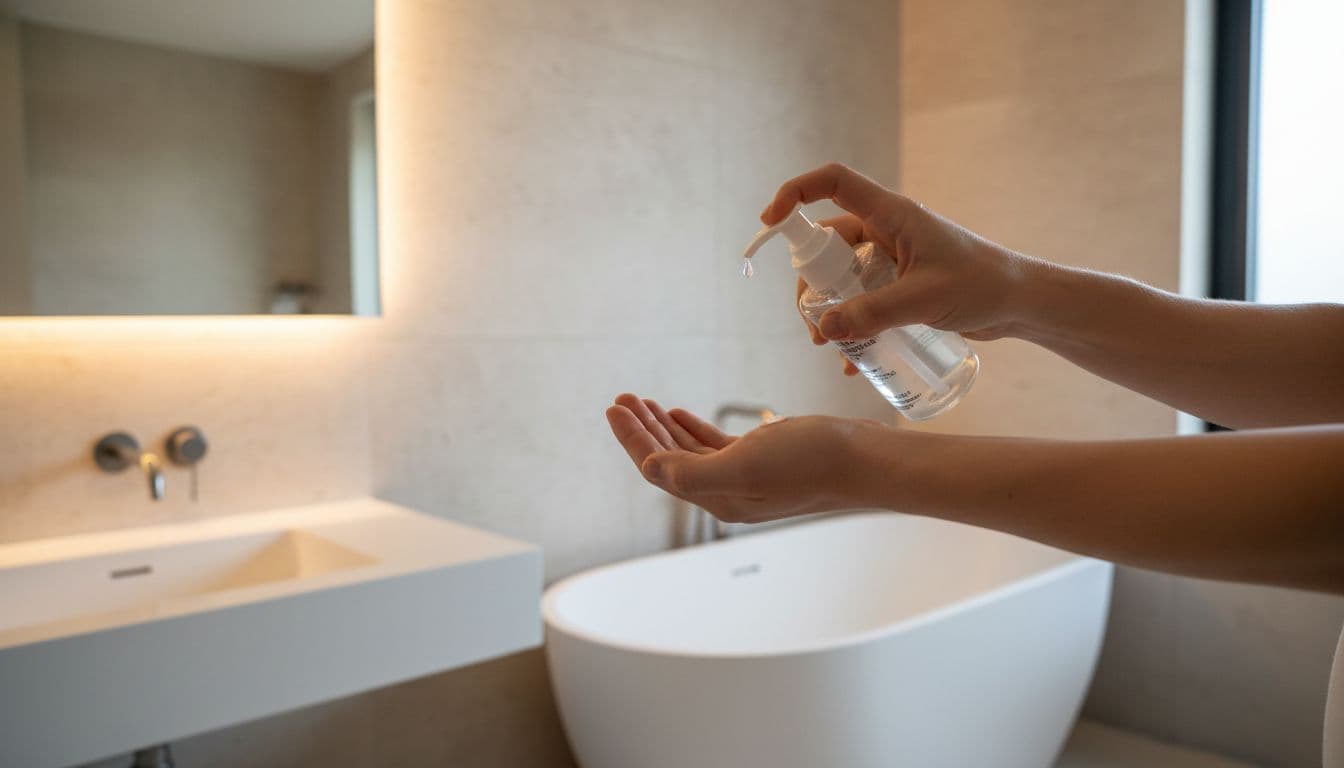
How to Remove Body Hair Safely at Home Without Irritation
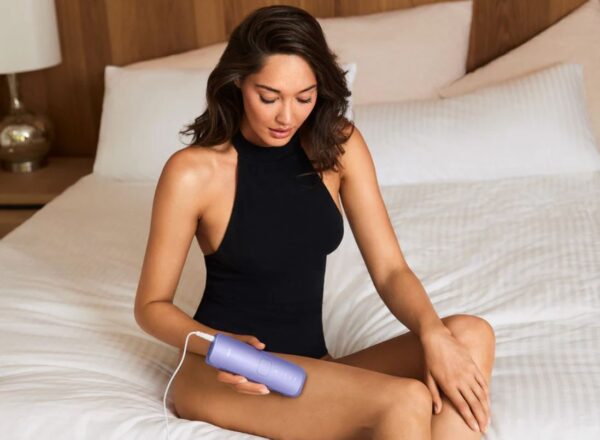
Body Hair Removal Methods: How to Choose the Right One
Need guidance?

Get a free one-on-one consultation
Explore Beauty
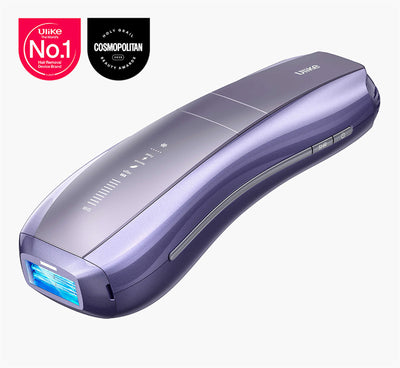
Ulike Air 10
2 weeks to silky smooth skin.
96% Hair Density Reduction in 2 Weeks
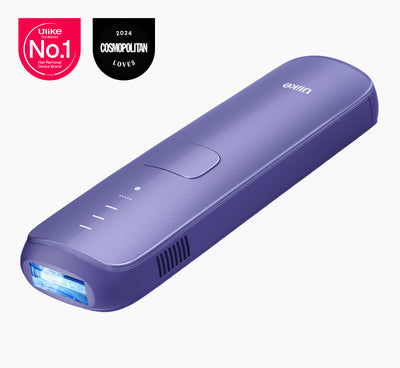
Ulike Air 3
3 weeks to silky smooth skin.
93% Hair Density Reduction in 4 Weeks
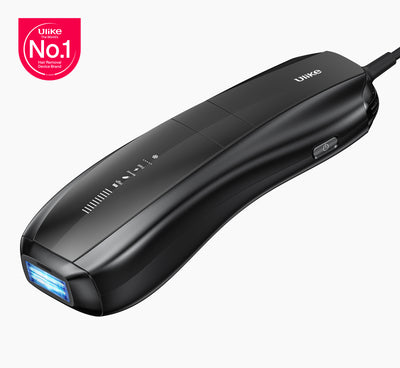
Ulike X
3 weeks to silky smooth skin.
94% hair reduction in just 2 weeks*
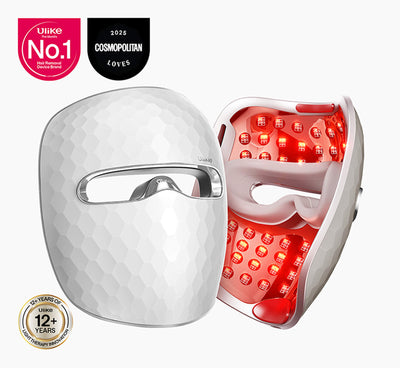
Ulike Reglow
Clearer skin in 2 weeks: Fewer breakouts
Smoother skin in 4 weeks: Fewer lines, firmer feel