



Can You Use IPL on Eczema-Prone Skin Safely?

If you have eczema prone skin, finding a comfortable hair removal method can feel like a constant tradeoff. Shaving often causes stinging, waxing can be too harsh, and while Intense Pulsed Light is a popular non-invasive solution, it is natural to wonder whether the light and heat will trigger a flare-up.
Managing atopic dermatitis often requires extra vigilance, and although some people find that this technology is a viable option for sensitive skin, proceed with caution.
The short answer is guarded: IPL may be appropriate when your skin is calm, intact, and stable. However, it should generally be avoided on active eczema, broken skin, infection, sunburn, or any area that is currently irritated. That distinction matters more than any specific device feature, so always judge your skin by its current condition rather than your grooming schedule.
Key Takeaways
- Prioritize Skin Health: IPL should only be used on calm, intact skin that is currently in remission; never treat areas that are actively flaring, broken, or irritated.
- Perform Patch Tests: Always test a small, inconspicuous area and wait at least 24 to 72 hours to monitor for any adverse reactions before proceeding with wider treatment.
- Use Caution and Gentle Settings: If you decide to move forward, utilize the lowest intensity settings and avoid harsh skincare ingredients like retinoids or acids in the days surrounding your treatment.
- Consult a Professional: A board-certified dermatologist can assess your specific skin condition and help you determine if your eczema severity allows for safe light-based hair removal.
The key question is whether your skin is calm right now
Using IPL on eczema-prone skin is less about a yes-or-no rule and more about your current skin state. Intense Pulsed Light works by utilizing broad-spectrum light to target pigments in the hair follicle, but this process can be challenging for a compromised skin barrier. Because eczema weakens your skin, heat, friction, fragrance, and even mild products can cause irritation much faster than they would on less reactive skin.
When eczema is in remission, the skin may look and feel normal. Even then, risk is not zero. While IPL is often discussed alongside other inflammatory skin diseases like rosacea, the underlying sensitivity remains a primary concern. The heat generated during treatment can trigger facial redness or a form of transitory erythema, which may evolve into a full flare for some people. General aftercare guidance in Healthline's IPL treatment guide also notes that skin conditions such as eczema can affect how your skin responds and heals.
This quick table helps separate lower-risk situations from higher-risk ones.
| Skin condition | IPL use | Why |
|---|---|---|
| Calm, intact skin | Sometimes, with caution | Lower chance of irritation |
| Active flare | Avoid | Heat and light may worsen inflammation |
| Broken, infected, or recently irritated skin | Avoid | Higher risk of pain and delayed healing |
If the area is red, cracked, itchy, oozing, or stings before treatment, skip IPL.
That same cautious view appears in who should avoid IPL hair removal, which lists eczema and other skin disorders among cases where treatment may not be recommended. The main takeaway is simple: treat only calm skin, and postpone the rest.
What IPL may change, and what it can still irritate
Some people with eczema-prone skin consider Intense Pulsed Light because frequent shaving or waxing can cause repeated friction. If IPL is tolerated well, it may reduce how often you need those methods. That can be a real benefit, especially on areas that get razor burn. While the technology is often used to address sun damage, broken capillaries, or to stimulate collagen production, these benefits must be weighed against the specific needs of your skin barrier.
Still, potential long-term benefits do not cancel out immediate risks. Common short-term reactions to IPL include redness, warmth, tenderness, and mild swelling. According to DermNet's overview of IPL, some people also experience a sunburn-like feeling for a few days. Because the light works by targeting pigment cells and vascular irregularities, using it on inflamed skin can sometimes trigger hyperpigmentation or even post-inflammatory hyperpigmentation, particularly in those with deeper skin tones. Smaller, high-friction zones such as the bikini line may require even more caution.
Research stays careful here as well. A PubMed review on IPL and inflammatory skin diseases describes both therapeutic uses of light-based procedures and possible side effects such as a burning sensation, pigment changes, and blisters. That does not mean IPL is a standard treatment for eczema-prone skin. It means that light-based treatments can affect inflamed skin in different ways, and individual context is vital.
So if your eczema is mild, well-controlled, and quiet, IPL may be possible with extra care. On the other hand, if you flare often, scratch in your sleep, get weeping patches, or cannot tell whether an area is currently healing, waiting is the safer choice.
How to try IPL more carefully at home or in a clinic
If you decide to try Intense Pulsed Light, your goal is to keep the skin barrier calm before, during, and after treatment. That means using low settings, sticking to gentle skincare, and stopping immediately if your skin shows signs of distress.

A safer approach for those with sensitive or eczema-prone skin looks like this:
- Always perform a patch test on a small, hidden area of calm skin. Wait 24 to 72 hours to ensure there is no adverse reaction.
- Consider your Fitzpatrick Skin Type before starting. IPL devices work by targeting melanin, which can present unique safety challenges for those with darker skin tones.
- Start on the lowest intensity setting. Higher power is not better for reactive skin.
- Schedule a professional skin evaluation with a board-certified dermatologist. While devices are sometimes used for acne vulgaris, a professional can determine if your specific skin condition allows for light-based treatments.
- Use fragrance-free cleansers and medical cosmetics for pre-treatment care. Skip scrubs, acids, and retinoids around your treatment window.
- Limit sun exposure and avoid tanning to prevent irritation.
- Follow strict aftercare tips, such as keeping the area hydrated and protected, to minimize potential downtime.
- Stop treatment immediately if you notice redness, burning, or an eczema flare.
At-home devices and professional treatments both require caution. Home devices typically use lower energy, which may reduce the chance of a strong reaction, but they rely heavily on your own judgment. Clinic treatments offer professional oversight, yet that higher power can be intense for unstable skin. In either case, do not treat over active patches, healing cracks, or skin irritated by shaving, sweat, or friction.
If you use prescription creams, ask your dermatologist how they fit with light-based hair removal. That is especially vital if you have moderate to severe eczema or a history of infection. For more general IPL side effects for sensitive skin, it helps to review common warning signs before you begin.
Frequently Asked Questions
Can I use IPL if I have mild, infrequent eczema?
Yes, it may be possible to use IPL if your eczema is well-controlled and the skin is in a state of remission. However, you must ensure the specific area being treated is completely free of inflammation, cracks, or dryness before you begin.
Why does IPL pose a risk to eczema-prone skin?
IPL works by using heat and light to target pigments, which can easily overwhelm a compromised skin barrier. This process can trigger contact irritation, increase existing redness, or potentially lead to post-inflammatory hyperpigmentation in sensitive individuals.
Should I consult a doctor before starting at-home IPL?
It is highly recommended to consult a board-certified dermatologist, especially if you have a history of moderate to severe eczema or use prescription topical medications. They can evaluate your skin's stability and advise on whether light-based treatments are appropriate for your specific needs.
What are the warning signs that I should stop treatment?
Stop immediately if you notice increased redness, burning, tenderness, or signs of a new eczema flare-up. If you experience any discomfort beyond the typical mild warmth, avoid further sessions until your skin has completely healed and you have sought professional advice.
Final thoughts
Intense Pulsed Light can work for some people, but it is only effective when the area is calm, intact, and not recently upset. The safest rule is to treat skin in remission rather than skin in a flare. Always develop a personalized treatment plan with a professional to ensure your approach is appropriate for your specific needs. When used correctly during periods of remission, this therapy may eventually help improve your overall skin texture.
If your eczema is active, broken, infected, or hard to read, wait. A careful patch test, gentle fragrance-free care, sun avoidance, and a quick stop at the first sign of worsening irritation will protect your skin far better than pushing through one more session. Prioritizing skin health is the best way to safely manage IPL on eczema prone skin over the long term.
Featured Products

Ulike Air 10
2 weeks to silky smooth skin.
96% Hair Density Reduction
The next-generation in simple,
lasting hair removal.

How to Switch from Plucking Chin Hair to IPL

Electrolysis vs Laser Hair Removal: Which Is Better?

Best Female Facial Hair Remover: Which One Suits You?

Explore Beauty
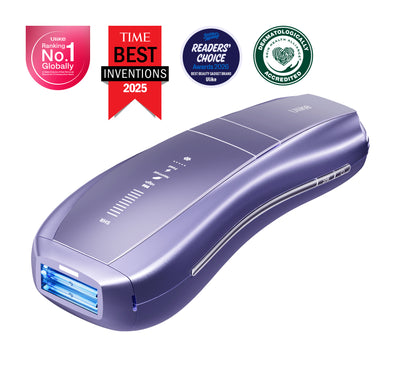
Ulike Air 10
2 weeks to silky smooth skin.
96% Hair Density Reduction in 2 Weeks
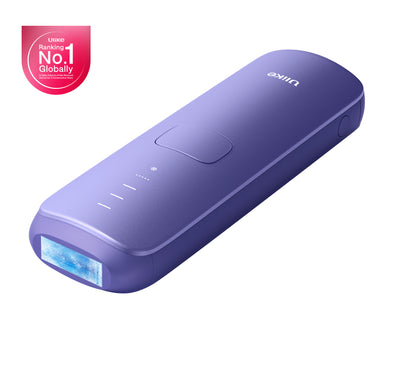
Ulike Air 3
3 weeks to silky smooth skin.
93% Hair Density Reduction in 4 Weeks
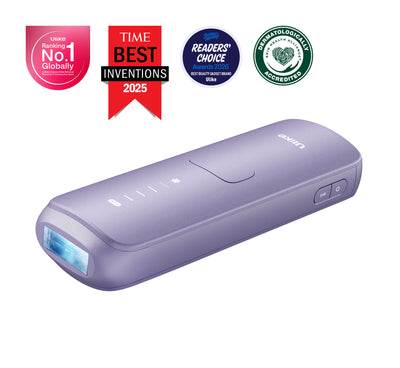
Ulike Air 4
4 weeks to silky smooth skin.
95.8% hair reduction in just 2 weeks*
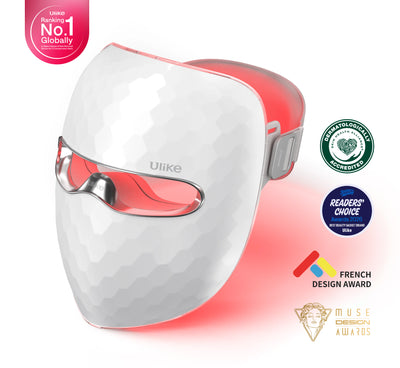
Ulike Reglow
Clearer skin in 2 weeks: Fewer breakouts
Smoother skin in 4 weeks: Fewer lines, firmer feel