
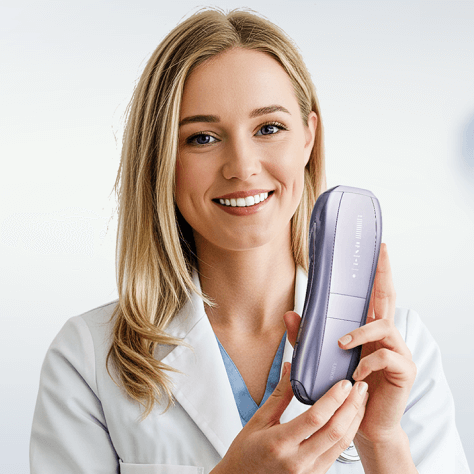


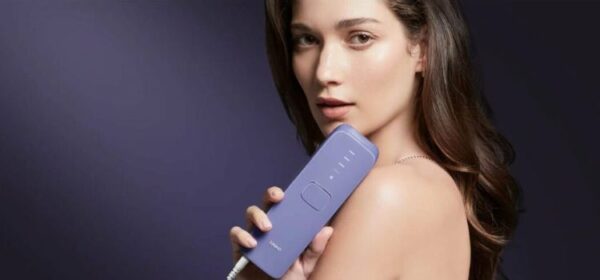
IPL Body Hair Removal: What to Expect Before You Start

IPL body hair removal sounds simple, but the first surprise is this, results come in slowly. Most people see a gradual drop in hair growth, not a one-session fix.
That matters because the experience changes with your skin tone, hair color, body area, and the device you use. If you want a clear picture before you buy or book, start with how IPL works and what the first few sessions feel like.
How IPL treats body hair at the root
IPL sends broad pulses of light into the skin, and the dark pigment in the hair absorbs part of that light. That energy turns into heat, which weakens the follicle over time.
Because hair grows in cycles, only some hairs are in the right phase during each session. That's why one treatment never clears everything. Repeated sessions are what make the difference.
For a plain-language explainer, Braun's guide to what IPL hair removal is and how long it lasts covers the basics well.
At-home IPL devices usually use lower energy than clinic machines. That makes them easier to use on your own, but it also means patience matters. Think gradual reduction, not instant removal.
A good way to frame IPL body hair removal is as a maintenance plan. It can make shaving less frequent and regrowth finer, but it does not behave like waxing or threading.
At-home IPL vs clinic treatments
The biggest difference is not the light itself, it's the setting, strength, and supervision. A clinic can use more powerful equipment, while at-home devices are built for regular use and easier handling.
| Factor | At-home IPL | Clinic IPL |
|---|---|---|
| Energy level | Lower and gentler | Stronger and more adjustable |
| Comfort | Often easier to tolerate, sometimes with cooling or skin-sense features | Tuned by a trained provider |
| Convenience | Use it on your schedule | Requires appointments |
| Cost | Higher upfront, lower per session | Lower upfront, higher per visit |
| Pace of results | Usually slower, with more maintenance | May move faster for some people |
That simple tradeoff matters. At-home IPL fits people who want privacy and flexibility. Clinic treatments fit people who want hands-on guidance, especially if their skin is more reactive or their hair pattern is harder to judge.
If you want a broader primer before choosing, Ulike's IPL hair removal guide for beginners gives a clear overview of prep, use, and safety.
What your first session feels like

Most first sessions feel mild, but mild does not mean the same thing for everyone. Many people notice a warm snap, like a rubber band flicking the skin. Sensitive spots, such as the bikini line or underarms, can feel sharper.
A little redness right after the treatment is common. So is a warm, flushed feeling that fades within a short time. Strong pain is not something to push through.
A patch test helps you learn how your skin reacts before you treat a full area. That step matters even more if you have sensitive skin or a history of pigment changes.
Before the session, shave the area and keep the skin clean and dry. Do not wax or pluck, because IPL needs the hair root in place. Heavy lotions, deodorant, and oils can also get in the way.
A few common reactions are easy to expect:
- Mild warmth during the flash
- Short-lived redness after the session
- Slight dryness later that day
- More sensitivity on thinner or bony areas
If your device has comfort modes or lower settings, start there. That gives your skin a chance to show you what it can tolerate without too much stress.
When results usually show up
Results rarely appear in a straight line. Some hairs shed after the first couple of sessions, but many people need several weeks before the change feels clear.
Consistency is the real test. If you skip sessions, use a weak schedule, or forget to shave first, the timeline often stretches out. Regular use makes the process easier to judge.
Here's where the pattern usually becomes more obvious:
| Factor | Tends to respond better | Tends to respond more slowly |
|---|---|---|
| Hair color | Dark brown or black hair | Blonde, red, gray, or white hair |
| Skin and hair contrast | Clear contrast | Low contrast |
| Body area | Legs, underarms, bikini line | Face, chin, and hormonal areas |
| Routine | Regular treatment schedule | Missed or uneven sessions |
The simple rule is this, IPL works best when the device can clearly see the hair against the skin. Darker, coarser hair usually responds better. Very light or gray hair often responds poorly.
Body area matters too. Legs and underarms often show change sooner than the face. Hormonal hair growth, such as chin hair tied to cycles or medical issues, can be tougher and may need a different plan.
If you want the exact order for prep, treatment, and aftercare, A beginner's tutorial for IPL hair removal lays it out step by step.
Safety checks before you start
Safety deserves as much attention as results. A patch test is the best first step, because your skin can react even if a device feels gentle on paper.
If you get strong redness, blistering, or pain that lasts for hours, stop and get medical advice before you use IPL again.
Avoid treatment on broken skin, sunburn, tattoos, open cuts, active rashes, and irritated areas. Recent tanning and self-tanner can also make treatment less predictable.
Be careful with photosensitizing medicines, recent peels, and harsh exfoliation. If you're unsure, check the device instructions and ask a pharmacist, clinician, or dermatologist.
Extra caution is smart if you have:
- A deeper skin tone that falls outside the device chart
- Sensitive skin that reacts to heat or light
- Facial hair that seems tied to hormones
- A history of hyperpigmentation or easy discoloration
For more background on skin tone fit and sensitive areas, IPL hair removal basics is a helpful place to compare your expectations with the device limits.
Aftercare is simple, but it matters. Keep the skin cool, skip scrubs and hot baths for a day or two, and use SPF on exposed areas. A fragrance-free moisturizer can also help if the skin feels tight.
Conclusion
IPL body hair removal works best when you treat it as a gradual reduction plan. That means mild warmth, steady sessions, and maintenance over time, not instant smooth skin forever.
At-home devices are usually gentler and more convenient. Clinic treatments can be stronger and better suited to people who want direct supervision or have more complex skin concerns.
If your skin and hair fit the method, consistency will do most of the work. If you have deeper skin tones, hormonal hair growth, or sensitive skin, get professional advice before you start.
IPL Body Hair Removal: What to Expect Before You Start
How to Remove Body Hair Safely at Home Without Irritation
Body Hair Removal Methods: How to Choose the Right One
Need guidance?

Get a free one-on-one consultation
Explore Beauty
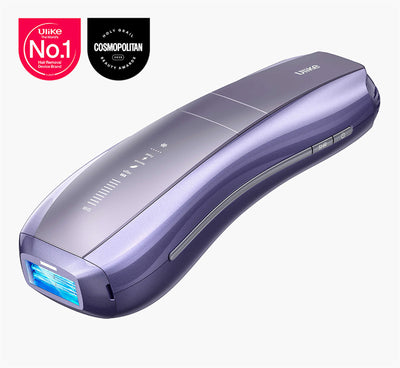
Ulike Air 10
2 weeks to silky smooth skin.
96% Hair Density Reduction in 2 Weeks
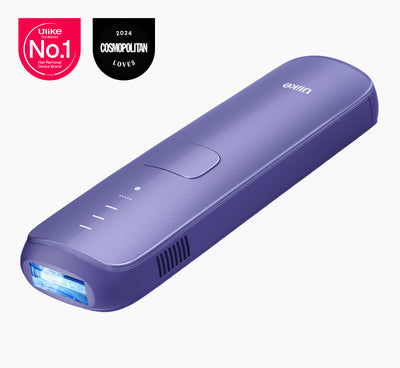
Ulike Air 3
3 weeks to silky smooth skin.
93% Hair Density Reduction in 4 Weeks
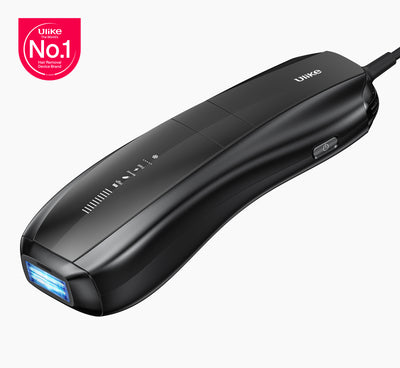
Ulike X
3 weeks to silky smooth skin.
94% hair reduction in just 2 weeks*
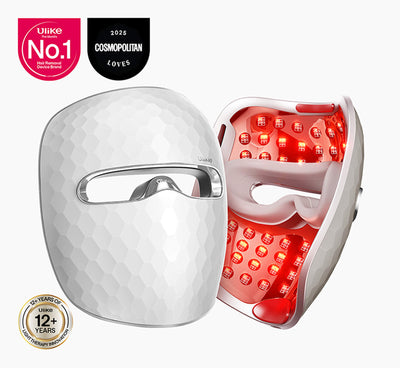
Ulike Reglow
Clearer skin in 2 weeks: Fewer breakouts
Smoother skin in 4 weeks: Fewer lines, firmer feel