 Ulike ReGlow Pro★ 5.0 (511)


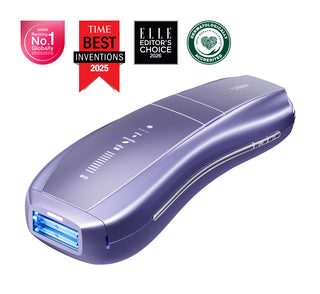
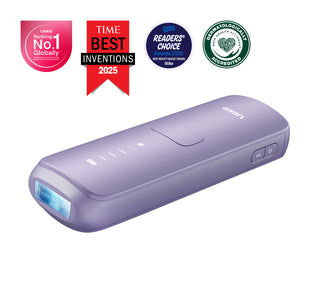


Table of Contents
"Help! My hairy balls are out of control!"
Be honest, you've had this thought cross your mind at some point. You're not alone in wondering about pubic hair removal. While conversations about personal grooming can feel a bit taboo, the health and appearance of your private parts are kind of a big deal — after all, your family jewels are sensitive and require special care.
If you're considering venturing down south with IPL, you've probably typed some version of "is IPL safe?" or "can I use IPL on my penis?" into Google. This guide breaks down what Intense Pulsed Light (IPL) is, how it compares with professional laser treatment, and what the safety data actually says about laser hair removal on balls — so you can make an informed decision instead of guessing.

Table of Contents:
- Part 1: What Is IPL Treatment?
- Part 2: How Does IPL Work?
- Part 3: Are IPL Devices Safe for Bikini Area Hair Removal?
- Part 4: Factors to Consider for IPL Hair Removal on Private Parts
- Part 5: Can I Use IPL on My Balls?
- Part 6: Laser Hair Removal Scrotum Safety: What Professionals Say
- Part 7: Is It Safe to Use IPL on Private Parts?
- Part 8: Alternatives to IPL and Laser Hair Removal for Private Parts
- Part 9: Precautions and Suitability for IPL Treatment
- Part 10: Using an At-Home IPL Device Safely: Ulike's Approach
- Part 11: Frequently Asked Questions
Part 1: What Is IPL Treatment?
Intense Pulsed Light (IPL) is a non-invasive cosmetic treatment designed to improve skin texture and reduce unwanted hair. It works similarly to laser therapy, using broad-spectrum light at multiple wavelengths to penetrate the skin and target pigment in the hair follicle.
Part 2: How Does IPL Work?
IPL delivers light energy to the skin in the form of heat. The light waves penetrate the skin's surface, targeting the melanin in hair follicles and using that heat to disable the follicles' ability to grow hair.
The process is relatively quick, with visible results after a few sessions. IPL is most effective on dark, coarse hair against lighter skin tones, and it typically takes several sessions — most Ulike users see first results within 2 weeks and complete a full cycle over 8–12 sessions — before hair growth slows down for the long term.
Part 3: Are IPL Devices Safe for Bikini Area Hair Removal?
Short answer: yes, for most people. Are IPL devices safe for bikini area hair removal? The bikini line and outer pubic area are among the most commonly treated zones for IPL, because the hair here is coarser and the skin is less sensitive than the scrotum or penis.
At-home brands like Ulike are explicit about where the line sits: their IPL devices are designed for use on the skin around the genitals — the bikini line, Brazilian area, and buttocks — but are not intended for use directly on the genitals themselves. That distinction matters, and it's the same line most dermatology guidance draws.
Part 4: Factors to Consider for IPL Hair Removal on Private Parts
If you're considering IPL for hair removal near your groin, take into account your skin type, health history, and treatment expectations.
Skin Type
Your skin's sensitivity and tone are crucial when considering IPL. It works best on light-to-medium skin tones with darker hair — the contrast is what the device is reading. If your skin tone is very dark or your hair is very light, IPL may not be effective or appropriate, which is why devices like the Ulike Air 10 build in a SkinSensor that checks tone before firing.
Health History
Share your complete medical history with a dermatologist or technician before undergoing any IPL or laser treatment. Conditions such as eczema or acne can affect how your skin responds.
Treatment Expectations
IPL is not a one-time fix. Lasting results require several sessions spread over a few weeks, so set realistic expectations before you start.

Part 5: Can I Use IPL on My Balls?
The short answer is that it's generally not recommended to use an at-home IPL device directly on the scrotum or penis. The skin here is thinner, more mobile, and packed with nerve endings, which makes it more prone to discomfort, burns, or irritation than the bikini line or thighs.
This is different from asking whether laser hair removal on balls can ever be done at all. In a clinical setting, trained practitioners using calibrated, medical-grade lasers can — and do — treat the scrotum as part of male intimate hair removal, alongside the shaft, perineum, and buttocks. The key difference is supervision: a clinician adjusts energy settings in real time and works in short, controlled passes, something a handheld home device isn't designed to replicate on genital skin.
So, if you're asking "is laser hair removal balls-safe at home?" — the honest answer is: home IPL devices like Ulike are built and tested for the bikini line and surrounding pubic area, not the scrotum or penis itself.
Part 6: Laser Hair Removal Scrotum Safety: What Professionals Say
Laser hair removal scrotum safety comes down to three main risk factors, based on clinical guidance from professional providers:
- Heat and discomfort: Thin scrotal skin registers laser heat more sharply than skin on the arms or legs. Most people describe it as a warm snap rather than genuine pain.
- Redness and irritation: Mild redness or swelling around treated follicles is a normal, expected reaction that usually settles within a day or two.
- Burns or pigment changes: These are rare but serious, and they almost always come down to the wrong settings or treating skin that's recently tanned — which is why professional providers only offer this after a consultation and patch test.
Clinics that do offer laser hair removal scrotum treatment typically recommend six to eight sessions spaced four to six weeks apart, matched to the hair growth cycle, plus occasional maintenance afterward. None of this applies to unsupervised at-home use — it's the reason at-home IPL brands, including Ulike, direct users to keep the device to the surrounding area rather than the scrotum itself.
Part 7: Is It Safe to Use IPL on Private Parts?
Generally, yes — is IPL safe? For the bikini line and outer pubic region, IPL is considered a safe, well-established option. Extra caution applies to the more sensitive zones, as outlined below:
- Bikini Area: IPL is commonly and safely used here, since this region has thicker hair that responds well to treatment.
- Scrotum: Highly sensitive skin makes at-home IPL too harsh here; it can cause irritation or burns, so it's best avoided with a handheld device.
- Penis: Not recommended due to high nerve density, sensitive skin, and mucous membranes near the treatment area.
For best results and to minimize risk, always consult a professional before treating any sensitive area, and follow the manufacturer's usage guidelines closely for at-home devices.
Part 8: Alternatives to IPL and Laser Hair Removal for Private Parts
If IPL or professional laser isn't the right fit for your scrotum or penis, consider these options:
Professional Laser Hair Removal
Laser uses a single, concentrated wavelength rather than the broad-spectrum light of IPL, which can make it more precise for certain skin and hair types when performed by a trained provider. It's non-invasive and can offer long-lasting results after a full course of sessions.
Hair Removal Creams
Some depilatory creams work for sensitive areas, but they often contain chemicals that can irritate delicate skin like the scrotum. Always patch-test first and follow the instructions exactly.

Waxing
Waxing pulls hair from the root for longer-lasting results than shaving, but it's not ideal for the thin, delicate skin of the scrotum, where it can cause irritation or injury.
Shaving
Quick and affordable, but it demands precision to avoid nicks. Use a sharp razor, good lighting, and a mirror, and keep a gentle aftershave on hand.
Trimming
An electric groomer offers a groomed look with less risk than shaving or waxing. Pull the skin taut, go slowly, and avoid pressing the trimmer directly into the skin.
Comparing At-Home IPL Devices: Ulike vs SmoothSkin
If you're comparing at-home options, SmoothSkin is another IPL brand people search for alongside Ulike. Both use the same core IPL technology — broad-spectrum light targeting melanin in the hair follicle — so the real differences come down to safety features and comfort. Ulike devices, for example, use a Sapphire Ice-Cooling system and a SkinSensor that reads skin tone before each flash and blocks firing on areas that are too dark or too sensitive, which is the kind of safeguard worth checking for on any IPL device before you use it near the groin. Whichever brand you choose, the same rule applies: use it on the areas it's designed for, and skip the scrotum and penis.
Part 9: Precautions and Suitability for IPL Treatment
Before undergoing IPL treatment anywhere near your groin, consider the following:
- Sun Exposure: Avoid IPL if you've recently been in the sun or have a tan, as this increases the risk of burns.
- Skin Sensitivity: If you have sensitive skin or are prone to irritation, IPL may not be the best option.
- Pregnancy and Medical Conditions: Consult your doctor before opting for IPL if you're pregnant or have a pre-existing condition.
- Hair Type: IPL is most effective on dark hair and may not work as well on light, red, or gray hair.
Part 10: Using an At-Home IPL Device Safely: Ulike's Approach
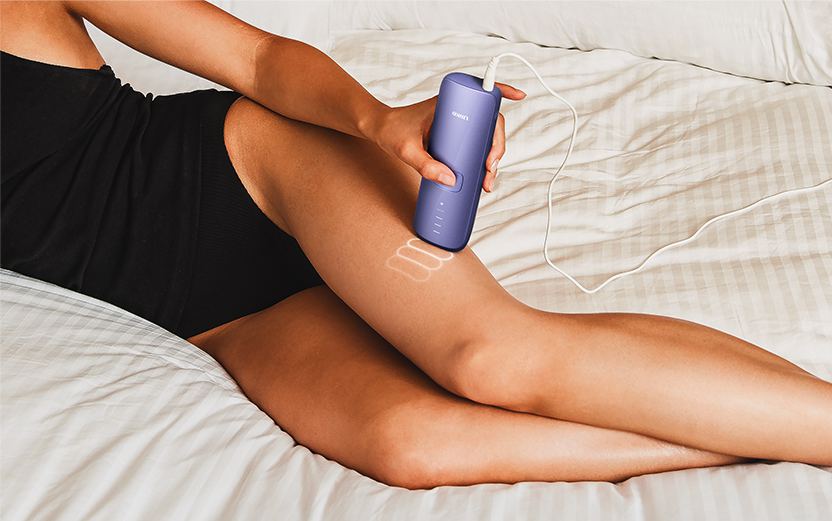
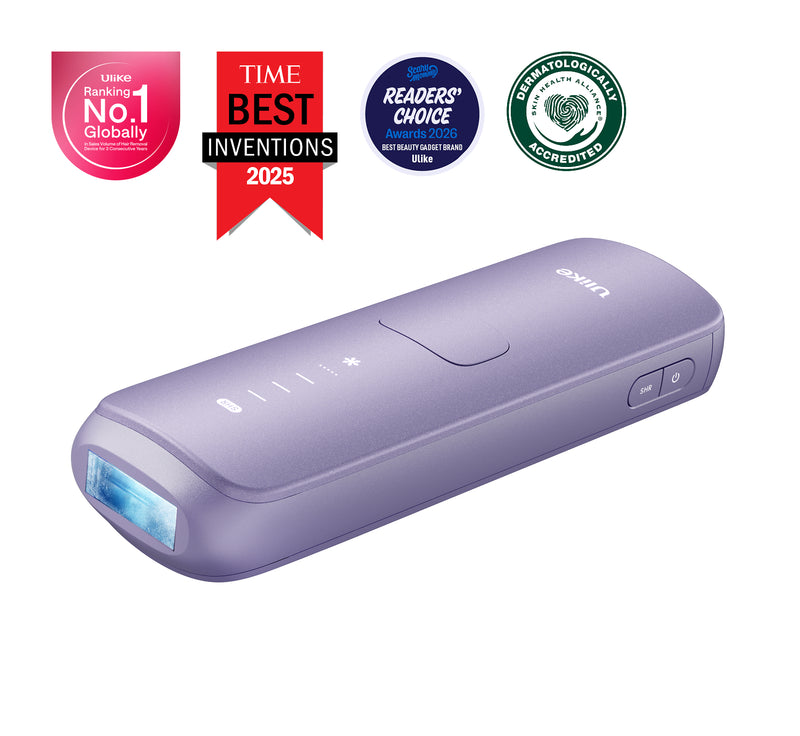
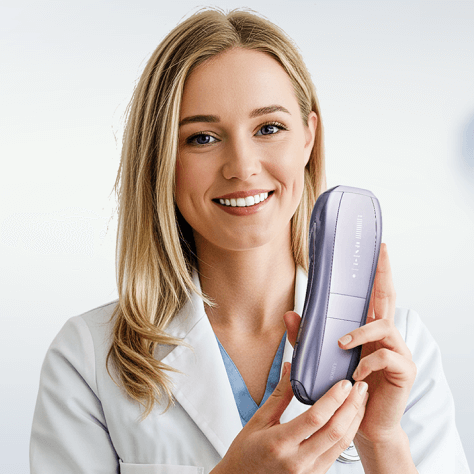
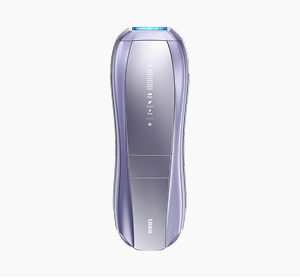
If you're treating the bikini line, thighs, or buttocks rather than the scrotum or penis, an at-home IPL device can be a convenient, lower-cost alternative to repeated clinic visits. Ulike's IPL hair removal devices are FDA-cleared and use built-in skin-tone sensors and ice-cooling technology to reduce the risk of burns on sensitive skin.
A simple, safe routine looks like this:
- Check the guidance for your device, including the men's grooming guide, which spells out which areas are safe to treat and which to avoid.
- Shave, don't wax, the treatment area beforehand so the light can reach the follicle.
- Start on a lower intensity setting around any sensitive zone and let the SkinSensor confirm your skin tone is suitable.
- Stick to the recommended schedule — most people use the device a few times a week for the first month, then taper to monthly touch-ups.
- Keep the device in the areas it's designed for — the bikini line and surrounding pubic area, not the scrotum or penis directly.
Conclusion
So, if you're looking to spruce up your goose, IPL can be a great option for hair removal around your private parts — just handle it with care, particularly around your scrotum and penis. Stick to the bikini line and outer pubic area with an at-home IPL device, consult a trained professional if you want the scrotum itself treated, and consider alternatives like laser hair removal or trimming if you're still unsure. With the right precautions, IPL can be a safe and effective way to get smoother, hair-free skin — even in your most intimate areas.
Part 11: Frequently Asked Questions
Q1: Is it safe to use IPL on my balls?
Not with an at-home device. At-home IPL is designed for the bikini line and surrounding pubic area, not the scrotum or penis, where thin skin and dense nerve endings raise the risk of irritation or burns.
Q2: Can you get laser hair removal on your balls?
Yes, but only from a trained practitioner using a calibrated, medical-grade laser. The safety of laser hair removal on the scrotum depends entirely on professional supervision — a consultation and patch test come first, and settings are adjusted specifically for thin scrotal skin.
Q3: Is IPL safe for the bikini area?
Yes. Is IPL safe for the bikini line and outer pubic region? For most skin and hair types, it's one of the most commonly and safely treated areas for IPL, including with at-home devices like the Ulike Air 10.
Q4: Is SmoothSkin or Ulike better for sensitive areas?
Both SmoothSkin and Ulike use standard IPL technology, so safety comes down to each device's built-in protections. Look for skin-tone sensors and cooling features, and always follow the manufacturer's guidance on which areas to avoid regardless of brand.
Q5: How many sessions does laser hair removal need for the scrotum?
Clinics typically recommend six to eight sessions spaced four to six weeks apart for laser hair removal on balls, matched to the natural hair growth cycle, with occasional maintenance sessions afterward.
Q6: What's the difference between IPL and professional laser hair removal for private parts?
IPL uses broad-spectrum light and is designed for home use on areas like the bikini line, while professional laser uses a single concentrated wavelength and can be applied to more sensitive areas, including the scrotum, when performed by a trained clinician.