
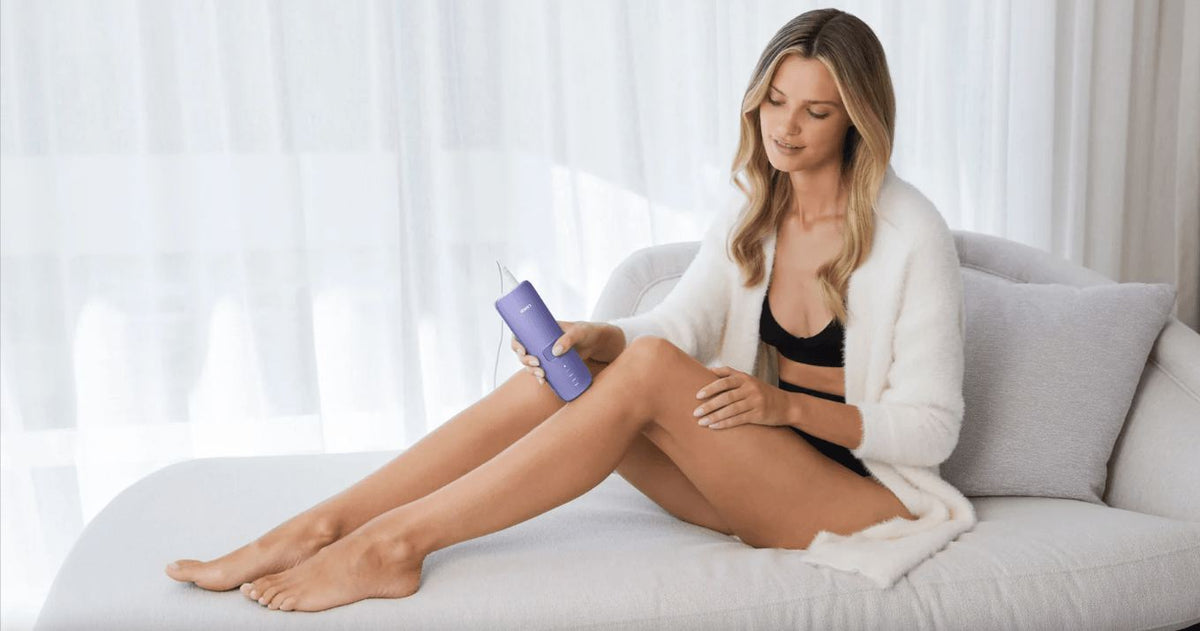
Can I Use IPL Every Other Day? What Happens if I Use IPL Too Often?
Hair Removal

Can I Use IPL Every Other Day? What Happens If I Use IPL Too Often?

Can't we just speed things up? A wonderful thought, but does it apply to using IPL to remove hair? Well, if you’re one of the many who are thinking about using IPL more frequently to speed up results, you’re not alone. Many people assume that frequent treatments lead to faster hair removal — but that’s not the reality. In fact, overuse can do more harm than good! But why?  If you’ve ever asked yourself, “Can I use IPL every other day?” or “What happens if I use IPL too often?” — this guide’s for you. We’ll break down how IPL works, the ideal treatment schedule, and the risks of overuse so you can get smooth, hair-free skin safely and effectively.  Table of Contents: Part 1: How IPL Works: The Hair Growth Cycle Part 2: How Many IPL Sessions Do You Need? Part 3: Can You Use IPL Every Other Day? Part 4: How Often Should You Use IPL? Part 5: What Happens If You Use IPL Too Often? Part 6: Final Thoughts How IPL Works: The Hair Growth Cycle  IPL (Intense Pulsed Light) hair removal targets hair at the root by using light energy to heat and disable hair follicles. IPL can only work if hair is present and in a certain stage of the hair growth cycle. The four stages of the hair growth cycle are as follows:  Anagen (Growth Phase): The best phase for IPL — hair is actively growing and attached to the root, allowing IPL to target the follicle directly. At any given time, about 80%–90% of a person's total amount of hair is in the growth phase, and for body hair it lasts about a month. Catagen (Transition Phase): After growing to its terminal length, hair detaches from the root, making IPL less effective since light energy can’t reach the follicle. About 5% of your hair is in this stage and it lasts for around 10 days. Telogen (Resting Phase): After the supply of blood is cut off, the hair sits in the follicle but doesn’t grow. A stiff breeze or a hairbrush can easily cause these hairs to fall out. IPL can singe hairs in this stage; however, it won’t be effective at damaging the follicle to prevent the hair from growing back. This stage can last several months. Exogen (Shedding Phase): Once the hair falls out naturally, new growth starts. Only a small number of hairs are in this phase. IPL has no effect here. Since not all hairs are in the anagen phase at the same time, multiple IPL sessions are needed to catch each hair at its most vulnerable stage (the anagen stage). [callout: At any given time, about 80%–90% of a person's total amount of hair is in the growth phase.] How Many IPL Sessions Do You Need? Results vary based on the device, hair type, and skin tone. Using the Ulike Air 10 IPL, here’s what you can expect. Weeks 1–3: Visible Hair Reduction Use IPL three times a week on alternate days. During these sessions, you’ll be targeting those hairs in the anagen phase. Since they make up a good portion of the hairs on your body, you’ll see a noticeable reduction in hair regrowth. Weeks 4–5: Up to 96% Hair Reduction Reduce your sessions to twice a week. This is the homestretch. Staying consistent with your sessions will help shrink hair follicles and lead to a significant reduction in hair regrowth. Week 6+: 99% Hair Reduction Some hair may still regrow, but hair regrowth slows significantly. At this point, one session per month is recommended to maintain the results and keep hair regrowth in check. Within three weeks of regular use, many users achieve up to 99% hair removal. Maintenance: Lasting Smoothness Use IPL as needed to prevent regrowth over time. The results of consistent IPL use over a complete treatment cycle can last for a few months as long as the hair follicles remain dormant. Can You Use IPL Every Other Day? Yes, but only during the initial treatment phase (weeks 1–3 for the Ulike Air 10). This allows IPL to target more hairs while they’re in the anagen phase. However, continuing this frequency long-term won’t improve results and could increase skin sensitivity or irritation. The takeaway? Follow the recommended schedule to maximize results safely. How Often Should You Use IPL? Your IPL device’s recommended usage is based on safety testing and clinical research. So, carefully read and follow the manufacturer’s guidelines. Generally, the following schedule is appropriate for most people: Initial treatments (Weeks 1–3): 2–3 times per week (alternate days). Follow-up treatments (Weeks 4–5): 1–2 times per week. Long-term maintenance: Once a month or as needed. Overuse won’t speed up hair removal — IPL only works on hairs in the right growth phase. Stick to the recommended schedule for best results. For more detailed guidance, check out our article: How Often Should I Use an IPL Hair Removal Device? What Happens If You Use IPL Too Often? Aristotle wrote, “Nothing in excess.” While he may not have been thinking of IPL at the time, it holds true nonetheless. Overusing an IPL device is a major no-no. It can lead to side effects that range from minor irritation to long-term skin damage. Here are 8 reasons you shouldn’t overuse IPL. 1. Wasting the Device’s Lifespan Most IPL devices come with a limited number of flashes. Using your device too often can shorten its lifespan unnecessarily. 2. Skin Irritation & Sensitivity Mild redness after IPL treatment is normal, but overuse can cause increased sensitivity, itching, and prolonged irritation. 3. Burns & Blisters IPL produces heat, and excessive use can overheat the skin, leading to burns, blisters, and discomfort. 4. Hyperpigmentation or Hypopigmentation Too much IPL exposure can disrupt melanin production, causing dark spots (hyperpigmentation) or light patches (hypopigmentation). 5. Unexpected Hair Growth In rare cases, excessive IPL treatments can stimulate hair growth instead of reducing it, particularly if the device isn’t used correctly. 6. Worsening Skin Conditions If you have eczema, psoriasis, or sensitive skin, frequent IPL use can trigger flare-ups and worsen symptoms. 7. Increased Risk of Infection Overusing IPL weakens the skin barrier, making it more susceptible to infections. 8. Slower Healing & Scarring If IPL damages your skin, continuing treatments before your skin heals can cause scars and prolonged recovery. Final Thoughts IPL hair removal is effective, safe, and convenient — when used correctly. While it’s tempting to use your device every other day for faster results, overuse won’t speed up hair removal and may cause side effects. For best results: Follow the recommended schedule (2–3 times per week initially). Allow your skin time to recover between sessions. Stick to maintenance treatments as needed. By using your IPL device wisely, you’ll enjoy long-lasting, smooth skin — without the risks of overuse. Ready to experience professional-grade hair removal at home? Discover Ulike IPL Devices today!
May 14, 2026
Share:

Up to 40% Off
Limited stock. Limited time.

Buy Now
Table of Contents

Can't we just speed things up?

A wonderful thought, but does it apply to using IPL to remove hair? Well, if you’re one of the many who are thinking about using IPL more frequently to speed up results, you’re not alone.

Many people assume that frequent treatments lead to faster hair removal — but that’s not the reality. In fact, overuse can do more harm than good! But why? 

If you’ve ever asked yourself, “Can I use IPL every other day?” or “What happens if I use IPL too often?” — this guide’s for you. We’ll break down how IPL works, the ideal treatment schedule, and the risks of overuse so you can get smooth, hair-free skin safely and effectively. 

Table of Contents:

How IPL Works: The Hair Growth Cycle 

IPL (Intense Pulsed Light) hair removal targets hair at the root by using light energy to heat and disable hair follicles. IPL can only work if hair is present and in a certain stage of the hair growth cycle. The four stages of the hair growth cycle are as follows: 

How IPL Works: The Hair Growth Cycle
  • Anagen (Growth Phase): The best phase for IPL — hair is actively growing and attached to the root, allowing IPL to target the follicle directly. At any given time, about 80%–90% of a person's total amount of hair is in the growth phase, and for body hair it lasts about a month.
  • Catagen (Transition Phase): After growing to its terminal length, hair detaches from the root, making IPL less effective since light energy can’t reach the follicle. About 5% of your hair is in this stage and it lasts for around 10 days.
  • Telogen (Resting Phase): After the supply of blood is cut off, the hair sits in the follicle but doesn’t grow. A stiff breeze or a hairbrush can easily cause these hairs to fall out. IPL can singe hairs in this stage; however, it won’t be effective at damaging the follicle to prevent the hair from growing back. This stage can last several months.
  • Exogen (Shedding Phase): Once the hair falls out naturally, new growth starts. Only a small number of hairs are in this phase. IPL has no effect here.

Since not all hairs are in the anagen phase at the same time, multiple IPL sessions are needed to catch each hair at its most vulnerable stage (the anagen stage).

[callout: At any given time, about 80%–90% of a person's total amount of hair is in the growth phase.]

How Many IPL Sessions Do You Need?

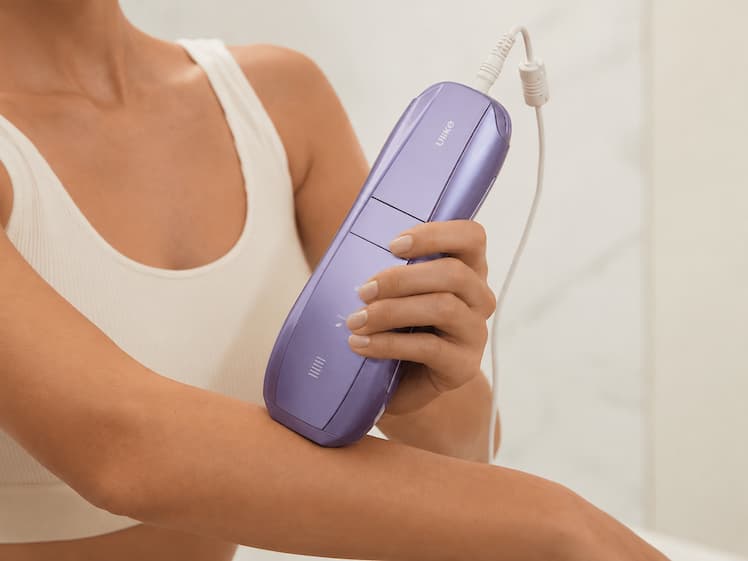
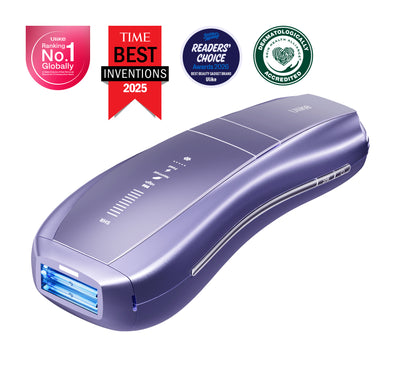
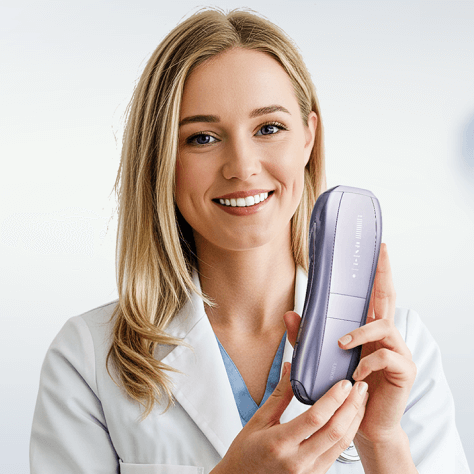
Ulike Air 10 IPL Device

Results vary based on the device, hair type, and skin tone. Using the Ulike Air 10 IPL, here’s what you can expect.

Weeks 1–3: Visible Hair Reduction

Use IPL three times a week on alternate days. During these sessions, you’ll be targeting those hairs in the anagen phase. Since they make up a good portion of the hairs on your body, you’ll see a noticeable reduction in hair regrowth.

Weeks 4–5: Up to 96% Hair Reduction

Reduce your sessions to twice a week. This is the homestretch. Staying consistent with your sessions will help shrink hair follicles and lead to a significant reduction in hair regrowth.

Week 6+: 99% Hair Reduction

Some hair may still regrow, but hair regrowth slows significantly. At this point, one session per month is recommended to maintain the results and keep hair regrowth in check. Within three weeks of regular use, many users achieve up to 99% hair removal.

Maintenance: Lasting Smoothness

Use IPL as needed to prevent regrowth over time. The results of consistent IPL use over a complete treatment cycle can last for a few months as long as the hair follicles remain dormant.

Can You Use IPL Every Other Day?

Can You Use IPL Every Other Day?

Yes, but only during the initial treatment phase (weeks 1–3 for the Ulike Air 10). This allows IPL to target more hairs while they’re in the anagen phase. However, continuing this frequency long-term won’t improve results and could increase skin sensitivity or irritation.

The takeaway? Follow the recommended schedule to maximize results safely.

How Often Should You Use IPL?

Your IPL device’s recommended usage is based on safety testing and clinical research. So, carefully read and follow the manufacturer’s guidelines. Generally, the following schedule is appropriate for most people:

  • Initial treatments (Weeks 1–3): 2–3 times per week (alternate days).
  • Follow-up treatments (Weeks 4–5): 1–2 times per week.
  • Long-term maintenance: Once a month or as needed.

Overuse won’t speed up hair removal — IPL only works on hairs in the right growth phase. Stick to the recommended schedule for best results.

For more detailed guidance, check out our article: How Often Should I Use an IPL Hair Removal Device?

What Happens If You Use IPL Too Often?

Aristotle wrote, “Nothing in excess.” While he may not have been thinking of IPL at the time, it holds true nonetheless. Overusing an IPL device is a major no-no. It can lead to side effects that range from minor irritation to long-term skin damage. Here are 8 reasons you shouldn’t overuse IPL.

1. Wasting the Device’s Lifespan

Most IPL devices come with a limited number of flashes. Using your device too often can shorten its lifespan unnecessarily.

2. Skin Irritation & Sensitivity

Mild redness after IPL treatment is normal, but overuse can cause increased sensitivity, itching, and prolonged irritation.

3. Burns & Blisters

IPL produces heat, and excessive use can overheat the skin, leading to burns, blisters, and discomfort.

4. Hyperpigmentation or Hypopigmentation

Too much IPL exposure can disrupt melanin production, causing dark spots (hyperpigmentation) or light patches (hypopigmentation).

5. Unexpected Hair Growth

In rare cases, excessive IPL treatments can stimulate hair growth instead of reducing it, particularly if the device isn’t used correctly.

6. Worsening Skin Conditions

If you have eczema, psoriasis, or sensitive skin, frequent IPL use can trigger flare-ups and worsen symptoms.

7. Increased Risk of Infection

Overusing IPL weakens the skin barrier, making it more susceptible to infections.

8. Slower Healing & Scarring

If IPL damages your skin, continuing treatments before your skin heals can cause scars and prolonged recovery.

Final Thoughts

IPL hair removal is effective, safe, and convenient — when used correctly. While it’s tempting to use your device every other day for faster results, overuse won’t speed up hair removal and may cause side effects.

For best results:

  • Follow the recommended schedule (2–3 times per week initially).
  • Allow your skin time to recover between sessions.
  • Stick to maintenance treatments as needed.

By using your IPL device wisely, you’ll enjoy long-lasting, smooth skin — without the risks of overuse.

Ready to experience professional-grade hair removal at home? Discover Ulike IPL Devices today!

Previous
Is IPL Safe for Your Balls? The Complete Guide to Hair Removal on Private Parts
Next
How to Use IPL Hair Removal: A Step-by-Step Guide
Share:

Featured Products

Ulike Air 10

Ulike Air 10

2 weeks to silky smooth skin.

96% Hair Density Reduction

The next-generation in simple,

lasting hair removal.

 $259.00 $349.00
Learn More
Facial Hair Removal: Best Methods and At-Home Options

Facial Hair Removal: Best Methods and At-Home Options

Facial hair removal is personal. Some people want to remove peach fuzz for smoother makeup, whil...
Jul 31, 2026
Cost of Laser Hair Removal Surgery: U.S. Pricing Guide

Cost of Laser Hair Removal Surgery: U.S. Pricing Guide

Laser hair removal is a noninvasive cosmetic treatment that uses focused light energy to target ...
Jul 30, 2026
Is Permanent Hair Removal Possible? Methods and Results Explained

Is Permanent Hair Removal Possible? Methods and Results Explained

If you are tired of shaving, waxing, or constantly managing unwanted hair, you may have wondered...
Jul 27, 2026
Ulike Air 10

Ulike Air 10

The next-generation in simple,

lasting hair removal.

Learn More

Explore Beauty

Ulike Air 10

2 weeks to silky smooth skin.

96% Hair Density Reduction in 2 Weeks
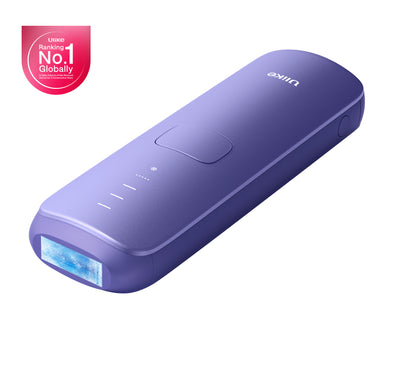
Ulike Air 3

3 weeks to silky smooth skin.

93% Hair Density Reduction in 4 Weeks
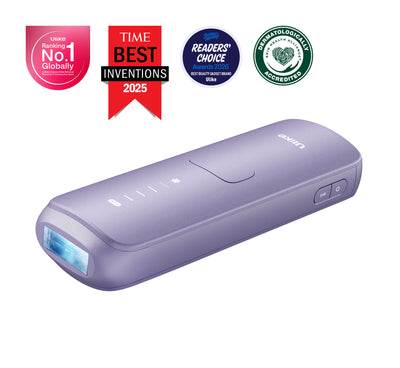
Ulike Air 4

4 weeks to silky smooth skin.

95.8% hair reduction in just 2 weeks*
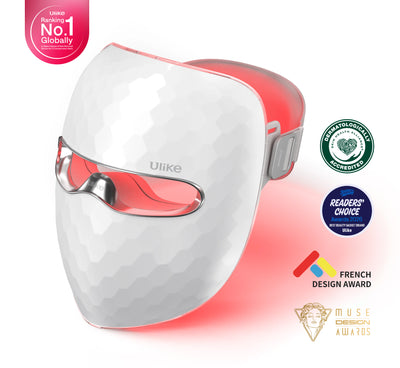
Ulike Reglow

Clearer skin in 2 weeks: Fewer breakouts
Smoother skin in 4 weeks: Fewer lines, firmer feel

Leave a comment

All comments are moderated before being published.

Back to top