 Ulike ReGlow Pro★ 5.0 (511)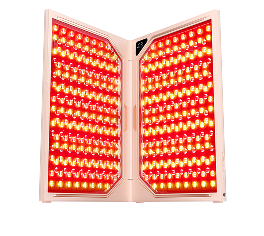




-
Adult acne is often driven by hormones, stress, and medications rather than pure oiliness.
-
It commonly shows up along the jawline and chin rather than the T-zone.
-
Combining blue and red light addresses both bacteria and the resulting inflammation.
-
Most people need 4-6 weeks of consistent use to see meaningful change.
Breaking out in your 30s or 40s hits differently than it did as a teenager — the products that used to work stop helping, and the acne itself often shows up in different places, driven by different causes. Adult acne treatment has become its own category in skincare, and LED masks are increasingly part of that conversation. Here's what's actually behind adult breakouts and where light therapy fits in.
One of the most frustrating parts of adult acne is that it frequently overlaps with early signs of aging — you might be dealing with a breakout on your chin and the beginnings of fine lines around your eyes at the same time, which most single-purpose acne products simply aren't built to address together.

Table of Contents:
- Part 1: What Makes Adult Acne Different?
- Part 2: How Light Therapy Addresses Adult Acne Differently
- Part 3: Building an Adult Acne Skincare Routine Around Light Therapy
- Part 4: When to See a Dermatologist Alongside At-Home Light Therapy
- Part 5: Teen Acne vs. Adult Acne
- Part 6: Ulike ReGlow's Clear Mode for Adult Breakouts
- Part 7: The Frustration of Adult Acne, and Why It's Worth Addressing
- Part 8: How Diet, Stress, and Sleep Interact With Adult Breakouts
- Part 9: Tracking Your Breakout Patterns Over a Full Cycle
- Part 10: How Skincare Marketing Sometimes Misleads Adult Acne Sufferers
- Part 11: Real User Feedback on Using ReGlow for Adult Acne
- Part 12: How ReGlow's 100-Day Trial Supports Adult Acne Sufferers Specifically
- Part 13: Conclusion
- Part 14: Frequently Asked Questions
Part 1: What Makes Adult Acne Different?
What Actually Triggers Adult Breakouts
Adult acne causes tend to differ from the surface-level oiliness that drives typical teenage breakouts. Hormonal fluctuations — from menstrual cycles, perimenopause, or conditions like PCOS — are one of the most common triggers, which is why hormonal acne light therapy conversations often focus on jawline and chin breakouts rather than the T-zone. Stress, certain medications, and even skincare products marketed as "anti-aging" but containing pore-clogging ingredients can also contribute.
Because adult skin also tends to be more prone to dryness, sensitivity, and early signs of aging simultaneously, treatments need to address acne without stripping the skin barrier — a balance that's harder to strike with traditional acne products alone. Many adult acne sufferers report that products designed for teenage skin feel far too harsh and drying for their needs.
Part 2: How Light Therapy Addresses Adult Acne Differently
How Light Therapy Addresses the Root Cause
This is where red light therapy for acne offers something different from typical spot treatments. Instead of drying out the skin, combining blue light (to target acne-causing bacteria) with red light (to calm the resulting inflammation) addresses both the trigger and the visible aftermath of a breakout, without the harsh, dehydrating side effects associated with some traditional acne treatments.
A 2025 meta-analysis referenced in dermatology literature found that at-home LED devices meaningfully reduced acne lesions over several weeks of consistent use — reinforcing that blue and red light therapy for acne isn't just a marketing claim, but a genuinely studied approach when used consistently.
Part 3: Building an Adult Acne Skincare Routine Around Light Therapy
- Cleanse thoroughly before every LED session to remove oil, makeup, and debris
- Avoid layering strong actives like retinoids or acids directly before treatment
- Apply a lightweight, non-comedogenic moisturizer after your session if skin feels dry
- Stay consistent — most people need four to six weeks before judging results
- Combine light therapy with, not instead of, a dermatologist-approved routine for moderate to severe cases
Part 4: When to See a Dermatologist Alongside At-Home Light Therapy
At-home LED devices are best suited to mild to moderate breakouts. If you're dealing with deep, painful cystic acne, scarring, or breakouts that aren't improving after two to three months of consistent at-home care, it's worth seeing a board-certified dermatologist. They may recommend prescription options — topical retinoids, oral medications, or in-office treatments — that can work alongside, rather than instead of, an LED mask routine.
Part 5: Teen Acne vs. Adult Acne
Adult breakouts often differ meaningfully from teenage acne patterns:
| Factor | Teen Acne | Adult Acne |
|---|---|---|
| Common cause | Increased oil production, puberty | Hormonal shifts, stress, medications |
| Common location | T-zone (forehead, nose) | Jawline, chin |
| Skin context | Often oilier overall | Often combined with dryness/early aging |
| Treatment approach | Standard acne products | Gentler, barrier-conscious routine |
Part 6: Ulike ReGlow's Clear Mode for Adult Breakouts
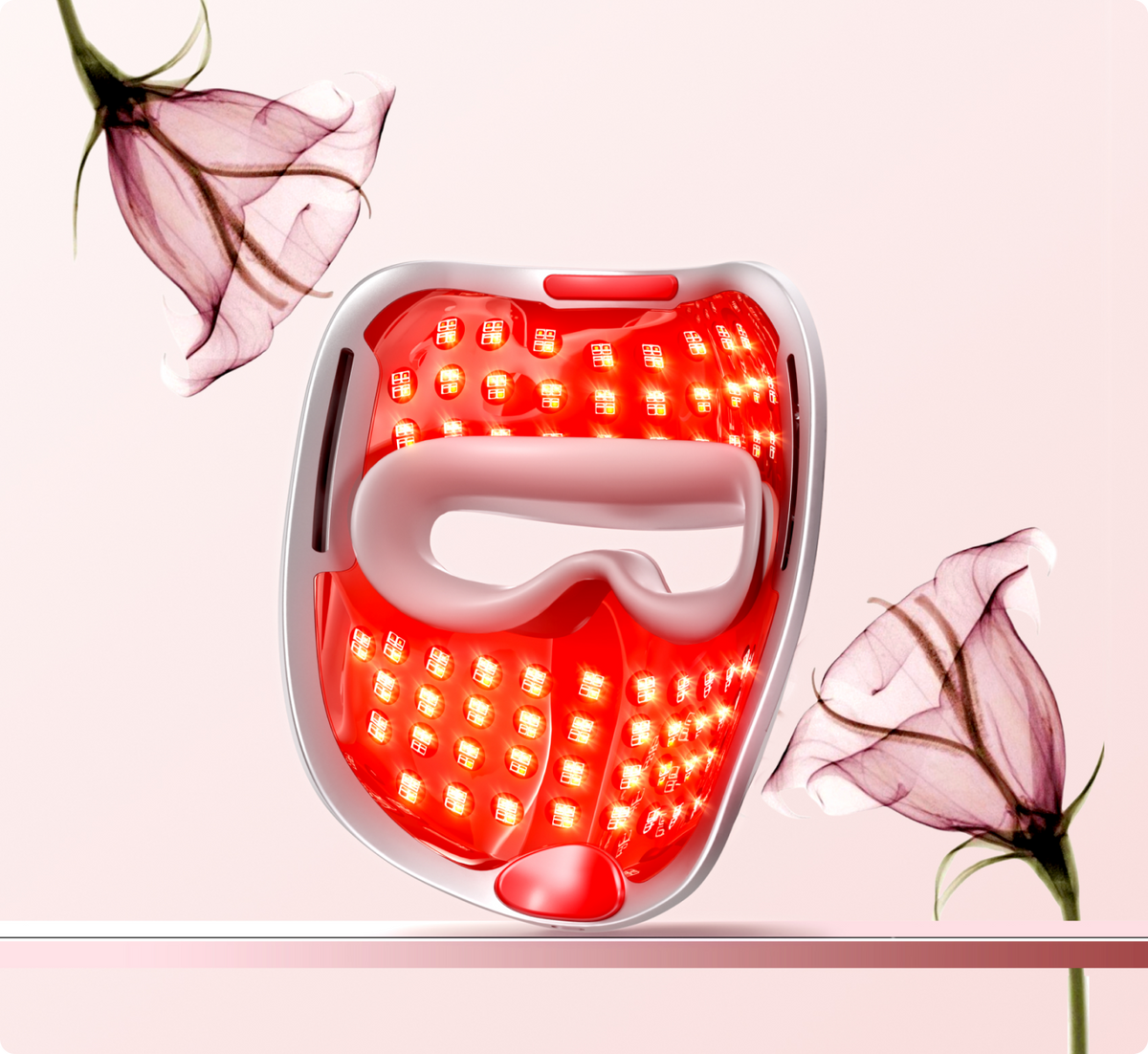
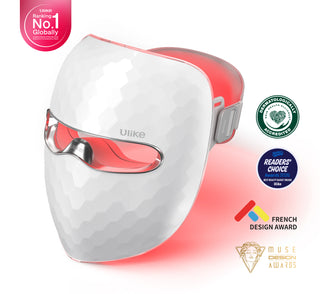
The Ulike ReGlow LED Light Therapy Mask includes a dedicated Clear Mode that blends blue, red, and infrared light in a single 5-minute session — targeting acne-causing bacteria while simultaneously calming inflammation, rather than treating them as two separate problems. Because ReGlow also offers Firm and Rejuvenate modes for the aging concerns that so often overlap with adult acne, it's designed to be used across an entire routine, not just for breakouts.
For anyone weighing an acne-focused LED mask against multi-concern options, the Ulike LED light therapy devices page outlines how each mode and wavelength combination is meant to be used.

Part 7: The Frustration of Adult Acne, and Why It's Worth Addressing
There's a particular frustration that comes with dealing with breakouts well past the age most people expect to have "grown out of it." Many adults report feeling caught between skincare marketed at teenagers and anti-aging products that don't address active acne at all, leaving a real gap in routines designed for their actual, overlapping concerns. This frustration is valid, and it's part of why devices addressing multiple concerns in one routine — rather than forcing a choice between acne care and anti-aging care — have become increasingly popular among adults dealing with both simultaneously.
Acknowledging this overlap isn't just a marketing angle — it reflects a genuine, common experience that traditional single-purpose skincare products often fail to address well.
Part 8: How Diet, Stress, and Sleep Interact With Adult Breakouts
Beyond hormones and skincare ingredients, lifestyle factors play a meaningful role in adult acne patterns. Chronic stress elevates cortisol, which can increase oil production and inflammation. Poor sleep is similarly linked to increased inflammatory markers throughout the body, including the skin. Some people also notice a connection between specific dietary patterns — high-glycemic foods or dairy, for some individuals — and breakout frequency, though this connection varies significantly from person to person and isn't universal.
None of this means adult acne is simply a lifestyle problem to be solved through willpower — genetics and hormones remain major drivers regardless of lifestyle factors. But addressing sleep, stress, and diet alongside a topical and light-based routine tends to produce more complete, sustainable improvement than focusing on skincare products alone.
Part 9: Tracking Your Breakout Patterns Over a Full Cycle
If your acne seems to follow a hormonal pattern, tracking breakouts alongside your menstrual cycle (or other relevant hormonal markers) for a full one to two cycles can reveal patterns that aren't obvious from day-to-day observation alone. This type of tracking can help clarify whether your breakouts are primarily hormonally driven, which affects how much improvement you can realistically expect from topical or light-based treatment alone versus needing a hormonally-focused conversation with your doctor.
Part 10: How Skincare Marketing Sometimes Misleads Adult Acne Sufferers
It's worth being aware that a meaningful share of acne marketing, including for LED devices, is still built around imagery and language aimed at teenagers, even when the product itself works equally well for adult breakouts. This can create a subtle but real barrier for adults who don't see themselves reflected in a brand's marketing and therefore assume the product isn't relevant to their situation. Recognizing this marketing pattern can help you evaluate products based on their actual mechanism and evidence rather than being swayed away from something genuinely useful simply because of who a campaign appears to be targeting.
Brands that specifically discuss adult acne, hormonal triggers, and the overlap with early anti-aging concerns tend to reflect a more complete understanding of this specific audience's actual needs, which is worth factoring into your decision alongside the core wavelength and safety criteria covered elsewhere in this series.
Regardless of how a product is marketed, the underlying question remains the same: does it deliver the correct wavelengths, at effective irradiance, with proper safety certifications, for the specific type of acne you're dealing with. Marketing imagery shouldn't be the deciding factor either way.
Part 11: Real User Feedback on Using ReGlow for Adult Acne
Customer feedback on ReGlow reflects many of the adult acne patterns raised in the sections above. One reviewer specifically described struggling with adult acne and being unable to use many topical products due to allergies and clogged pores, ultimately combining Clear Mode with Rejuvenate Mode in sequence and reporting a noticeable difference within just a few days of starting — though as this article emphasizes, individual timelines vary and most people should expect a more gradual multi-week process rather than assuming rapid results are typical.
This sort of mode-combining approach (Clear Mode for the acne-bacteria component, Rejuvenate Mode for calming and barrier support afterward) illustrates how ReGlow's four-mode design is meant to address the overlapping concerns — active breakouts alongside general skin calming — that adult acne so often involves.
Part 12: How ReGlow's 100-Day Trial Supports Adult Acne Sufferers Specifically
Given how frustrating and expensive trial-and-error can be for adult acne — a concern this article discusses at length — Ulike's 100-day trial period for ReGlow is particularly relevant. Since meaningful acne improvement generally takes four to six weeks of consistent use, a 100-day window provides enough time to genuinely evaluate whether the device is helping your specific type of breakouts before the return window closes, rather than being forced to judge results prematurely within a shorter, more typical 30-day return period.
This extended trial period reflects an implicit acknowledgment of the same biological timeline raised in earlier pieces in this series — that photobiomodulation results build gradually, and a fair evaluation period needs to accommodate that reality rather than rushing a purchasing decision.
Worth flagging: Ulike documents ReGlow's acne-related claims with a specific, testable benchmark: fewer breakouts within 2 weeks of consistent use, based on SGS-certified testing rather than an unquantified general promise. For anyone who has cycled through multiple acne products without a clear way to measure progress, having a specific, documented timeline to check your own results against removes some of the guesswork that often makes evaluating acne treatments so frustrating.
Part 13: Conclusion
Adult acne genuinely needs a different approach than typical teen-focused products, and light therapy can address breakouts without the drying side effects some traditional treatments carry. The Ulike ReGlow LED Light Therapy Mask's Clear Mode, combining blue, red, and infrared light, is built specifically to target both the bacteria driving breakouts and the inflammation that follows.
Adults searching for an adult acne LED mask are often looking for something gentler than what worked (or didn't) in their teenage years. The best LED mask for adult acne tends to combine blue red light therapy acne technology rather than relying on a single wavelength, since adult breakouts usually involve more than just surface bacteria.
If LED mask breakouts keep returning despite a solid skincare routine, at home acne devices are worth considering specifically because they address inflammation directly — many people specifically ask does red light therapy help acne, and the honest answer is: yes, particularly as part of a combination approach using an acne LED face mask alongside, not instead of, your existing routine.
Part 14: Frequently Asked Questions
Q1: What causes adult acne?
Hormonal fluctuations, stress, certain medications, and pore-clogging skincare ingredients are among the most common triggers for adult acne, which often differs in pattern and location from teenage breakouts.
Q2: Does red light therapy help with adult acne?
Red light helps calm the inflammation associated with breakouts, and when combined with blue light, it can also target acne-causing bacteria, making combination devices a popular at-home option.
Q3: How long does it take to see results from an LED mask for acne?
Most people notice a difference after four to six weeks of consistent use. Severe or cystic acne usually requires a dermatologist-guided plan alongside any at-home device.
Q4: Can I use an LED mask alongside prescription acne treatment?
Many people do, but it's best to check with your dermatologist first, especially if you're using retinoids or other treatments that increase light or sun sensitivity.
Q5: When should I see a dermatologist instead of relying on an LED mask alone?
If you have deep, painful cystic acne, scarring, or breakouts that don't improve after two to three months of consistent at-home care, it's time to consult a board-certified dermatologist.
Q6: Can I use more than one ReGlow mode in the same routine?
Yes, Ulike's guidance supports using 1-2 modes per session, and many users combine modes like Clear and Rejuvenate to address both active breakouts and overall skin calming in the same routine.
Q7: What's the maximum recommended session time for ReGlow?
Ulike recommends not exceeding 20 minutes of total treatment time per session, whether using one mode or combining two.