 Ulike ReGlow Pro★ 5.0 (511)




Table of Contents
IPL works best when your skin is calm, clean, and ready. A rushed session can feel sharper, and the results may look uneven.
If you are new to at-home IPL, your routine matters almost as much as the treatment itself. A few small habits, like shaving instead of waxing and keeping skin out of the sun, make the process safer and easier to repeat. That is the kind of prep skin for IPL that pays off every time.
Key Takeaways
- Prioritize a clean, dry surface: Ensure the skin is free of oils, lotions, and perfumes before starting your session to prevent adverse reactions and help the light energy penetrate effectively.
- Shave, don't pluck: IPL targets the pigment in the hair root, so you must shave the visible hair while leaving the root intact; never wax, epilate, or pluck before treatment.
- Avoid sun exposure and irritants: Steer clear of natural tanning, sunbeds, and self-tanners, and pause the use of exfoliating acids or retinoids to prevent skin sensitivity and burns.
- Respect your skin's condition: Always skip over tattoos, moles, open cuts, or irritated skin, and confirm that your skin tone and hair color are compatible with your device's settings.
Start with clean, dry skin
Clean skin gives the light a clear path. Oils, lotions, sunscreen, deodorant, and perfume can all get in the way or cause adverse reactions during your treatment.
Wash the treatment area with a gentle cleanser, then pat it dry. It is also important to focus on hydrating skin in the days leading up to your appointment, but avoid applying body oil, fragrance, or heavy cream immediately before your session. If the skin feels slick or damp, wait a few minutes longer to ensure the surface is completely dry.
Keep the routine simple. A plain guide like this helpful prep skin for IPL resource follows the same basic idea: focus on a clean surface first and save the extras for after your treatment.

That clean skin step matters even more if you treat after a shower. Water can hide in skin folds, underarms, or along the bikini line, so a quick check with a towel helps ensure optimal conditions.
If you use the device on multiple areas, clean each section the same way. Consistency makes the session feel more predictable, and it helps you spot any skin that looks red or irritated before you start.
Shave first, skip waxing and plucking
IPL targets the pigment in the hair root. That means the root needs to stay in the skin. Waxing, sugaring, plucking, and epilating pull the hair out, so they work against the treatment.
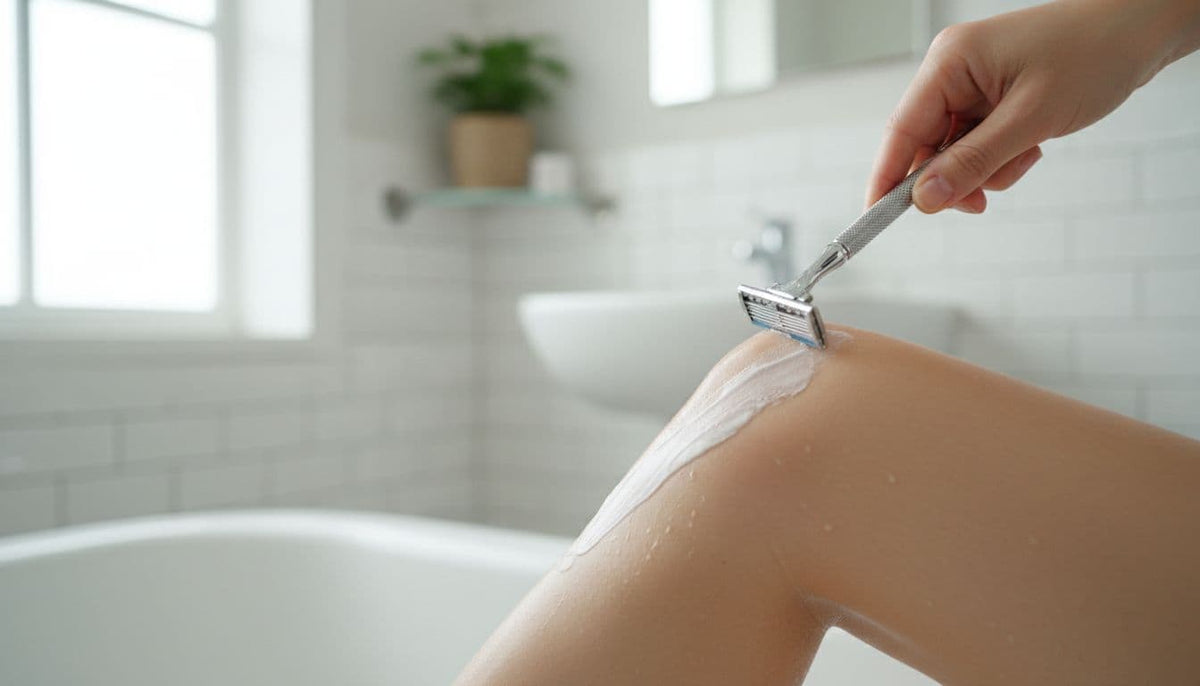
Always shave treatment area before your session; a close shave ensures the light energy is absorbed by the hair root rather than the hair above the skin. Because IPL works by targeting the melanin in the hair follicle, you must leave the root intact to achieve effective results.
Use a clean razor, and do not press hard. Tiny nicks or razor burn can make the session sting. If your skin is sensitive, shave earlier in the day or the day before, then let the skin settle.
A good rule is simple, shave the visible hair, but do not remove the root. If you see stubble, that is fine. If the skin feels raw, wait.
Many beginners make the same mistake here, as they treat freshly waxed skin because it looks hair-free. That can raise the chance of irritation. If you want to understand potential side effects of IPL, this guide is a useful read before your first session.
Skip sun, self-tanner, and irritating actives
Sun exposure significantly changes how your skin reacts to light-based treatment. Whether you are getting rays from natural sources or using sunbeds, it is essential to avoid tanning before your session. A fresh tan, sunburn, or even recent sun damage can raise the risk of discomfort, burns, or uneven results, as your skin may be too sensitive to absorb the light pulses correctly.
The same rule applies to self-tanner. If pigment is sitting on the skin, you must wait until it fades completely before you treat. Do not guess; if any color remains, leave the area alone for your safety.
A few skincare products also require a pause. Potent ingredients like retinoids, AHAs and BHAs, and other exfoliating products can make the skin more reactive. Keep these items off the treatment area for at least a few days before your IPL session, or follow the specific timeline recommended by your device manual. To protect your skin between treatments, always apply a broad-spectrum sunscreen with SPF 30+ whenever you head outdoors.
Here is a quick reference:
| What to pause | Why it matters | Simple rule |
|---|---|---|
| Sun exposure and sunbeds | Tanned skin reacts too strongly to light | Avoid tanning and use a broad-spectrum sunscreen with SPF 30+ daily |
| Self-tanner | It causes uneven pigment absorption | Wait until the color fully fades |
| Retinoids, AHAs and BHAs, exfoliating products | They increase skin sensitivity and reactivity | Stop using them on the area for a few days |
| Perfume, deodorant, body oil | They can irritate the skin surface | Keep the area product-free on session day |
If the skin is sunburned, peeling, or shows signs of sun damage, wait until it fully recovers before you treat.
If you want another step-by-step version of the same basics, this IPL prep guide is a helpful cross-check.
Check the area, your meds, and device settings
Some skin should not be treated, even if the area looks ready. Tattoos, dark moles, birthmarks, fresh scars, cuts, and irritated patches should be skipped or carefully covered, depending on your device instructions. IPL works by targeting pigment, so darker areas or heavy pigmentation can absorb more light than the surrounding skin.
While IPL is a popular non-invasive treatment for skin rejuvenation, including the reduction of age spots, fine lines, broken capillaries, and the management of rosacea, these specific conditions require careful calibration. Always verify your device settings to ensure they match the area you are treating.
Broken skin needs a break too. That means no IPL over open cuts, active rashes, sunburns, strong razor burn, or skin that already feels hot. Let the area heal completely before your session.
Photosensitizing medications matter as well. Some antibiotics, acne drugs, and other prescriptions can increase skin sensitivity. If your medication label mentions sun sensitivity, talk with a clinician or pharmacist before using your device. Additionally, ensure you are wearing the appropriate protective eyewear if your specific model requires it during operation.
Skin tone and hair color also matter. Most at-home IPL devices work best on light to medium skin with dark hair. Very dark skin and very light hair, including blonde, red, gray, or white hair, are often outside the safe or effective range. Check your device manual before you start, because the manufacturer instructions always supersede general advice.
This is also where patch testing helps. If you are new to the device, moving to a new body area, or returning after a long break, test a small spot first and wait the duration recommended in your manual. If you want a fuller safety rundown, the how to safely use IPL devices at home guide is a smart next read.
Use this quick checklist before every session
A simple routine saves time and helps you avoid common mistakes. Before you turn your IPL device on, run through this short check to ensure your skin is ready for a safe and effective session.
- Ensure you shave treatment area the day before to get the best results.
- Skin is clean and fully dry.
- The area is shaved, not waxed or plucked.
- No lotion, oil, sunscreen, makeup, deodorant, or perfume remains on the skin.
- Check for recent sun exposure or tanning, and ensure no self-tanner has been applied.
- No retinoids, acids, scrubs, or other irritating actives are sitting on the skin.
- Tattoos, moles, cuts, rashes, and broken skin are skipped.
- Your skin tone and hair color fit the device guide.
- A patch test has been performed when required.
- The device intensity setting matches the manual.
If something feels off, stop and consult your user instructions again. Taking a brief pause is always better than guessing when it comes to your skin.
Frequently Asked Questions
Why can't I wax or pluck before an IPL session?
IPL works by targeting the melanin in the hair follicle, which requires the hair root to be present beneath the skin. Waxing and plucking remove the root, leaving nothing for the light energy to target, which renders the treatment ineffective.
How long should I avoid the sun before and after IPL?
It is best to avoid sun exposure, including tanning beds, for at least two weeks before and after your session. Tanned or sun-damaged skin is significantly more sensitive and has a higher risk of experiencing burns or pigmentation issues during treatment.
Can I use my regular skincare products right before IPL?
You should avoid applying any topical products, including lotions, deodorants, perfumes, and heavy oils, immediately before your session. Additionally, you should stop using irritating actives like retinoids, AHAs, or BHAs on the treatment area for several days prior to help keep the skin calm.
What should I do if I have a tattoo or mole in the treatment area?
You must avoid using your IPL device directly over tattoos, dark moles, birthmarks, or fresh scars. Because these areas have higher pigment concentrations, they can absorb excessive light energy and lead to painful burns or skin damage.
Conclusion
The safest way to prep skin for intense pulsed light is also the simplest; keep it clean, dry, shaved, and calm. While a professional IPL photofacial is often used to boost collagen production through clinical treatments, home devices offer similar benefits for consistent maintenance. Once you remove common irritants, the session is easier to manage and more effective from one treatment to the next.
The biggest mistakes are easy to avoid when you slow down before the flash. Watch for sun exposure, self-tanner, active skincare, tattoos, broken skin, and any medication that makes skin light-sensitive. During your session, you may feel a sensation similar to a rubber band snap against the skin. If you experience minor redness and swelling, applying a cooling gel can help soothe the area effectively.
Do the prep the same way each time, and let your device manual lead the way. That steady routine is what makes at-home treatments feel less complicated and more reliable.