¿Puede la IPL eliminar las canas? Qué debes saber antes de probarlo

If you are researching whether ipl gray hair treatments are effective, the answer often brings more confusion than clarity. Whether you are looking at an at-home device or a professional clinic package, the reality is that intense pulsed light usually does not work well on gray or white hair. This holds true even when comparing these results to traditional laser hair removal, which also relies on hair pigment to function.
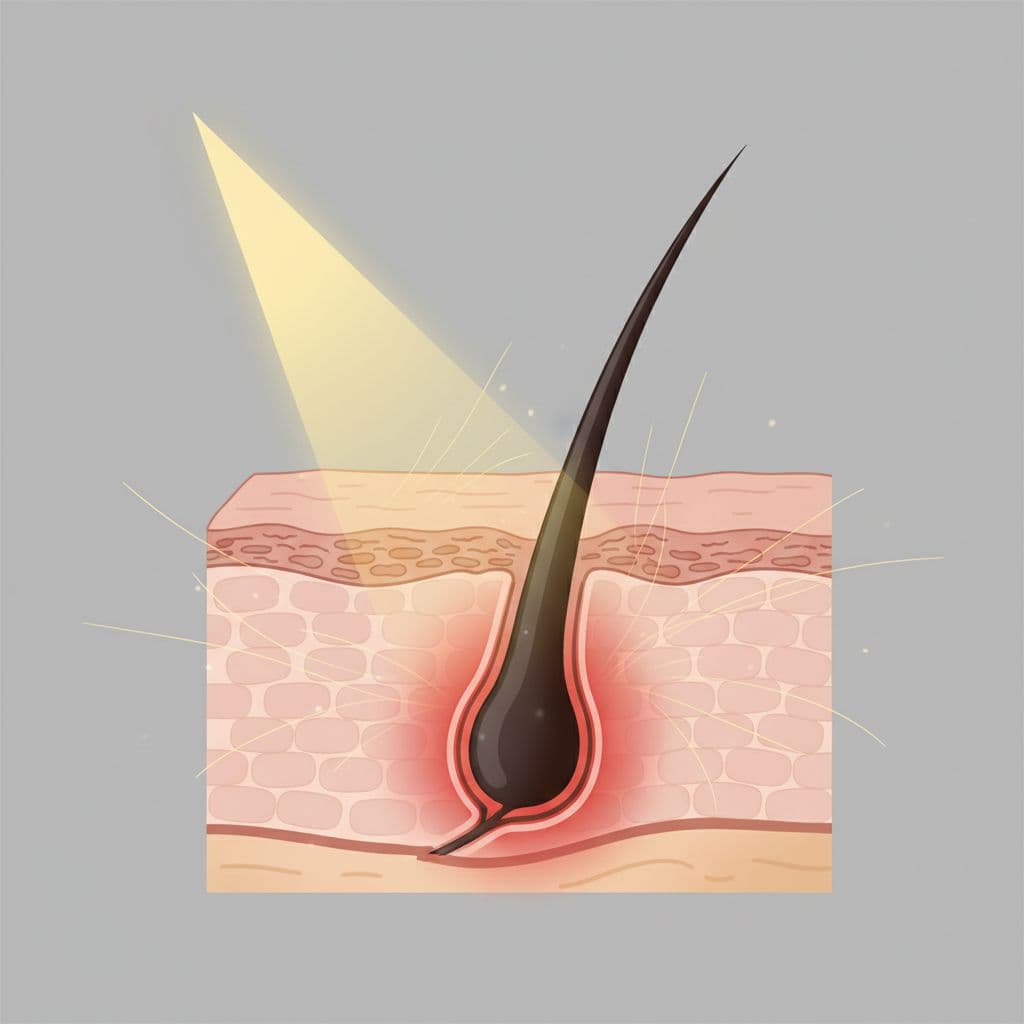
The reason for this limitation is melanin. IPL needs enough pigment in the hair follicle to absorb light and convert it into heat, which is how it slows future growth. Once you understand this mechanism, the mixed reviews regarding these devices start to make sense.
That light and pigment match is the key point to understand before you invest in a treatment plan.
Key Takeaways
- IPL technology requires hair pigment (melanin) to absorb light and heat the follicle, making it largely ineffective for gray, white, silver, or blonde hair.
- Because gray and white hairs lack the necessary melanin, light-based treatments like IPL or laser hair removal usually cannot inhibit their growth.
- If your treatment area has a mix of dark and gray hair, IPL may only reduce the darker strands, leaving the gray ones behind.
- Electrolysis is considered the gold standard for removing gray or light-colored hair, as it destroys the follicle mechanically rather than relying on light-to-pigment absorption.
Why IPL usually fails on gray and white hair
IPL sends broad flashes of light into the skin. To understand why this process struggles with certain hair types, we must look at the biology of the hair follicle. Within the hair follicle, specialized cells called melanocytes produce pigments that give hair its color. Eumelanin provides brown or black tones, while pheomelanin creates red or yellow shades. IPL technology relies on these pigments to absorb light energy, which then heats the hair and damages the follicle to inhibit future growth. Ulike explains how IPL light targets hair follicles in simple terms, and Philips' overview of IPL describes the same basic process.
That is why IPL works best when there is a strong contrast between dark hair and lighter skin. In that setup, the concentrated pigment absorbs the light energy efficiently. However, as we age, the process known as leukotrichia occurs, where the hair follicle stops producing pigment altogether. Because gray, white, and silver hairs lack these pigments, the light has little to grab onto. Even many light hair colors, such as blonde hair and red hair, contain insufficient or inconsistent amounts of melanin for the device to be effective. Less absorption means less heat, and less heat means that the treatment will likely yield weak or inconsistent results.

Gray and white hair usually lacks the pigment IPL needs, so reliable removal is uncommon.
A quick comparison helps:
| Hair color | Melanin in hair | IPL response |
|---|---|---|
| Dark brown or black | High amount of eumelanin | Usually best |
| Light brown or dark blonde hair | Moderate amount of pigment | Often possible, depends on device |
| Red hair | Low or uneven pheomelanin | Often limited |
| Gray, white, or silver | Very low pigment | Usually poor |
If you are comparing IPL and gray hair, this is the core issue. The problem often is not your technique or the quality of your device. Instead, the biological change in the hair follicle prevents the light absorption necessary for effective removal.
When a consultation still makes sense
A consultation can still help if your hair isn't fully gray. Many people have a salt-and-pepper mix of facial hair, especially on the chin, upper lip, underarms, or bikini line. In that case, IPL may reduce the darker hairs while leaving the gray ones behind. That can still be useful, but only if you go in with realistic expectations.
A clinician can also check whether the hair looks white on the surface but still has some pigment near the hair root. That is not a promise of success, and test spots still matter. While professional laser hair removal often provides more power than home IPL devices, both technologies generally rely on melanin to be effective. Consequently, even a stronger machine does not automatically solve the issue of removing light hair colors.
Consider booking a consult if you have sudden new facial hair, irregular periods, signs of PCOS, or skin issues such as eczema, melasma, or a history of easy burning. If hair growth changed fast, a dermatologist or primary care clinician can rule out a medical cause before you spend money on treatments.
If you are researching device limits, FOREO's guide to IPL technology and its overview of device suitability both note that white, gray, and other light hair colors respond poorly. That lines up with what many clinics tell clients during screening.
If nearly all the hair in the area is gray or white, be careful with expensive packages that promise dramatic clearance. In most cases, another method is a better fit.
At-home IPL, clinic treatment, and better options for gray hair
At-home intense pulsed light devices and professional clinic treatments differ significantly in power, speed, cost, and oversight. While professional clinics can adjust settings based on your specific Fitzpatrick skin types and provide closer assessment, they often utilize advanced systems like the Nd:YAG laser or Er:YAG laser to achieve permanent hair reduction. In contrast, home devices use lower energy and require repeated sessions. Regardless of the technology used, if the target hair is gray, both options face the same fundamental limitation: a lack of sufficient melanin to absorb light energy.
Effective treatment relies on the concept of thermal relaxation, which ensures that heat is delivered to the hair follicle while allowing the surrounding skin to cool, preventing damage. When managing unwanted hair, poor results can tempt users to raise energy settings too quickly or treat too often. Always follow the device schedule rather than relying on wishful thinking. Ulike's guide on IPL hair removal safety and results covers the basics, and you should always check the skin tone chart before beginning. Many devices are not safe for every skin tone, and a mismatch can increase the risk of burns or discoloration.
Keep essential safety points in mind. Always perform a patch test first, especially if you have sensitive skin. Avoid treating over tattoos, dark moles, open cuts, rashes, or infected areas. Do not treat immediately after heavy sun exposure or on a fresh tan. Review your medications as well, because some antibiotics, acne drugs, and herbal supplements can increase light sensitivity. When treating the face, stay away from the eyelids and exercise extra caution.
Some individuals inquire about experimental approaches found in a randomized clinical trial or as an adjunct therapy, such as using hair dye, mascara dyeing, black eyeliner, or other forms of hair coloring to artificially add pigment to the follicle before treatment. While these methods aim to help the light target the hair, they are often off-label, debated for efficacy, and may not yield consistent results.
For mostly gray or white hair, electrolysis remains the gold standard for white hair removal. Because it does not depend on melanin, it effectively treats gray, white, blonde, and red hairs. Shaving, trimming, threading, waxing, and sugaring remain viable alternatives depending on the area and your skin sensitivity. Depilatory creams are another option, but a patch test is necessary because facial skin can be reactive.
If you have a mix of dark and gray hairs, a blended plan often makes the most sense. Use light-based treatments for the darker hairs if you are a good candidate, then clear the remaining gray strands with electrolysis or other temporary maintenance methods.
Frequently Asked Questions
Can I dye my gray hair to make IPL work?
While some suggest using mascara or hair dye to add pigment to the hair before treatment, this is generally considered ineffective and risky. These methods do not deliver energy deep enough into the follicle to disable growth, and they may lead to skin irritation or burns.
Why does laser hair removal work for some but not for gray hair?
Both IPL and laser hair removal function by targeting the melanin within the hair shaft. Once the hair turns gray or white, it loses this pigment, leaving the device with nothing to target to generate the heat needed for destruction.
Is electrolysis better than IPL for gray hair?
Yes, electrolysis is the most effective solution for gray or white hair because it does not require pigment to function. It uses a small probe to apply an electrical current directly to the follicle, making it capable of treating any hair color or skin type.
Should I bother with a consultation if my hair is mostly gray?
A consultation is still valuable to evaluate your specific hair distribution and rule out medical causes for rapid hair growth changes. A professional can provide an honest assessment of whether you have enough dark hair to make IPL worthwhile or if you should move straight to electrolysis.
Conclusion
If you are wondering if IPL gray hair treatment is effective, the reality is that it is often a poor match for those specific hair types. Because IPL technology relies on light absorption by pigment within the follicle, it lacks the necessary target to disable growth in silver or white hair.
If your treatment area contains a mix of dark and light strands, a professional consultation and a test spot are essential to determine if you can achieve the long-term results you desire. However, for those seeking white hair removal, electrolysis remains the most reliable and effective path. Since electrolysis does not depend on pigment to treat the follicle, it is the gold standard for removing hair that light-based methods simply cannot see. Keeping your expectations realistic will help you save time and money, ensuring you choose the hair removal method that finally works for your unique needs.
Featured Products

Ulike Air 10
2 weeks to silky smooth skin.
96% Hair Density Reduction
The next-generation in simple,
lasting hair removal.

How to Switch from Plucking Chin Hair to IPL

Electrolysis vs Laser Hair Removal: Which Is Better?
Best Female Facial Hair Remover: Which One Suits You?

Explore Beauty
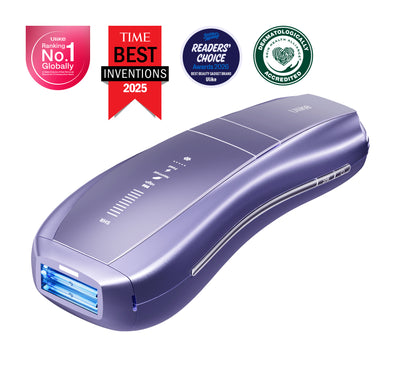
Ulike Air 10
2 weeks to silky smooth skin.
96% Hair Density Reduction in 2 Weeks
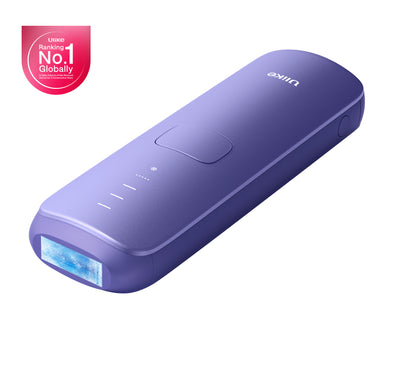
Ulike Air 3
3 weeks to silky smooth skin.
93% Hair Density Reduction in 4 Weeks
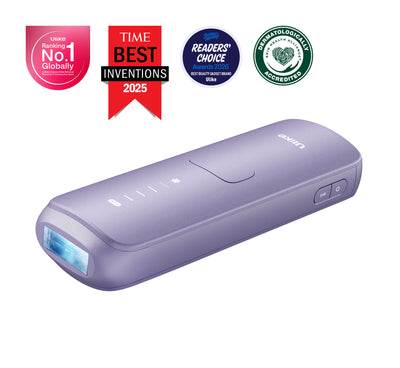
Ulike Air 4
4 weeks to silky smooth skin.
95.8% hair reduction in just 2 weeks*
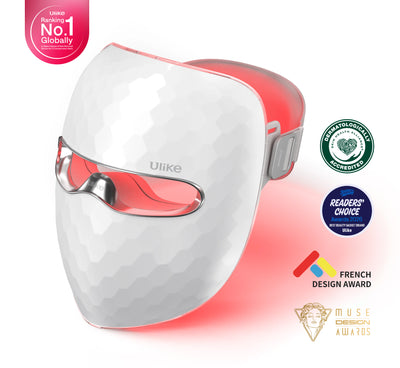
Ulike Reglow
Clearer skin in 2 weeks: Fewer breakouts
Smoother skin in 4 weeks: Fewer lines, firmer feel