La IPL en los tatuajes: por qué la respuesta suele ser «no»

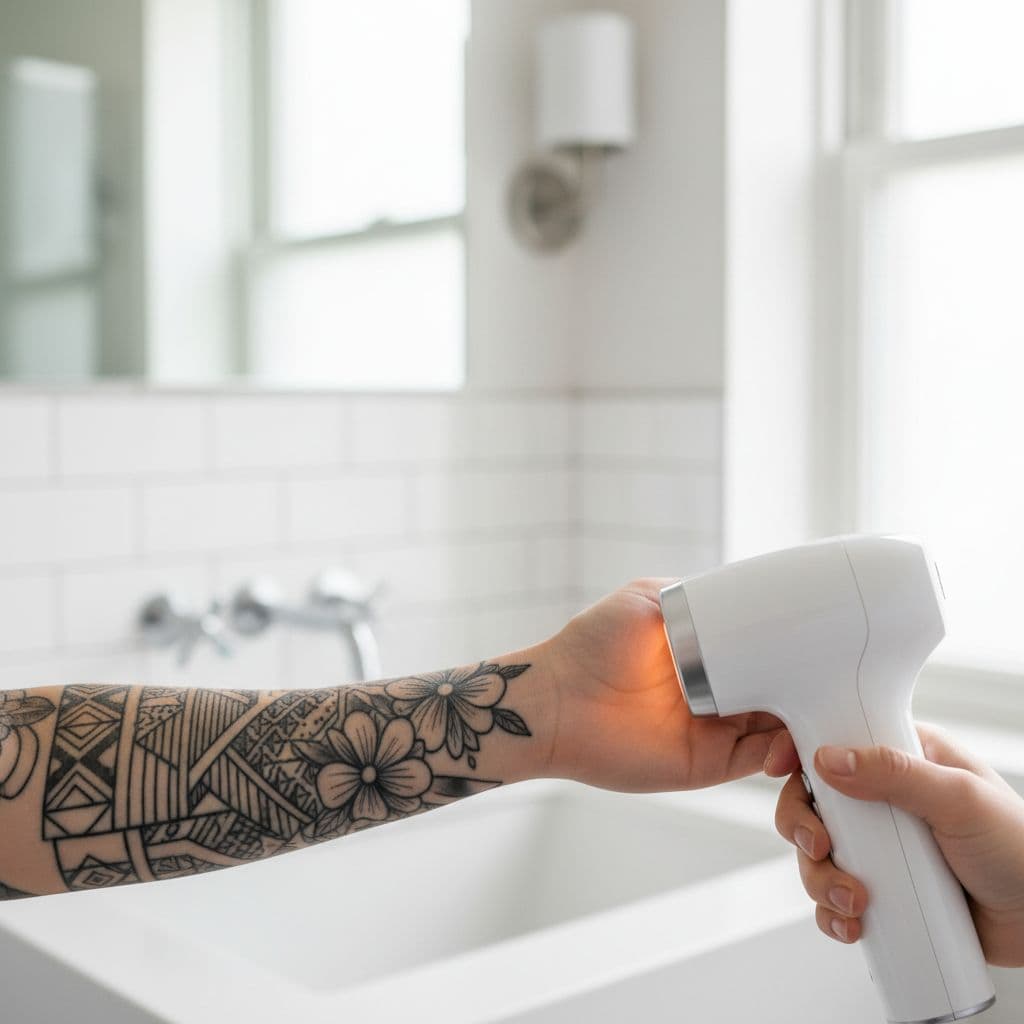
Having a tattoo can change your IPL hair removal plan quickly. The short answer is clear: do not use IPL, or Intense Pulsed Light, directly over tattooed skin.
Tattoo pigment can absorb the light that the device sends into the body. This creates a high risk of burns, blistering, skin damage, and unwanted changes to the tattoo, including fading or distortion. The important detail to remember is that tattooed skin and the clear skin around it are not the same situation, and safety should always be your priority.
Key Takeaways
- Avoid Direct Treatment: Never use an IPL device directly over a tattoo, as the ink absorbs light energy and can cause severe burns, blistering, and permanent skin damage.
- Risk of Ink Distortion: IPL light does not distinguish between melanin and tattoo pigment, which can lead to blurred lines, fading, or significant distortion of your body art.
- Maintain a Buffer Zone: To prevent accidental overlaps, always maintain a 2 to 3cm safety zone around your tattoo, as even a stray flash can cause lasting complications.
- Choose Alternatives for Ink: For hair growing directly on a tattoo, skip light-based treatments and opt for shaving or professional electrolysis, which does not rely on light absorption.
Why IPL and tattoos don't mix
IPL hair removal works by emitting pulses of broad-spectrum light into the skin. This light is designed to be absorbed by the melanin found within the hair follicle. The primary goal is to heat the follicle itself while leaving the surrounding skin unaffected. A tattoo creates a significant safety issue because the concentrated tattoo pigment also absorbs this light energy.

When this happens, the process triggers rapid heat absorption that the skin cannot handle. Consequently, you face a high risk of painful skin burns, blistering, and potential scarring. Furthermore, the light can damage the ink beneath the surface, leading to tattoo distortion, fading, or blurred lines. Darker ink is particularly problematic, as it absorbs more light energy and increases the likelihood of these complications. Even a single flash can be enough to cause lasting damage.
Do not flash IPL directly over a tattoo, even once.
This safety guideline applies to both professional clinic treatments and at-home IPL devices. While the machines differ in intensity, the risk remains consistent because the core issue is the interaction between the light and the ink, regardless of the device used. Fresh tattoos are strictly off-limits, as healing skin is already compromised, and applying light-based treatments to damaged skin often results in severe reactions.
Keep in mind that no specific ink color is inherently safe for these treatments. Because you cannot accurately predict how different pigments will react, attempting to test a tattoo with a single pulse is a dangerous idea. If you accidentally treat a tattooed area and notice severe pain, blistering, or spreading redness, stop immediately and contact a medical professional for guidance.
Can you treat the skin around a tattoo?
Sometimes you can, but only if the treatment area stays fully on clear, untreated skin. The tattoo itself should remain completely outside the path of the device. This sounds simple, yet it gets tricky near edges, small tattoos, and curved areas like ankles or wrists.
This quick comparison helps:
| Area | Can IPL be used? | Main concern |
|---|---|---|
| Directly on the tattoo | No | Tattooed skin can absorb light and overheat |
| Right next to the tattoo | Maybe | Any overlap can hit the ink |
| Hair growing through the tattoo | No | A non-light method is safer |
The biggest risk near tattoos is accidental overlap. Because IPL hair removal devices treat a wider spot than a single hair, the light energy can easily catch the border of the ink. To prevent burns, it is best to leave a buffer zone of 2 to 3cm around the tattoo and skip any hairs that sit too close. You should apply this same level of caution to moles and birthmarks, as they also contain high concentrations of pigment that can react to the light.
Covering the tattoo may help mark the boundary, but it does not turn the area into a safe treatment zone. A cover can shift, thin material may not block enough light, and edges can still get exposed. In a clinic, professionals may use opaque shielding as an added precaution, but this should not be treated as permission to pulse the device over the tattoo.
If you want a broader safety refresher before starting, these essential IPL safety practices are worth reading.
At-home users and clinic patients need different plans
If you're using at-home IPL devices
Start by carefully reading the safety guidelines provided in your device manual. Most brands explicitly state that you should avoid tattoos, and it is vital to follow these instructions exactly. Work in a well-lit area so you can clearly see the tattoo border.
Always perform a patch test on non-tattooed skin. When you treat near ink, keep the entire flash window on clear skin and avoid trying to remove every last hair at the very edge. If the area is too tight to place the device without touching the tattoo, skip it; that is the safer call.
For hair growing directly on top of the ink, shaving is generally the best option. While other alternative hair removal methods like waxing or plucking might seem effective, they remove hair from the root, which can make nearby IPL sessions less effective. Sticking to shaving keeps the treatment area focused and helps you avoid skin irritation.
If you're going to a clinic
Tell your provider about every tattoo before treatment starts, even if the ink is small or faded. A professional clinic will map around the ink, protect the nearby skin, and avoid firing the device over the tattoo. If a technician suggests trying even a single pulse on the tattooed area, that is a clear red flag to stop the session.
Clinic patients should also discuss how to handle hair growth through the tattoo. While many people choose shaving, those seeking permanent hair removal on tattooed skin might ask about electrolysis. Unlike IPL or laser hair removal, which target pigment, electrolysis uses a tiny probe to treat individual follicles. It does not rely on light absorption, making it a viable option for many, though it is worth consulting with a dermatologist or licensed electrologist to see if it fits your specific needs.
If you are still deciding whether home treatment is right for you, this guide on whether IPL hair removal is safe provides a useful overview of general risks and precautions.
Final thoughts
Even a single pulse of light can cause significant damage to your skin, which is why using IPL on tattoos is strongly discouraged. The process of IPL hair removal relies on the absorption of light energy by pigment; unfortunately, this mechanism does not distinguish between the melanin in your hair and the ink beneath your skin. If you use a device over a tattoo, the ink will absorb the concentrated light energy, potentially leading to painful burns, blistering, or unwanted ink distortion.
To stay safe, treat only the clear skin surrounding your body art, making sure to leave a generous buffer zone. For any hair growth located directly on the ink, it is best to opt for shaving or other non-light removal methods. When you cannot treat a specific area without guessing, skipping that spot is always the smartest move. Prioritizing the health of your tattooed skin will help you avoid complications and ensure that your ink stays looking its best.
FAQ
Can IPL fade a tattoo?
Yes. Tattoo pigment is designed to absorb light, which means IPL devices can cause unwanted tattoo distortion. This process may fade the ink, blur sharp lines, or even alter the color of the design. Additionally, the heat generated by the device can lead to significant skin injury in the treated area.
Can I use IPL near permanent makeup?
No, you should avoid using IPL near permanent makeup or microblading. These procedures rely on ink deposited in the skin, which will react to light-based treatments just like a traditional body tattoo. The risk of pigment alteration or skin damage near the eyes, lips, or brows is too high to justify the use of these devices in those regions.
Is covering a tattoo enough for IPL?
Not always. While opaque shielding may provide an extra layer of protection, especially in professional clinical settings, it does not guarantee that direct treatment over a tattoo is safe. If there is any chance that the flash window could overlap the ink, it is best to skip the area entirely.
What are safer ways to remove hair over a tattoo?
When dealing with ink, it is best to prioritize alternative hair removal methods that do not involve light. Shaving and careful trimming are the simplest options because they do not interact with the ink or the skin pigment. If you are looking for a longer-term solution for IPL hair removal on or near your ink, consult a dermatologist or a licensed electrologist to determine if electrolysis is a reasonable choice for that specific area.
Featured Products

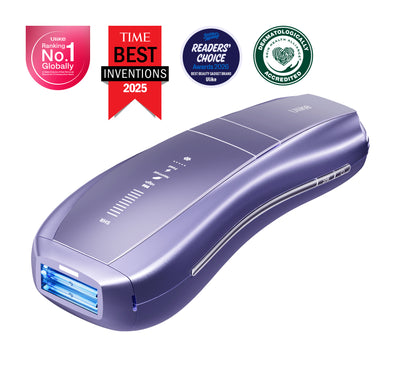
Ulike Air 10
2 weeks to silky smooth skin.
96% Hair Density Reduction
The next-generation in simple,
lasting hair removal.

How to Switch from Plucking Chin Hair to IPL

Electrolysis vs Laser Hair Removal: Which Is Better?
Best Female Facial Hair Remover: Which One Suits You?

Explore Beauty
Ulike Air 10
2 weeks to silky smooth skin.
96% Hair Density Reduction in 2 Weeks
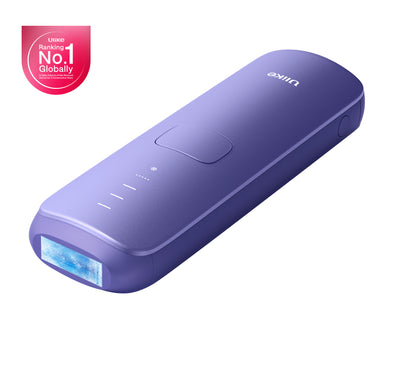
Ulike Air 3
3 weeks to silky smooth skin.
93% Hair Density Reduction in 4 Weeks
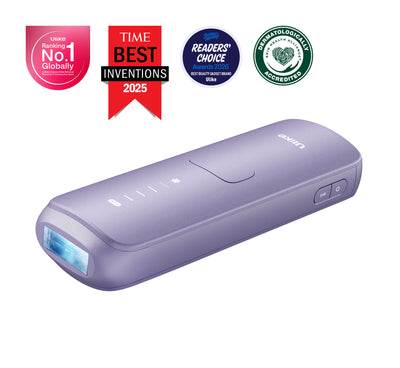
Ulike Air 4
4 weeks to silky smooth skin.
95.8% hair reduction in just 2 weeks*
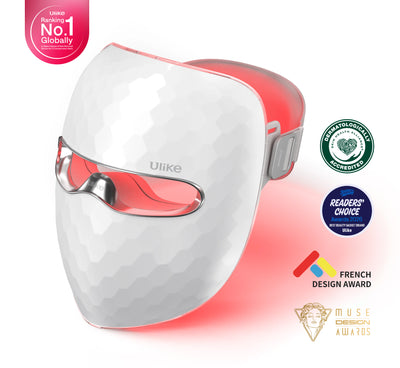
Ulike Reglow
Clearer skin in 2 weeks: Fewer breakouts
Smoother skin in 4 weeks: Fewer lines, firmer feel