 Ulike ReGlow Pro★ 5.0 (511)


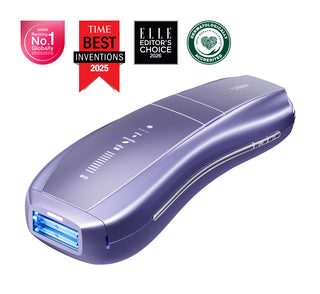
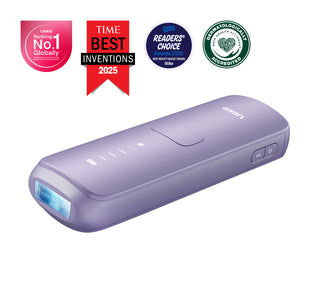


Table of Contents
If you’re asking, “can you get laser hair removal while pregnant,” the safest answer is to wait. Laser hair removal is generally postponed during pregnancy. This is because there is limited research confirming its safety for developing fetuses.
One accidental appointment does not automatically mean harm occurred. If you had a session before knowing you were pregnant, try not to panic. For now, safer temporary options like shaving, trimming, waxing, threading, and tweezing can help you manage unwanted hair until you’re ready to revisit laser or IPL hair removal after pregnancy.

Table of Contents:
- Part 1: Quick Answer: Can You Do Laser Hair Removal While Pregnant?
- Part 2: Why Is Laser Hair Removal Not Recommended During Pregnancy?
- Part 3: What If You Had a Laser Session Before Knowing You Were Pregnant?
- Part 4: Can You Use At-Home IPL Hair Removal While Pregnant?
- Part 5: Safer Hair Removal Alternatives During Pregnancy
- Part 6: When Can You Resume Laser or IPL Hair Removal After Pregnancy?
- Part 7: Conclusion
- Part 8: Frequently Asked Questions
Part 1: Quick Answer: Can You Do Laser Hair Removal While Pregnant?
No. Laser hair removal is generally postponed during pregnancy because pregnancy-specific safety research is limited. If you’re wondering, “can you do laser hair removal while pregnant,” many OB-GYNs, dermatologists, and laser clinics recommend postponing treatment until after delivery.
Part 2: Why Is Laser Hair Removal Not Recommended During Pregnancy?
Laser hair removal while pregnant is generally approached with caution. People looking into laser hair removal for pregnant individuals should understand that recommendations are based on limited safety data. The main reasons for this cautious approach are explained below.
- Limited safety research: Pregnant people are often excluded from cosmetic laser studies, so safety is not well confirmed.
- Non-essential treatment: Since laser hair removal is elective, many providers recommend waiting until after pregnancy.
- Increased sensitivity: Pregnancy can make skin more tender, making laser treatments more uncomfortable.
- Higher pigmentation risk: Hormonal changes may increase melasma or uneven skin tone, which laser treatment could worsen.
- Unpredictable hair growth: Pregnancy hormones can change hair-growth patterns, making results less reliable.
Part 3: What If You Had a Laser Session Before Knowing You Were Pregnant?
If you had a laser session before knowing you were pregnant, one accidental treatment is not usually a reason to panic. Many people schedule cosmetic appointments before they realize they’re expecting, and accidental exposure does not automatically mean harm occurred.
A simple action plan can help:
- Pause future laser or IPL sessions.
- Inform the clinic or provider that you are pregnant.
- Monitor the treated area for unusual skin reactions, such as redness, blistering, pain, or pigment changes.
- Ask your OB-GYN or dermatologist if you have symptoms or concerns.
Part 4: Can You Use At-Home IPL Hair Removal While Pregnant?
No, at-home IPL hair removal is also generally postponed during pregnancy because pregnancy-specific safety data is limited. IPL and professional lasers are not identical technologies, but both use light energy to target hair, and pregnancy-specific safety data is limited for both.
How at-home IPL differs from professional laser treatments
Professional laser hair removal uses a focused wavelength of light, often delivered by a trained provider in a clinic or med spa. IPL (intense pulsed light) uses a broader range of light wavelengths and is commonly used in at-home laser hair removal devices.
At-home IPL devices are designed with lower energy levels than many professional systems. Even so, they are still elective light-based cosmetic devices, so the same pregnancy caution usually applies.
Why most brands recommend waiting during pregnancy
Many at-home IPL brands advise against use during pregnancy because they have not tested their devices on pregnant users. This approach helps reduce uncertainty because pregnancy-specific safety data is limited.
If your device manual says not to use it while pregnant, follow that guidance. Follow the device instructions carefully and avoid using IPL on areas with irritated, damaged, or sensitive skin during pregnancy.
How hormonal changes can affect IPL results
Hormonal changes can make IPL results less consistent. New hair may appear faster, hair may become darker or coarser, and areas that were responding well before pregnancy may seem to “reset.”
That can be frustrating, but it is usually temporary. Many postpartum hair and skin changes settle over time, which is why waiting may help you achieve more consistent results when you restart.
Part 5: Safer Hair Removal Alternatives During Pregnancy
You still have options for managing unwanted hair during pregnancy. Temporary methods are usually preferred. If you have questions about hair removal near delivery, ask your OB-GYN for personalized guidance.
Shaving and trimming
Shaving and trimming are often the simplest hair removal options commonly considered suitable during pregnancy. They are affordable, quick, and can be done at home without heat, chemicals, or light energy.
Use a fresh razor, shaving cream, and gentle pressure to reduce irritation. As your belly grows, an electric trimmer or help from a partner may be safer than trying to reach awkward angles in the shower.
Waxing and sugaring
Waxing and sugaring can be used during pregnancy by many people, but they may hurt more than usual. Increased blood flow and skin sensitivity can make pulling hair from the root feel sharper.
Choose a reputable salon that follows strict hygiene practices. Avoid waxing over varicose veins, broken skin, rashes, sunburn, or areas that feel unusually tender.
Tweezing and threading
Tweezing and threading are useful for small areas like the brows, chin, upper lip, or stray facial hair removal. They do not involve chemicals or light-based energy, which makes them practical during pregnancy.
Threading may be a good choice if your skin reacts poorly to wax. Tweezing works best for occasional hairs but can be time-consuming for larger areas.
What to know before using depilatory creams
Depilatory creams dissolve hair at the skin’s surface, but they can cause irritation, especially when your skin is more reactive during pregnancy. The scent may also feel stronger if pregnancy has made you sensitive to smells.
Before using one, follow a cautious patch-test routine:
- Apply a small amount to a discreet area.
- Wait the time listed on the product label, then rinse fully.
- Watch the area for 24 hours.
- Skip the product if you notice burning, itching, rash, or lingering redness.
Part 6: When Can You Resume Laser or IPL Hair Removal After Pregnancy?
You can usually revisit laser or IPL hair removal after pregnancy. The right timing depends on your recovery, skin condition, breastfeeding status, and medical guidance. Some providers and device manufacturers recommend waiting until after breastfeeding before restarting IPL, although individual guidance may vary.
When to restart an at-home IPL routine
Restarting at-home IPL is best when your skin and body feel settled. Postpartum recovery is different for everyone, especially after a C-section, tearing, infection, or ongoing skin sensitivity.
Use this readiness checklist before restarting:
- Your postpartum recovery is complete enough for normal self-care routines.
- Your skin tone and sensitivity feel stable.
- Treatment areas are fully healed, including any C-section or delivery-related areas.
- There is no active rash, irritation, sunburn, infection, or open skin.
- You have considered medical guidance, especially if breastfeeding or healing from complications.
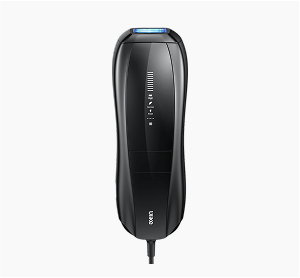
Ulike Air 10 for fast, comfortable full-body treatments
The Ulike Air 10 is designed for fast full-body IPL treatments. It may be an option for users returning to at-home IPL after pregnancy and breastfeeding once they are cleared to resume treatment. Follow safety instructions and avoid use on sensitive or recently sun-exposed skin.
- Up to 96% hair reduction in 2 weeks, suitable for users looking for faster visible results.
- SHR Mode provides continuous light output, which is designed to support treatment across larger areas such as legs and arms.
- Ice Cooling Technology helps reduce heat sensation during treatment for a more comfortable experience.
- SkinSensor detects skin tone and helps guide safer usage.
- Dual Lights design improves treatment coverage efficiency, making it suitable for faster full-body sessions.

Ulike Air 4 for a simple and gentle return to at-home IPL hair removal
The Ulike Air 4 is a simple and gentle IPL option for users who prefer an easy home routine. It may suit those returning to IPL after breastfeeding or looking for a straightforward way to maintain hair removal at home. Users with skin sensitivity concerns should check safety guidance before use.
- Up to 95.8% hair reduction in 4 weeks, suitable for users who prefer gradual and consistent results.
- Sapphire Ice Cooling technology helps improve comfort during treatment.
- AutoGlide automatically detects movement and supports smoother treatment, reducing the need for repeated manual operation.
- 12-minute full-body treatment time fits into busy daily schedules.
- Multi-Mode Power provides multiple intensity options for different body areas and comfort levels.

Part 7: Conclusion
So, can you get laser hair removal while pregnant? The safest choice is to wait. Laser hair removal during pregnancy and at-home IPL are generally postponed because safety data is limited. Increased skin sensitivity and hormonal changes may also affect treatment comfort and results.
Temporary methods can help you manage unwanted hair during pregnancy. Options include shaving, trimming, waxing, threading, and tweezing. Before restarting laser or IPL postpartum, ask your OB-GYN or dermatologist for personalized advice. When it comes to laser hair removal and pregnancy, caution is the most practical path.
Part 8: Frequently Asked Questions
Q1: What if I got laser hair removal before I knew I was pregnant?
One accidental session is not usually a reason to panic, but you should pause future treatments. If you’re worried, contact your OB-GYN and tell them when the appointment happened and what area was treated. Watch for skin reactions like blistering, burns, or unusual swelling.
Q2: Does lasered hair grow back during pregnancy?
Yes, lasered hair can appear to grow back during pregnancy because hormones can stimulate new or thicker hair growth. This does not always mean your previous results are gone. Hair patterns may shift again postpartum, so wait until your body stabilizes before judging long-term results.
Q3: Does laser hair removal affect getting pregnant?
There is currently no evidence that laser hair removal affects fertility or the ability to become pregnant. It targets hair follicles in the skin, not reproductive organs. However, if you are trying to conceive and asking “can you get laser hair removal while pregnant,” plan to pause once pregnancy is confirmed.