 Ulike ReGlow Pro★ 5.0 (511)


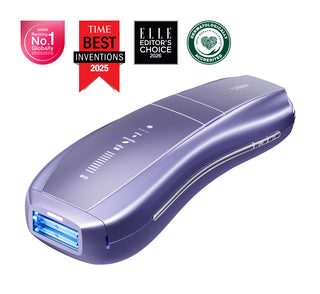
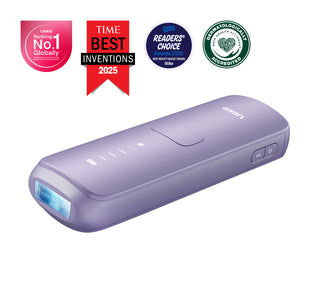


Table of Contents
If you’re wondering, “does laser hair removal hurt?” the honest answer is yes, it can feel uncomfortable—but for most people, it is very manageable. Laser hair removal usually causes mild to moderate discomfort, often described as a rubber band snap, warm pinprick, hot pinch, or quick zap against the skin.
How painful laser hair removal feels depends on the treatment area, hair thickness, hair density, laser technology, cooling features, provider technique, and your personal sensitivity. Sensitive spots like the upper lip, bikini line, Brazilian area, and underarms tend to feel sharper, while arms and legs are often easier to tolerate.

Table of Contents:
- Part 1: Quick Answer: Does Laser Hair Removal Hurt?
- Part 2: What Does Laser Hair Removal Feel Like?
- Part 3: How Much Does Laser Hair Removal Hurt by Body Area?
- Part 4: What Factors Affect How Painful Laser Hair Removal Is?
- Part 5: How to Make Laser Hair Removal Hurt Less
- Part 6: Does IPL Hair Removal Hurt Less Than Laser?
- Part 7: Best Comfortable At-Home IPL Hair Removal Devices
- Part 8: When Is Pain After Laser Hair Removal a Concern?
- Part 9: Conclusion
- Part 10: Frequently Asked Questions
Part 1: Quick Answer: Does Laser Hair Removal Hurt?
Yes, laser hair removal can hurt, but most people describe it as brief and tolerable discomfort rather than severe pain. If you’re asking “is laser hair removal painful,” the answer depends on the treatment area and your personal sensitivity. Modern devices with cooling systems may help make sessions more comfortable.
Pain level expectations on a 1-to-10 scale
If you’re wondering how painful laser hair removal is, many people rate it around 3 to 5 out of 10. More sensitive areas may feel closer to a 6 or 7 for some people, especially during early treatments.
So, how bad does laser hair removal hurt? Usually not as bad as people fear. The discomfort is quick, and providers can often pause, adjust settings, or use numbing options when appropriate.
Part 2: What Does Laser Hair Removal Feel Like?
Laser hair removal feels like a series of short pulses that may feel warm or sharp on the skin. The sensation is not constant; it comes in quick bursts as the handpiece moves across the treatment area.
The rubber band snap sensation
The most common description is a rubber band snapping against the skin. Others compare it to a warm pinprick, tiny spark, or hot flick that disappears almost instantly.
Areas with coarse, dark hair may feel more intense because the laser has more pigment to target. A stronger sensation does not necessarily mean better results, but it can occur when the laser is effectively targeting pigment in the hair.
How the sensation can vary throughout a session
The first few pulses may feel the most noticeable because you are becoming familiar with the sensation. After a minute or two, many people become more comfortable with the sensation.
Sensitivity may also change as the provider moves across different parts of the same area. For example, the inner thigh may feel sharper than the outer thigh. The center of the upper lip may also feel more intense than the cheeks.
Post-treatment sensations
After treatment, the skin may feel warm, pink, slightly swollen, or tender. Some people ask, “is laser hair removal sore afterward?” Mild soreness can happen, but it usually feels similar to a light sunburn and fades within hours to a day.
Cool compresses, avoiding heat, and a gentle moisturizer or aloe vera product (if suitable for your skin) can help calm the area. Your provider should give aftercare instructions based on your skin type and treatment settings.
Part 3: How Much Does Laser Hair Removal Hurt by Body Area?
Laser hair removal pain depends heavily on location. Areas with thinner skin, higher nerve sensitivity, coarse hair, or less padding over bone usually feel more sensitive.
| Body area | Relative sensitivity | What it may feel like |
|---|---|---|
| Upper lip | High | Sharp, quick zaps |
| Brazilian/bikini | High | Hot snaps or stings |
| Underarms | Moderate to high | Strong but brief pinches |
| Back/chest | Moderate | Warm snaps, varies by hair density |
| Stomach | Mild to moderate | Usually tolerable warmth |
| Legs | Mild to moderate | Quick snaps, easier on thicker skin |
| Arms | Mild | Often one of the easier areas |
Individual experiences vary, so your personal pain tolerance matters as much as the body area.
Part 4: What Factors Affect How Painful Laser Hair Removal Is?
Laser hair removal discomfort differs from person to person. Factors such as the laser, hair, skin, and individual sensitivity all play a role. The same treatment can feel mild to one person and intense to another.
- Treatment area and skin sensitivity: Thin, delicate, irritated, sunburned, dry, or exfoliated skin may feel more sensitive and may be unsafe to treat.
- Hair thickness and density: Dark, coarse, dense hair generally absorbs more laser energy, so early sessions may feel stronger.
- Laser settings and cooling: Laser type, energy level, and cooling technology can greatly affect comfort.
- Individual pain tolerance: Sleep, stress, caffeine intake, hormonal changes, and personal factors may influence sensitivity.
- Provider experience: A skilled provider uses proper settings, technique, and communication to improve safety and comfort.
Part 5: How to Make Laser Hair Removal Hurt Less
You cannot guarantee a pain-free laser session, but you can make it more comfortable. Good preparation, cooling, communication, and aftercare all help reduce irritation.
Prepare your skin properly before treatment
Proper preparation lowers the chance of excess heat on the skin. Shaving is usually recommended because it allows the laser energy to target the hair follicle while reducing heat from surface hair while reducing heat from surface hair.
A simple pre-treatment checklist:
- 1. Shave the area 12 to 24 hours before your appointment, unless your provider gives different instructions.
- 2. Avoid waxing, plucking, or epilating before treatment because the follicle needs to be present.
- 3. Stay out of tanning beds and avoid sun exposure before your session.
- 4. Skip harsh exfoliants, retinoids, and strong acids on the treatment area for several days before treatment if your provider advises.
- 5. Arrive with clean skin and no lotion, deodorant, perfume, or makeup on the area.
Ask about built-in cooling during treatment
If you are nervous, ask about cooling technology during your consultation. You can also ask whether the provider can start with a test pulse so you know what to expect.
Discuss numbing options with your provider when needed
Numbing cream may help for small, sensitive areas, but it should be used carefully. Your provider can tell you whether it is appropriate for your treatment area and skin type.
Use proper aftercare to calm redness and sensitivity
Aftercare helps reduce soreness, redness, and warmth after treatment. Treat your skin gently for the first day or two.
Helpful aftercare steps include:
- Apply a cool compress if the area feels hot.
- Use aloe vera or a gentle, fragrance-free moisturizer if approved by your provider.
- Avoid hot showers, saunas, steam rooms, and intense workouts for 24 to 48 hours.
- Do not scratch, pick, or exfoliate irritated skin.
- Wear sunscreen on treated areas exposed to the sun.
Part 6: Does IPL Hair Removal Hurt Less Than Laser?
IPL hair removal may feel gentler for some people, but it is not completely painless. IPL and laser are different light-based technologies, and comfort depends on the hair removal device, intensity setting, skin tone compatibility, cooling features, and treatment area.
| Feature | Professional laser | At-home IPL |
|---|---|---|
| Technology | Specific laser wavelength | Broad-spectrum pulsed light |
| Treatment setting | Clinic, med spa, dermatology office | Home use |
| Comfort features | Professional cooling, setting adjustments | Intensity levels, sometimes cooling |
| Convenience | Appointments required | Use on your schedule |
| Maintenance | Periodic follow-ups may be needed | More frequent upkeep sessions |
Part 7: Best Comfortable At-Home IPL Hair Removal Devices
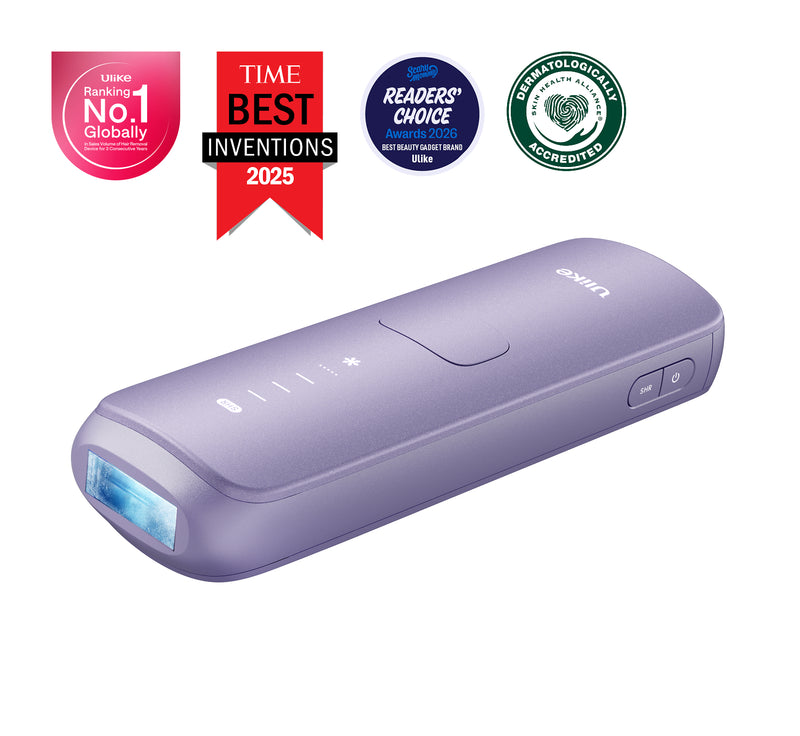
At-home IPL hair removal devices can be a convenient option for people who want gradual hair reduction at home. They are not the same as professional laser treatments, but they may appeal to users looking for flexibility and a potentially gentler experience.
Ulike Air 10 for fast, comfortable full-body treatments
The Ulike Air 10 is designed for users who want efficient and comfortable at-home hair removal. It may be suitable for people who regularly treat larger areas, such as legs and arms, and prefer faster routines.
- Up to 96% hair reduction in 2 weeks (based on official test results)
- SHR Mode for a more continuous light treatment experience
- Ice Cooling Technology to help reduce heat sensation during use
- SkinSensor for skin tone sensing and usage guidance
- Dual Lights design to improve coverage efficiency
- Suitable for larger treatment areas and users with regular full-body routines

Ulike Air 4 for beginners looking for gentle at-home IPL treatments
The Ulike Air 4 is designed for users who are new to at-home IPL and prefer an easy-to-use device with adjustable settings. It may appeal to users who want to build a consistent hair removal routine with a beginner-friendly option.
- Up to 95.8% hair reduction in 4 weeks (based on official test results)
- Sapphire Ice Cooling technology for a cooler treatment experience
- AutoGlide feature for smoother device movement across the skin
- 12-minute full-body treatment time for convenient sessions
- Multi-Mode Power with adjustable intensity levels

Part 8: When Is Pain After Laser Hair Removal a Concern?
Some tenderness after laser hair removal is normal, but severe or worsening pain is not. Knowing the difference helps you respond quickly if your skin reacts poorly.
Normal redness, warmth, and mild swelling
Mild redness, warmth, and small bumps around follicles are common after treatment. These reactions often appear within minutes and often improve within several hours to a couple of days.
Normal short-term reactions may include:
- • Pink or slightly red skin
- • Mild swelling around hair follicles
- • Warmth similar to a light sunburn
- • Temporary tenderness
- • Slight itchiness as the skin calms
When pain, blistering, or severe burning needs attention
Severe burning, blistering, open skin, intense swelling, or pain that gets worse should be checked by a professional. Contact your provider promptly if the treated area feels unusually hot, develops blisters, or shows signs of infection.
You should also seek medical advice if you notice spreading redness, pus, fever, or significant skin color changes. These are not typical after a properly performed session.
Part 9: Conclusion
So, does laser hair removal hurt? It can, but the discomfort is usually brief and manageable. Most people describe it as a warm snap, quick zap, or pinprick rather than constant pain, and many find it easier than expected.
Your experience depends on the treatment area, hair density, laser technology, cooling methods, provider skill, and personal sensitivity. If you are nervous, start with a smaller area or schedule a consultation to ask about cooling, numbing options, and settings before committing to larger or more sensitive zones.
Part 10: Frequently Asked Questions
Q1: What to expect after 1st laser hair removal?
After your first laser hair removal session, expect mild redness, warmth, and possible swelling around the follicles. The area may feel slightly sore, similar to a mild sunburn, for a few hours.
Hair does not fall out instantly. Treated hairs often shed gradually over the next 1 to 3 weeks, and most people need multiple sessions for noticeable reduction.
Q2: Which body part is most painful for laser hair removal?
The most painful areas are usually the upper lip, Brazilian area, bikini line, and underarms. These spots have thinner skin, more nerve endings, and often coarser hair.
Pain levels vary by person, so your experience may be different. Cooling technology, numbing cream, and short breaks can make sensitive areas easier to tolerate.
Q3: Is laser hair removal more painful than waxing?
Many people find laser hair removal more tolerable than waxing, but pain levels and sensations vary. Waxing pulls hair out from the root, while laser feels like repeated hot snaps.
Laser sessions may feel sharp in sensitive areas, but the discomfort is brief and often decreases as hair becomes finer. Waxing pain is usually more intense in the moment and repeats every time hair grows back.