¿Se puede utilizar la IPL sobre un bronceado artificial? Lo que hay que saber antes

If you have been wondering about using IPL fake tan safely, you should pause before your next session. If you have applied self-tanner recently, it is important to remove it completely before starting your treatment because the added pigment can absorb light, interfere with the device's ability to target hair follicles, and increase the risk of skin irritation or burns.
This applies to both at-home devices and professional treatments. While effective hair removal is the ultimate goal, proper skin preparation is the key to achieving results safely. A fresh glow may look harmless, but IPL works best on clean, bare skin. Once you understand the underlying science, the importance of this preparation becomes much clearer.
Key Takeaways
- Remove all fake tan: Always ensure your skin is completely free of self-tanner before an IPL session to prevent the light energy from being absorbed by surface pigment instead of the hair follicle.
- Avoid burn risks: Using IPL over fake tan can cause the device to heat the surface of the skin, leading to potential burns, stinging, and unwanted irritation.
- Establish a clear baseline: Fake tan creates artificial coloring that can interfere with your device's skin tone sensors, potentially causing it to malfunction or setting it to an incorrect, unsafe intensity level.
- Prioritize proper prep: Wait until your tan has fully faded, then cleanse and shave the area to ensure the skin is clean, dry, and bare for optimal results and safety.
Why fake tan and IPL don't mix
IPL stands for Intense Pulsed Light. During a session, the device sends light energy into the skin, where the pigment in the hair helps absorb that energy. The goal of the treatment is to heat the root of the hair, not the surrounding skin.
Fake tan complicates this process. Sunless tanners contain DHA, which reacts with your skin to create an artificial pigment. Because this pigment sits on the top layer of the skin, it competes with your hair follicles for the light energy. As a result, the device may pull energy toward the surface rather than the hair root, which leads to less effective treatment or an increase in heat at the skin level. This risk is further heightened if you have recent sun exposure, which can already leave the skin more sensitive to heat.
Uneven fake tan is another significant problem. Darker patches, streaks, or leftover tan around knees, ankles, and underarms can create hot spots. These areas may feel much more stingy than the rest of the skin during treatment. In some cases, these hot spots may become red or cause noticeable skin irritation after the session is complete.
Treat only clean, dry, bare skin.

Even if the tan looks light, it is best not to guess. If your skin still has visible color from a self-tanner, wait and remove it completely before your session. For a full prep routine, this step-by-step IPL hair removal guide lines up well with the standard safety advice: shave, clean the area, and treat only dry, bare skin.
Fake tan, natural tan, and darker skin tones are different
People often group these together, but they are not the same. That matters because IPL reacts to pigment and overall skin pigmentation.
This quick comparison helps:
| Skin condition | What IPL "sees" | What it means for treatment |
|---|---|---|
| Fake tan or spray tan | Extra surface pigment in the outer skin | Remove it before treatment |
| Natural tan from sun | More melanin in the living skin | Often raises sensitivity and may limit treatment |
| Naturally darker skin tone | More baseline melanin in the skin | Needs a device and setting made for that skin tone |
A fake tan sits on the surface, but it can still affect how light behaves. A natural tan is different because sun exposure increases the melanin in the skin itself. That means the skin may absorb more light than usual, which is why many brands and clinics tell you to avoid recent sun exposure before IPL. It is also important to remember that a natural tan is often a sign of sun damage, which can further impact how your skin reacts to light-based treatments.
Darker skin tones are also different from fake tan. Darker skin is not a mistake to fix before treatment. It is your natural skin tone, and it needs the right device, the right laser settings, and close attention to brand guidance. Some IPL devices are made for a wider range of skin tones, while others are not. A built-in skin tone sensor can help determine if a device is safe for your specific shade, but these sensors do not cancel out every risk.
This is why fake tan can be extra confusing. It may make your skin look darker than your true skin tone, which can affect device readings or lead a practitioner to postpone treatment. If your skin tone varies because of leftover tanner, you are no longer starting from a clear baseline.
How to prep for IPL if you're wearing self-tanner
Start by stopping all self-tanner applications well before your session. Then, let the color fade and remove the rest as gently as you can. The timing depends on the product, the number of layers, and how your skin sheds. A light tint may fade fast, while a dark spray tan can hang on longer.
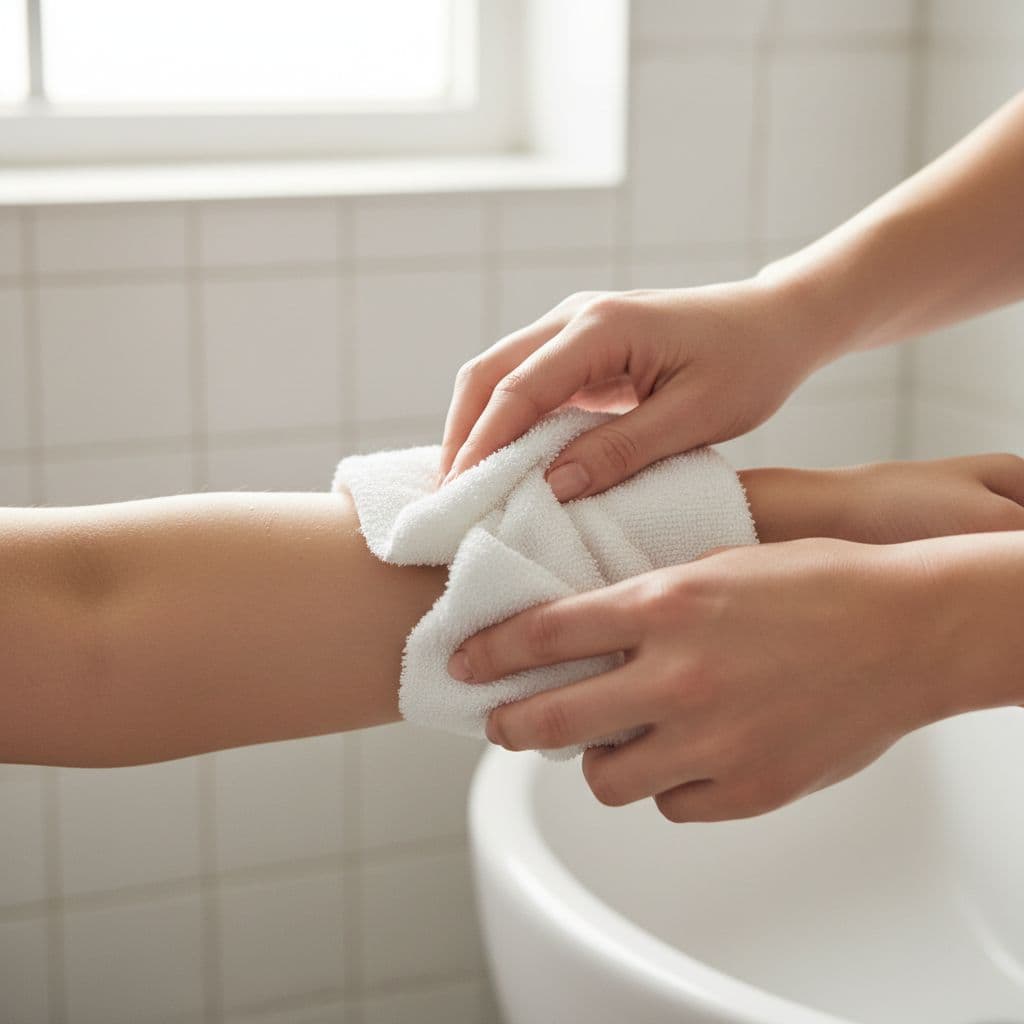
Use a gentle tan remover or mild exfoliating methods if your skin tolerates it. A soft washcloth and a lukewarm shower often help. Skip harsh scrubs if your skin is already dry or sensitive, because irritated skin is not good IPL skin either.
A simple prep routine looks like this:
- Stop applying your product several days before treatment.
- Remove the remaining color until the skin looks like your normal tone.
- Shave the treatment area, usually about 12 to 24 hours before, unless your IPL device says otherwise.
- Keep the treatment area clean, dry, and free of lotion, oil, deodorant, and makeup on treatment day.
- Patch test if your brand or clinic tells you to.
If you're unsure about timing, wait longer. That is the safer choice. A good rule is to postpone if you can still see the tan in daylight or if a cotton pad picks up color after cleansing.
Patch testing matters even more if you have recently removed fake tan. Skin can look calm and still be reactive. Many brands ask for a patch test 24 to 48 hours ahead, so it is smart to check your manual. This guide on how to perform an IPL patch test is useful if you want a clear example of the process.
Aftercare tips and when to hold off
After your IPL session, keep the area cool and simple. A light, fragrance-free moisturizer can soothe the skin if it feels dry or warm. For the remainder of the day, skip hot showers, saunas, and intense workouts that generate excess heat.
Prioritizing post-treatment care is essential to minimize downtime and support the healing process. Because your skin will experience increased skin sensitivity, you must protect it from UV exposure. Apply a broad-spectrum sunscreen with at least SPF 30 to all exposed areas and avoid deliberate tanning. You should also pause the use of active ingredients, such as retinoids, acids, or harsh physical exfoliants, until your skin returns to its normal state.
It is common to experience mild redness or a sensation similar to a light sunburn following your hair removal or photofacial treatment. However, if you notice adverse reactions like intense burning, blistering, persistent swelling, or redness that fails to subside, stop treatment immediately and contact your practitioner or a healthcare professional. Sharp pain and visible skin damage are not side effects you should try to push through.
Device instructions and clinic protocols can vary, so always follow your specific device manual and the advice from your provider. This remains true even if you have used IPL previously, as intensity settings, skin tone compatibility, and preparation requirements are not identical across every device.
Frequently Asked Questions
Can I use IPL if my fake tan is very light?
Even if your tan appears light or subtle, it is not recommended to use IPL until it is completely removed. The pigments in self-tanners can still attract light energy to the skin's surface, which increases your risk of adverse reactions or uneven treatment results.
How long should I wait after removing fake tan before doing an IPL session?
There is no one-size-fits-all timeline, as it depends on how well you have exfoliated and the type of product used. You should wait until your skin has returned to its natural tone and a clean cotton pad shows no residue when wiped over the area.
What happens if I accidentally use IPL over a patch of fake tan?
If you realize you have treated an area with leftover self-tanner, monitor the skin closely for signs of redness, heat, or irritation. If you experience discomfort or notice signs of a burn, apply a cool compress to the area and discontinue further treatments until you have consulted your device manual or a professional.
Conclusion
Combining an IPL fake tan treatment is a poor match because surface pigment can pull light where it should not go. Using these devices over tanning products increases the risk of side effects like hyperpigmentation, which is why the safest move is simple: wait until the tan is completely gone, then treat clean, bare skin.
That one step protects your comfort and helps each session work as intended. If your skin still looks tanned, or if your specific device manufacturer recommends a longer waiting period, give it more time. Once you have completed your sessions, remember to apply sunscreen daily to protect your skin and maintain your results.
Featured Products

Ulike Air 10
2 weeks to silky smooth skin.
96% Hair Density Reduction
The next-generation in simple,
lasting hair removal.

How to Switch from Plucking Chin Hair to IPL
Electrolysis vs Laser Hair Removal: Which Is Better?
Best Female Facial Hair Remover: Which One Suits You?

Explore Beauty
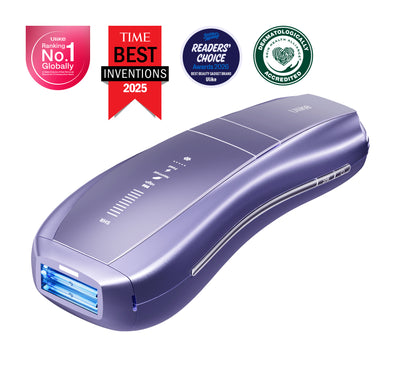
Ulike Air 10
2 weeks to silky smooth skin.
96% Hair Density Reduction in 2 Weeks
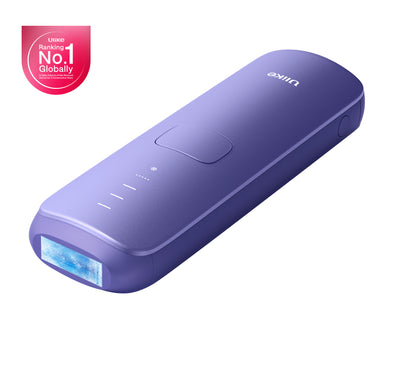
Ulike Air 3
3 weeks to silky smooth skin.
93% Hair Density Reduction in 4 Weeks
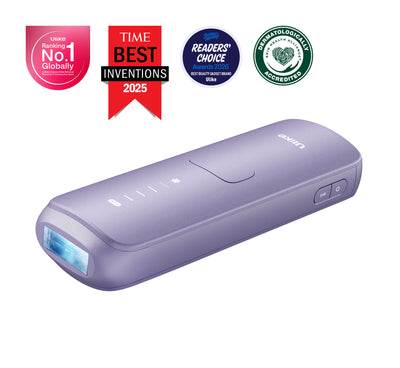
Ulike Air 4
4 weeks to silky smooth skin.
95.8% hair reduction in just 2 weeks*
Ulike Reglow
Clearer skin in 2 weeks: Fewer breakouts
Smoother skin in 4 weeks: Fewer lines, firmer feel