Do You Shave Before Laser Hair Removal? What to Know

Let’s clear up a common pre-appointment question: do you shave before laser hair removal, or should you leave the hair visible? In most cases, clinics ask you to shave the treatment area shortly before your session. Shaving removes hair above the skin while leaving the follicle beneath it, giving the laser a useful target without excess surface hair.
Timing and technique still matter. A rushed shave can leave cuts, razor burn, or irritation, while shaving too early may allow noticeable regrowth. Your provider’s directions should take priority because laser systems, treatment areas, and skin needs differ. This guide explains when and how to shave, which hair-removal methods to pause, and how the advice applies to at-home IPL.

Table of Contents:
- Part 1: Quick Answer: Should You Shave Before Laser Hair Removal?
- Part 2: Why Do You Need to Shave Before Laser Hair Removal?
- Part 3: When Should You Shave Before Laser Hair Removal?
- Part 4: How to Shave Before Laser Hair Removal
- Part 5: What Happens If You Don’t Shave Before Laser Hair Removal?
- Part 6: What Hair Removal Methods Should You Avoid Before Laser Treatment?
- Part 7: Other Ways to Prepare for Laser Hair Removal
- Part 8: Do You Need to Shave Before At-Home IPL Hair Removal?
- Part 9: At-Home IPL Options for a Convenient Hair Removal Routine
- Part 10: Conclusion
- Part 11: Frequently Asked Questions
Part 1: Quick Answer: Should You Shave Before Laser Hair Removal?
In short, the answer to “Should you shave before laser hair removal?” is usually yes: most providers recommend doing so about 12 to 24 hours before treatment. Plan to shave before laser hair removal closely enough to remove surface hair, but do not wax, tweeze, or pluck because the follicle needs to remain in place. If your clinic gives you different timing, follow its instructions.
Part 2: Why Do You Need to Shave Before Laser Hair Removal?
To understand the reason, it helps to know what the laser targets. Light energy is absorbed by pigment in the hair and converted into heat, which affects the follicle and helps reduce future growth. Shaving cuts the shaft near skin level without pulling out the root.
If you are asking do you have to shave before laser hair removal, the usual answer is yes unless your provider tells you otherwise. Visible hair may absorb energy above the skin, creating a burnt-hair smell, extra heat, or discomfort. A close, gentle shave helps direct treatment below the surface and makes it easier for the provider to see the skin and move the handpiece evenly across the area.
By preserving the hair inside the follicle, shaving also supports the selective heating process used for hair reduction. Waxing or tweezing changes that setup by taking the target with it. Shaving does not make the hair grow back thicker; the blunt cut end can simply make early regrowth feel coarser.
Part 3: When Should You Shave Before Laser Hair Removal?
Next, plan your shave around your skin’s sensitivity and the clinic’s protocol. The right timing leaves the hair short while giving minor redness from shaving time to settle.
The 12-to-24-Hour Window
For many appointments, the answer to when to shave before laser hair removal is about 12 to 24 hours beforehand. That window usually keeps surface growth minimal without forcing you to shave immediately before treatment. However, some protocols use a two-to-three-day window. Treat your provider’s directions as the deciding rule because the equipment, treatment area, and your skin’s sensitivity can affect the timing.
Can You Shave the Day of Your Appointment?
If your appointment is later in the day, can you shave before laser hair removal that morning? Some clinics allow it when your skin tolerates shaving well. Still, same-day shaving may leave temporary redness, tiny nicks, or sensitivity. If you forgot to shave, contact the clinic instead of rushing through a dry shave. The provider may trim the area, adjust the session, or reschedule it.
Part 4: How to Shave Before Laser Hair Removal
Once the timing is set, use a simple routine that removes surface hair without scraping or inflaming the skin. Gentle preparation matters more than achieving an unusually close shave.
Use a Clean, Sharp Razor
First, choose a clean razor with a sharp blade. A dull blade can tug at hair and encourage repeated strokes, which may increase razor burn. Rinse the blade during use, and do not share it. If the treatment area has an active rash, open cut, infection, or inflamed bump, pause and ask the clinic whether the area should be treated.
Apply a Gentle Shaving Cream or Gel
For a smoother glide, wet the hair and apply a fragrance-free shaving cream or gel. Lubrication reduces friction between the blade and skin, which can lower the chance of small cuts and irritation. If you have reactive skin, choose a product you have used safely before. This is not the ideal time to test a heavily scented formula or a new active ingredient.
Shave Carefully Without Repeatedly Going over the Same Area
Then, use light pressure and short strokes, generally moving in the direction of hair growth. Avoid pressing down or passing over one patch again and again. The goal of shaving prior to laser hair removal is to shorten the hair, not polish the skin. Pay extra attention around knees, ankles, the bikini line, and other curved areas where nicks happen easily.
Keep the Skin Clean and Product-Free Before Your Appointment
Finally, arrive with the treatment area clean and dry unless your clinic says otherwise. Wash away shaving residue, then skip deodorant, lotion, body oil, perfume, makeup, and self-tanner on that area. These products can leave a film that the provider may need to remove. If your skin feels dry after shaving before laser hair removal, ask whether a plain moisturizer is acceptable the night before.
Part 5: What Happens If You Don’t Shave Before Laser Hair Removal?
If you miss the preparation step, tell the provider before treatment starts. Do not hide regrowth or attempt a hurried shave in the waiting room.
Long surface hair can singe when exposed to the laser, producing odor, heat, and more discomfort. It may also make smooth, consistent coverage harder. Depending on the hair length and clinic policy, the provider may trim the area, treat only suitable patches, or move the appointment.
So, should I shave before laser hair removal even if the hair looks short? Usually, yes, but follow the length and timing instructions you received. A small amount of stubble may be acceptable for some systems. Leaving the root intact matters more than removing every visible trace of hair.
Part 6: What Hair Removal Methods Should You Avoid Before Laser Treatment?
Meanwhile, not every hair-removal method prepares the follicle in the same way. Methods that pull hair from the root can remove the pigment target that light-based treatment needs.
Why Waxing Can Interfere with Laser Hair Removal
Unlike a razor, wax pulls the hair shaft and root from the follicle. That can leave the laser with less pigment to target during the session. Clinics commonly ask clients to stop waxing or sugaring several weeks before treatment, often around four weeks. Ask your provider for an exact interval, especially if you recently waxed or have an appointment for a small facial area.
Why Plucking and Tweezing Should Be Avoided
Similarly, plucking, threading, tweezing, and epilating remove individual hairs from the root. Avoid these methods during the preparation period and between sessions unless your provider advises differently. If stray growth bothers you, shaving is generally the compatible option. The question do I shave before laser hair removal has a different answer from “Should I tweeze?” because shaving preserves the follicle while tweezing empties it.
What to Know About Depilatory Creams
By comparison, depilatory creams dissolve hair chemically instead of pulling it out. They may leave the root, but they can irritate or sensitize the skin, especially on delicate areas. Some providers recommend avoiding depilatory creams before treatment because they may irritate sensitive skin. If you have used a cream recently, tell your provider. Do not apply one immediately before treatment unless the clinic has approved that product and timing.
Part 7: Other Ways to Prepare for Laser Hair Removal
Beyond hair length, good preparation helps the provider select safer settings and lowers the chance of avoidable irritation. Start with the instructions supplied by your US clinic, as treatment systems and policies vary.
- Limit tanning and sun exposure: Avoid tanning beds and protect the area from strong sunlight. Tell the provider about any recent tan or sunburn.
- Pause self-tanner: Stop using it within the clinic’s recommended window so artificial pigment does not affect assessment.
- Review medications and skin products: Disclose prescriptions, supplements, recent antibiotics, isotretinoin use, and products such as retinoids or exfoliating acids. Do not stop prescribed medicine without medical advice.
- Share relevant skin history: Mention scarring, pigment changes, cold sores, active irritation, or previous reactions to light-based treatment.
Choosing a board-certified dermatologist or appropriately supervised professional is also important because skill and skin knowledge affect safety. Following individualized before-and-after instructions can reduce side-effect risk.
Part 8: Do You Need to Shave Before At-Home IPL Hair Removal?
Similarly, most at-home IPL routines begin with shaved, clean, dry skin. IPL uses broad-spectrum pulses rather than the single wavelength used by a laser, but it still relies on pigment in the hair beneath the skin. Removing excess surface hair helps limit singeing and allows the window to sit flat against the treatment area.
Shave hair longer than 2 mm before treatment and use shaving rather than a root-removal method. Perform the required skin test, confirm that your skin tone and hair color are compatible, and follow the manual for permitted body areas, intensity, and treatment frequency. Start with the recommended setting instead of assuming higher output will suit your skin.
Do not flash over tattoos, dark marks, irritated skin, or near the eyes. If you take photosensitizing medicine, have a skin condition, or are unsure whether a body area is suitable, ask a healthcare professional before use. Keep the light window clean and place it flush against the skin so the contact sensor can operate as designed.
Part 9: At-Home IPL Options for a Convenient Hair Removal Routine
If you want to build a home routine, first distinguish the technology. Although shoppers often search for a laser hair removal machine, the models below are IPL products. Each IPL hair removal device uses broad-spectrum light and should be used only as directed. Shave before IPL treatment, check compatibility, and follow the instructions supplied with the individual model.
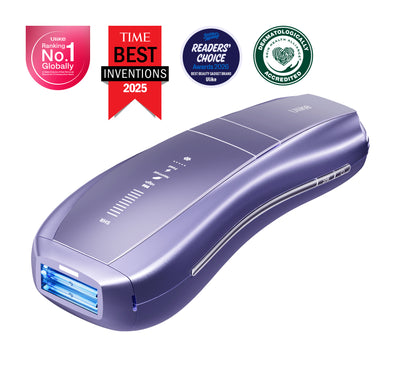
Ulike Air 10 for Fast, Comfortable Full-Body IPL Treatments
The Ulike Air 10 is designed for users who want faster full-body IPL treatments with stronger performance for coarse or stubborn hair. Its Dual Lights technology, AutoGlide function, and wider treatment coverage help make larger areas such as legs, arms, and bikini areas easier to treat. Sapphire Ice Cooling helps maintain comfort during repeated flashes, while SkinSensor automatically detects skin tone and adjusts output for safer at-home use.
Key features:
- Up to 96% hair reduction after 2 weeks in tested areas.
- Around 10-minute full-body sessions.
- SHR Mode with four-pulse treatment and up to 26 J cumulative energy.
- Dual Lights + AutoGlide for faster coverage.
- Sapphire Ice Cooling maintains approximately 65°F contact temperature.
- FDA-cleared design with SkinSensor safety adjustment.

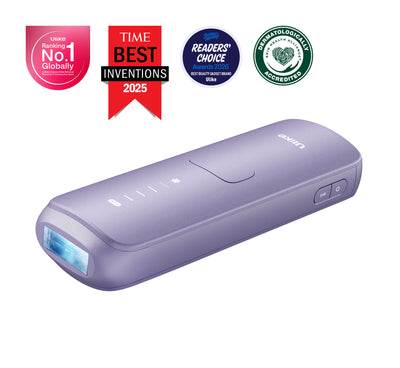
Ulike Air 4 for Simple and Comfortable At-Home IPL Hair Reduction
The Ulike Air 4 is a versatile IPL device for users who want simple controls and comfortable at-home hair reduction. Its four treatment modes — Soft, Body, Power, and USHR — allow users to adjust intensity based on different areas and hair types. AutoGlide enables continuous flashing with one press, while Sapphire Ice Cooling helps reduce heat sensation during treatment.
Key features:
- Up to 95.8% hair reduction after 4 weeks in tested areas.
- Around 12-minute full-body sessions.
- Four modes: Soft, Body, Power, and USHR.
- Up to 24 J maximum energy and 7.2 J/cm² energy density.
- Flash intervals as fast as 0.4 seconds.
- Sapphire Ice Cooling maintains an approximately 64.4°F contact temperature for up to 30 minutes.
Ideal for first-time IPL users or those looking for an easy routine with flexible settings.

Part 10: Conclusion
Ultimately, the question do you shave before laser hair removal has a simple general answer but an individual schedule. Most people should shave shortly before treatment, while their provider chooses the precise window based on the device, body area, and skin response. Treat those instructions as part of the procedure rather than a minor grooming suggestion.
A calm, careful shave is more useful than an overly close one that leaves the skin sore. If you develop cuts, a rash, sunburn, or unexpected sensitivity, contact the clinic before the session instead of trying to cover it with products. For at-home IPL, take the same measured approach: verify compatibility, prepare the skin, use the recommended setting, and allow consistency—not excess intensity—to shape your routine.
Part 11: Frequently Asked Questions
Q1: What happens if you shave 2 hours before laser?
Shaving just two hours before laser hair removal may leave temporary razor irritation, tiny cuts, or redness that has not had much time to settle. The hair will usually be short enough for treatment, but sensitive skin may sting more during the session. When possible, shave about 12 to 24 hours beforehand or follow the timing provided by your clinic.
Q2: How do I prepare for my first laser hair removal?
Before your first session, avoid waxing, plucking, threading, or epilating for around four weeks, unless your clinic provides different instructions. This keeps the hair inside the follicle. Shave within the recommended window, commonly 12 to 24 hours beforehand. Limit tanning and sun exposure, disclose medications and skin conditions, and arrive with clean, dry skin free from lotion, deodorant, oil, or makeup.
Q3: Should I shave my pubic hair before laser hair removal?
Yes, you should usually shave pubic hair located within the external treatment area, following your clinic’s timing. Shaving removes hair above the skin while leaving the follicle available for the laser to target. Avoid waxing, tweezing, threading, or epilating beforehand because these methods remove hair from the root. Ask your provider which bikini or pubic areas are suitable for treatment.
Q4: What not to do before laser hair removal?
Before laser hair removal, avoid waxing, plucking, threading, and epilating for the clinic’s required period, often around four weeks. Limit sun exposure, tanning beds, and self-tanner, and disclose recent sunburn, medications, irritation, or skin conditions. Do not use harsh exfoliants or depilatory creams close to your appointment without approval. On treatment day, keep the skin free from lotion, oil, deodorant, perfume, and makeup.
Featured Products

Ulike Air 10
2 weeks to silky smooth skin.
96% Hair Density Reduction
The next-generation in simple,
lasting hair removal.

Post Laser Hair Removal Care: What Should You Do?

Crystal Hair Remover: Does It Work and Is It Safe?

Hair Removal Cream vs IPL — Results & Irritation Risk

Explore Beauty
Ulike Air 10
2 weeks to silky smooth skin.
96% Hair Density Reduction in 2 Weeks
Ulike Air 3
3 weeks to silky smooth skin.
93% Hair Density Reduction in 4 Weeks
Ulike Air 4
4 weeks to silky smooth skin.
95.8% hair reduction in just 2 weeks*
Ulike Reglow
Clearer skin in 2 weeks: Fewer breakouts
Smoother skin in 4 weeks: Fewer lines, firmer feel