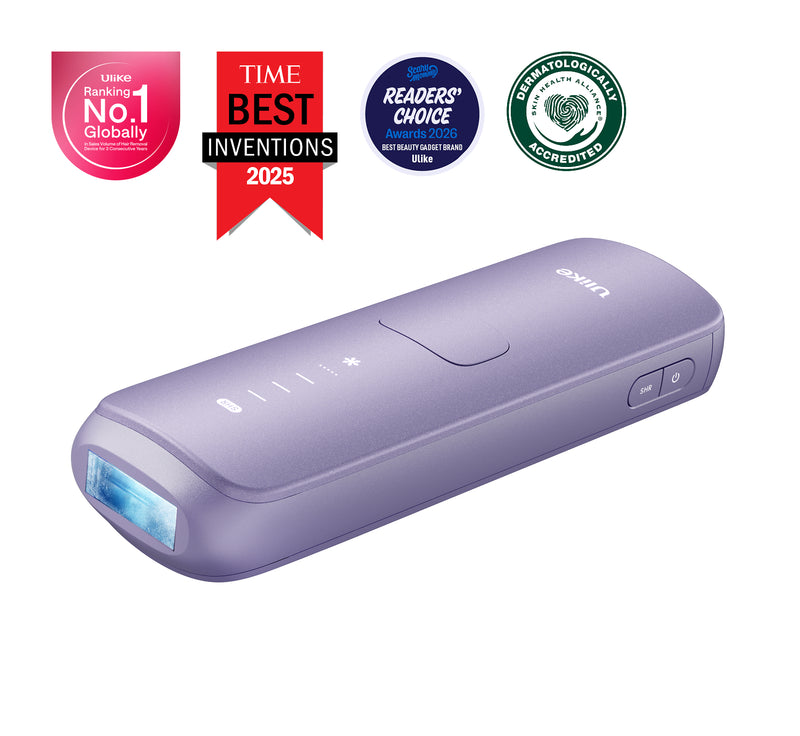
 Ulike ReGlow Pro★ 5.0 (511)


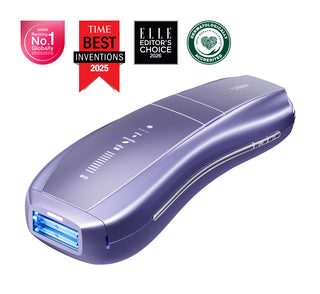
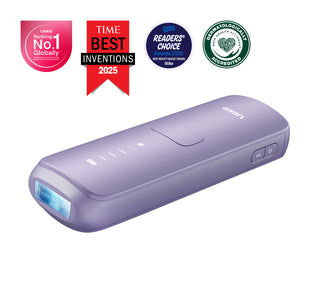


Table of Contents
If you have seen handheld devices promising smoother skin without salon appointments, you may be wondering: does at home laser hair removal work? For many people, it can reduce visible hair growth when the device suits their skin tone and hair color and they follow the treatment schedule consistently.
However, most home devices use intense pulsed light, or IPL, rather than the focused laser technology available in dermatology clinics. They also operate at lower power levels for consumer use. Results tend to develop gradually, and occasional maintenance may be necessary.
This guide explains how these devices work, who is likely to benefit, how home treatments compare with professional laser procedures, and what to consider before choosing an IPL device.

Table of Contents:
- Part 1: Quick Answer: Does At-Home Laser Hair Removal Really Work?
- Part 2: What Is At-Home Laser Hair Removal?
- Part 3: How Does At-Home Laser Hair Removal Work?
- Part 4: How Effective Is At-Home Laser Hair Removal?
- Part 5: At-Home Laser Hair Removal vs. Professional Laser Treatment
- Part 6: Who Gets the Best Results From At-Home Hair Removal Devices?
- Part 7: Is At-Home Laser Hair Removal Safe?
- Part 8: Best At-Home IPL Devices for Effective Hair Reduction
- Part 9: How to Get Better Results from At-Home IPL Hair Removal
- Part 10: Conclusion
- Part 11: Frequently Asked Questions
Part 1: Quick Answer: Does At-Home Laser Hair Removal Really Work?
In short, at-home light-based hair removal can produce noticeable, long-term hair reduction, especially on darker hair that contrasts clearly with the surrounding skin. Results vary by device compatibility, treatment consistency, hair thickness, hormones, and treatment area, and maintenance sessions may be required as some hair grows back.
Part 2: What Is At-Home Laser Hair Removal?
“At-home laser hair removal” is commonly used as a broad term for consumer devices that use light energy to reduce unwanted hair. However, many popular home devices actually use intense pulsed light (IPL) rather than a true laser.
A laser uses a concentrated beam of light at a specific wavelength, while IPL sends out a broader spectrum of light. Both rely on pigment in the hair to absorb light energy and affect future growth, but consumer IPL is designed for gradual hair reduction through repeated treatments rather than immediately removing visible hair.
That is also why permanent hair reduction should not be confused with permanent hairlessness. FDA-cleared light-based hair removal devices are intended to achieve a stable reduction in regrowth over time rather than guarantee that every treated follicle will permanently stop producing hair.
Part 3: How Does At-Home Laser Hair Removal Work?
Now, let’s look beneath the flash. IPL devices use controlled light pulses to heat targeted hair structures while trying to limit the energy absorbed by the surrounding skin.
Light Targets Pigment in the Hair Follicle
At the center of the process is melanin, the pigment that gives hair its color. Melanin absorbs light from the device and converts it into heat. That heat affects the follicle responsible for growing the hair, helping slow future growth.
The hair usually does not disappear during treatment. Instead, treated strands may shed later, while subsequent growth can become finer, lighter, or less noticeable.
Why Hair Color and Skin Tone Matter
From there, contrast becomes important. Dark hair contains more melanin and can absorb more light, while lighter surrounding skin absorbs less. This generally makes dark hair on fair to medium skin the easiest combination to treat with consumer IPL.
Very light blonde, white, gray, and many red hairs contain too little pigment. Darker skin contains more melanin, so users must follow the device’s compatibility chart carefully to limit unwanted heat absorption.
Why Multiple Treatments Are Necessary
Just as importantly, body hair grows in different phases. Light-based treatment works most effectively when a hair is actively growing and connected to the follicle. Since only some hairs are in this phase at any given time, one treatment cannot target every follicle effectively.
So, if your question is, “Do at-home laser hair removal devices work?” after one session, the practical answer is usually no. Consistent sessions are necessary to catch more hairs during an active growth phase.
Part 4: How Effective Is At-Home Laser Hair Removal?
Yes, at-home light-based hair removal can work, but the realistic goal is gradual reduction in hair density and regrowth, not instant hair-free skin. How much improvement you see depends on the device, your natural hair color and skin tone, the treatment area, hormones, technique, and how consistently you follow the recommended schedule.
The most useful signs of progress are not just whether hair disappears after a session, but whether it grows back more slowly, becomes finer or less noticeable, and requires less frequent shaving over time.
When Can You Start Seeing Results?
At first, you may notice slower regrowth or small patchy areas after several treatments. Some devices advertise visible changes within two to four weeks when used on the recommended schedule, although individual results can take longer.
Avoid judging progress after one flash session. Use similar lighting and camera angles if you take progress photos, and monitor how frequently you need to shave rather than looking only for immediate shedding.
How Much Hair Reduction Can You Expect?
Over time, successful treatment may leave fewer visible hairs, longer gaps between shaving, and softer or finer regrowth. The exact percentage cannot be predicted for every user because clinical tests use specific treatment schedules, body areas, and participant groups.
A compatible device used regularly is more likely to produce useful reduction than one used occasionally. Hormonal hair growth, including hair linked to conditions such as PCOS, may also require ongoing management.
Does Hair Grow Back After At-Home Treatments?
Even then, some regrowth is normal. Home devices usually reduce the follicle’s ability to produce hair rather than ensuring that every follicle stops working indefinitely. Untreated follicles may also become active later.
Maintenance treatments can help manage returning growth. The timing varies: some users need periodic touch-ups, while others notice longer-lasting smoothness. Hormonal changes, age, medication, and the treatment area may influence how quickly hair returns.
Part 5: At-Home Laser Hair Removal vs. Professional Laser Treatment
Now, let’s compare the two approaches directly. Both target pigment with light energy, but they differ in technology, strength, supervision, and the amount of work you must perform yourself.
| Factor | At-home IPL or laser device | Professional laser treatment |
|---|---|---|
| Technology | Usually broad-spectrum IPL; a few devices use true laser | Medical laser selected for the treatment goal and skin type |
| Power level | Lower output designed for consumer operation | Higher, professionally controlled energy |
| Effectiveness | Gradual, variable hair reduction | Usually stronger reduction across a treatment course |
| Treatment speed | Convenient, but you treat each area yourself | Powerful equipment can cover areas efficiently |
| Cost | One device purchase with no regular appointment fee | Separate fee for each clinic session |
| Convenience | Used privately at home around your schedule | Requires appointments and travel |
| Supervision | User follows the manual and compatibility chart | Trained provider assesses skin and adjusts settings |
| Maintenance | Regular initial use and occasional touch-ups | Several appointments followed by possible maintenance |
The biggest trade-off is convenience versus professional power and control. At-home devices let you treat around your own schedule, but their lower consumer-level output generally means results take longer to build and require continued maintenance. Professional laser treatment gives a trained provider more control over the equipment and settings used for your skin and hair.
The American Academy of Dermatology’s hair-removal guidance also notes that at-home devices generally take longer to produce results and need periodic use to maintain them. That does not mean home treatment is ineffective; it simply makes consistency and realistic expectations more important.
Part 6: Who Gets the Best Results From At-Home Hair Removal Devices?
Next, consider whether your natural hair and skin characteristics suit the device. Compatibility matters more than choosing the highest available intensity.
If you are asking does home laser hair removal work for your specific needs, compare your untreated skin tone and natural hair color with the manufacturer’s chart before buying.
Hair Colors That Respond Best to Light-Based Treatment
In general, black, dark brown, and medium brown hair usually respond best because they contain enough melanin to absorb the light. Some dark blonde hair may respond, although results can be slower or less pronounced.
White, gray, light blonde, and many red hairs generally respond poorly. Increasing the power does not solve a lack of pigment and may expose the skin to unnecessary heat.
Skin Tone and Device Compatibility
Just as importantly, every IPL model has its own supported skin-tone range. A device may reduce or block flashes when its sensor detects a tone outside that range, but you should still consult the compatibility chart before treatment.
Do not assume that a device supporting medium or tan skin will automatically support very deep skin. Professional laser treatment may offer more suitable technology and expert adjustment for people excluded by consumer IPL charts.
How Hair Thickness and Treatment Area Affect Results
Finally, coarse, pigmented hair often provides a clearer target than fine, lightly colored hair. Underarm, leg, chest, and bikini-line hair may therefore respond differently from fine facial or arm hair.
Large areas also demand more time and careful coverage. A wider treatment window and automatic flashing can help with legs or the torso. Smaller or curved areas require steady skin contact and precise placement. Only treat facial or intimate areas specifically permitted in the manual.
Part 7: Is At-Home Laser Hair Removal Safe?
At-home IPL can be used safely when the device is suitable for your skin and hair type and you follow its instructions carefully. The most important steps are checking the compatibility chart, patch-testing first, and using the device only on clean, dry, freshly shaved skin.
Avoid treating recently tanned or irritated skin, and do not flash over tattoos, dark moles, broken skin, or close to the eyes. Follow the manual for any areas that are excluded from treatment, and stop if you experience more than mild, short-lived redness or warmth.
The American Academy of Dermatology notes that light-based hair removal can cause burns, blisters, dark spots, and other skin reactions when used incorrectly. If you have a skin condition or take medication that may increase light sensitivity, ask a healthcare professional before starting treatment.
It is also worth checking whether the device is FDA-cleared for over-the-counter hair removal in the US rather than relying on vague claims such as “FDA-approved.” FDA 510(k) records classify cleared home IPL systems as light-based over-the-counter hair-removal devices.
Part 8: Best At-Home IPL Devices for Effective Hair Reduction
Once you know that at home laser hair removal usually means IPL, you can choose a device around the areas you want to treat and the type of hair you have.
An effective IPL hair removal device should balance usable power, consistent skin contact, cooling, treatment speed, and settings that match fine or coarse hair.
Ulike Air 10 — For Stubborn Hair and Faster Full-Body Treatment
If you want to treat coarse regrowth or cover several body areas regularly, the Ulike Air 10 combines stronger stubborn-hair treatment with SkinSensor, cooling, and faster full-body coverage.
- 26J SHR treatment for stubborn hair: SHR delivers 26J across a four-pulse burst for resilient growth on areas such as the underarms, chest, beard area, and bikini line.
- SkinSensor for automatic adjustment: SkinSensor detects your skin tone and automatically adapts energy output, helping make treatment more intuitive when you move between compatible areas.
- Sapphire Ice Cooling: The treatment surface stays around 65°F, helping manage heat and make repeated IPL sessions more comfortable.
- 10-minute full-body routine: AutoGlide provides continuous flashing for larger areas, with a stated 10-minute full-body treatment time.
In SGS testing, Air 10 achieved 96% hair-density reduction after two weeks. Individual results vary with hair color, skin tone, area, and consistency.
Air 10 is the stronger choice if you want more support for coarse, stubborn hair without making full-body sessions overly time-consuming.

Ulike Air 4 — For a Flexible Everyday IPL Routine
The Ulike Air 4 combines four hair-specific modes with solid output and fast coverage, making it a practical option if you want one device for different types of growth across the body.
- Four modes for different hair types: Soft mode suits fine hair and touch-ups, Body mode covers fine-to-normal hair, Power mode raises intensity for thicker growth, and USHR delivers multi-pulse treatment for coarse, stubborn hair.
- 24J maximum energy: Air 4 reaches 24J with an energy density of 7.2J/cm², giving it useful range across both routine maintenance and thicker growth.
- Fast 0.4-second flashes: The fastest flash interval is 0.4 seconds, while AutoGlide provides continuous flashes for larger areas. A stated full-body treatment takes about 12 minutes.
- Sapphire Ice Cooling: The flash window stays around 64.4°F for up to 30 minutes, helping manage heat during repeated or multi-area treatments.
Air 4 is a good fit if you want strong core IPL performance with clearly differentiated modes for fine, normal, thick, and stubborn hair.

Part 9: How to Get Better Results from At-Home IPL Hair Removal
Finally, technique and consistency can matter as much as the device itself. Build a repeatable routine rather than increasing the intensity too quickly.
- Check compatibility first: Match your natural hair color and untanned skin tone with the device chart.
- Patch-test the area: Follow the waiting period stated in the manual before treating a larger section.
- Shave beforehand: Remove surface hair while leaving the follicle beneath the skin available for light targeting.
- Keep skin clean and dry: Skip lotions, deodorant, oil, and self-tanner immediately before treatment.
- Use steady coverage: Hold the window flat against the skin and avoid repeatedly flashing the same spot.
- Follow the schedule: Treat at the stated frequency, then move to maintenance sessions when growth slows.
- Track meaningful changes: Compare hair density, texture, and shaving frequency under similar lighting.
Part 10: Conclusion
Ultimately, the better question is not simply does at home laser hair removal work, but whether it fits your hair color, skin tone, expectations, and willingness to follow a schedule. Home IPL can be worthwhile if you want gradual hair reduction, privacy, and control over when you treat each area.
Choose only a device that clearly supports your natural coloring, and pay attention to features that solve a real need. Fast automatic flashing matters for large areas, while cooling and adjustable modes may be more valuable if you are new to IPL or sensitive to heat. If the compatibility chart excludes you, or if you have a medical or skin concern, a dermatologist can help you explore a safer and more suitable professional option.
Part 11: Frequently Asked Questions
Q1: Does at-home laser hair removal permanently remove hair?
At-home laser and IPL devices are designed for long-term hair reduction rather than permanent removal of every hair. With consistent use, they can slow regrowth and make remaining hair finer or less noticeable. However, some follicles may recover, and hormonal changes can trigger new growth. Most users need occasional maintenance sessions to preserve their results.
Q2: Is home laser hair removal as effective as professional laser?
Home hair removal devices are generally less powerful than professional laser systems, so results may develop more slowly and vary considerably. Most consumer devices use IPL, while clinics can select higher-powered lasers and adjust settings for different skin tones and hair types. Professional treatment usually produces stronger reduction, but at-home devices offer greater privacy, convenience, and control over the treatment schedule.
Q3: Why is my at-home laser hair removal not working?
Your device may not be working because your hair color or skin tone is incompatible, your treatment schedule is inconsistent, or the light window is not making proper skin contact. Waxing and plucking can also reduce effectiveness because they remove the follicle’s target. Check the manual, shave before treatment, use the recommended intensity, and allow several weeks before assessing your progress.
Q4: How often should you use an at-home hair removal device?
Treatment frequency depends on the device, so follow its manual instead of using a general schedule. Many at-home IPL devices require several treatments per week during the initial phase, while others recommend weekly sessions. Once hair growth becomes slower and finer, you can usually move to occasional maintenance treatments. Avoid treating more frequently than instructed, as extra sessions may irritate the skin without improving results.