 Ulike ReGlow Pro★ 5.0 (511)


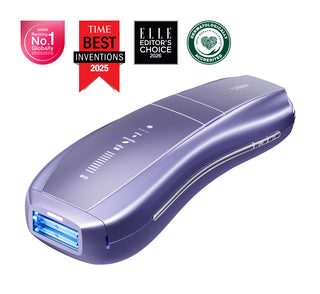
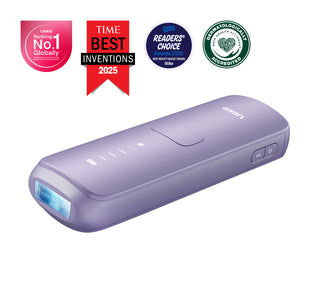


Table of Contents
Let’s start with the question most people ask before booking an appointment: does laser hair removal work? In many cases, it can produce a noticeable, long-lasting reduction in unwanted hair. However, the outcome depends on your hair color, hair thickness, skin tone, treatment area, device type, and consistency.
Dark, coarse hair usually responds more readily because it contains more melanin for the laser to target. Blonde, gray, white, red, and very fine hair can be harder to treat. Modern technology has also made treatment safer for a broader range of skin tones, provided a trained professional selects the right laser and settings.
This guide explains who may benefit, what results look like, and when another method may make more sense.

Table of Contents:
- Part 1: Does Laser Hair Removal Work? The Short Answer
- Part 2: How Laser Hair Removal Works
- Part 3: Who Gets the Best Results from Laser Hair Removal
- Part 4: Does Laser Hair Removal Work on Blonde Hair?
- Part 5: Will Laser Hair Removal Work on Gray Hair?
- Part 6: Will Laser Hair Removal Work on Light Hair?
- Part 7: How Long Does Laser Hair Removal Take to Work?
- Part 8: Safety, Side Effects, and Who Should Avoid Treatment
- Part 9: Laser Hair Removal vs. Electrolysis
- Part 10: At-Home IPL Devices: A Convenient Alternative
- Part 11: Conclusion
- Part 12: Frequently Asked Questions
Part 1: Does Laser Hair Removal Work? The Short Answer
First, here is the direct answer: laser hair removal works by directing light toward pigment in the hair, converting that light into heat, and damaging the follicle to slow future growth. It works most predictably on darker hair, while low-pigment hair may respond poorly, and skin tone influences which laser and settings a provider should use.
Laser treatment usually produces long-term hair reduction rather than the permanent disappearance of every treated hair. Some regrowth may occur months or years later, although it often looks finer, lighter, and less dense.
Part 2: How Laser Hair Removal Works
To understand the results, it helps to look at what happens beneath the skin. The treatment does not simply burn away the visible part of the hair.
A laser emits a focused wavelength of light. Melanin within the hair absorbs this light and converts it into heat. That heat travels down the hair shaft and damages structures within the follicle that support future growth.
The process generally follows three stages:
- Light targets pigment: Dark hair absorbs more energy than lightly pigmented hair.
- Heat reaches the follicle: The heated shaft transfers energy toward the hair root.
- Growth becomes disrupted: A sufficiently treated follicle may stop producing hair or grow finer hair more slowly.
Hair must also be in its active growth phase for effective targeting. Since neighboring hairs can be in different phases, several appointments are usually required.
Part 3: Who Gets the Best Results from Laser Hair Removal
From there, your natural hair and skin characteristics help determine how readily you may respond. A consultation and test spot can give you a more realistic forecast than before-and-after photos alone.
When people ask will laser hair removal work, providers usually consider these factors:
- Hair color: Black and dark brown hair generally contain more targetable melanin.
- Hair texture: Coarse strands can absorb more energy than very fine hairs.
- Skin tone: Darker skin can be treated, but the provider must select suitable equipment and conservative settings.
- Treatment area: Underarms, legs, and bikini areas may respond differently from facial or hormone-related hair.
- Hormonal activity: PCOS, menopause, medications, and other factors can stimulate new growth after treatment.
For darker skin, experience matters because the skin also contains melanin. Proper laser selection helps direct useful heat toward the hair while lowering the likelihood of burns or pigment changes.
Part 4: Does Laser Hair Removal Work on Blonde Hair?
That brings us to one of the biggest limitations. So, does laser hair removal work on blonde hair? It depends on how much pigment the hair contains.
Dark blonde hair may hold enough melanin to respond, particularly when the strands are coarse. Pale gold, platinum, or nearly white hair usually provides little contrast for the laser to detect. Fine blonde facial hair can be especially difficult because it combines low pigment with a small hair shaft.
A provider may recommend a test patch before selling you a treatment package. Results from that small area can show whether your hair absorbs enough energy without exposing a larger area unnecessarily.
Dyeing blonde hair darker does not solve the problem because surface dye does not add melanin inside the follicle. Electrolysis may be a more practical option when the hair is naturally very light.
Part 5: Will Laser Hair Removal Work on Gray Hair?
Gray hair presents a similar challenge, but the reason becomes even clearer. If you are wondering will laser hair removal work on gray hair, the answer is usually not very well.
Gray and white hairs have lost much of the melanin that once gave them color. Without enough pigment, the strand cannot absorb and transfer the laser’s heat efficiently. Increasing the setting does not simply fix this issue because more energy can heat the surrounding skin without making the pigment-free hair a better target.
People with salt-and-pepper hair may still benefit where dark strands remain. The laser can reduce those darker hairs while leaving gray ones behind, so the treated area may look lighter but not uniformly hair-free.
Electrolysis is often better suited to gray or white hair because it treats each follicle with an inserted probe and does not depend on hair color.
Part 6: Will Laser Hair Removal Work on Light Hair?
Light hair sits on a broad spectrum, so color labels alone cannot predict the outcome. The question will laser hair removal work on light hair depends on whether the strand has enough dark melanin to absorb the chosen wavelength.
Light brown or darker blonde hair may respond when it is thick and visibly pigmented. Results become less predictable with pale blonde, white, gray, or fine red hair. Red hair contains a different balance of pigments, which may not absorb common hair-removal wavelengths efficiently.
The treatment area also matters. A coarse light-brown hair on the leg may respond better than a barely visible hair on the face.
Ask for a test patch and allow enough time to assess regrowth. Be cautious when a clinic promises the same outcome for every hair color, because light-based treatment remains dependent on pigment.
Part 7: How Long Does Laser Hair Removal Take to Work?
Timing matters because hair follicles do not grow in sync. When researching how long does laser hair removal take to work, separate the length of one appointment from the length of the treatment course.
A small area, such as the upper lip, may take only a few minutes. Larger areas, including the back or both legs, can take much longer. Appointment length also depends on the device, spot size, cooling method, and treatment technique.
A common course includes six to eight sessions scheduled roughly six to eight weeks apart. Your provider may shorten or extend that spacing based on the body area and regrowth pattern.
You may notice the following pattern:
- Early sessions: Hair begins returning more slowly or in uneven patches.
- Middle sessions: Density may decrease, with some regrowth becoming finer.
- Later sessions: Reduction may become more stable as additional growth cycles receive treatment.
- Maintenance: Occasional appointments may help manage later regrowth.
Hormones, age, medications, and treatment consistency can change this timeline.
Part 8: Safety, Side Effects, and Who Should Avoid Treatment
Safety deserves as much attention as effectiveness. In experienced hands, laser hair removal is generally well tolerated, but it still directs concentrated energy into the skin.
Temporary redness, warmth, tenderness, and swelling around follicles are common. These reactions can resemble a mild sunburn and often settle within a few days. A cool compress and the provider’s aftercare plan may make the area more comfortable.
Less common complications include:
- Blistering or burns
- Darkening or lightening of the skin
- Infection
- Scarring
- A cold-sore outbreak in susceptible people
- Increased hair growth around the treated area
Seek medical guidance before treatment if you are pregnant, prone to keloids, have active skin irritation, have a history of skin cancer in the area, or regularly experience herpes outbreaks. Tell the provider about prescription medicines, over-the-counter products, and recent tanning.
Some acne medicines and other drugs can affect skin sensitivity or healing. Isotretinoin requires particular caution, so ask the prescribing clinician when light-based procedures may be suitable.
Choose a board-certified dermatologist or a properly trained practitioner working under appropriate medical supervision. Burns, scars, and lasting pigment changes become more likely when an inexperienced operator uses unsuitable settings.
Avoid applying large amounts of strong numbing cream without medical direction. The FDA has warned about certain high-strength topical pain products marketed for cosmetic procedures because excessive absorption can cause serious harm.
Part 9: Laser Hair Removal vs. Electrolysis
With those limits in mind, laser treatment and electrolysis solve slightly different problems. Neither option suits every person, treatment area, or budget.
| Factor | Laser Hair Removal | Electrolysis |
|---|---|---|
| Target | Pigment within the hair | Individual hair follicle |
| Best suited to | Larger areas with pigmented hair | Small areas or low-pigment hairs |
| Hair colors | Works more predictably on dark hair | Can treat blonde, gray, white, and red hair |
| Treatment speed | Covers multiple hairs with each pulse | Treats follicles one at a time |
| Typical result | Long-term hair reduction | Permanent removal of successfully treated follicles |
| Maintenance | May be needed | Usually unnecessary for destroyed follicles |
Laser sessions are generally faster for legs, backs, underarms, and bikini areas because each pulse can treat several follicles. Electrolysis takes longer over large areas, but its follicle-by-follicle approach makes it useful for hairs that light-based systems cannot detect.
Electrolysis involves inserting a very thin wire into a follicle and applying an electrical current that damages the hair root. Several visits remain necessary because the practitioner must treat each eligible follicle during its growth cycle.
Some people combine the methods. Laser first reduces dark, coarse growth across a large area, while electrolysis later targets remaining pale or resistant hairs.
Part 10: At-Home IPL Devices: A Convenient Alternative
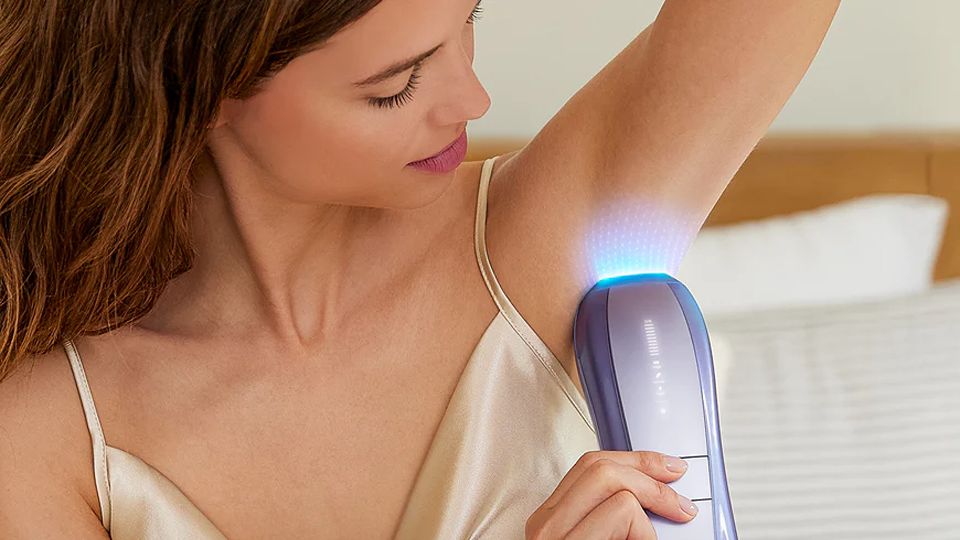
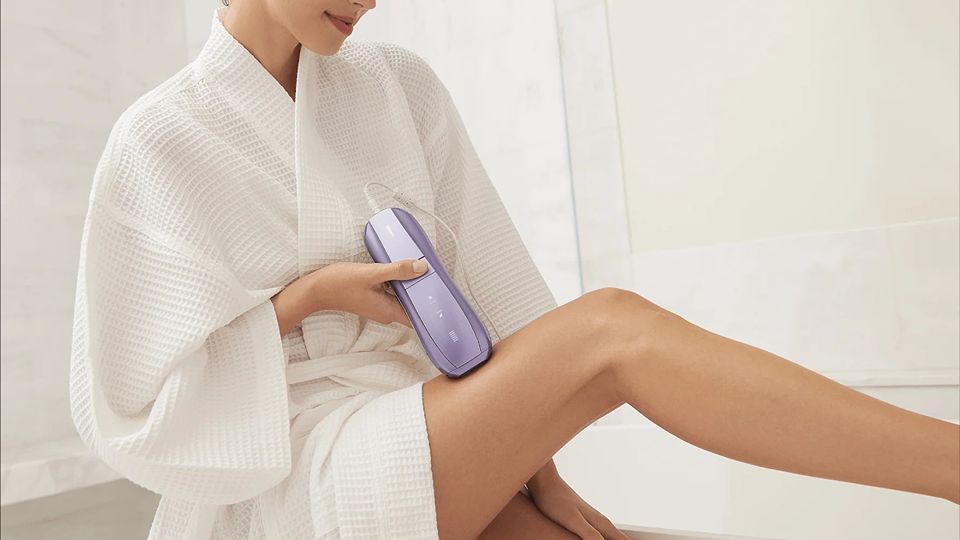
At home, intense pulsed light offers a more private and flexible way to manage regrowth. IPL and clinical lasers are related light-based technologies, but they are not identical. A laser uses a concentrated wavelength, while IPL produces filtered broad-spectrum light.
Home devices usually operate at lower energy than professional systems, so consistency plays a major role. They can suit users who prefer short, recurring sessions rather than clinic visits. However, IPL remains pigment-dependent and may not work well on gray, white, pale blonde, or certain red hairs.
In the United States, light-based over-the-counter hair-removal devices fall under Class II medical-device regulation. Buyers should check the model number, skin-tone chart, contraindications, and instructions instead of relying only on the phrase “laser hair removal” in advertising.
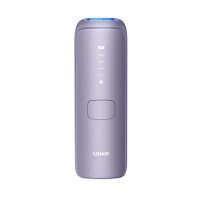
Ulike Air 10: Advanced IPL Performance for Faster Hair Reduction and Full-Body Treatments
At the more advanced end, the Ulike Air 10 suits users treating several large areas or dealing with coarse, persistent hair. Its main differences are Dual Lights, a wider treatment window, rapid flashing, and SHR Mode. Together, these features aim to cover more skin per pass and deliver higher cumulative energy where basic IPL modes may feel slow.

Core light performance
• SHR Mode delivers four pulses per second with up to 26 joules of cumulative energy. The rapid multi-pulse approach is designed for thicker hair on areas such as the legs, underarms, and bikini line. Dual Lights also widen coverage, which can reduce missed strips during head-to-toe sessions.
Cooling and skin assessment
• Sapphire Ice Cooling maintains a contact temperature near 65°F during use. That matters when you repeat flashes across warm or sensitive areas. The SkinSensor checks skin tone, adjusts output, and stops flashing where the detected tone falls outside the suitable range.
Full-body usability
• AutoGlide provides continuous flashes without requiring a separate button press for each spot. The listed full-body treatment time is about 10 minutes, making the Air 10 a practical candidate for users who plan to treat arms, legs, underarms, and other suitable areas in one routine.
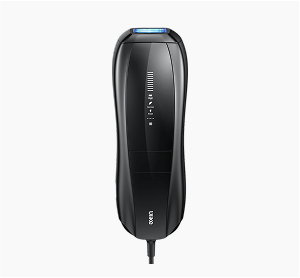
Ulike Air 4: Accessible IPL Hair Removal for Consistent At-Home Maintenance
For a simpler routine, the Ulike Air 4 balances meaningful output with straightforward controls. It does not center its appeal on the Air 10’s Dual Lights or automatic skin-tone adjustment. Instead, it offers four treatment modes, a fast AutoGlide setting, and a high-energy burst mode, making it suitable for users who want flexibility without moving to the more feature-heavy model.

Four treatment modes
• Soft Mode uses quicker flashes for fine hair, touch-ups, and larger areas. Body Mode balances speed and intensity for regular use, while Power Mode increases output for thicker growth. USHR Mode sends multi-pulse bursts for more resistant hair.
Energy and speed
• The device provides up to 24 joules, an energy density of 7.2 J/cm², and a fastest flash interval of 0.4 seconds. These figures help explain why it can move across legs or arms efficiently while still offering stronger settings for smaller, coarse-hair zones.
Cooling and routine maintenance
• Its sapphire window stays near 64.4°F during extended use, while AutoGlide enables continuous flashing after one press. A listed 12-minute full-body session makes the Air 4 well suited to regular maintenance, especially for users who value simple mode selection and consistent coverage over automated skin sensing.
Part 11: Conclusion
Ultimately, the right answer to does laser hair removal work depends on what you expect it to achieve and whether your hair provides a suitable target. A good consultation should examine your skin, hair, medical history, medications, sun exposure, and reasons for seeking treatment before discussing a package.
Focus on realistic improvement rather than a universal promise. Ask which technology the provider uses, how it matches your skin tone, and whether a test patch is available. For low-pigment hair, compare electrolysis before investing in repeated laser sessions. For suitable hair and skin combinations, professional laser treatment or a carefully selected home IPL device can reduce the time spent shaving, waxing, and managing frequent regrowth.
Part 12: Frequently Asked Questions
Q1: Can I shave 1 day after laser?
No, it’s best not to shave just one day after laser hair removal. Your skin is often sensitive and may feel similar to a mild sunburn. Wait at least 48 to 72 hours, or until any redness and irritation have fully subsided. If your skin remains tender, waiting 4 to 7 days is a safer approach before shaving the treated area.
Q2: When does hair fall out after laser?
Hair usually starts shedding 5 to 14 days after a laser hair removal session, with most treated hairs falling out within 1 to 3 weeks. This shedding is a normal part of the process, as the damaged follicles push out the treated hairs. Avoid plucking or waxing during this period, and let the hairs shed naturally.
Q3: What hurts more, IPL or laser?
Professional laser hair removal is generally more uncomfortable than IPL because it uses a concentrated, single wavelength of light that penetrates deeper into the hair follicle. Many people describe the sensation as a hot snap or rubber-band flick. IPL typically feels milder due to its broader, lower-intensity light, though comfort also depends on your pain tolerance and the treatment area.