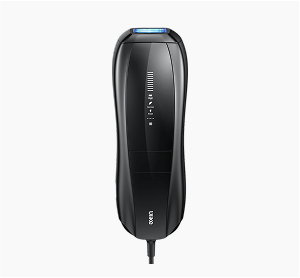
 Ulike ReGlow Pro★ 5.0 (511)


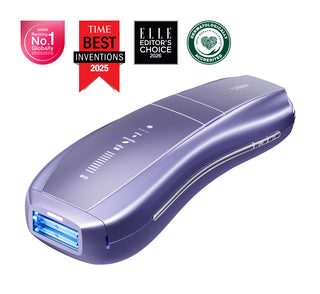
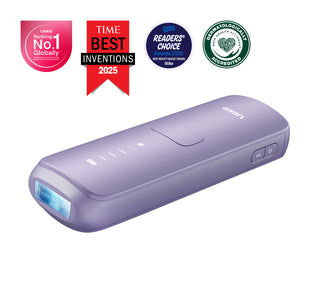


Table of Contents
Laser hair removal can simplify grooming, but it works as a course rather than a one-visit fix. So, how many sessions for laser hair removal should you expect? Most people plan for several appointments because each treatment can target only part of the hair that is actively growing at that time.
Your final number depends on the body area, hair color, thickness, skin tone, hormones, treatment settings, and how consistently you attend appointments. This guide explains the usual session range, realistic timing, stage-by-stage changes, maintenance needs, and the role of at-home IPL. Use it as a planning guide, then confirm a personalized schedule with an experienced U.S. dermatologist or qualified medical provider.

Table of Contents:
- Part 1: Quick Answer
- Part 2: Why Does Laser Hair Removal Require Multiple Sessions?
- Part 3: How Many Laser Hair Removal Sessions Needed by Body Area
- Part 4: Factors That Affect How Many Treatments You Need
- Part 5: How Far Apart Should Laser Hair Removal Sessions Be?
- Part 6: What Results to Expect at Each Stage
- Part 7: Do You Need Maintenance Sessions After Treatment?
- Part 8: Tips to Maximize Results and Reduce Total Sessions
- Part 9: At-Home IPL Devices to Support Long-Term Hair Reduction
- Part 10: Conclusion
- Part 11: Frequently Asked Questions
Part 1: Quick Answer
Most people should plan for 6 to 8 professional laser hair removal sessions, commonly spaced about four to six weeks apart. Some patients may reach their goal in two to six treatments, while facial, neck, back, or hormone-related growth may take longer. Maintenance visits may also be useful when some hair returns months or years later.
Part 2: Why Does Laser Hair Removal Require Multiple Sessions?
To understand how many treatments for laser hair removal may be needed, start with the hair cycle. The laser works best when pigment-rich hair is connected to an actively growing follicle. Since neighboring hairs can be in different stages, one appointment cannot catch all suitable follicles.
The Three Hair Growth Phases
First, hair moves through three main stages: anagen, catagen, and telogen. Anagen is the active growth stage and offers the most useful target for laser energy. Catagen is a short transition stage, while telogen is a resting stage.
Follicles enter these phases at different times, which is why your provider schedules repeat visits instead of treating the area once.
How Each Session Builds on the Last
Next, each appointment targets a new group of hairs that has entered active growth. Treated hair may shed, while resting follicles remain unaffected until they become active later.
With consistent timing, the course gradually reduces density, slows regrowth, and leaves many returning hairs finer. Monthly treatment intervals are common because they allow the provider to meet new growth at a useful point in its cycle.
Part 3: How Many Laser Hair Removal Sessions Needed by Body Area
When readers type how many laser hair removal sessions needed, they usually want an area-by-area estimate. The ranges below are planning figures rather than fixed promises. Hair density, growth speed, laser type, settings, and hormones can move your number higher or lower.
| Treatment area | Common planning range | Why the range varies |
|---|---|---|
| Underarms | 6–8 sessions | Hair is often dark and coarse, which can respond well |
| Bikini line | 6–8 sessions | Dense growth may need careful repeat coverage |
| Legs | 6–8 sessions, sometimes more | Large surface area and slower cycles can extend the course |
| Face and neck | 6–10+ sessions | Fine or hormone-sensitive growth can be persistent |
| Back | 6–10 sessions | Density, coverage area, and hormones affect progress |
These estimates align with the common six-to-eight-session starting plan, while recognizing that fine hair, large areas, and hormonal growth can require extra appointments.
Underarms, Bikini Line, and Legs
For these areas, start by looking at hair texture. Underarm and bikini hair is often darker and coarser, giving the laser more pigment to target. Many people notice patchier growth within the middle of the course.
Legs can respond well too, but they cover more skin and may have a longer resting phase. A six-to-eight-session plan is a practical starting point. Your provider may extend spacing or add visits if regrowth remains uneven, especially across knees, ankles, or curved bikini-line areas.
Face, Neck, and Back
By comparison, the face and neck can be less predictable because growth may respond to androgen activity, pregnancy-related changes, menopause, or conditions such as PCOS. Fine facial hair also contains less target pigment than coarse body hair.
Back treatments often need methodical coverage across a large area. Dense growth may improve steadily, but isolated patches can remain. Your provider may recommend more than eight treatments or periodic maintenance, particularly when new hairs appear over time.
Part 4: Factors That Affect How Many Treatments You Need
From there, your answer to how many sessions of laser hair removal do you need depends on more than the treatment area. A good consultation should assess the hair itself, your skin, medical history, medications, sun exposure, and any pattern suggesting hormone-related growth.
Hair Color and Thickness
For a start, dark, coarse hair usually gives the laser a stronger target because it contains more melanin. Fine brown hair may respond more slowly, while blond, red, gray, and white hair often responds poorly because it contains little useful pigment.
Hair location, color, coarseness, and growth stage all influence the treatment plan.
Skin Tone and Contrast
At the same time, skin tone affects which laser and settings are appropriate. High contrast between dark hair and lighter skin can make targeting easier, but modern systems can treat a broader range of skin tones when used correctly.
People with brown or Black skin should choose a provider experienced with their skin tone, as unsuitable settings can raise the risk of burns or pigment changes.
Hormonal Factors
Hormones can also change the math. PCOS, menopause, postpartum shifts, some medications, and other androgen-related conditions can stimulate new facial or body hair even after earlier follicles respond.
Laser can reduce existing pigmented hair, but it does not treat the hormonal cause. A medical evaluation may help when growth is sudden, worsening, or concentrated on the chin, neck, chest, or abdomen.
Part 5: How Far Apart Should Laser Hair Removal Sessions Be?
Once the course begins, spacing matters as much as the number of appointments. The phrase laser hair removal how many sessions often overlooks this timing issue: visits scheduled too close together may arrive before enough new hairs enter active growth.
Most patients can have treatment every four to six weeks. Facial areas may be scheduled near the shorter end because they cycle faster. Legs, arms, back, and other body areas may eventually move toward six to eight weeks as regrowth slows.
Follow the interval set by your provider rather than booking from a generic calendar. They may adjust it based on shedding, visible regrowth, skin recovery, and the area treated.
Part 6: What Results to Expect at Each Stage
From there, progress usually appears gradually rather than all at once. When asking how many laser hair removal treatments do you need, it helps to judge changes in regrowth speed, density, and texture instead of expecting bare skin after each visit.
After Sessions 1–2
At first, you may notice shedding during the days or weeks after treatment. Some areas can look unchanged before treated hairs loosen and fall. Early regrowth may also seem slower, but coverage is often still uneven because many follicles were resting during the first visit.
Keep shaving as instructed and avoid pulling hair from the root. This preserves a useful target for later sessions.
After Sessions 3–5
By the middle of the course, regrowth often looks patchier and less dense. You may shave less often, and some returning hairs can feel finer. Results can differ across the same body area, so one section may look smoother while another still shows active growth.
This stage gives your provider useful feedback. They can review settings, timing, and missed patches before the later appointments.
After Sessions 6–8
Toward the end of a typical course, many people see their clearest reduction in density and longer periods between shaving. A few resistant hairs may remain, especially in hormone-sensitive areas or where hair is finer.
The goal is long-term hair reduction rather than an assumption that all follicles will stop producing hair. Report stubborn zones so your provider can decide whether extra sessions, different settings, or maintenance makes sense. A typical course may involve six to eight treatments, with lighter regrowth possible afterward.
Part 7: Do You Need Maintenance Sessions After Treatment?
After the main series, some people remain satisfied for months or years without another visit. Others see scattered regrowth and schedule an occasional maintenance treatment. Returning hairs are often fewer, lighter, or finer than they were before the course.
Maintenance frequency depends on the area and the reason for regrowth. Facial hair influenced by hormones may need more attention than underarm or leg hair. Rather than booking automatically, wait until enough pigmented regrowth is present for a useful treatment.
Laser hair removal is generally described as long-term reduction, and future touch-ups may help preserve the result. Some U.S. specialists suggest an annual session when stray or newly developed hairs become noticeable.
Part 8: Tips to Maximize Results and Reduce Total Sessions
To improve your progress, protect both the treatment target and your skin. Small mistakes, such as waxing between visits or arriving with a fresh tan, can delay treatment or require your provider to use more cautious settings.
- Attend on schedule: Long gaps can stretch the course and make progress harder to track.
- Shave as directed: Shaving leaves the follicle in place, while waxing, tweezing, and threading remove the target.
- Avoid tanning: Sun exposure can affect treatment settings and increase the chance of unwanted skin reactions.
- Share medication changes: Some medicines affect light sensitivity or skin healing.
- Follow aftercare: Use the recommended skin care and sun protection after each visit.
Preparation commonly includes avoiding tanning, shaving the area, and avoiding methods that pull hair from the root.
Part 9: At-Home IPL Devices to Support Long-Term Hair Reduction
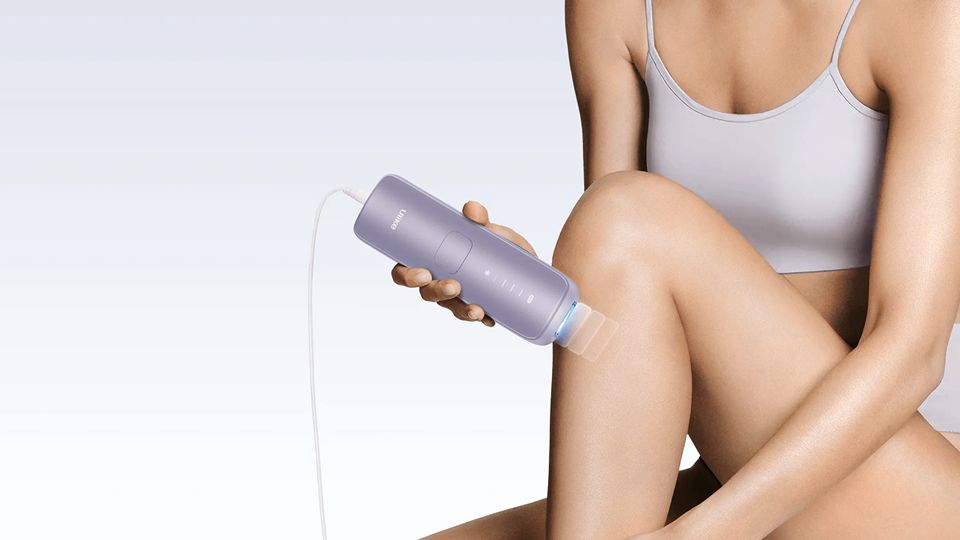
Once clinic treatments have reduced most visible growth, at-home IPL can offer a structured way to manage suitable regrowth. IPL uses broad-spectrum pulsed light rather than the single focused wavelength used by a professional laser, so its schedule and output differ.
Home use usually requires more frequent sessions and continued touch-ups. Check the device’s skin-tone and hair-color chart before buying. Ask a dermatologist when you have a skin condition, take light-sensitive medication, or are unsure whether IPL suits you. Home-use IPL research supports hair reduction with repeated treatment, but outcomes vary by device and user.
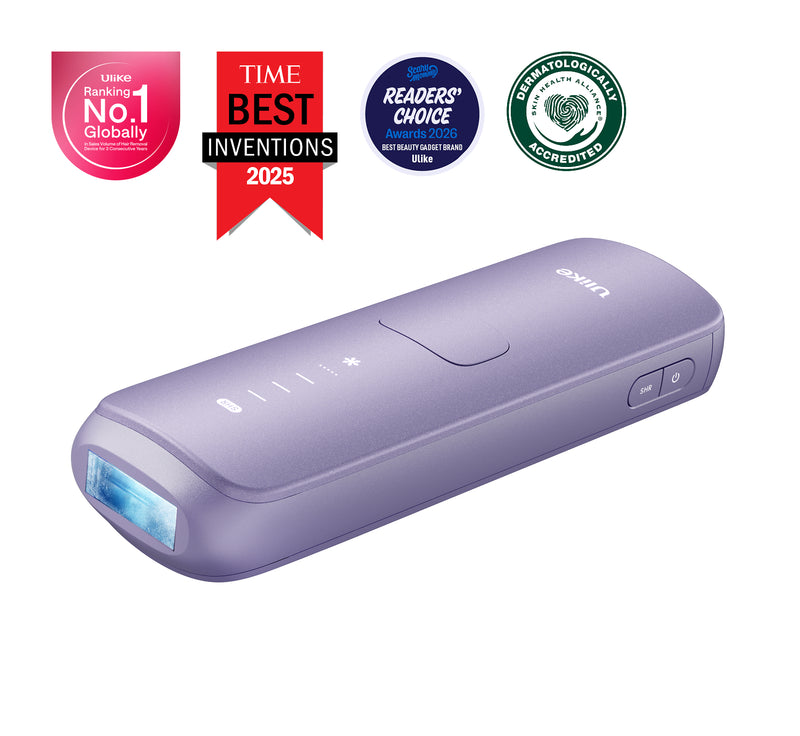
Ulike Air 10: Powerful IPL Technology for Full-Body Maintenance
For larger maintenance areas and stubborn coarse regrowth, the Ulike Air 10 focuses on speed, coverage, and higher-output modes. Its dual-light design, rapid flashes, and automatic skin sensing suit users treating several body areas in one routine.

Power and coverage
• The Dual Lights system uses two light sources for a wider treatment window and faster flashing. SHR Mode delivers rapid pulse sequences with up to 26 joules of cumulative energy.
• That output is most relevant for coarse underarm, bikini, leg, or body hair that remains noticeable after an earlier reduction plan.
Skin response and session flow
• SkinSensor checks skin tone, adjusts output, and stops flashes on areas it identifies as too dark. Sapphire Ice Cooling maintains a listed 65°F contact temperature.
• AutoGlide provides continuous flashes for a listed 10-minute full-body session. These features reduce repeated button presses during longer routines.
Best fit
• The Air 10 is the stronger candidate for frequent full-body maintenance, faster coverage, and resistant dark hair on compatible skin tones.
Ulike Air 4: Easy IPL Hair Removal for Regular At-Home Upkeep
For regular upkeep, the Ulike Air 4 takes a simpler, mode-based approach. It suits users who want clear intensity choices for fine hair, ordinary body growth, or occasional coarse patches without making maximum output the center of each session.

Four treatment modes
• Soft Mode uses faster flashes for larger areas, fine hair, and touch-ups. Body Mode balances speed and power for fine-to-normal hair, while Power Mode raises intensity for thicker growth.
• USHR Mode adds multi-pulse bursts for stubborn coarse hair. This range lets you match the setting to the area instead of treating all zones alike.
Comfort and repeat use
• AutoGlide starts continuous flashing with one press, supporting a listed 12-minute full-body routine. Sapphire Ice Cooling keeps the flash window near 64.4°F during extended use.
• The device lists up to 24 joules, four adjustable levels, and a fastest flash speed of 0.4 seconds.
Best fit
• The Air 4 is well suited to steady home upkeep where straightforward controls, cooling, and flexible modes matter more than the Air 10’s dual-light system and automatic SkinSensor.
• Confirm compatibility first, especially with very dark skin or light blond, red, gray, or white hair.
Part 10: Conclusion
In the end, the question of how many sessions for laser hair removal has a useful starting answer, but not one fixed number for everyone. A six-to-eight-visit plan is common, while finer hair, larger areas, darker skin requiring cautious settings, and hormone-sensitive growth may extend the timeline.
Focus on consistent appointments, safe treatment settings, and visible changes in density rather than rushing toward a target date. An experienced provider can adjust spacing and energy as your skin and regrowth change. After the main course, occasional clinic maintenance or compatible at-home IPL may help manage returning hair. The most effective plan is the one matched to your body area, hair type, skin tone, and medical history.
Part 11: Frequently Asked Questions
Q1: What body part hurts the most to laser?
The most sensitive areas for laser hair removal are typically the upper lip, bikini line, Brazilian area, underarms, and genital region because these locations have more nerve endings and thinner skin. Most people describe the sensation as a quick snap or rubber-band flick rather than severe pain. Modern laser systems with built-in cooling features can make treatment more comfortable.
Q2: Why is my hair still growing after 10 laser sessions?
Some hair growth after 10 laser sessions is possible because laser hair removal provides long-term hair reduction rather than permanent removal of every follicle. Remaining hair is often finer, lighter, and slower to grow. Hormonal changes, light-colored hair, missed growth cycles, or conservative laser settings can also contribute to continued regrowth. Maintenance treatments may help manage persistent hairs.
Q3: What is the best age for laser hair removal?
There is no single best age for laser hair removal, but many people achieve more predictable results in their 20s and 30s when hormone levels are generally more stable. However, healthy teens and older adults can also benefit if they are good candidates. The ideal timing depends more on hair growth patterns, skin type, and overall health than on age alone.