Electrolysis vs Laser Hair Removal: Which Is Better?

Tired of shaving the same spots or booking another wax? You may be ready for a longer-lasting approach, but choosing between electrolysis vs laser hair removal is not as simple as picking the more familiar name.
The right choice depends on your hair color, skin tone, treatment area, budget, comfort level, and patience. Your goal matters too: do you want permanent removal from a small area, or substantial long-term reduction across your legs, back, or bikini line? This guide compares both options, explains where at-home IPL fits, and helps you prepare better questions for a qualified US provider.

Table of Contents:
- Part 1: Quick Answer: Is Electrolysis or Laser Hair Removal Better?
- Part 2: How Does Electrolysis Hair Removal Work?
- Part 3: How Does Laser Hair Removal Work?
- Part 4: Electrolysis vs. Laser Hair Removal at a Glance
- Part 5: Key Differences Between Electrolysis and Laser Hair Removal
- Part 6: Electrolysis or Laser Hair Removal: Which Should You Choose?
- Part 7: What About At-Home IPL Hair Removal?
- Part 8: Recommended At-Home IPL Options for Convenient Hair Reduction
- Part 9: Conclusion
- Part 10: Frequently Asked Questions
Part 1: Quick Answer: Is Electrolysis or Laser Hair Removal Better?
Electrolysis is generally better for permanent removal, small areas, and light-colored hair that laser cannot effectively target. Laser hair removal is usually better for reducing dark, coarse hair over larger areas quickly, although maintenance may be needed. Your skin tone, hair color, treatment area, and preferred timeline should guide the decision.
Part 2: How Does Electrolysis Hair Removal Work?
Let’s start with the slower but more precise option. Electrolysis works on individual follicles rather than treating a patch of skin at once.
A trained electrologist inserts a very fine sterile probe into the natural opening of a hair follicle. A short electrical current then damages the follicle’s growth tissue, and the treated hair is gently removed. Galvanic electrolysis uses a chemical reaction, thermolysis uses heat, and blend treatment combines both methods.
Hair grows in cycles, so the provider cannot successfully treat every follicle in one appointment. You return as new hairs enter a treatable growth stage. Electrolysis can permanently remove treated hair and works across hair colors and skin tones, as per the AAD guide to unwanted-hair removal. However, new hair can still appear because of hormonal changes or previously inactive follicles.
Part 3: How Does Laser Hair Removal Work?
Now think in terms of coverage. Professional laser treatment sends concentrated light into many follicles during each pass.
Melanin in the hair absorbs the light and converts it into heat. That heat damages the follicle enough to slow or prevent future growth. Because the laser needs pigment as a target, dark hair usually responds better than blonde, white, gray, or red hair. Only hairs in an active growth phase respond well, so several appointments are needed.
Modern lasers can be used on a wide range of skin tones, but the wavelength, energy, pulse duration, and cooling must match the individual. In US regulatory language, “permanent hair reduction” means a stable, long-term decrease in regrowing hairs rather than the removal of every hair.
Part 4: Electrolysis vs. Laser Hair Removal at a Glance
Want the short version before digging deeper? This table compares the practical differences you are most likely to notice. Exact schedules, fees, and results vary with the body area, hair density, hormonal factors, device, and provider. Treat the session figures as planning ranges, not fixed promises.
| Factor | Electrolysis | Laser hair removal |
|---|---|---|
| How it works | A fine probe delivers current into one follicle at a time | Concentrated light heats pigment in multiple follicles |
| Results | Permanent removal of successfully treated follicles | Long-term or permanent hair reduction; regrowth can occur |
| Suitable hair colors | All colors, including blonde, red, gray, and white | Best on dark, pigmented hair; ineffective or limited on very light hair |
| Suitable skin tones | All skin tones | Many skin tones with the right laser and experienced provider |
| Treatment speed | Slow and highly targeted | Fast, with broad coverage |
| Number of sessions | Many visits, often weekly or biweekly for months | Often six to eight initial sessions, commonly several weeks apart |
| Discomfort | Repeated prick, sting, or heat sensation | Brief snapping or hot-pinprick sensation |
| Cost | Often time-based; large areas can become expensive | Often area- or session-based; package pricing is common |
| Maintenance | Usually none for follicles successfully treated | Occasional touch-ups may be needed |
| Best use cases | Small areas, isolated hairs, light hair, precise shaping | Legs, back, underarms, bikini area, and other larger zones with dark hair |
Part 5: Key Differences Between Electrolysis and Laser Hair Removal
The table gives you the outline, but everyday trade-offs decide which treatment feels manageable. Here is how the two methods differ when you consider results, speed, compatibility, comfort, scheduling, cost, and risk.
Effectiveness and Permanence
This is the biggest distinction between laser hair removal and electrolysis. Electrolysis can permanently remove hair from successfully treated follicles, although completing an area requires treating hairs across multiple growth cycles. Laser can produce a substantial, lasting reduction, but some hair may return finer or lighter. Hormonal changes can also stimulate new growth after either method, particularly on the face.
Treatment Speed and Coverage Area
Speed matters when you are treating more than a few stray hairs. Electrolysis addresses follicles individually, making it practical for the upper lip, chin, eyebrows, or finishing hairs. A laser pulse can target numerous follicles, so legs, backs, and other large areas take far less appointment time. This one-hair-versus-many-hairs difference drives the timeline.
Skin Tone and Hair Color Compatibility
When comparing electrolysis hair removal vs laser, hair pigment is the key dividing line. Electrolysis does not rely on melanin, so it can treat dark, blonde, red, gray, or white hair across skin tones. Laser performs best when hair contains enough pigment to absorb light. Experienced professionals can treat a wider range of skin tones by selecting appropriate laser technology and settings, but provider expertise remains important.
Pain and Comfort Level
So, does laser vs electrolysis hair removal hurt more? There is no universal winner because sensation depends on the area, energy setting, hair density, and your tolerance. Electrolysis can feel like repeated stings as each follicle is treated. Laser often feels like quick snaps with warmth. Cooling and provider-approved numbing options may help, but discuss pain control before applying any topical anesthetic.
Number of Sessions and Treatment Timeline
Both methods require consistency because hair follicles cycle through active and resting phases. Electrolysis appointments may occur weekly or every other week and continue for many months, especially in dense areas. Laser courses often involve six to eight visits spaced several weeks apart, followed by touch-ups if growth returns. A medically reviewed electrolysis versus laser hair removal overview also emphasizes that neither method finishes in one appointment.
Cost
The answer to laser or electrolysis hair removal depends on the total project, not just one appointment. US electrolysis providers often charge by time, while laser clinics may charge by area, visit, or package. Electrolysis can cost less per short visit yet become expensive for a large, dense area. Laser may have a higher session fee but covers more skin quickly. Cosmetic hair removal is commonly self-paid, so request a written total estimate in US dollars.
Side Effects and Risks
Temporary redness, swelling, and tenderness can follow either treatment. Improper technique or inadequate hygiene practices may increase the risk of irritation, infection, burns, scarring, or pigment changes. Laser risks include burns, blisters, pigment changes, and, rarely, scarring, particularly with unsuitable settings or recent tanning. Whichever option you prefer, choose an experienced professional and follow pre- and post-treatment instructions closely.
Part 6: Electrolysis or Laser Hair Removal: Which Should You Choose?
Still deciding between the two? The right choice depends on your hair color, skin tone, treatment area, budget, and preferred timeline.
A consultation with a qualified provider can also help identify factors such as medications, tanning history, or skin sensitivity that may affect your treatment plan.
Choose Electrolysis If...
Electrolysis may be a better choice if you need precise treatment for smaller areas or individual hairs.
- Need permanent removal of specific hairs or small treatment areas.
- Have blonde, red, gray, or white hair that may not respond well to laser because it lacks enough pigment.
- Want to target areas such as the upper lip, chin, eyebrows, or scattered facial hairs.
- Are comfortable with a longer treatment timeline and regular appointments.
- Want to remove remaining hairs after laser hair reduction, when recommended by a qualified provider.
Choose Laser Hair Removal If...
Laser hair removal may be a better option when you want faster treatment for larger areas with darker, coarse hair.
- Want long-term hair reduction across areas such as the legs, underarms, back, chest, or bikini line.
- Prefer shorter appointments compared with treating individual follicles.
- Have dark, pigmented hair that can better absorb laser energy.
- Are comfortable with multiple sessions and possible maintenance treatments.
- Choose a provider experienced in treating your skin tone and using appropriate laser technology.
Part 7: What About At-Home IPL Hair Removal?
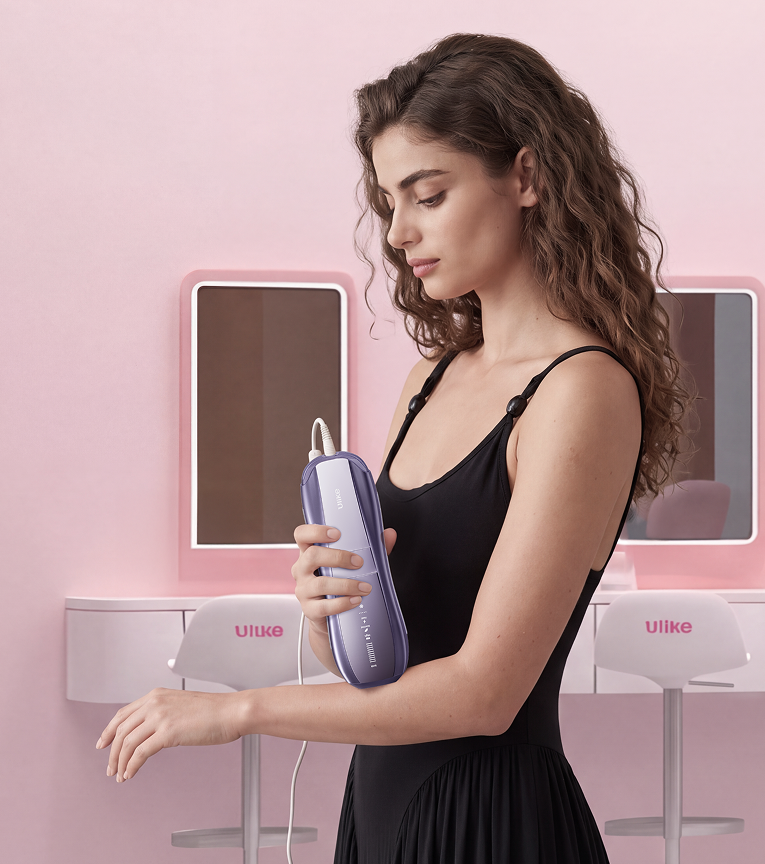
At-home IPL is a separate hair-reduction option from electrolysis and professional laser treatments. IPL (intense pulsed light) uses broad-spectrum light that is absorbed by pigment in the hair, rather than delivering a single concentrated laser wavelength to individual follicles. With consistent use, IPL can gradually reduce visible hair regrowth when the device is suitable for your hair and skin combination.
IPL may be a good choice if you prefer privacy, convenience, and an at-home routine. It generally works best on darker hair with compatible lighter-to-medium skin tones and may be less effective on blonde, red, gray, or white hair due to lower pigment levels. Some IPL devices may not be suitable for certain darker skin tones because skin pigment can absorb more light energy. Always check the device compatibility guide, follow usage instructions, and complete a patch test before regular treatments.
Part 8: Recommended At-Home IPL Options for Convenient Hair Reduction
If a clinic-based laser hair removal machine does not match your routine, an at-home IPL hair removal device offers a different path to gradual reduction.
The two options below serve distinct users: Air 10 prioritizes speed, automatic adjustment, and stubborn hair, while Air 4 keeps treatment selection straightforward for a first home routine.
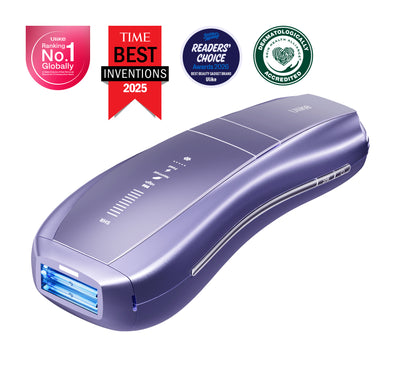
Ulike Air 10 for Fast, Comfortable Full-Body IPL Treatments
The Ulike Air 10 is designed for users who want faster full-body IPL sessions with enhanced comfort. Its Dual Lights technology and wider treatment window help cover more skin efficiently, while AutoGlide enables continuous flashing with fewer button presses. With reported results of up to 96% hair reduction in 2 weeks, Air 10 is well suited for users managing larger areas or stubborn hair growth.
Who it’s for:
Choose Air 10 if you want quicker treatments, extra power for coarse hair, and a more automated IPL experience. Its stated 10-minute full-body session² makes it easier to maintain a consistent routine across legs, arms, and other areas.
Key features:
- SHR Mode: Delivers a four-pulse burst with up to 26 joules for areas with thicker or more resistant hair.
- Sapphire Ice Cooling: Keeps the treatment window cool at around 65°F for a more comfortable experience.
- SkinSensor Technology: Detects skin tone and adjusts light intensity for safer at-home use.

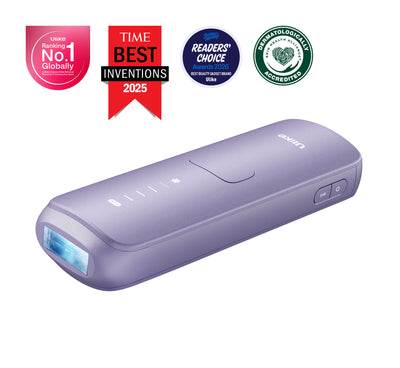
Ulike Air 4 for Beginners Wanting Simple and Comfortable At-Home IPL Treatments
The Ulike Air 4 is a beginner-friendly IPL device that balances effective hair reduction with simple controls and comfortable treatment. Its four treatment modes allow users to adjust intensity based on different areas and hair types, while AutoGlide supports smoother sessions with continuous flashing. Testing reports up to 95.8% hair reduction in 4 weeks¹, making it a practical option for regular at-home hair management.
Who it’s for:
Air 4 is a good choice for first-time IPL users who want a straightforward routine with adjustable settings. Its 12-minute full-body session² helps make regular treatments easier to fit into everyday schedules.
Key features:
- Four Treatment Modes: Soft, Body, Power, and USHR modes support different hair thicknesses and sensitivity levels.
- Up to 24J Output: Four adjustable energy levels and flashes as fast as 0.4 seconds for flexible treatments.
- Sapphire Ice Cooling: Maintains a cool contact surface around 64.4°F to reduce heat sensation during use.

Part 9: Conclusion
The best choice between electrolysis vs laser hair removal depends on your hair type, treatment area, goals, and long-term expectations. Electrolysis may be a better fit for permanently removing individual hairs, while laser hair removal can provide faster, long-term reduction across larger areas with suitable hair and skin combinations.
Before purchasing a treatment package, ask about the technology used, provider experience, expected results, and aftercare requirements. If you prefer an at-home option, IPL offers a convenient alternative but has its own compatibility limits. Choosing the right method for your needs matters more than simply choosing the most popular option.
Part 10: Frequently Asked Questions
Q1: What are the disadvantages of electrolysis hair removal?
The main drawbacks of electrolysis are time, discomfort, and the number of appointments required. A practitioner treats each follicle separately, so clearing a dense or large area can take months and become costly. Temporary redness, swelling, or tenderness may occur. Poor technique or unsterile equipment can also increase the risk of infection, pigment changes, burns, or scarring.
Q2: How much do 15 minutes of electrolysis cost?
In the US, cost varies by provider, location, and treatment time. Although some providers charge less or more. Rates vary by city, practitioner experience, treatment area, and whether consultation fees are included. Because electrolysis treats hairs individually and requires multiple visits, ask for the per-minute rate and an estimated overall treatment timeline before starting.
Q3: Does hair grow back thicker after electrolysis?
No, electrolysis does not make hair grow back thicker. When a follicle is successfully destroyed, it should no longer produce hair. Hairs that appear later may come from untreated follicles, follicles that were not fully disabled, or new growth influenced by hormones. Their thickness reflects natural growth patterns and hormonal factors rather than electrolysis making the hair coarser.
Q4: Do celebrities get laser or electrolysis?
Celebrities may use either laser hair removal or electrolysis, but there is no single method used across the industry, and personal treatment details are rarely verified. Laser is practical for reducing dark hair across larger body areas, while electrolysis suits small, precise areas and lighter hair colors. Some people may use laser first and electrolysis later for suitable remaining hairs under professional guidance.
Featured Products

Ulike Air 10
2 weeks to silky smooth skin.
96% Hair Density Reduction
The next-generation in simple,
lasting hair removal.
Best Female Facial Hair Remover: Which One Suits You?

Do You Shave Before Laser Hair Removal? What to Know
Post Laser Hair Removal Care: What Should You Do?

Explore Beauty
Ulike Air 10
2 weeks to silky smooth skin.
96% Hair Density Reduction in 2 Weeks
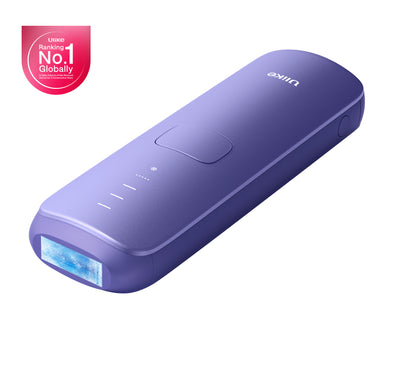
Ulike Air 3
3 weeks to silky smooth skin.
93% Hair Density Reduction in 4 Weeks
Ulike Air 4
4 weeks to silky smooth skin.
95.8% hair reduction in just 2 weeks*
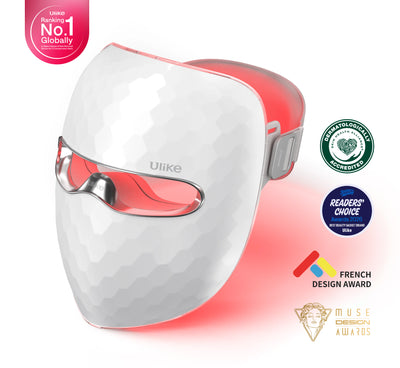
Ulike Reglow
Clearer skin in 2 weeks: Fewer breakouts
Smoother skin in 4 weeks: Fewer lines, firmer feel