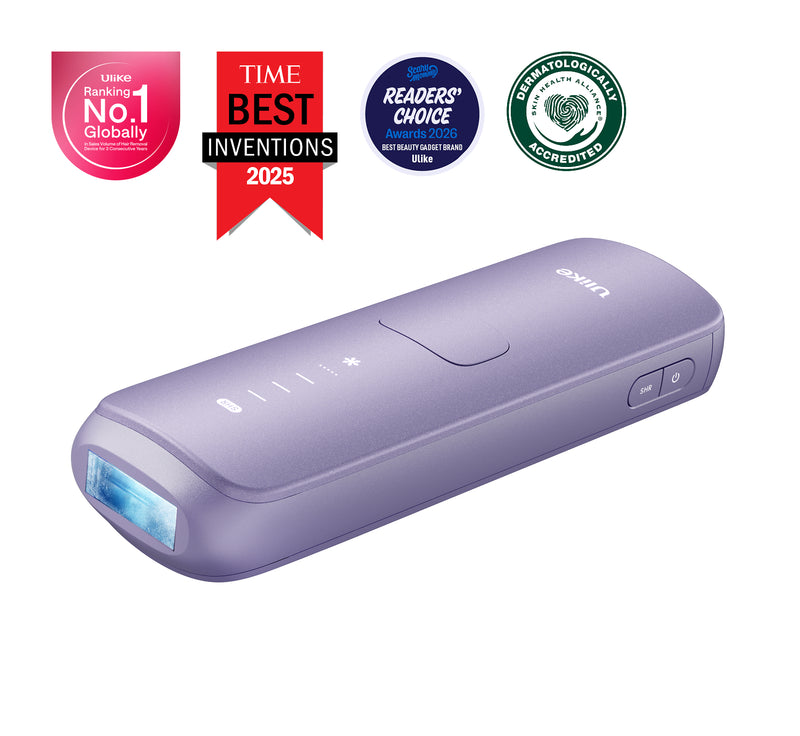
 Ulike ReGlow Pro★ 5.0 (511)


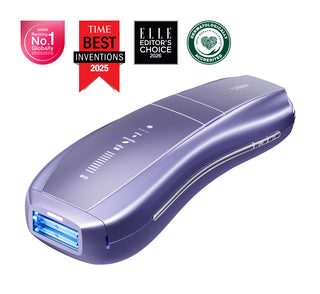
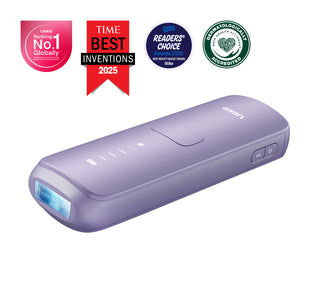


Table of Contents
Facial hair removal is personal. Some people want to remove peach fuzz for smoother makeup, while others want to manage upper-lip hair, chin hair, sideburns, or coarse growth. The best method depends on your skin sensitivity, hair color, hair thickness, budget, and how long you want results to last.
There is no single perfect option for everyone. Shaving and dermaplaning are quick and painless, waxing and threading last longer, and laser, IPL, or electrolysis can reduce regrowth over time. The goal is to choose a method that works with your skin, not against it. This guide compares the most common facial hair removal methods, explains how to choose the right option for your skin, and covers tips for achieving longer-lasting results.

Table of Contents:
- Part 1: What Is the Best Method for Facial Hair Removal?
- Part 2: Facial Hair Removal Methods Compared
- Part 3: How to Choose the Right Facial Hair Removal Method
- Part 4: Pre-Care and Post-Care Tips for Sensitive Facial Skin
- Part 5: Does Shaving Make Facial Hair Grow Back Thicker?
- Part 6: Best At-Home IPL Devices for Long-Term Facial Hair Reduction
- Part 7: Conclusion
- Part 8: Frequently Asked Questions
Part 1: What Is the Best Method for Facial Hair Removal?
The best method for facial hair removal depends on your hair type, pain tolerance, skin sensitivity, and desired results. Shaving or dermaplaning is best for fast, painless smoothing, while waxing, threading, and tweezing last longer.
If you want longer-term reduction, laser hair removal, IPL, or electrolysis may be worth considering. Laser and IPL work best on darker hair because they target pigment. Electrolysis can treat more hair colors, including lighter hair, but it requires professional sessions and patience.
For many people, the most practical routine combines methods. For example, you might dermaplane cheeks for peach fuzz, tweeze a few chin hairs, and use IPL on suitable areas for gradual reduction.
Part 2: Facial Hair Removal Methods Compared
Facial hair removal methods fall into three broad groups: surface removal, root removal, and follicle-targeting treatments. Surface methods are fast but temporary. Root methods last longer but can be uncomfortable. Follicle-targeting methods take more time and cost more upfront, but they may reduce hair growth more significantly.
Shaving and Dermaplaning
Shaving and dermaplaning remove hair at the surface of the skin. They are good choices if you want instant results with little discomfort, especially for fine vellus hair, often called peach fuzz.
Dermaplaning also lightly exfoliates by removing dead surface cells, which can help makeup apply more smoothly. Use a clean facial razor, avoid active acne, and glide gently rather than pressing hard. A facial to remove hair may sound like a spa treatment, but at-home dermaplaning is different from a professional facial and should be done carefully.
The main drawback is short-lived smoothness. Since the root remains, hair can reappear within a few days.
Waxing
Waxing removes hair from the root, so results last longer than shaving. It can work well for the upper lip, chin, and sideburn areas when done with wax designed for facial skin.
At-home wax strips are convenient, but facial skin can react with redness, bumps, or irritation. Hot wax also carries a burn risk if overheated. Avoid waxing if you use retinoids, strong exfoliating acids, or prescription acne treatments unless your dermatologist says it is safe.
Waxing is not the gentlest option for very sensitive skin, but it can be efficient for people who tolerate it well.
Threading
Threading uses twisted cotton thread to lift hairs from the root. It is especially popular for eyebrow shaping, upper-lip hair, and small areas that need precision.
Because threading does not use wax or chemical formulas, it can be appealing if you react to certain ingredients. Still, it can sting, and the friction may irritate skin that is acne-prone, inflamed, or very reactive.
Threading is usually best done by a trained professional. Good technique matters because facial skin is delicate, and uneven pressure can leave redness or bumps.
Depilatory Creams
Depilatory creams dissolve hair at the skin’ s surface using chemical ingredients that break down hair protein. They are painless for many users and easy to apply at home.
Choose a formula labeled for the face, not one meant for legs or the body. Facial formulas are typically gentler, but irritation is still possible. Always patch test first, follow the timing instructions exactly, and never leave the cream on longer in hopes of getting better results.
Skip depilatory creams if your skin barrier is damaged, sunburned, freshly exfoliated, or irritated.
Laser and IPL Hair Removal
Laser and IPL hair removal target pigment in the hair to heat the follicle and reduce regrowth over time. These methods are not instant fixes; they require repeated treatments because hair grows in cycles.
Professional laser treatments are usually stronger and more customized. At-home IPL devices are more convenient and can be cost-effective for maintenance, but they are not suitable for every skin tone or hair color. They generally work best when there is a strong contrast between darker hair and lighter to medium skin.
Do not use laser or IPL near the eyes, over tattoos, or on areas not approved by the device instructions.
Electrolysis
Electrolysis is a permanent hair removal method performed by a trained professional. It uses a fine probe to deliver energy into individual follicles, making it useful for small areas such as the chin, upper lip, or stray facial hairs.
Unlike laser and IPL, electrolysis can work on many hair colors, including gray, blonde, red, and white hair. The trade-off is time. Each follicle is treated individually, so multiple sessions are usually needed.
Electrolysis can be a strong choice for people who want permanent results and are willing to commit to appointments.
Part 3: How to Choose the Right Facial Hair Removal Method
Choosing the right method starts with matching the treatment to your hair and skin. A facial hair remover that works beautifully for fine peach fuzz may not be the best choice for coarse chin hair.
Use this simple decision process:
- 1. Identify the hair type. Fine peach fuzz usually responds well to dermaplaning, while coarse hairs may need tweezing, threading, waxing, laser, IPL, or electrolysis.
- 2. Consider your skin sensitivity. If you get redness easily, avoid harsh waxes or chemical creams without patch testing.
- 3. Decide how long you want results to last. Shaving is quick, root removal lasts weeks, and IPL or electrolysis is better for long-term goals.
- 4. Check your budget. Dermaplaners and tweezers are low-cost, while professional laser and electrolysis require a larger investment.
- 5. Think about maintenance. Choose a method you can realistically repeat without irritating your skin.
Women’ s facial hair remover options often include dermaplaning tools, mini electric trimmers, wax strips, threading, and IPL devices. Female facial hair removal commonly focuses on the upper lip, chin, cheeks, and brows, but the right choice depends on the person, not the category.
Facial hair removal for men may involve beard-line cleanup, cheek hair, neck hair, or shaping around facial hair. Men with coarse hair may prefer precision trimmers, professional laser sessions, or electrolysis for small persistent areas.
Part 4: Pre-Care and Post-Care Tips for Sensitive Facial Skin
Good skin prep can make facial hair removal more comfortable and reduce the chance of bumps, burning, or breakouts. The face is more delicate than areas like the legs, so gentle care matters before and after removal.
Before removing hair:
- Cleanse with a mild, fragrance-free cleanser.
- Remove makeup, sunscreen, and excess oil.
- Avoid exfoliating acids, scrubs, and retinoids for at least 24–48 hours if your skin is reactive.
- Patch test waxes, creams, and new devices.
- Do not treat sunburned, broken, or inflamed skin.
After removing hair:
- Apply a simple, fragrance-free moisturizer.
- Use a cool compress if the area feels warm or irritated.
- Avoid heavy makeup for several hours if your skin is prone to clogged pores.
- Skip hot showers, saunas, and intense workouts for 12–24 hours after waxing or threading.
- Wear sunscreen during the day, especially after dermaplaning or any exfoliating method.
If you experience persistent burning, swelling, pus-filled bumps, or worsening irritation, stop the method and contact a dermatologist.
Part 5: Does Shaving Make Facial Hair Grow Back Thicker?
No, shaving does not make facial hair grow back thicker, darker, or faster. It cuts hair at the surface, which can make the blunt tip feel slightly stubbly as it grows out.
Hair thickness is mainly influenced by genetics, hormones, age, and certain medical conditions. Shaving does not change the follicle under the skin, so it cannot permanently alter the diameter or color of the hair.
The “thicker regrowth” feeling is usually texture. A freshly cut hair has a squared-off edge instead of a naturally tapered tip. If the sensation bothers you, dermaplaning less often, using a sharper clean blade, or choosing threading or waxing may feel smoother for longer.
Part 6: Best At-Home IPL Devices for Long-Term Facial Hair Reduction
At-home IPL devices can be useful for people who want gradual, longer-term reduction and have suitable hair and skin tones. They are not the same as professional laser treatments, but they can help maintain smoother skin with consistent use.
Always read the device’ s skin tone and hair color guidance before treating the face. IPL is typically not effective on very light blonde, red, gray, or white hair because there is not enough pigment for the light energy to target.
Ulike Air 10: Cooling Technology for Sensitive Skin Comfort
Ulike Air 10 is an advanced at-home IPL device designed for efficient facial hair reduction with enhanced comfort. Featuring 26J power, SHR Mode, a wider treatment window, and double light source, it effectively targets stubborn hair and delivers up to 96% hair reduction in 2 weeks based on laboratory testing.
Its brand-new skin protection technology automatically adjusts flash intensity according to skin tone, while the 65°F cooling system helps provide a gentle experience on sensitive facial areas. With AutoGlide Mode for easier treatments, the Air 10 offers a fast and comfortable option for maintaining smoother skin at home.
Ulike Air 4: Gentle IPL Hair Removal
Ulike Air 4 is another at-home IPL device designed for users who want a comfortable and convenient solution for facial hair maintenance. With 95.8% hair reduction in 4 weeks, USHR technology, and 24J energy output, it helps target unwanted hair while supporting smoother-looking skin.
Its 64.4°F cooling system helps keep treatments comfortable, while the continuous flash function allows easier gliding across treatment areas. The Air 4 provides a practical option for regular at-home facial hair removal with a focus on comfort and ease of use.
Part 7: Conclusion
Facial hair removal is not one-size-fits-all. Shaving and dermaplaning are fast and painless, waxing and threading offer longer-lasting smoothness, depilatory creams can be convenient when tolerated, and laser, IPL, or electrolysis may help with longer-term reduction.
The safest routine is the one that matches your hair type, skin sensitivity, and maintenance preferences. Patch test any new facial hair remover before applying it to a larger area, and talk to a dermatologist if facial hair growth changes suddenly or irritation does not improve. When in doubt, start gently and build your routine from there.
Part 8: Frequently Asked Questions
Q1: What is the safest facial hair removal method for sensitive skin?
The safest option for sensitive skin is usually gentle shaving or dermaplaning with a clean facial razor and minimal pressure. However, the best choice depends on your skin condition, products, and irritation history.
Avoid waxing, strong depilatory creams, or aggressive exfoliation if your skin is reactive. Patch testing is essential before using any new cream, wax, or device. If you have rosacea, eczema, acne flare-ups, or a compromised skin barrier, ask a dermatologist before trying a new method.
Q2: How long does facial hair removal last?
Facial hair removal can last from one day to several weeks depending on the method. Shaving and dermaplaning are the shortest-lasting, while waxing, threading, and tweezing usually last longer because they remove hair from the root. Laser and IPL can reduce regrowth over time, but they require repeated sessions. Electrolysis is considered a permanent hair removal method, though it also takes multiple appointments. Your hair growth cycle, hormones, and genetics affect how quickly hair returns.
Q3: Is IPL good for facial hair removal?
Yes, IPL can be helpful for facial hair removal when the hair is dark enough and the skin tone is suitable for the device. It is best for long-term reduction rather than instant hair removal. IPL is generally used on areas such as the upper lip and chin, but not near the eyes. Results take consistency, and not all hair colors respond well. Check the device’ s suitability chart before starting.