 Ulike ReGlow Pro★ 5.0 (511)


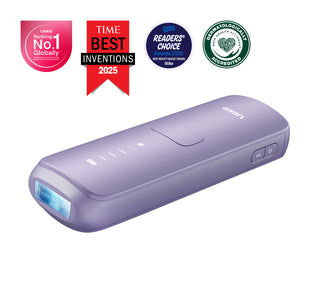


Table of Contents
The skin on your face — especially just below the nose, along the jawline, and across the cheeks — is thinner and packed with more sensitive nerve endings than skin almost anywhere else on the body. Facial hair is also finer and softer than the hair on your legs or underarms, which changes how it responds to different removal methods. Comfort matters even more here than when choosing a method for your legs or bikini line: a technique that feels fine on your arms can feel sharp or irritating on your upper lip or chin. This guide compares three popular options for the face specifically — at-home IPL, dermaplaning, and electric facial trimmers — so you can choose the one that suits your skin, not just your hair.

Table of Contents:
- Part 1: Why Facial Skin Needs a Different Approach
- Part 2: Facial-Specific Comfort Comparison Table
- Part 3: IPL on the Face — What to Expect
- Part 4: Dermaplaning on the Face — What to Expect
- Part 5: Electric Facial Trimmer — What to Expect
- Part 6: How to Choose Between IPL, Dermaplaning, and an Electric Trimmer
- Part 7: Conclusion
- Part 8: Frequently Asked Questions
Part 1: Why Facial Skin Needs a Different Approach
Facial skin behaves differently from body skin in a few key ways that directly affect how removal methods feel. The stratum corneum — the skin's outermost barrier — is noticeably thinner on the face, particularly around the upper lip, chin, and jawline, which means it offers less natural cushioning against friction, heat, or blade contact. The face also carries more sensory nerve endings than the legs or arms, so any sensation tends to register more intensely, and facial hair itself is typically finer, shorter, and less pigmented than body hair, which affects how visible results are. These factors don't change how each method fundamentally works, but they do change how carefully it should be used on the face. If you're weighing hair removal cream against IPL specifically for facial use, our cream vs IPL guide breaks down the irritation and results differences in more detail.
Part 2: Facial-Specific Comfort Comparison Table
Here's how the three methods compare specifically for facial use, based on the low-irritation criteria used across sensitive-skin comparisons.
| Method | Mechanism | Pain Level | Does Hair Grow Back Thicker? | Time to See Results | Sensitive Skin Fit |
|---|---|---|---|---|---|
| At-Home IPL | Light-based energy targets hair follicles to reduce future growth over repeated sessions | Low to medium | No — this is a visual myth, not a physiological change | Gradual, over several weeks, but reduction is long-lasting | Conditional — depends on the treatment area, skin tone, hair color, and the device manufacturer's stated warnings and contraindications; sensitive skin alone does not confirm IPL is suitable. Check your device's instructions before use. |
| Dermaplaning Tool | A fine, surgical-grade blade glides across skin to shave off surface hair and dead skin cells | Low | No — same myth as shaving elsewhere on the body | Immediate, but temporary (a few days to a few weeks) | Good — gentle, no heat or chemicals involved |
| Electric Facial Trimmer | Small oscillating or rotary blades trim hair at the skin's surface with minimal skin contact | Low | No — a visual illusion from the blunt-cut tip | Immediate, but temporary (days to a few weeks) | Good — minimal contact, low irritation risk |
The idea that shaving, dermaplaning, or trimming makes hair grow back thicker or darker is one of the most persistent myths in hair removal. What's actually happening is a blunt-cut effect: cutting a hair straight across leaves a flat edge that can feel coarser to the touch and look darker simply because it hasn't tapered to a fine point yet — not because the follicle itself has changed. This effect is explained in more detail by dermatology resources on shaving. These three methods differ in comfort and irritation risk rather than sharing one comfort level, and each solves a different problem. IPL's fit also depends on the treatment area, skin tone, hair color, and the device manufacturer's stated warnings and contraindications, so sensitive skin alone doesn't confirm it's suitable. Dermaplaning and electric trimmers work at the surface, so results appear immediately but fade as the untouched follicle regrows hair within days or weeks. IPL is the only method that works at the follicle level, so results build gradually over a full treatment course — but it's also the only one capable of reducing hair growth long term.
Part 3: IPL on the Face — What to Expect
IPL requires a few adjustments when you move from legs or underarms to the face. Always avoid the eye area entirely, and be careful around the eyebrows and hairline, since these areas contain hair you likely want to keep and the surrounding skin is too delicate for flash-based devices. Most facial-safe IPL devices, including the Ulike Air 10, offer lower intensity levels suitable for use on the face. When treating the area just below the nose, place the treatment window flat against the skin and deliver short, controlled flashes, repositioning the device between each pulse rather than dragging it across the skin. Because of the curve of the philtrum, maintaining full contact with the skin can be challenging. Along the jawline, follow the natural contour of the bone rather than pulling the skin taut, which helps avoid missed spots and uneven treatment. Session time for a full facial treatment covering the upper lip, chin, and jawline will vary depending on the size and shape of the area being treated and the device used, so follow your specific device's instructions for guidance. If you're comparing devices, browse our IPL hair removal devices to see which intensity range and applicator size suits smaller facial areas.
Part 4: Dermaplaning on the Face — What to Expect
Dermaplaning technique on the face differs from general blade use because you're working around curves, not flat planes. Hold the blade at roughly a 45-degree angle to the skin and use short, feather-light strokes in the direction hair grows, rather than long sweeping motions, especially around the jawline and chin where the contour changes quickly. Clean skin thoroughly beforehand — oil, makeup residue, or sunscreen can dull the blade's glide and increase the chance of nicks — and always sanitize the blade with alcohol before and after use to prevent irritation or breakouts. Most people find dermaplaning works best every two to four weeks, since doing it more often doesn't speed up results and can leave the skin barrier more reactive than it needs to be. Skin is more exposed immediately afterward, so skip makeup and direct sun for a few hours and apply a gentle, fragrance-free moisturizer instead — most people resume normal activities the same day.
Part 5: Electric Facial Trimmer — What to Expect
An electric facial trimmer is designed for quick touch-ups rather than full-face treatment, and using it correctly comes down to technique and hygiene. Glide the trimmer against the direction of hair growth in slow, even passes, letting the blades do the work instead of pressing down, which reduces the risk of redness or nicks on thin-skinned areas like the upper lip and chin. Rinse the blade head after every use to clear away trapped hair and skin cells, and replace it every few months, or sooner if it starts tugging rather than cutting cleanly — a dull blade is one of the most common causes of irritation with this method. Trimmers work best on smaller areas such as the upper lip, chin, sideburns, and stray jawline hairs — a good fit for quick maintenance between other treatments, but not a substitute for a longer-term reduction method on larger areas of the face.
Part 6: How to Choose Between IPL, Dermaplaning, and an Electric Trimmer
Choosing between these three methods comes down to what you're optimizing for. If long-term hair reduction is the priority — fewer hairs to manage over months, not just today — IPL is the only option of the three built for that outcome, even though it takes several weeks to show its full effect. If you want an immediate, same-day result with no waiting period, dermaplaning or an electric trimmer will get you there faster, though the effect only lasts days to a couple of weeks. Budget also plays a role: trimmers have the lowest upfront cost and suit occasional touch-ups, dermaplaning tools sit in the middle, and IPL devices cost more initially but reduce the need for ongoing purchases over time. Tolerance matters too — all three are low-irritation options for facial skin, so sensitivity alone shouldn't rule any of them out, though people prone to breakouts may prefer trimming or IPL over blade contact. For a focused breakdown of these same trade-offs on one specific area, our upper lip removal guide walks through IPL, cream, and trimmer options for that spot in more detail.
Part 7: Conclusion
Facial skin asks for a gentler, more deliberate approach than the rest of the body, but that doesn't mean you have to pick just one method and stick with it forever. IPL suits anyone focused on reducing hair growth over the long term, dermaplaning is ideal for instant smoothness paired with light exfoliation, and an electric trimmer is the fastest option for spot-checking stray hairs between sessions. Whichever you start with, using facial-appropriate settings and mild, fragrance-free aftercare will keep sensitive skin comfortable no matter which method — or combination — you settle into.
Part 8: Frequently Asked Questions
Q1: Is IPL safer for sensitive facial skin than dermaplaning?
Safety and comfort depend on your individual skin, the treatment area, and how each method is used, so this isn't a question with one universal answer. IPL's suitability also depends on the treatment area, skin tone, hair color, and the device manufacturer's stated warnings and contraindications — having sensitive skin doesn't by itself confirm IPL is a good fit. IPL works at the follicle level, while dermaplaning works at the skin's surface — choose based on whether you want long-term reduction or immediate, temporary smoothness, not on which one feels gentler.
Q2: Will facial hair grow back thicker after using a trimmer?
No. This is a common misconception about any surface-level cutting method, including trimmers, dermaplaning, and shaving. Cutting hair at a blunt angle can make regrowth feel coarser or look slightly darker at the tip briefly, but the follicle and the hair's actual thickness and color are unaffected.
Q3: How long until I see results with IPL vs dermaplaning vs a facial trimmer?
Dermaplaning and electric trimmers show results immediately, but that smoothness fades within days to a few weeks as hair regrows from an untouched follicle. IPL works the opposite way — results build gradually over a full course of sessions, but the reduction lasts significantly longer once achieved.
Q4: Can I use IPL, dermaplaning, and a trimmer on rotation?
Yes — many people combine these methods, since each works at a different level of the skin and hair. A common approach is IPL for ongoing reduction, with dermaplaning or a trimmer used occasionally for quick touch-ups on stray hairs. Just avoid heavy overlap, such as dermaplaning and IPL on the same day, and give skin a short rest between treatments.
If you're weighing these methods against other techniques across your whole face and body, our guide to hair removal for sensitive skin compares six popular options side by side.