 Ulike ReGlow Pro★ 5.0 (511)


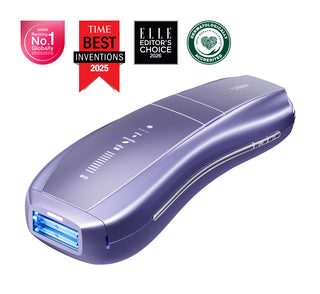
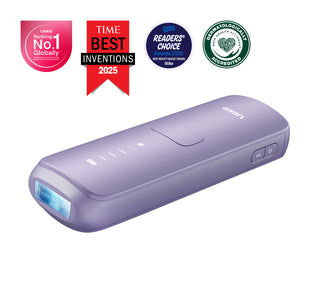


Table of Contents
The upper lip is one of the facial areas most prone to irritation from hair removal cream. The skin here is thinner and more sensitive than on the arms or legs, yet many people's first instinct when cream starts to sting or turn red is to push through the discomfort rather than reconsider the method itself. That habit can turn a manageable routine into recurring redness, stinging, or small breakouts along the lip line. This article lays out the physiological reasons the upper lip reacts the way it does, the specific signs that indicate it's time to stop using cream, and a three-option framework — adjusting your cream routine, switching to a facial shaver, or moving to IPL — so you can decide with clear, practical criteria rather than guesswork.

Table of Contents:
- Part 1: Why Cream Irritates the Upper Lip
- Part 2: Signs You Should Stop Using Cream on Your Upper Lip
- Part 3: Three Options Compared — Cream, Facial Shaver, IPL
- Part 4: Aftercare Tips for a Sensitive Upper Lip
- Part 5: Conclusion
- Part 6: Frequently Asked Questions
Part 1: Why Cream Irritates the Upper Lip
The skin covering the upper lip is thinner than on most other parts of the face, and it sits directly over a dense cluster of hair follicles packed into a small, expressive area that moves constantly when you talk, eat, and smile. That combination matters for hair removal cream specifically: the active ingredients in most depilatory formulas, typically thioglycolates that dissolve the protein structure of hair, need to stay in prolonged contact with the skin surface to work. On thinner skin with less of a protective barrier, that same contact time is more likely to trigger stinging, redness, or a rash.
Because depilatory formulas vary, the only reliable guide to safe use on the upper lip is the product's own label. Always follow that specific product's instructions for which facial areas it is permitted on, how long it should be left on the skin, how to remove it, and how to run a patch test before use. If a product's label doesn't specify the upper lip as a permitted area, that's a reason to avoid using it there rather than to assume it behaves the same way as on other parts of the body.
If irritation shows up anyway, the practical response isn't to push through it. It's to stop using the product and consider whether a different removal method is a better fit for how your skin actually responds.
Part 2: Signs You Should Stop Using Cream on Your Upper Lip
Mild, brief redness right after applying cream is common and usually settles within an hour. A handful of signs, though, point to something beyond normal short-term sensitivity and suggest the cream itself isn't a good match for your skin:
- Redness that lingers more than a day rather than fading within a few hours
- Stinging or burning that intensifies with each use instead of staying mild and brief
- Small bumps, pimple-like breakouts, or a rash forming along the treated area
- Visible peeling, flaking, or a raw, tender feeling on the skin after the cream is rinsed off
If you notice any one of these signs, that's a reasonable point to stop using cream on your upper lip and consider one of the alternatives below. Persistent or worsening symptoms — especially swelling, blistering, or a reaction that doesn't calm down within a couple of days — are a reason to see a dermatologist rather than continuing to experiment with hair removal methods on your own.
Part 3: Three Options Compared — Cream, Facial Shaver, IPL
Once cream stops working for your skin, there are three practical directions to go: adjust how you're using cream, switch to a facial shaver, or move to IPL. Which one makes sense depends mainly on how often irritation happens and how long-term a solution you're after.
Adjusting Your Cream Routine
This option fits people whose irritation has been mild and occasional rather than frequent or severe. Instead of abandoning cream outright, try three adjustments: switch to a lower-strength or "sensitive skin" formula, since gentler formulations use a milder active-ingredient concentration; cut the time the product sits on your skin to the minimum listed on the packaging rather than leaving it on longer to "make sure it works"; and always run a patch test in the location and for the waiting period specified on your product's label before applying cream to the upper lip. If a patch test causes redness, stinging, or bumps, that's a signal to skip cream on the lip entirely rather than proceed.
Switching to a Facial Shaver
A facial shaver is a reasonable next step for moderate irritation, particularly for anyone who wants an option with no chemical contact and immediate, visible results. Use it dry or on clean, dry skin, moving in short, light strokes in the direction hair grows rather than pressing down or going over the same patch repeatedly. Two to three passes per session is usually enough; more than that raises the chance of surface irritation even without any chemicals involved. Pair it with a fragrance-free moisturizer afterward, and skip makeup on the area for a few hours to let any minor redness settle. Because the results only last a few days, a facial shaver works best as a low-irritation maintenance method rather than a long-term solution for reducing hair growth.
Switching to IPL
IPL is the option to consider if irritation from cream has been recurring rather than a one-off, and if your goal is a long-term reduction in visible hair rather than a method you have to repeat every few days. At-home IPL devices are not the same technology or the same use case as professional, dermatologist-performed laser hair removal, even though both work by having light energy absorbed by pigment in the hair and converted to heat. AAD's laser hair removal overview outlines how the professional, in-office version of this treatment works, but it describes that professional context only — it doesn't assess the safety, effectiveness, or suitability of at-home IPL devices for the upper lip or anywhere else. Whether a specific at-home IPL device is appropriate for your skin comes down to that device's own official instructions, its stated skin-tone and hair-color range, and its listed contraindications, not the mechanism description above.
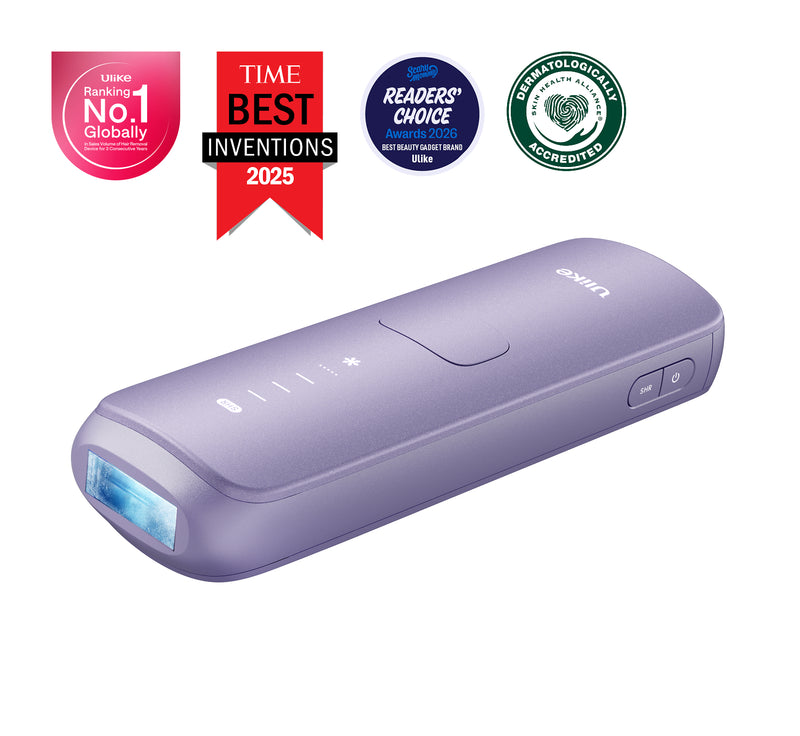
For the upper lip specifically, check a device's own official instructions before assuming it's suitable for that area. The Ulike Air 10 IPL device lists Face among its usable areas, and its SkinSensor feature is described as detecting skin tone, adjusting energy output accordingly, and stopping the flash in areas it identifies as too dark. Beyond what's stated on the official product page, don't assume additional facial-specific settings, and check the device's manual for any guidance specific to the upper lip before use. As with any IPL use, run a patch test on a small area first and wait 24 to 48 hours to check for a reaction before treating the full upper lip. Most people need several weeks of consistent, spaced-out sessions before seeing a noticeable reduction in regrowth, and results build gradually rather than after a single treatment.
IPL isn't the right fit for everyone. People with recently tanned or sunburned skin, those who are pregnant or breastfeeding, and anyone taking photosensitizing medication should not use IPL on the upper lip or elsewhere. See the full IPL contraindications and unsuitable skin conditions list before starting. If you're still weighing cream against IPL directly, our cream vs IPL comparison walks through the trade-offs side by side, and the Ulike Air 10 IPL device page has the full specifications if you want to see whether it fits your routine.
Paradoxical Hypertrichosis Risk Note
IPL and laser hair removal carry a rare but documented risk of paradoxical hypertrichosis — increased hair growth instead of reduction — which appears to occur more often in people with darker skin tones. For the full data on how this compares to cream-related irritation risk, see cream vs IPL risk data.
Part 4: Aftercare Tips for a Sensitive Upper Lip
Whichever method you land on, a few aftercare habits apply across the board when the upper lip has a history of reacting to hair removal:
- Avoid rubbing, scrubbing, or applying makeup directly over the treated area for several hours, since friction and product buildup on already-sensitive skin tend to prolong redness
- Apply sunscreen to the upper lip daily, especially after any hair removal method, since freshly treated skin is more prone to visible pigment changes when exposed to UV light
- Don't layer multiple hair removal methods on the same area in the same week — for example, shaving over a spot that was recently treated with cream or IPL — since combining methods multiplies the chances of irritation rather than solving it
These habits won't replace choosing the right method for your skin, but they reduce the odds that whichever option you pick turns into another cycle of redness and stinging.
Part 5: Conclusion
The upper lip's thin skin and dense follicles make it more prone to cream-related irritation than most other facial areas, but that doesn't mean cream is off the table for everyone — it just means the decision should be based on how your skin actually responds. Occasional, mild irritation usually just calls for adjusting your cream routine. Recurring irritation paired with wanting an immediate, chemical-free option may point toward a facial shaver, though it isn't a universal recommendation for every case of repeated irritation. And repeated irritation paired with a preference for long-term reduction points toward IPL, provided you're not in one of the groups it isn't suited for. For a broader look at every method available for this area, see our guide to upper lip removal methods.
Part 6: Frequently Asked Questions
Q1: Why does my upper lip react to hair removal cream but not other areas?
The upper lip has thinner skin and a denser concentration of hair follicles than areas like the legs or underarms, which means depilatory chemicals sit closer to more sensitive tissue. Reactions vary a lot from person to person, though — plenty of people use cream on their upper lip without any issue, so this isn't something everyone experiences.
Q2: Is a facial shaver better than cream for the upper lip?
It depends on why cream is bothering you. If the irritation is chemical — stinging, redness, or breakouts from the formula itself — a facial shaver removes that variable entirely since it uses no chemicals. If you're mainly looking for a longer-lasting result and don't mind repeat sessions with a chemical formula, an adjusted cream routine might still work. There's no single better answer; the right fit depends on which trade-off matters more to you.
Q3: Can IPL cause more hair growth on the upper lip?
In rare cases, yes — this is known as paradoxical hypertrichosis, and it's more commonly reported in people with darker skin tones. It's an uncommon outcome rather than a typical one, and it doesn't rule out IPL as an option for most people, but it's worth knowing about before starting treatment.
Q4: How do I know it's time to switch from cream to another method?
If you notice redness lasting more than a day, stinging that gets worse with each use, small bumps or breakouts, or peeling and flaking after using cream on your upper lip, that's a reasonable signal to stop and try a different method rather than continuing to push through the reaction.