Depilación láser: qué esperar antes, durante y después

Laser hair removal is one of the most popular ways to reduce unwanted hair because it targets the follicle instead of the surface. It can treat small spots like the upper lip, and it can also cover larger areas like the legs, chest, or back.
The process sounds technical, but the real questions are simple: who gets the best results, what does it feel like, and how much upkeep does it take? Start with the science, because the rest of the experience makes more sense once you know what the light is trying to do.
How laser hair removal works
Laser hair removal uses concentrated light to heat the hair follicle. The light is drawn to melanin, the pigment in the hair, so the follicle absorbs the energy and the hair is damaged at the root.
A simple way to think about the process is this:
- The device sends a focused beam of light toward the treatment area.
- The pigment in the hair absorbs that light.
- The heat reaches the follicle and disables its ability to grow hair normally.
Because the laser depends on pigment, it works best when the hair is dark and the skin is lighter. Blonde, gray, and white hairs do not absorb the light well, so they usually do not respond much at all.
Laser hair removal has also been studied for decades. It was being tested as far back as the 1960s, became commercially available in the 1990s, and the first FDA-approved hair removal laser arrived in 1995. That long track record is one reason the procedure is now common in clinics across the country.
If you're comparing clinic treatment with at-home light-based devices, the IPL hair removal guide explains how IPL differs from laser treatment.
Who gets the best results
The best-known setup is dark hair and light skin. That combination gives the laser a clearer target, so the follicle absorbs more energy and the skin absorbs less. In practical terms, that often leads to better results with fewer complications.
Hair and skin color still matter even when the treatment is done well. People with light hair are usually poorer candidates because there is not enough pigment for the laser to follow. On the other hand, people with darker skin can still be good candidates, but they often need a laser that is chosen for that skin tone. Some clinicians may also recommend a skin-bleaching compound for the treatment area.
Research on Nd:YAG hair removal in pigmented skin found strong hair reduction after several sessions, with rare pigment changes. That fits what many specialists already see in practice, darker skin can still respond well when the right device and settings are used.
A 2012 study also found that laser hair removal was a preferred option for many people with darker complexions. That does not mean every device works the same way on every skin tone, but it does show why a careful consultation matters before treatment starts.
How to prepare for your appointment
Good prep makes the treatment safer and usually more effective. The skin should be calm, clean, and free of anything that might raise the chance of irritation.
A few common instructions include:
- Stay out of the sun for several days before treatment, and do not treat tanned skin.
- Avoid waxing and plucking, because the follicle needs to be present for the laser to target it.
- Skip anything that irritates the skin, such as harsh exfoliation or strong scrubs.
- Ask your medical specialist about anti-inflammatory drugs like aspirin if they might increase bleeding.
- Reschedule if you have an active infection, such as a cold sore or a bacterial skin infection.
- If you have darker skin, your specialist may suggest a bleaching compound for the area being treated.
Sunscreen matters before and after treatment, because treated skin can be more reactive than usual.
Following these instructions does more than reduce side effects. It also helps the laser do its job, which is especially important when you are paying for a full series of sessions. A little planning before the appointment often makes the whole experience easier.
What the treatment feels like
Before the laser starts, a medical specialist cleans the area. If the skin is sensitive, numbing gel may be applied first. Everyone in the room should wear protective eyewear, since the laser can injure the eyes if it is not handled properly.

Once the treatment begins, many people describe the sensation as a rubber band snapping against the skin. Others say it feels more like a sunburn-like sting. The exact feeling depends on the area being treated, the setting used, and your own pain tolerance.
As the hair absorbs the laser and vaporizes, there can also be a sulfur-like smell from the smoke puffs. That smell can catch people off guard the first time, but it is a normal part of the process.
The session length changes a lot by body area. Small spots can take only a couple of minutes, while larger areas, such as the chest, can take an hour or more. That range is one reason a consultation helps. It gives you a better idea of how long your visit will last and how many sessions you may need.
Where it works and what results to expect
Laser hair removal can be used on most areas of the body, including the face. Common treatment spots include the back, shoulders, arms, chest, bikini area, legs, neck, upper lip, and chin.
The treatment does not remove every hair after one visit. Most people need multiple sessions because hair grows in cycles, and not every follicle is active at the same time. A review in Dermatologic Surgery found that results vary based on body area, pulse duration, and the number of treatments.
In many cases, people need three to seven sessions for the best outcome, and some may need closer to eight. After the first treatment, it is common to see a 10 to 25 percent reduction in hair. That is a useful start, but it is not the full story.
Hair can also seem to return two to eight weeks after treatment. That does not mean the session failed. It usually means some follicles were not in the right growth phase when the laser passed over them. Over time, the treated area should show less and less hair.
For long-term maintenance, many people need a yearly touch-up. That is normal, especially in areas that respond more slowly or that get a lot of hormonal influence.
Safety, side effects, and recovery
For most people, laser hair removal involves minimal discomfort and little to no downtime. In fact, a 2003 study reported 71 percent patient satisfaction, which helps explain why the treatment remains so common.
A clinical overview of laser hair removal safety notes that common side effects include redness, swelling, and short-term skin irritation. These usually fade within a few days.
Less common side effects include:
- Burns
- Blisters
- Scars
- Infections
- Permanent changes in skin color
Those complications are uncommon, but they are not impossible. Careful technique matters, and so does choosing the right provider. A board-certified dermatologist is a strong choice when you want the risk of complications kept as low as possible.
Recovery is usually simple. Most people can go back to normal activities right away, which is one reason the treatment fits into a busy schedule more easily than many other cosmetic procedures. Still, the skin can stay sensitive for a short time, so sunscreen after treatment is important. It helps protect the area and lowers the chance of extra irritation.
Budgeting for your treatment
The cost of laser hair removal depends on several things, including the specialist's experience, the size of the treatment area, where you live, and how many sessions you need. A small upper-lip treatment will cost less than a full back or chest series, and a clinic in a major city may charge more than one in a smaller market.
Here is a quick look at the main price drivers:
| Factor | Why it changes the price |
|---|---|
| Specialist experience | More experienced providers often charge more |
| Geographic location | Prices vary by city and region |
| Treatment area size | Larger areas take longer and cost more |
| Number of sessions | Multiple visits add up quickly |
The average cost per session was reported at $306. That number is only a starting point, because most people need several sessions before they see the result they want.
Laser hair removal is an elective procedure, so insurance usually does not cover it. Even so, many offices offer payment plans, which can make the total cost easier to handle over time.
A practical way to think about the decision
Laser hair removal works best when the technology matches the hair, skin, and treatment area. It also works best when you know what to expect before the first appointment, not after it.
The biggest takeaways are simple. Darker hair usually responds better, prep matters, and results build over several sessions rather than one visit. If you understand those points, the process feels far less mysterious.
That is why laser hair removal has stayed popular for years. The treatment is straightforward, the downtime is short, and the long-term payoff can be worth the planning.
Featured Products

Ulike Air 10
2 weeks to silky smooth skin.
96% Hair Density Reduction
The next-generation in simple,
lasting hair removal.

How to Switch from Plucking Chin Hair to IPL

Electrolysis vs Laser Hair Removal: Which Is Better?

Best Female Facial Hair Remover: Which One Suits You?

Explore Beauty
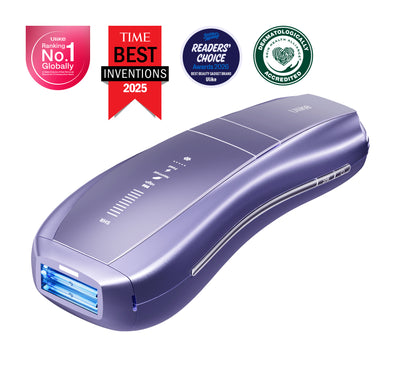
Ulike Air 10
2 weeks to silky smooth skin.
96% Hair Density Reduction in 2 Weeks
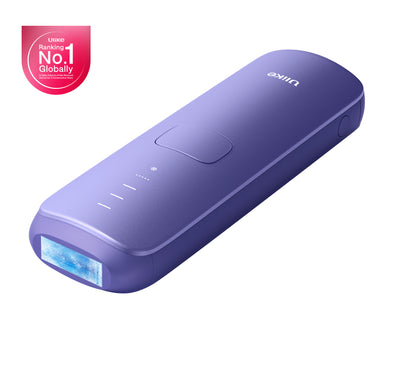
Ulike Air 3
3 weeks to silky smooth skin.
93% Hair Density Reduction in 4 Weeks
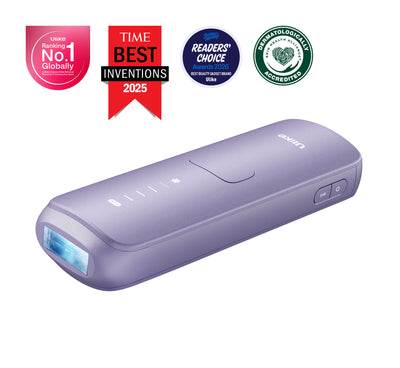
Ulike Air 4
4 weeks to silky smooth skin.
95.8% hair reduction in just 2 weeks*
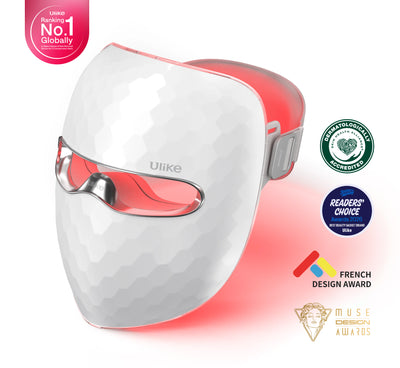
Ulike Reglow
Clearer skin in 2 weeks: Fewer breakouts
Smoother skin in 4 weeks: Fewer lines, firmer feel