 Ulike ReGlow Pro★ 5.0 (511)


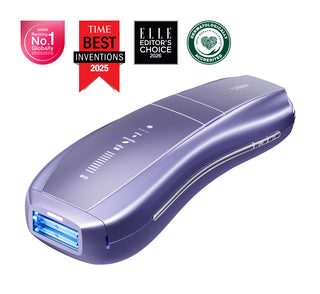
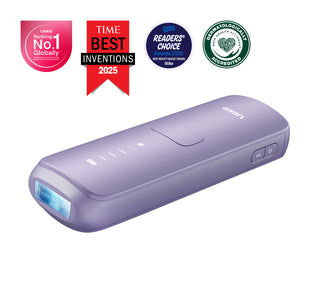


Table of Contents
Upper lip hair is completely normal, but if you prefer a smoother look, there are several ways to remove it. The right upper lip hair removal method depends on how quickly you want results, how long you want them to last, and how your skin reacts.
Shaving and depilatory creams offer quick at-home fixes, while threading, waxing, and sugaring remove hair from the root. For longer-term reduction, professional laser and at-home IPL may suit compatible hair and skin tones, while electrolysis is the option for permanent follicle-by-follicle removal. Here’s how the main methods compare.

Table of Contents:
- Part 1: Quick Answer: What Is the Best Way to Remove Upper Lip Hair?
- Part 2: Upper Lip Hair Removal Methods at a Glance
- Part 3: Shaving and Facial Razors for Quick Upper Lip Hair Removal
- Part 4: Tweezing and Threading for Precise Hair Removal
- Part 5: Waxing and Sugaring for Longer-Lasting Smoothness
- Part 6: Depilatory Creams for Upper Lip Hair Removal
- Part 7: Laser and Electrolysis for Longer-Term Upper Lip Hair Removal
- Part 8: At-Home IPL Devices for Upper Lip Hair Removal
- Part 9: Best At-Home IPL Devices for Upper Lip Hair Removal
- Part 10: How to Choose the Right Upper Lip Hair Removal Method
- Part 11: How to Prevent Irritation After Upper Lip Hair Removal
- Part 12: Conclusion
- Part 13: Frequently Asked Questions
Part 1: Quick Answer: What Is the Best Way to Remove Upper Lip Hair?
Shaving is usually the quickest, lowest-cost option, while threading or waxing can keep the upper lip smoother for longer. If you want to reduce regrowth over time, professional laser or at-home IPL may suit compatible hair and skin tones.
For permanent removal of treated follicles, including light-colored hair that light-based methods struggle to target, electrolysis is the main professional option, although it requires multiple sessions.
Part 2: Upper Lip Hair Removal Methods at a Glance
At a glance, there is no single method that suits everyone. Your lip hair removal choice should match the result you want and the amount of upkeep you accept.
Surface methods work quickly but need frequent repetition, while threading, waxing, and other root-removal methods generally keep the area smoother for longer. Light-based treatments focus on reducing regrowth, while electrolysis treats follicles individually.
The American Academy of Dermatology’s overview of hair removal methods explains the benefits, limitations, and potential skin reactions associated with common options such as shaving, waxing, threading, laser, and electrolysis.
html
| Method | How it works | Typical result duration | Discomfort | Irritation risk | Relative US cost | Best use case |
|---|---|---|---|---|---|---|
| Shaving or facial razor | Cuts hair at skin level | 1–3 days | Low | Low to moderate | $ | Fast touch-ups |
| Tweezing or threading | Pulls hair from the root | 2–5 weeks | Moderate | Low to moderate | $–$$ | Small, precise areas |
| Waxing or sugaring | Removes many hairs from the root | 2–4 weeks | Moderate to high | Moderate | $–$$ | Longer smoothness |
| Facial depilatory | Dissolves the hair shaft | Several days to 2 weeks | Low unless stinging occurs | Moderate | $ | No-pull removal |
| Professional laser | Uses concentrated light to damage follicles | Long-term reduction; upkeep may be needed | Moderate | Moderate | $$$$ | Darker hair with a suitable skin tone |
| Electrolysis | Sends current into each follicle | Permanent removal after a treatment course | Moderate to high | Moderate | $$$$ | Any hair color or small areas |
| At-home IPL | Uses broad light to target hair pigment | Progressive reduction with maintenance | Low to moderate | Low to moderate | $$$ | Private home routine for compatible tones |
Results vary with hair growth cycles, hormones, technique, and consistency. The dollar symbols compare broad expense levels rather than fixed prices.
Part 3: Shaving and Facial Razors for Quick Upper Lip Hair Removal
If speed matters, a clean facial razor can remove visible hair in a few minutes without pulling at the follicle. It also lets you treat the area at home whenever regrowth becomes noticeable.
When removing upper lip hair this way, soften the area with lukewarm water, apply a mild shaving gel, and move a sharp razor gently in the direction of growth. Rinse the blade between passes and avoid repeated strokes over the same patch. Shaving does not make hair grow back thicker or darker; the blunt cut end can simply feel coarser.
Results are brief, and frequent shaving may cause dryness, razor burn, small cuts, or ingrown hairs. Replace dull blades regularly and avoid shaving over inflamed or broken skin.
Part 4: Tweezing and Threading for Precise Hair Removal
For closer control, tweezing and threading remove hair from the root instead of trimming it at the surface. They work especially well when you have scattered hairs or want a clean border around the lip.
Tweezers let you target one strand at a time, which is useful for occasional coarse hairs but slow for dense growth. Grip near the root and pull in the direction of growth to reduce breakage.
Threading uses twisted cotton thread to lift several hairs together, so a skilled practitioner can finish faster and create an even shape. Both methods may cause brief redness, tenderness, or follicle bumps. Clean your tools and hands first, and avoid picking at the area afterward.
Part 5: Waxing and Sugaring for Longer-Lasting Smoothness
If you want more time between sessions, waxing and sugaring remove multiple hairs from the root in one pass. Smoothness commonly lasts a few weeks, depending on your growth cycle.
Wax adheres to the hair and can also grip the skin, while sugar paste is generally removed in the direction of hair growth. Some people find sugaring gentler, but either method can sting or cause redness.
Facial retinoids, recent peels, sunburn, and certain acne treatments can make skin more likely to lift or tear, so check product and clinician instructions first. Use facial products at the correct temperature, hold the skin taut, and avoid repeated passes over one spot. Professional help is sensible if you are new to the technique.
Part 6: Depilatory Creams for Upper Lip Hair Removal
For a no-pull option, depilatory creams break down the hair shaft so it can be wiped away. They usually last a little longer than shaving because the cream can dissolve hair slightly below the surface.
Choose a product labeled specifically for facial use because body formulas may be too strong for the upper lip. Patch-test it 24 hours before wider use, even if you have used depilatories in the past. Apply it only for the stated time and rinse promptly if burning or strong stinging starts.
Fragrance and active chemicals may irritate sensitive skin, and coarse hair may not dissolve evenly. Keep the cream away from your lips and nostrils, then use a simple, fragrance-free moisturizer after rinsing.
Part 7: Laser and Electrolysis for Longer-Term Upper Lip Hair Removal
For a longer-term plan, professional laser treatments and electrolysis target the follicle rather than repeatedly clearing visible growth. They are different procedures and should not be treated as interchangeable.
Laser uses pigment-seeking light and tends to work best on darker hair, although trained clinicians can select technologies for a wider range of skin tones. Facial hair influenced by hormones may still need occasional maintenance.
If your goal is permanent upper lip hair removal, electrolysis treats one follicle at a time. It can work on blonde, red, gray, or white hair that light-based systems struggle to target. Because hairs grow in different cycles, multiple appointments are usually needed.
The Cleveland Clinic’s electrolysis overview explains how the treatment works and why permanent removal takes a series of sessions.
Part 8: At-Home IPL Devices for Upper Lip Hair Removal
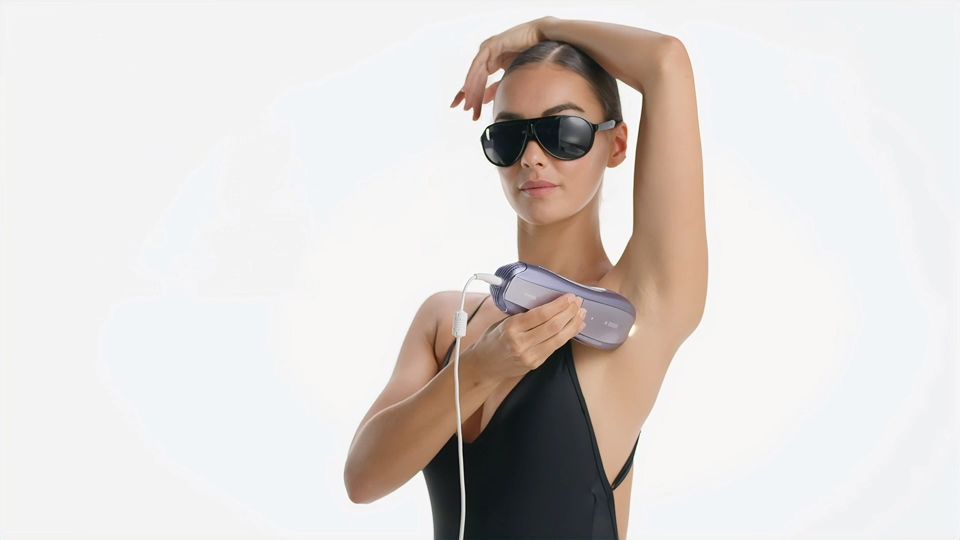
If you prefer to manage upper lip regrowth at home, modern Intense Pulsed Light (IPL) hair removers are a great choice for gradual, longer-term hair reduction. Unlike professional laser, IPL uses broad-spectrum light that is absorbed by the melanin in the hair and converted into heat, helping reduce regrowth with consistent treatment.
IPL tends to work best when there is a clear contrast between darker hair and a compatible skin tone, because the light relies on melanin in the hair as its target. It is generally much less effective on very light blonde, red, gray, or white hair. For the upper lip, a compact treatment window and good contact with the skin can make it easier to cover the small area evenly.
Results build gradually rather than appearing after one session, since hairs grow in different cycles. Consistent treatment can reduce how much hair grows back and make ongoing upper-lip maintenance less frequent, but the exact schedule and suitable treatment range depend on the device you use.
Part 9: Best At-Home IPL Devices for Upper Lip Hair Removal
For upper lip hair that keeps coming back, an IPL hair removal device can make regular maintenance easier by reducing regrowth over time.
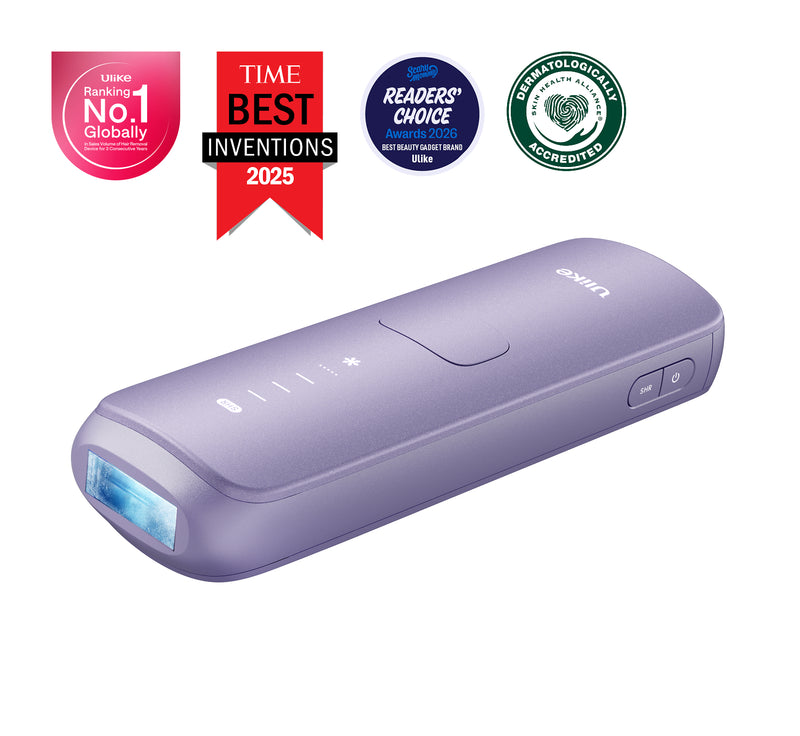
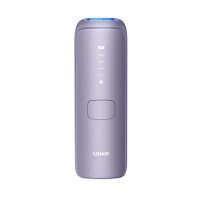
At Ulike, the Air 10 and Air 4 both combine IPL with Sapphire Ice Cooling, but they suit slightly different routines: Air 10 adds stronger tools for stubborn hair, while Air 4 offers a straightforward four-mode setup for different hair types.
Here’s how the two compare for upper-lip use.
Ulike Air 10 for Stubborn Upper Lip Hair
If your upper lip hair is dark, coarse, or particularly persistent, the Ulike Air 10 offers more power and control for stubborn regrowth. Its Dual Lights use two light sources for a wider treatment window and faster energy delivery, while four treatment modes let you match the output more closely to your hair and treatment area.
- 26J SHR mode for stubborn hair: SHR delivers 26J across a four-pulse burst and is designed for resilient hair, including facial hair. Fast, Normal, and High modes cover lighter maintenance through thicker growth, while SHR provides the strongest multi-pulse treatment when needed.
- SkinSensor for compatible modes: In Fast, Normal, and High modes, SkinSensor detects your skin tone and automatically adjusts the energy output, stopping flashes when the detected tone is outside the suitable range.
- Cooling for a more comfortable facial routine: Sapphire Ice Cooling keeps the contact surface at around 65°F, helping manage heat on sensitive areas such as the upper lip.
In SGS testing, Air 10 achieved 96% hair-density reduction after two weeks in the tested area with SHR-mode use. Individual results vary, and IPL works best when there is enough contrast between darker hair pigment and a compatible skin tone.

Ulike Air 4 for an Easy-to-Adapt IPL Routine
The Ulike Air 4 is a more straightforward option if you want several clearly defined modes without needing Air 10’s Dual Lights or SkinSensor. It reaches a 24J maximum output with an energy density of 7.2J/cm², giving you enough flexibility to treat everything from fine regrowth to coarser hair.
- Four modes for different hair types: Soft mode suits fine hair and touch-ups, Body mode balances power for fine-to-normal growth, Power mode increases intensity for thicker hair, and USHR uses multi-pulse bursts for coarse or stubborn hair.
- Sapphire Ice Cooling: The flash window stays at around 64.4°F for up to 30 minutes, helping keep repeated treatments comfortable.
- Fast operation when you use it elsewhere too: Air 4 can flash as quickly as 0.4 seconds and supports AutoGlide for larger treatment areas, although the small upper-lip area calls for more controlled placement rather than fast gliding.
SGS testing measured 95.8% hair-density reduction after four weeks in the tested area. As with any IPL device, results depend on your natural hair color, skin tone, growth cycle, and consistency.

Part 10: How to Choose the Right Upper Lip Hair Removal Method
Before choosing, decide whether you want an instant cosmetic result or gradual hair reduction. You can then narrow the options using your hair type, skin response, pain tolerance, maintenance needs, and overall budget.
Consider Whether Your Hair Is Fine or Coarse
First, fine peach fuzz is easy to shave or thread, while a few coarse hairs may be quicker to tweeze. Dense, dark growth may respond to laser or compatible IPL because its pigment gives the light a clear target.
Hormonal changes can affect female upper lip hair removal, so your results may shift over time. Light-colored coarse hair is more likely to suit electrolysis than a light-based treatment.
Think About Skin Sensitivity and Irritation
Next, consider how your skin reacts to friction, heat, adhesives, fragrances, and active chemicals. Sensitive or acne-prone skin may tolerate skilled threading better than waxing or a depilatory cream, but individual reactions differ.
Patch-test new products and pause treatment if you develop burning, marked swelling, blistering, or persistent discoloration.
Compare Temporary Removal With Longer-Term Reduction
Then, match the method to your goal. Shaving and creams manage visible hair, while tweezing, threading, waxing, and sugaring remove hair from the root. Laser and IPL aim for longer-term reduction and may require maintenance. Electrolysis targets permanent removal follicle by follicle.
Think about how soon you need results, how frequently you can repeat treatment, and whether gradual change fits your expectations.
Consider Pain Tolerance, Maintenance, and Cost
Finally, weigh the whole routine rather than the appointment alone. Shaving is low-cost but frequent. Threading and waxing spread the cost across recurring salon visits. Home IPL requires a larger initial purchase and consistent sessions, while professional laser and electrolysis involve a course of appointments.
Ask yourself how much stinging you can tolerate, whether you can follow a treatment schedule, and whether local US provider rates fit your budget.
Part 11: How to Prevent Irritation After Upper Lip Hair Removal
After using any method, treat your upper lip as freshly stressed skin. A calm routine can reduce redness, stinging, and clogged follicles without adding more friction.
- Cool the area: Apply a clean, cool compress for a few minutes. Avoid rubbing the skin or pressing ice directly against it.
- Keep skincare simple: Use a gentle cleanser and fragrance-free moisturizer. Pause scrubs, exfoliating acids, retinoids, and strong acne products until your skin feels normal.
- Limit heat and friction: Skip hot showers, steam rooms, and intense exercise for the period stated in your treatment instructions.
- Protect against sunlight: Apply a broad-spectrum SPF 30 or higher once your skin can tolerate product application.
- Watch your skin’s response: Seek medical advice for blisters, spreading redness, drainage, severe pain, or discoloration that does not settle.
Part 12: Conclusion
Ultimately, the right upper lip hair removal method is one you can use safely and consistently without creating more skin trouble than it solves. Start with your main priority: speed, precision, longer smoothness, or reduced regrowth. Then consider your hair color, coarseness, skin tone, sensitivity, and the time you can give to upkeep.
A patch test and conservative technique are especially useful on this visible and delicate area. If your facial hair suddenly becomes much denser or appears with changes such as irregular periods or new acne, speak with a US-licensed healthcare professional. That conversation can address the underlying cause as well as the cosmetic result, giving you a more informed path forward.
Part 13: Frequently Asked Questions
Q1: What is the best method for removing upper lip hair?
The best method depends on your skin sensitivity, pain tolerance, budget, and preferred maintenance. Shaving offers fast, painless removal, while threading, waxing, and sugaring remove hair from the root for longer-lasting smoothness. IPL and professional laser treatments can provide long-term reduction for compatible hair and skin tones. Electrolysis is suitable for permanent removal across different hair colors.
Q2: What is the safest way to remove upper lip hair?
There is no single safest method for everyone. Careful shaving with a clean facial razor is a simple option that avoids pulling hair from the root, while professional threading may work well if you prefer chemical-free removal. Waxing, depilatory creams, laser, and IPL can also be used safely when they suit your skin and you follow the instructions. Patch-test new products and avoid treating irritated or broken skin.
Q3: How do I stop my upper lip from growing hair?
Electrolysis can permanently stop treated follicles from producing hair, while laser and IPL provide long-term reduction rather than guaranteed permanent removal. Because upper lip hair may be influenced by hormones, sudden or excessive growth should be discussed with a healthcare professional. Prescription creams or hormonal treatments may slow growth when medically appropriate, but they should only be used under professional guidance.
Q4: Is it better to wax or shave my upper lip?
Waxing may be better if you want smoother skin for two to four weeks because it removes hair from the root. However, it can cause pain, redness, or skin lifting, especially when using retinoids. Shaving is faster, painless when performed carefully, and suitable for sensitive skin, but visible regrowth may return within one to three days. Choose based on sensitivity and maintenance preferences.