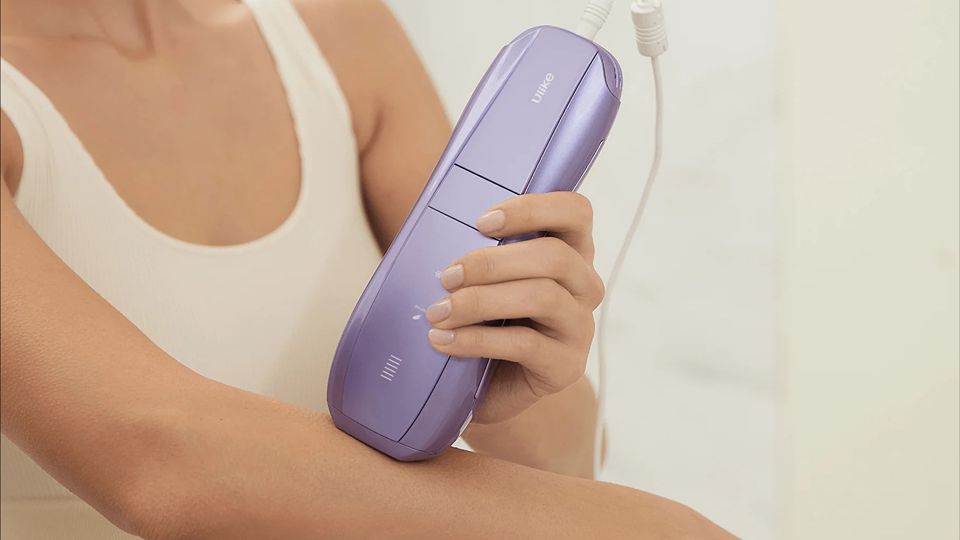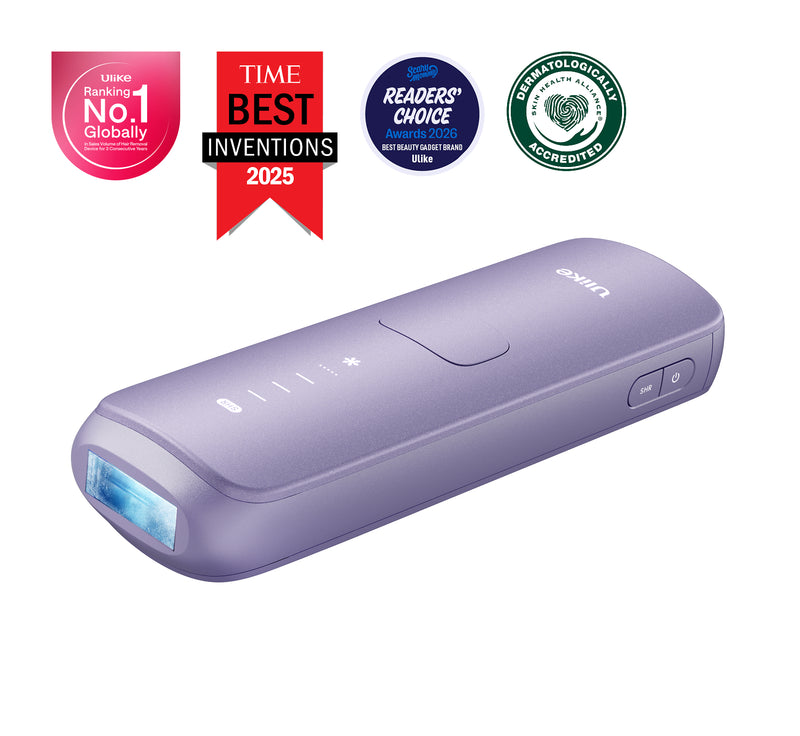
 Ulike ReGlow Pro★ 5.0 (511)




Table of Contents
If shaving, waxing, or plucking feels like a recurring chore, you may be asking, what is laser hair removal, and whether it fits your routine. The treatment uses focused light to reduce future hair growth by heating pigment within the hair and follicle. It can treat small facial areas or larger zones such as the legs and back.
Results develop across several appointments because hairs do not grow on the same schedule. Skin tone, hair color, treatment area, device choice, and provider skill also shape the outcome. For most U.S. patients, this is a cosmetic expense that health insurance does not cover. This guide explains the technology, session steps, recovery, timing, and at-home IPL alternatives so you can set realistic expectations.

Table of Contents:
- Part 1: What Is Laser Hair Removal?
- Part 2: How Laser Hair Removal Works
- Part 3: Types of Laser Hair Removal
- Part 4: Common Treatment Areas
- Part 5: Can You Do Laser Hair Removal on Your Face?
- Part 6: The Laser Hair Removal Process Step by Step
- Part 7: How Long Does Laser Hair Removal Take?
- Part 8: Who Is a Good Candidate?
- Part 9: At-Home IPL Devices vs. Professional Laser Treatment
- Part 10: Best At-Home IPL Devices for Convenient Hair Reduction
- Part 11: Conclusion
- Part 12: Frequently Asked Questions
Part 1: What Is Laser Hair Removal?
To begin with, laser hair removal is a noninvasive cosmetic treatment that directs concentrated light into pigmented hair follicles. The absorbed energy converts to heat, damages growth-producing structures, and reduces how much hair returns over time. It is better described as long-term hair reduction than instant removal.
The main laser hair removal benefits include longer-lasting smoothness than shaving or waxing, less routine upkeep, and fewer ingrown hairs for some people. However, lighter regrowth and maintenance sessions may still occur.
The main laser hair removal risks include temporary redness, swelling, discomfort, and pigment changes. Blistering, scarring, or texture changes are less common but possible, especially when settings do not suit the person’s skin.
Part 2: How Laser Hair Removal Works
With the basic definition clear, the science is easier to follow. Laser energy targets melanin, the pigment that gives hair its color, while the device and cooling system aim to limit heat reaching nearby skin.
The process works like this:
- 1. The laser sends a selected wavelength into the skin.
- 2. Dark pigment in the hair absorbs the light.
- 3. The absorbed light changes into heat.
- 4. Heat disrupts cells involved in future hair growth.
- 5. Treated hair sheds gradually, while later sessions target other active follicles.
Hair responds best during the anagen, or active growth, phase. Because nearby follicles can sit in different phases, one appointment cannot address every hair. Laser type, wavelength, pulse length, energy level, spot size, and cooling must match the treatment area and skin profile.
Part 3: Types of Laser Hair Removal
When comparing the types of laser hair removal, focus on wavelength, depth, melanin absorption, and the clinician’s experience. No single laser suits every skin tone, hair thickness, and treatment area.
Alexandrite Laser
For lighter skin tones with dark hair, the alexandrite laser is a common option. It uses a wavelength around 755 nanometers and can cover larger areas efficiently because many systems use broad spot sizes and quick repetition rates.
Its stronger attraction to melanin can make it effective for pigmented hair, but it also requires careful settings when the skin contains more melanin. A trained provider may choose another wavelength for deeper skin tones or recently tanned skin.
Diode Laser
Moving deeper into the skin, diode systems commonly operate near 800 to 810 nanometers. They can treat coarse, dark hair and may suit a wider range of skin tones when the operator adjusts fluence, pulse duration, and cooling correctly.
The deeper penetration helps the beam reach follicles while reducing some surface pigment absorption. Treatment comfort varies by body area and device design. Comparative research has found diode systems suitable for darker skin types when clinicians use appropriate settings.
Nd:YAG Laser
For melanin-rich skin, long-pulsed Nd:YAG is often considered because its 1064-nanometer wavelength travels deeper and interacts less strongly with epidermal melanin. That difference can lower the chance of overheating the skin surface when an experienced provider chooses the settings.
The trade-off is that Nd:YAG may respond less strongly to fine or lightly pigmented hair. It is usually more useful for coarse, dark hair where there is enough pigment to absorb the energy.
Ruby Laser
Looking back at earlier technology, the ruby laser uses a 694-nanometer wavelength. It can target dark hair on lighter skin, but its high melanin absorption limits its suitability for darker or tanned complexions.
Ruby systems also tend to work more slowly than newer devices, so clinics use them less often today. Even so, the technology helped establish the principle of selective heating that modern hair-removal lasers continue to use.
Part 4: Common Treatment Areas
In practical terms, laser hair removal can treat many areas where coarse or recurring hair causes inconvenience. Larger areas generally require more pulses and appointment time.
Common areas include:
- Face: Upper lip, chin, jawline, cheeks, and sideburn area
- Underarms: A smaller area that usually takes less time per visit
- Bikini area: Bikini line or a broader pattern discussed during consultation
- Legs: Lower legs, thighs, or both
- Back: Upper back, lower back, shoulders, or a larger connected zone
Clinics also treat the chest, neck, arms, hands, feet, and abdomen. Providers avoid the eyelids and areas close to the eyes because laser exposure can injure ocular tissue.
Part 5: Can You Do Laser Hair Removal on Your Face?
For facial treatment, the answer to can you do laser hair removal on your face is generally yes, provided the area, hair type, skin tone, and device are suitable. Common targets include the upper lip, chin, jawline, and sideburns.
Facial hair influenced by hormones may return more readily than hair on some body areas, so maintenance can be more important. Fine, blonde, gray, white, or red hairs may also respond poorly because they contain less target pigment.
The provider should protect the eyes, avoid treating over suspicious skin lesions, and select settings carefully around delicate areas. Ask how often the clinic treats your skin tone and facial hair pattern before booking.
Part 6: The Laser Hair Removal Process Step by Step
Once you decide to proceed, the laser hair removal process usually follows a consultation, preparation period, treatment visit, and short recovery phase. Your provider may modify these steps based on medicines, sun exposure, skin conditions, or previous reactions.
Preparation Before Your Appointment
Before the visit, share your medical history, medications, supplements, tendency to scar, recent tan, and history of cold sores. Your provider may advise changes based on your situation.
Avoid waxing, tweezing, or plucking because these methods remove the follicle’s pigment target. Follow the clinic’s shaving instructions, limit tanning and strong sun exposure, and arrive with clean skin unless told otherwise. Do not apply fragrance, deodorant, or heavy lotion to the treatment area.
What Happens During a Session
During treatment, the provider cleans and maps the area, gives you protective eyewear, and selects settings for your skin and hair. A handpiece delivers pulses across the planned zone while cooling may protect the skin surface.
You may feel warmth, brief stings, or a sensation similar to a rubber-band snap. The provider watches for the expected skin response and adjusts settings when needed. Small zones may take minutes, while large areas require more time.
Recovery and Aftercare
Afterward, mild redness and swelling can resemble a light sunburn. A cool compress and gentle, fragrance-free moisturizer may ease discomfort.
Protect the area from direct sun and follow the provider’s sunscreen instructions. Skip hot baths, saunas, vigorous workouts, scrubs, and irritating active ingredients until the skin settles. Avoid picking at shedding hairs or irritated spots.
Contact the clinic for worsening pain, spreading redness, blisters, drainage, or a marked pigment change.
Part 7: How Long Does Laser Hair Removal Take?
For readers typing laser hair removal how long does it take into a search bar, there are two timelines to consider: the appointment itself and the full series. A small facial area may take only a few minutes, while legs or a back session may take close to an hour.
Many people need several appointments spaced roughly four to eight weeks apart, although timing differs by body area and growth cycle. Early sessions often produce visible thinning, followed by slower regrowth.
After the initial course, some people schedule maintenance. Hair color, hormones, skin tone, device settings, and consistency affect the pace and durability of results.
Part 8: Who Is a Good Candidate?
From a practical standpoint, a strong candidate has hair containing enough pigment for the device to detect and skin that can be treated safely with the available wavelength. Dark, coarse hair often responds more predictably than pale or fine hair.
Modern systems can treat a broad range of skin tones, but the provider needs relevant experience and suitable equipment. Ask which laser they plan to use and why it fits your skin.
People who are pregnant, recently tanned, taking photosensitizing medication, prone to keloids, managing an active skin infection, or dealing with herpes outbreaks should discuss timing and precautions with a medical professional.
Part 9: At-Home IPL Devices vs. Professional Laser Treatment
Before choosing a format, note that at-home IPL and clinic laser are related but different technologies. IPL emits a filtered range of wavelengths, while a laser uses a more specific wavelength. Home devices also use lower output so consumers can operate them with built-in safeguards.
| Factor | At-home IPL | Professional laser |
|---|---|---|
| Light source | Broad-spectrum pulsed light | Focused laser wavelength |
| Power | Lower consumer-level output | Higher, professionally controlled output |
| Routine | Frequent home sessions | Appointments spaced by growth cycles |
| Best fit | Ongoing convenience and gradual reduction | Faster treatment of suitable hair with expert settings |
| Main limitation | Requires consistency and compatible skin-hair contrast | Higher visit cost and clinic scheduling |
In the U.S., IPL hair-removal devices fall under Class II medical-device regulation. Check the model’s instructions, skin-tone chart, contraindications, and FDA 510(k) information before use.
Part 10: Best At-Home IPL Devices for Convenient Hair Reduction
For home use, convenience means more than holding a device in your bathroom. The device must suit your skin tone and hair color, cover the target area at a manageable speed, stay comfortable through repeated flashes, and make it easy to follow the schedule.
The Air 10 and Air 4 use IPL rather than a clinic laser, but they serve different priorities. Air 10 emphasizes fast coverage, automatic skin sensing, and higher cumulative energy. Air 4 offers manual mode control in a simpler configuration. Results vary, and sudden or unexplained hair growth deserves medical advice.
Ulike Air 10
For users treating larger areas or coarse regrowth, the Ulike Air 10 is the stronger performance-focused candidate. Its advantage comes from the way dual lamps, a wider window, rapid pulses, skin-tone sensing, and continuous-glide operation work together to reduce missed spots and shorten full-body sessions.

Core Treatment Features
- SHR mode: Delivers four rapid flashes per second with up to 26 joules of cumulative energy
- Dual lights: Increases coverage and speeds up flashing compared with a single-light design
- SkinSensor: Reads skin tone, adjusts output, and stops flashing on areas outside the supported range
Comfort and Coverage
Sapphire Ice Cooling maintains a contact temperature near 65°F, which helps control heat during longer sessions. AutoGlide provides continuous flashes, reducing repeated button presses. The brand estimates a full-body routine can take about 10 minutes.
Why It Stands Out
Air 10 suits users who value faster coverage for stubborn, dark hair. Its automation also reduces the need to choose every energy setting manually.
Ulike Air 4
For users who want flexible intensity without Air 10’s dual-light system and SkinSensor, the Ulike Air 4 offers a distinct middle ground. It prioritizes mode selection, cooling, and steady treatment speed over automatic tone-based adjustment.

Four Treatment Modes
- Soft mode: Faster flashes for fine hair, touch-ups, or sensitive zones
- Body mode: Balanced output for fine-to-normal body hair
- Power mode: Higher intensity for thicker growth
- USHR mode: Multi-pulse bursts designed for coarse, persistent hair
Key Specifications
Air 4 reaches up to 24 joules, offers four adjustable energy levels, and flashes as quickly as 0.4 seconds. AutoGlide supports continuous movement over legs or arms, while the estimated full-body session time is about 12 minutes.
Cooling Advantage
Its sapphire window stays near 64.4°F during use, helping manage heat during repeated flashes. Air 4 suits someone who prefers manual mode control and does not need Air 10’s skin sensing or wider dual-light coverage.
Part 11: Conclusion
Now that you know what is laser hair removal, the next step is not rushing into the nearest appointment. Start with your own priorities: the area you want treated, how much upkeep bothers you, your skin and hair characteristics, and whether you prefer clinic visits or a disciplined home routine.
A consultation should leave you with clear answers about the device, expected session count, provider experience, aftercare, and realistic regrowth. At home, the same careful approach applies: confirm compatibility, read the manual, patch-test as directed, and follow the schedule rather than increasing intensity for faster results.
The right choice is the one that balances safety, consistency, comfort, and expectations you can maintain.
Part 12: Conclusion
Q1: Is it good to do laser hair removal?
Yes, laser hair removal is a good option if you want long-term hair reduction and fewer shaving or waxing sessions. It works best on dark hair because the laser targets melanin in the hair follicle. Most people notice smoother skin after completing multiple sessions, and any hair that returns is often finer, lighter, and less noticeable. Individual results vary based on hair color, skin tone, and hormonal factors.
Q2: Is a little stubble ok for laser hair removal?
Yes, a small amount of stubble is usually fine before a laser hair removal appointment. In fact, providers often recommend shaving the treatment area about 24 hours beforehand. This leaves the hair root intact beneath the skin for the laser to target while minimizing surface hair that could absorb excess heat. Avoid waxing, tweezing, or plucking before treatment because these methods remove the follicle.
Q3: Does hair grow back thicker after laser?
No, laser hair removal does not typically make hair grow back thicker. The laser damages the hair follicle to reduce future growth, so any regrowth is usually finer, softer, and lighter than before. While some people may notice temporary shedding or uneven regrowth between sessions, completing the recommended treatment plan generally leads to longer-lasting hair reduction.