Is Lazer Hair Removal Bad for Your Skin? What to Know
Depilación

Is Lazer Hair Removal Bad for Your Skin? What to Know

A little redness after a laser appointment can look alarming, especially when your goal was smoother skin. That naturally raises the question: is lazer hair removal bad for your skin? For most suitable candidates, professionally performed treatment is generally considered safe, but it is not risk-free. The laser creates controlled heat around hair follicles, so temporary irritation can occur while the skin settles. The outcome depends on your skin tone, hair color, medications, sun exposure, device settings, and the provider’s experience. Burns, scarring, and lasting pigment changes are possible when treatment is poorly matched or incorrectly performed. Understanding what is expected—and what deserves medical attention—makes the process much easier to judge. Table of Contents: Part 1: Quick Answer Part 2: How Laser Hair Removal Interacts With Your Skin Part 3: Common Side Effects That Are Temporary and Normal Part 4: Serious Risks and When Laser Hair Removal Can Damage Skin Part 5: Does Your Skin Tone Affect Laser Hair Removal Safety? Part 6: Can Laser Hair Removal Cause Cancer? Part 7: Who Should Avoid Laser Hair Removal Part 8: How to Minimize Risks and Protect Your Skin Part 9: Is At-Home Laser Hair Removal Safe? Part 10: At-Home IPL Options for Skin-Friendly Maintenance Part 11: Conclusion Part 12: Frequently Asked Questions Part 1: Quick Answer In most cases, laser hair removal does not damage healthy skin when a trained professional uses suitable equipment and settings. So, is laser hair removal bad for you? Usually not, but temporary redness and swelling are common, while burns or pigment changes can occur if the treatment is unsuitable or poorly performed. Part 2: How Laser Hair Removal Interacts With Your Skin To understand the risk, it helps to look at what the light is actually doing beneath the surface. Laser hair removal uses selective photothermolysis, meaning the device sends a chosen wavelength of light toward melanin in the hair. The pigment absorbs that energy and converts it into heat, which weakens structures involved in future hair growth. The goal is to heat the follicle while limiting heat exposure to nearby skin. Hair must also be in an active growth stage for treatment to work, which is why several sessions are usually needed. When readers ask is laser hair removal harmful, the key issue is not simply the presence of heat. It is whether the wavelength, pulse duration, cooling, and energy level suit the person being treated. Part 3: Common Side Effects That Are Temporary and Normal After treatment, your skin may react in a way that resembles a mild sunburn. That response does not automatically mean something went wrong. Redness, slight swelling around follicles, tenderness, itching, and a warm or prickly feeling are among the more common short-term effects. These reactions often improve within several hours, although sensitive areas may take longer to feel normal. Temporary darkening or lightening can also occur, particularly after recent sun exposure. If you are asking is laser hair removal bad because the area looks pink or slightly puffy, monitor whether it is steadily calming down. A cool compress and gentle, fragrance-free skin care may help, provided your clinician has not given different aftercare instructions. Hair shedding during the following days is also expected. Treated hairs may look as though they are growing, but many are working their way out of the follicles. Avoid pulling them out aggressively. Let the skin recover, and use only the exfoliation schedule your provider recommends. Part 4: Serious Risks and When Laser Hair Removal Can Damage Skin The more important concern is whether symptoms are intense, worsening, or slow to heal. Is laser hair removal bad for your skin in those situations? It can be when excessive energy reaches the epidermis, cooling is inadequate, or the laser is poorly matched to skin pigmentation. Potential complications include: Burns, blisters, crusting, or raw skin Persistent dark or light patches Infection, delayed healing, or scarring Eye injury when suitable protection is not used Risk rises when someone treats recently tanned skin, overlaps pulses repeatedly, uses excessive energy, or fails to cool the epidermis. The face, bikini line, and other sensitive zones may also need different settings from the legs or back. Contact a healthcare professional if you develop significant blistering, increasing pain, pus, spreading redness, fever, or any change in vision. These effects are less typical than mild irritation and deserve timely assessment rather than home experimentation. Part 5: Does Your Skin Tone Affect Laser Hair Removal Safety? Skin tone matters because both skin and hair contain melanin. When the surrounding skin absorbs too much energy, the risk of overheating and pigment changes rises. This does not mean people with brown or Black skin must rule out treatment. It means the provider must select an appropriate laser, pulse duration, energy level, and cooling method. Longer-wavelength systems, including certain Nd:YAG lasers, can reduce epidermal melanin absorption and are often considered for deeper skin tones. Lower fluence, longer pulses, and effective cooling may also reduce thermal injury. Ask how often the provider treats people with your complexion and request a test spot before a full session. A test spot is useful because two people with a similar visible skin tone may respond differently due to tanning, medications, sensitivity, or previous inflammation. Give the spot enough time to show delayed pigment changes before treating a large area. The right experience matters as much as the machine’s brand name. Part 6: Can Laser Hair Removal Cause Cancer? The cancer concern usually comes from the word “radiation,” but not all radiation behaves the same way. Hair-removal lasers use non-ionizing light, unlike ionizing radiation from X-rays. Current evidence has not established laser hair removal as a cause of skin cancer. Long-term research is not unlimited, so sensible caution still matters. Avoid flashing directly over suspicious, changing, or atypical moles. Anyone with a personal or strong family history of skin cancer should discuss cosmetic laser treatment with a dermatologist before proceeding. A provider should also examine unusual spots rather than treating over them. This approach separates a theoretical fear from the practical need to protect and monitor existing skin lesions. Part 7: Who Should Avoid Laser Hair Removal Some people should postpone treatment, while others need medical clearance and adjusted settings. Pregnancy is a common example. Cosmetic hair-removal lasers are generally deferred because direct safety data are limited and the procedure is elective, not because harm has been clearly demonstrated. You should also speak with a dermatologist before treatment if you have: An active skin infection or open wound A recent tan or sunburn A history of keloid scars Recurring cold sores or genital herpes Suspicious or changing moles A personal history of skin cancer Share every prescription, over-the-counter medicine, and supplement you use. Photosensitizing medicines can make skin react more strongly to light. Active eczema, psoriasis flares, or severe irritation in the treatment area may also justify waiting until the skin barrier has recovered. A clinician can decide whether postponement, a test spot, or different settings are appropriate. Anyone taking isotretinoin should ask the prescribing dermatologist about timing. U.S. medication guidance warns that laser skin procedures during treatment, and for a period afterward, may increase scarring risk. Part 8: How to Minimize Risks and Protect Your Skin Good preparation begins before the first pulse. Choose a board-certified dermatologist or an experienced clinician who regularly treats your skin tone. Ask which device will be used, why its wavelength suits you, who will perform the procedure, and what emergency support is available if your skin reacts badly. A practical safety routine includes: Limit tanning: Avoid tanning beds, sunless tanners, and deliberate sun exposure before treatment. Protect exposed skin: Use broad-spectrum, water-resistant SPF 30 or higher as directed. Keep the follicle intact: Shave as instructed, but avoid waxing, threading, tweezing, or plucking before sessions. Simplify aftercare: Skip hot baths, saunas, intense exercise, fragranced products, and harsh exfoliants until irritation settles. Follow the clinic’s timing rather than copying another person’s routine. Skin sensitivity, body area, and device settings can change the safest plan. Afterward, photograph any unusual reaction in consistent lighting and contact the clinic before applying strong creams or home remedies. Early advice can prevent a manageable irritation from becoming harder to assess. Keep the area clean, cool, moisturized, and protected from direct sun while it settles. Part 9: Is At-Home Laser Hair Removal Safe? At-home devices can be safe for suitable users who follow the instructions carefully, but many products marketed as “laser” devices actually use intense pulsed light, or IPL. IPL sends broad-spectrum pulses rather than a single laser wavelength. In the U.S., these light-based hair-removal devices fall under medical-device oversight, and some are cleared for over-the-counter home use. Home devices usually operate at lower energy than clinic equipment, so results may take longer and require maintenance. Check the skin-tone and hair-color chart before buying. Do a patch test, use the supplied eye protection when directed, and avoid tattoos, dark moles, broken skin, and areas excluded by the manual. A home device is not a shortcut around a medical consultation. People with very dark skin, light blonde or gray hair, photosensitive conditions, or medicines that increase light sensitivity should seek professional advice first. Part 10: At-Home IPL Options for Skin-Friendly Maintenance For at-home maintenance, comfort features matter because consistency is easier when each session feels manageable. Cooling at the treatment window can reduce heat buildup, while glide modes help cover legs, arms, or the torso without constant button pressing. A skin sensor is useful when the device needs to lower power or stop flashing on unsuitable areas. The Air 10 focuses on faster coverage, automatic skin sensing, and higher-output treatment modes. The Air 4 takes a simpler route with four adjustable modes, a cooled window, and a straightforward full-body routine. Both remain IPL devices, so users should check compatibility rather than assuming they work for every skin and hair combination. Ulike Air 10: Cooling IPL Technology for a More Comfortable Hair Removal Experience For users who want faster full-body sessions without giving up cooling support, the Ulike Air 10 is the more feature-heavy option. Its dual-light design, wider window, and continuous AutoGlide mode are useful for larger areas, while the SkinSensor automatically adjusts output and can stop flashes when an area is too dark. Key specifications Sapphire cooling maintains an approximately 65°F contact temperature. SHR mode delivers a 26-joule, four-pulse burst for coarse or stubborn hair. AutoGlide supports an estimated 10-minute full-body session. Four modes range from fast touch-ups to higher-output treatment. Why it suits comfort-focused maintenance Cooling is the defining advantage here. It helps limit the hot snapping sensation that can make repeated sessions difficult, especially around the bikini line or underarms. The stronger SHR mode also separates it from gentler maintenance-only devices, though users should still begin with an appropriate level and follow the compatibility chart. Listed test results vary by treatment area and individual use. Ulike Air 4: Gentle, User-Friendly IPL Hair Removal for Everyday Skin Maintenance The Ulike Air 4 suits someone who wants a simpler routine with clear power choices. Instead of centering the experience on automatic skin adjustment, it offers four treatment modes for fine hair, regular body hair, thicker growth, and stubborn areas. That makes it easier to match the setting to the body zone without navigating a complicated control system. Key specifications Sapphire cooling keeps the flash window near 64.4°F during use. Maximum output is listed at 24 joules and 7.2 J/cm². The fastest flash interval is 0.4 seconds. AutoGlide supports a listed 12-minute full-body treatment. Why it works for everyday upkeep The soft and body modes make sense for touch-ups and less coarse hair, while power and USHR modes add flexibility for denser growth. Its cooled contact surface is especially helpful for users who dislike heat buildup during repeated passes. The Air 4 is not suited to every complexion or hair color, so compatibility and a patch test remain essential. Part 11: Conclusion So, is lazer hair removal bad for your skin? The most useful answer depends less on fear and more on fit. A suitable device, conservative settings, honest medical history, careful sun protection, and an experienced provider can make a meaningful difference to the outcome. Treat temporary redness as something to watch, not something to ignore or panic over. More severe symptoms, unusual pigment changes, or delayed healing deserve professional advice. For home IPL, read the compatibility chart and instructions as carefully as you would for any other skin device. The safest choice is the one that matches your skin tone, hair color, health history, and willingness to follow a consistent aftercare routine. Part 12: Frequently Asked Questions Q1: Is laser hair removal bad for your skin long term? Laser hair removal is generally considered safe over the long term when performed correctly by a qualified professional. The treatment uses non-ionizing light, which does not damage DNA or increase cancer risk. While some people may experience temporary pigment changes, current research has not found evidence of lasting systemic health problems from properly administered laser hair removal. Q2: Can you squeeze out hair follicles after laser? No, you should not squeeze, pick, or pull treated hairs after laser hair removal. Doing so can irritate the skin, increase the risk of infection, and cause scarring or dark spots. Instead, allow the treated hairs to shed naturally over the next 1 to 3 weeks, as this is a normal part of the hair removal process. Q3: What are the negatives of laser hair removal? Laser hair removal has some drawbacks, including temporary redness, swelling, and occasional changes in skin pigmentation. Rare complications such as burns or blisters can occur if the treatment is performed incorrectly. It also requires multiple sessions for the best results, ongoing maintenance treatments for some people, and careful sun protection before and after each appointment.
4 ago 2026
Share:

Up to 40% Off
Limited stock. Limited time.

Buy Now
Table of Contents

A little redness after a laser appointment can look alarming, especially when your goal was smoother skin. That naturally raises the question: is lazer hair removal bad for your skin? For most suitable candidates, professionally performed treatment is generally considered safe, but it is not risk-free. The laser creates controlled heat around hair follicles, so temporary irritation can occur while the skin settles.


The outcome depends on your skin tone, hair color, medications, sun exposure, device settings, and the provider’s experience. Burns, scarring, and lasting pigment changes are possible when treatment is poorly matched or incorrectly performed. Understanding what is expected—and what deserves medical attention—makes the process much easier to judge.


Woman removing hair

Table of Contents:

Part 1: Quick Answer

In most cases, laser hair removal does not damage healthy skin when a trained professional uses suitable equipment and settings. So, is laser hair removal bad for you? Usually not, but temporary redness and swelling are common, while burns or pigment changes can occur if the treatment is unsuitable or poorly performed.

Part 2: How Laser Hair Removal Interacts With Your Skin

To understand the risk, it helps to look at what the light is actually doing beneath the surface. Laser hair removal uses selective photothermolysis, meaning the device sends a chosen wavelength of light toward melanin in the hair. The pigment absorbs that energy and converts it into heat, which weakens structures involved in future hair growth.


The goal is to heat the follicle while limiting heat exposure to nearby skin. Hair must also be in an active growth stage for treatment to work, which is why several sessions are usually needed.


When readers ask is laser hair removal harmful, the key issue is not simply the presence of heat. It is whether the wavelength, pulse duration, cooling, and energy level suit the person being treated.

Part 3: Common Side Effects That Are Temporary and Normal

After treatment, your skin may react in a way that resembles a mild sunburn. That response does not automatically mean something went wrong. Redness, slight swelling around follicles, tenderness, itching, and a warm or prickly feeling are among the more common short-term effects.


These reactions often improve within several hours, although sensitive areas may take longer to feel normal. Temporary darkening or lightening can also occur, particularly after recent sun exposure.


If you are asking is laser hair removal bad because the area looks pink or slightly puffy, monitor whether it is steadily calming down. A cool compress and gentle, fragrance-free skin care may help, provided your clinician has not given different aftercare instructions.


Hair shedding during the following days is also expected. Treated hairs may look as though they are growing, but many are working their way out of the follicles. Avoid pulling them out aggressively. Let the skin recover, and use only the exfoliation schedule your provider recommends.

Part 4: Serious Risks and When Laser Hair Removal Can Damage Skin

The more important concern is whether symptoms are intense, worsening, or slow to heal. Is laser hair removal bad for your skin in those situations? It can be when excessive energy reaches the epidermis, cooling is inadequate, or the laser is poorly matched to skin pigmentation.


Potential complications include:

  • Burns, blisters, crusting, or raw skin
  • Persistent dark or light patches
  • Infection, delayed healing, or scarring
  • Eye injury when suitable protection is not used

Risk rises when someone treats recently tanned skin, overlaps pulses repeatedly, uses excessive energy, or fails to cool the epidermis. The face, bikini line, and other sensitive zones may also need different settings from the legs or back.


Contact a healthcare professional if you develop significant blistering, increasing pain, pus, spreading redness, fever, or any change in vision. These effects are less typical than mild irritation and deserve timely assessment rather than home experimentation.

Part 5: Does Your Skin Tone Affect Laser Hair Removal Safety?

Skin tone matters because both skin and hair contain melanin. When the surrounding skin absorbs too much energy, the risk of overheating and pigment changes rises.


This does not mean people with brown or Black skin must rule out treatment. It means the provider must select an appropriate laser, pulse duration, energy level, and cooling method.


Longer-wavelength systems, including certain Nd:YAG lasers, can reduce epidermal melanin absorption and are often considered for deeper skin tones. Lower fluence, longer pulses, and effective cooling may also reduce thermal injury. Ask how often the provider treats people with your complexion and request a test spot before a full session.


A test spot is useful because two people with a similar visible skin tone may respond differently due to tanning, medications, sensitivity, or previous inflammation. Give the spot enough time to show delayed pigment changes before treating a large area. The right experience matters as much as the machine’s brand name.

Part 6: Can Laser Hair Removal Cause Cancer?

The cancer concern usually comes from the word “radiation,” but not all radiation behaves the same way. Hair-removal lasers use non-ionizing light, unlike ionizing radiation from X-rays. Current evidence has not established laser hair removal as a cause of skin cancer.


Long-term research is not unlimited, so sensible caution still matters. Avoid flashing directly over suspicious, changing, or atypical moles.


Anyone with a personal or strong family history of skin cancer should discuss cosmetic laser treatment with a dermatologist before proceeding. A provider should also examine unusual spots rather than treating over them. This approach separates a theoretical fear from the practical need to protect and monitor existing skin lesions.

Part 7: Who Should Avoid Laser Hair Removal

Some people should postpone treatment, while others need medical clearance and adjusted settings. Pregnancy is a common example. Cosmetic hair-removal lasers are generally deferred because direct safety data are limited and the procedure is elective, not because harm has been clearly demonstrated.


You should also speak with a dermatologist before treatment if you have:

  • An active skin infection or open wound
  • A recent tan or sunburn
  • A history of keloid scars
  • Recurring cold sores or genital herpes
  • Suspicious or changing moles
  • A personal history of skin cancer

Share every prescription, over-the-counter medicine, and supplement you use. Photosensitizing medicines can make skin react more strongly to light.


Active eczema, psoriasis flares, or severe irritation in the treatment area may also justify waiting until the skin barrier has recovered. A clinician can decide whether postponement, a test spot, or different settings are appropriate.


Anyone taking isotretinoin should ask the prescribing dermatologist about timing. U.S. medication guidance warns that laser skin procedures during treatment, and for a period afterward, may increase scarring risk.

Part 8: How to Minimize Risks and Protect Your Skin

Good preparation begins before the first pulse. Choose a board-certified dermatologist or an experienced clinician who regularly treats your skin tone.


Ask which device will be used, why its wavelength suits you, who will perform the procedure, and what emergency support is available if your skin reacts badly.


A practical safety routine includes:

  • Limit tanning: Avoid tanning beds, sunless tanners, and deliberate sun exposure before treatment.
  • Protect exposed skin: Use broad-spectrum, water-resistant SPF 30 or higher as directed.
  • Keep the follicle intact: Shave as instructed, but avoid waxing, threading, tweezing, or plucking before sessions.
  • Simplify aftercare: Skip hot baths, saunas, intense exercise, fragranced products, and harsh exfoliants until irritation settles.

Follow the clinic’s timing rather than copying another person’s routine. Skin sensitivity, body area, and device settings can change the safest plan.


Afterward, photograph any unusual reaction in consistent lighting and contact the clinic before applying strong creams or home remedies. Early advice can prevent a manageable irritation from becoming harder to assess. Keep the area clean, cool, moisturized, and protected from direct sun while it settles.

Part 9: Is At-Home Laser Hair Removal Safe?

At-home devices can be safe for suitable users who follow the instructions carefully, but many products marketed as “laser” devices actually use intense pulsed light, or IPL.


IPL sends broad-spectrum pulses rather than a single laser wavelength. In the U.S., these light-based hair-removal devices fall under medical-device oversight, and some are cleared for over-the-counter home use.


Home devices usually operate at lower energy than clinic equipment, so results may take longer and require maintenance. Check the skin-tone and hair-color chart before buying.


Do a patch test, use the supplied eye protection when directed, and avoid tattoos, dark moles, broken skin, and areas excluded by the manual.


A home device is not a shortcut around a medical consultation. People with very dark skin, light blonde or gray hair, photosensitive conditions, or medicines that increase light sensitivity should seek professional advice first.

Part 10: At-Home IPL Options for Skin-Friendly Maintenance

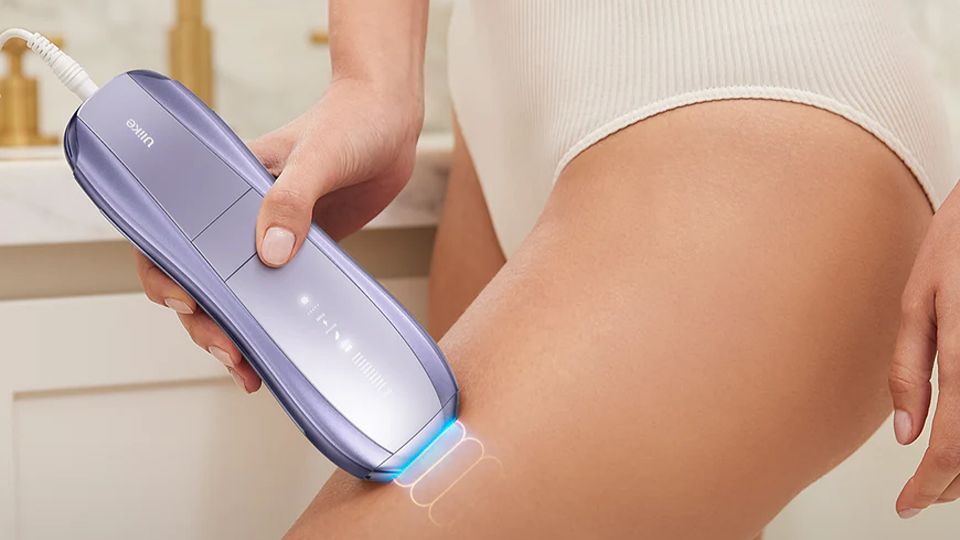
For at-home maintenance, comfort features matter because consistency is easier when each session feels manageable. Cooling at the treatment window can reduce heat buildup, while glide modes help cover legs, arms, or the torso without constant button pressing.


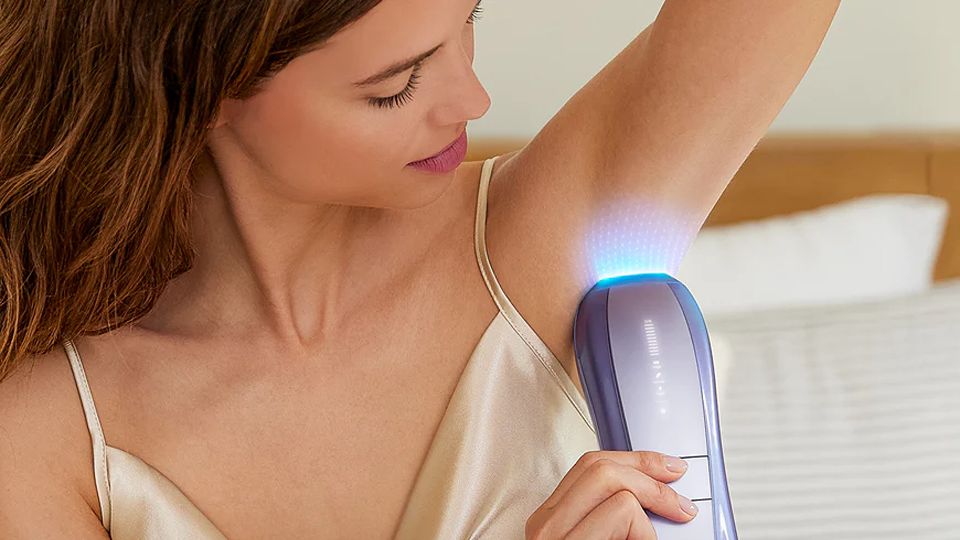
A skin sensor is useful when the device needs to lower power or stop flashing on unsuitable areas.


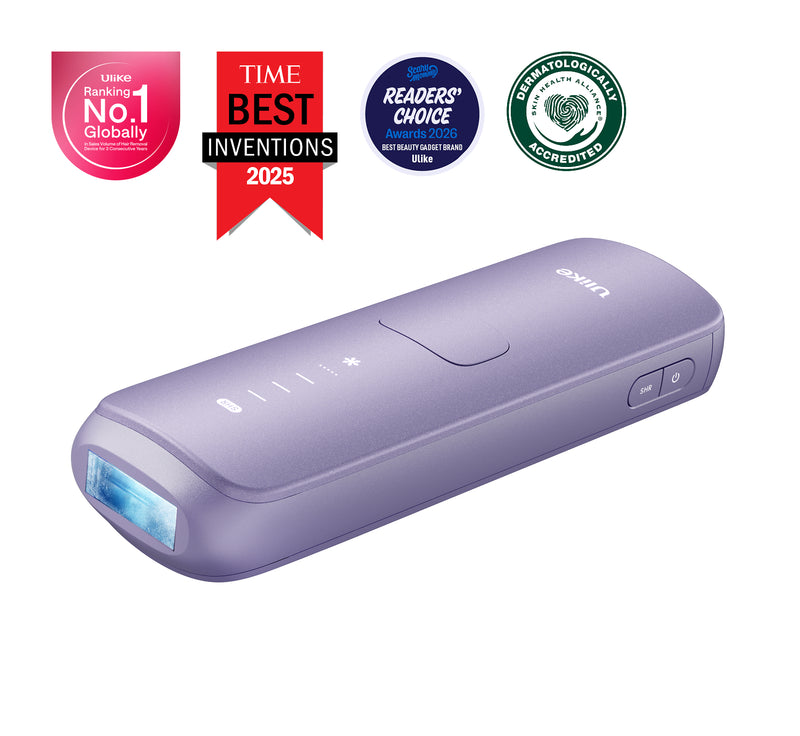
The Air 10 focuses on faster coverage, automatic skin sensing, and higher-output treatment modes. The Air 4 takes a simpler route with four adjustable modes, a cooled window, and a straightforward full-body routine.


Both remain IPL devices, so users should check compatibility rather than assuming they work for every skin and hair combination.

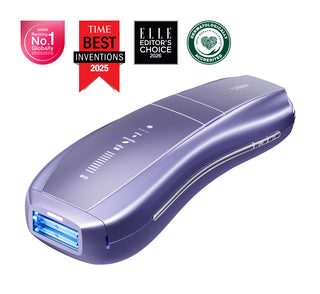
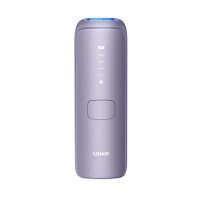
Ulike Air 10: Cooling IPL Technology for a More Comfortable Hair Removal Experience

For users who want faster full-body sessions without giving up cooling support, the Ulike Air 10 is the more feature-heavy option.


Its dual-light design, wider window, and continuous AutoGlide mode are useful for larger areas, while the SkinSensor automatically adjusts output and can stop flashes when an area is too dark.


Ulike Air 10

Key specifications

  • Sapphire cooling maintains an approximately 65°F contact temperature.
  • SHR mode delivers a 26-joule, four-pulse burst for coarse or stubborn hair.
  • AutoGlide supports an estimated 10-minute full-body session.
  • Four modes range from fast touch-ups to higher-output treatment.

Why it suits comfort-focused maintenance

  • Cooling is the defining advantage here. It helps limit the hot snapping sensation that can make repeated sessions difficult, especially around the bikini line or underarms.
  • The stronger SHR mode also separates it from gentler maintenance-only devices, though users should still begin with an appropriate level and follow the compatibility chart. Listed test results vary by treatment area and individual use.

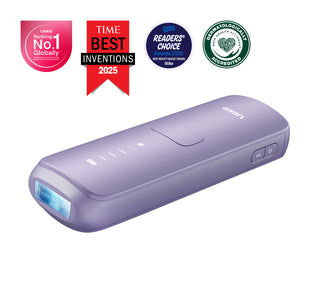
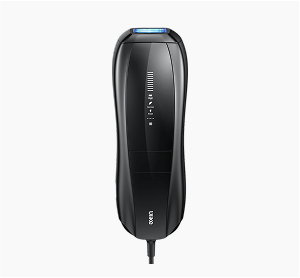
Ulike Air 4: Gentle, User-Friendly IPL Hair Removal for Everyday Skin Maintenance

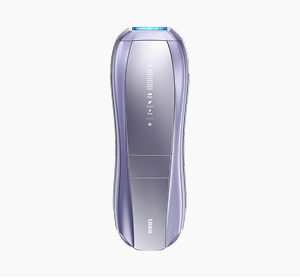
The Ulike Air 4 suits someone who wants a simpler routine with clear power choices. Instead of centering the experience on automatic skin adjustment, it offers four treatment modes for fine hair, regular body hair, thicker growth, and stubborn areas. That makes it easier to match the setting to the body zone without navigating a complicated control system.


Ulike Air 4

Key specifications

  • Sapphire cooling keeps the flash window near 64.4°F during use.
  • Maximum output is listed at 24 joules and 7.2 J/cm².
  • The fastest flash interval is 0.4 seconds.
  • AutoGlide supports a listed 12-minute full-body treatment.

Why it works for everyday upkeep

  • The soft and body modes make sense for touch-ups and less coarse hair, while power and USHR modes add flexibility for denser growth.
  • Its cooled contact surface is especially helpful for users who dislike heat buildup during repeated passes. The Air 4 is not suited to every complexion or hair color, so compatibility and a patch test remain essential.

Part 11: Conclusion

So, is lazer hair removal bad for your skin? The most useful answer depends less on fear and more on fit. A suitable device, conservative settings, honest medical history, careful sun protection, and an experienced provider can make a meaningful difference to the outcome.


Treat temporary redness as something to watch, not something to ignore or panic over. More severe symptoms, unusual pigment changes, or delayed healing deserve professional advice.


For home IPL, read the compatibility chart and instructions as carefully as you would for any other skin device. The safest choice is the one that matches your skin tone, hair color, health history, and willingness to follow a consistent aftercare routine.

Part 12: Frequently Asked Questions

Q1: Is laser hair removal bad for your skin long term?

Laser hair removal is generally considered safe over the long term when performed correctly by a qualified professional. The treatment uses non-ionizing light, which does not damage DNA or increase cancer risk. While some people may experience temporary pigment changes, current research has not found evidence of lasting systemic health problems from properly administered laser hair removal.

Q2: Can you squeeze out hair follicles after laser?

No, you should not squeeze, pick, or pull treated hairs after laser hair removal. Doing so can irritate the skin, increase the risk of infection, and cause scarring or dark spots. Instead, allow the treated hairs to shed naturally over the next 1 to 3 weeks, as this is a normal part of the hair removal process.

Q3: What are the negatives of laser hair removal?

Laser hair removal has some drawbacks, including temporary redness, swelling, and occasional changes in skin pigmentation. Rare complications such as burns or blisters can occur if the treatment is performed incorrectly. It also requires multiple sessions for the best results, ongoing maintenance treatments for some people, and careful sun protection before and after each appointment.
Anterior
How Many Sessions for Laser Hair Removal Do You Need?
Siguiente
What Is Laser Hair Removal? How It Works and What to Expect
Share:

Featured Products

Ulike Air 10

Ulike Air 10

2 weeks to silky smooth skin.

96% Hair Density Reduction

The next-generation in simple,

lasting hair removal.

 $259.00 $349.00
Learn More
Is Lazer Hair Removal Bad for Your Skin? What to Know

Is Lazer Hair Removal Bad for Your Skin? What to Know

A little redness after a laser appointment can look alarming, especially when your goal was smoo...
4 ago 2026
How Many Sessions for Laser Hair Removal Do You Need?

How Many Sessions for Laser Hair Removal Do You Need?

Laser hair removal can simplify grooming, but it works as a course rather than a one-visit fix. ...
4 ago 2026
Does Laser Hair Removal Work for Everyone?

Does Laser Hair Removal Work for Everyone?

Let’s start with the question most people ask before booking an appointment: does laser hair rem...
4 ago 2026
Ulike Air 10

Ulike Air 10

The next-generation in simple,

lasting hair removal.

Learn More

Explore Beauty

Ulike Air 10

2 weeks to silky smooth skin.

96% Hair Density Reduction in 2 Weeks

Ulike Air 3

3 weeks to silky smooth skin.

93% Hair Density Reduction in 4 Weeks

Ulike Air 4

4 weeks to silky smooth skin.

95.8% hair reduction in just 2 weeks*

Ulike Reglow

Clearer skin in 2 weeks: Fewer breakouts
Smoother skin in 4 weeks: Fewer lines, firmer feel

Deja un comentario

Todos los comentarios son moderados antes de ser publicados.

Back to top