 Ulike ReGlow Pro★ 5.0 (511)




-
Blue light (415-465nm) targets acne-causing bacteria on the skin's surface.
-
It works best combined with red light, which calms the inflammation that follows.
-
Blue light carries a higher hyperpigmentation risk for some deeper skin tones.
-
Most people need 4-6 weeks of consistent use before seeing meaningful improvement.
Blue light therapy for acne shows up constantly in skincare conversations, but it's also one of the most misunderstood wavelengths on the LED spectrum. Some brands market it as a cure-all, while others warn against it for certain skin tones. Here's what blue light actually does, how it compares to red light, and how to use it without doing more harm than good.
Part of the confusion comes from the fact that acne itself has so many different drivers — bacteria, excess oil, hormones, inflammation, clogged pores — and no single wavelength addresses all of them at once. Understanding exactly which part of the acne process blue light targets makes it much easier to set realistic expectations and use it correctly alongside the rest of your routine.

Table of Contents:
- Part 1: How Does Blue Light Therapy Work for Acne?
- Part 2: Does Blue Light Therapy Actually Work for Acne?
- Part 3: Who Should Be Cautious With Blue Light Therapy?
- Part 4: Blue Light vs. Traditional Acne Treatments
- Part 5: Red Light vs. Blue Light for Acne
- Part 6: How Ulike ReGlow's Clear Mode Approaches Acne
- Part 7: Getting the Best Results From Blue Light Therapy at Home
- Part 8: Can Blue Light Therapy Help Body Acne, Not Just Facial Breakouts?
- Part 9: How Diet and Lifestyle Interact With Light-Based Acne Treatment
- Part 10: What to Do If Blue Light Therapy Doesn't Seem to Help
- Part 11: How to Explain Blue Light Therapy to Someone Skeptical of It
- Part 12: ReGlow's Clear Mode: A Real Example of Combined Blue, Red, and Infrared Therapy
- Part 13: Conclusion
- Part 14: Frequently Asked Questions
Part 1: How Does Blue Light Therapy Work for Acne?
How Blue Light Targets Bacteria
Blue light, typically in the 415-465nm range, works differently than red or infrared light. Instead of stimulating collagen deep in the dermis, blue light acne treatment targets the skin's surface, where it interacts with porphyrins — compounds naturally produced by acne-causing bacteria (Cutibacterium acnes). When blue light hits these porphyrins, it triggers a photochemical reaction that helps reduce the bacteria population, which can calm breakouts over time.
Why Combination Devices Work Better
This is fundamentally different from how red light works, which is why the strongest acne-focused devices tend to combine both: blue light to address bacteria, red light to calm the inflammation that follows a breakout. Using blue light in isolation may reduce bacteria, but it does little for the redness and swelling that make active breakouts look and feel worse — which is the gap red light is specifically suited to fill.
Part 2: Does Blue Light Therapy Actually Work for Acne?
The Evidence Behind Blue Light
Clinical interest in blue light for acne dates back decades, and it remains one of the more evidence-backed uses of at-home LED devices. That said, results vary depending on acne severity, consistency of use, and whether blue light is combined with red light. Mild to moderate breakouts tend to respond better than deep, cystic acne, which usually needs a dermatologist-guided treatment plan alongside any at-home device.
Setting Realistic Expectations
It's also worth setting realistic expectations: blue light therapy is not an overnight fix. Most people using red and blue light therapy for acne consistently notice a difference in breakout frequency after several weeks, not days. Existing, already-formed pimples generally won't disappear overnight from a single session — the more realistic benefit is a gradual reduction in how often new breakouts form with continued, regular use.
Part 3: Who Should Be Cautious With Blue Light Therapy?
One of the most important blue light therapy side effects to know about involves skin tone. Higher-energy visible light, including blue wavelengths, carries a higher risk of triggering temporary hyperpigmentation in deeper skin tones compared to red or infrared light. This is a well-documented consideration in dermatology, and it's echoed in findings referenced by Healthgrades' overview of red and visible light therapy safety, which notes that tolerance to visible light can vary meaningfully by skin color and sensitivity.
- People with deeper skin tones should patch test and monitor closely for any darkening
- Those on photosensitizing medications should check with a doctor before use
- Pregnant or breastfeeding individuals should consult a healthcare provider first
- Anyone with active skin infections beyond typical acne should seek dermatologist guidance
- People with a history of melasma or other pigmentation disorders should proceed carefully
Part 4: Blue Light vs. Traditional Acne Treatments
It helps to place blue light therapy in context alongside more familiar acne treatments. Benzoyl peroxide and salicylic acid work chemically, either killing bacteria directly or exfoliating clogged pores, and often come with drying or irritating side effects for sensitive skin. Blue light works through a different, non-chemical mechanism, which is why many people use it as a complementary step rather than a replacement — layering a gentler, light-based approach alongside (not instead of) an existing topical routine, particularly for moderate to persistent breakouts.
Part 5: Red Light vs. Blue Light for Acne
These two wavelengths address different parts of the acne process:
| Factor | Blue Light (415-465nm) | Red Light (~630nm) |
|---|---|---|
| What it targets | Acne-causing bacteria (porphyrins) | Inflammation and redness |
| Mechanism | Photochemical bacterial reduction | Cellular energy, anti-inflammatory |
| Best for | Active bacterial breakouts | Post-breakout redness and healing |
| Skin tone caution | Higher pigmentation risk in some tones | Lower risk profile |
| In ReGlow | Clear Mode (with red + infrared) | Firm, Clear, Glow modes |
Part 6: How Ulike ReGlow's Clear Mode Approaches Acne
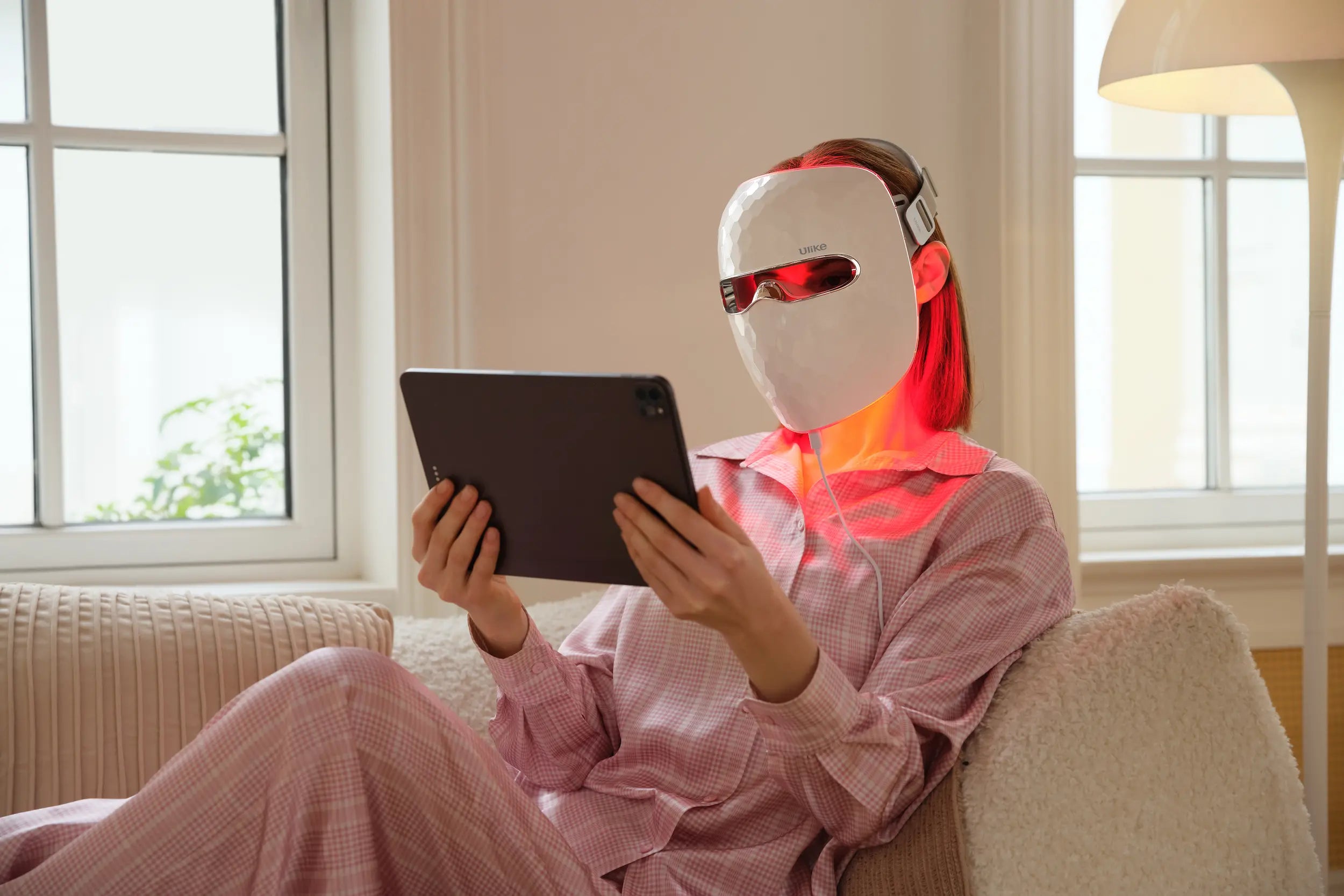
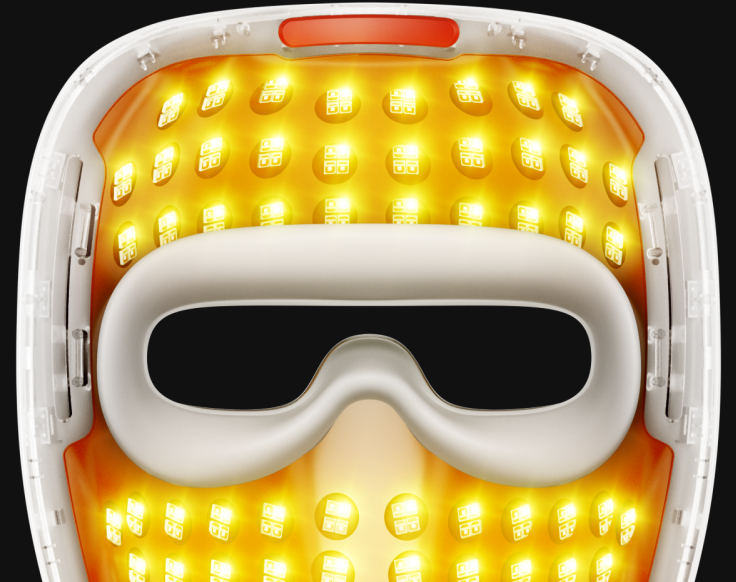
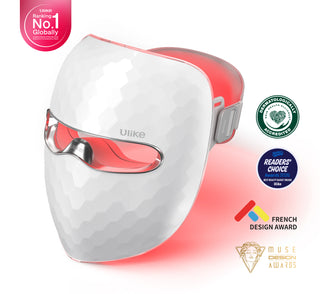
Rather than relying on blue light alone, the Ulike ReGlow LED Light Therapy Mask uses Clear Mode, which blends blue, red, and infrared light specifically to target acne-causing bacteria while simultaneously calming the surrounding inflammation. This combination approach is designed to address both sides of a breakout — the bacterial trigger and the visible redness that follows — in a single 5-minute session.

Because blue light carries a higher hyperpigmentation risk than red or infrared alone, ReGlow's ISO-certified LEDs are built with ±2nm wavelength precision, reducing the chance of stray, unintended wavelength drift. If acne isn't your only concern, you can browse ReGlow alongside the rest of the Ulike LED light therapy devices collection to compare modes.
Part 7: Getting the Best Results From Blue Light Therapy at Home
For blue light therapy at home to be effective, consistency matters more than intensity. Cleanse your skin thoroughly before every session so oil and makeup aren't blocking light penetration, apply a lightweight moisturizer afterward if your skin feels dry, and give the treatment at least four to six weeks before judging results. Combining sessions with a broad-spectrum SPF 30+ daily and a simple, non-irritating skincare routine tends to produce the most consistent outcomes.
Part 8: Can Blue Light Therapy Help Body Acne, Not Just Facial Breakouts?
Most conversations around blue light therapy focus on facial acne, but the same bacterial mechanism driving breakouts on the face can also affect the chest, back, and shoulders. Dedicated body panels exist for this purpose, typically covering larger areas than a facial mask. If body acne is a significant concern for you, it's worth knowing that facial LED masks aren't designed or sized to treat these areas effectively, and a separate body-focused device or professional treatment may be more appropriate.
That said, the underlying principles discussed throughout this guide — consistency, clean skin before treatment, realistic multi-week timelines — apply equally whether you're treating facial or body breakouts with light therapy. The wavelength science doesn't change based on which part of the body you're treating; only the coverage area and device design need to be considered separately.
Part 9: How Diet and Lifestyle Interact With Light-Based Acne Treatment
Light therapy addresses the bacterial and inflammatory components of acne, but it doesn't address every contributing factor. Diet (particularly high-glycemic foods and dairy for some people), stress, sleep quality, and hormonal fluctuations can all influence breakout frequency independent of any topical or light-based treatment. This isn't meant to suggest acne is simply a lifestyle issue — genetics and hormones play a significant role too — but rather that blue light therapy works best as one piece of a broader approach rather than a treatment expected to fully offset unaddressed lifestyle triggers.
For people who've tried consistent light therapy for six to eight weeks without meaningful improvement, it can be worth examining these other factors alongside a conversation with a dermatologist, who can help identify whether hormonal, dietary, or other underlying triggers might be limiting how much any topical or light-based treatment alone can achieve.
Part 10: What to Do If Blue Light Therapy Doesn't Seem to Help
If you've used a blue-light-inclusive mode consistently for six to eight weeks without any noticeable reduction in breakouts, it's worth stepping back and reconsidering your overall approach rather than simply continuing indefinitely. This could mean examining whether your acne is more likely hormonal or cystic in nature (which respond less predictably to blue light alone), checking whether you're pairing sessions with a supportive topical routine, or scheduling a dermatology consultation to explore prescription-strength options.
It's also worth confirming that the device you're using actually delivers blue light in the effective 415-465nm range at a meaningful irradiance, since a weak or imprecise device could explain a lack of results just as easily as an acne type that doesn't respond well to light therapy.
Part 11: How to Explain Blue Light Therapy to Someone Skeptical of It
If a friend or family member is skeptical that 'a light' can do anything for acne, the porphyrin mechanism discussed earlier in this article is usually the most persuasive, concrete explanation. Acne-causing bacteria naturally produce light-reactive compounds as part of their metabolism; blue light simply exploits that existing biological vulnerability, triggering a reaction that reduces the bacterial population. It's a specific, mechanistic explanation, not a vague wellness claim, which tends to land better with skeptics than more generalized descriptions of light therapy's benefits.
It also helps to be upfront about blue light therapy's real limitations alongside its genuine benefits — it works best for mild to moderate breakouts, needs weeks of consistent use, and works better combined with red light than alone. Presenting a balanced, honest picture rather than an oversold one tends to be more convincing to someone who's naturally skeptical of skincare technology claims in general.
Ultimately, the strongest argument is simply pointing to the decades of published research on blue light phototherapy for acne, much of which predates the current wave of consumer at-home devices entirely — this isn't a trend invented by a skincare brand's marketing department, but a treatment approach with a research history stretching back to dermatology clinics well before at-home LED masks existed as a product category.
Part 12: ReGlow's Clear Mode: A Real Example of Combined Blue, Red, and Infrared Therapy
Ulike ReGlow's Clear Mode is a direct, real-world example of the combination approach noted earlier in this piece: it layers blue light at 465nm with red at 630nm and infrared at 830nm in a single 5-minute session, specifically designed to target acne-causing bacteria while soothing irritation and helping control breakouts. This three-wavelength combination reflects the same bacteria-plus-inflammation logic explained earlier — blue light addresses the bacterial trigger, while red and infrared support the skin's calming and repair response.

the brand's own guidance also notes a specific caution consistent with the skin-tone considerations discussed in this article: during sensitive-skin periods, it's recommended to avoid Clear Mode specifically (since it includes blue light) while the brand's other three modes remain suitable for use.
Part 13: Conclusion
Blue and red light address different parts of the acne cycle, which is why combination devices consistently outperform blue-light-only tools — and why anyone with a deeper skin tone should patch test blue light modes before committing to regular use. The Ulike ReGlow LED Light Therapy Mask applies this same combination logic in its Clear Mode.
Searches for 415nm blue light acne treatments often lead people to ask whether a blue light LED mask acne routine is safe long-term, and whether blue light hyperpigmentation dark skin risk is exaggerated or genuinely worth taking seriously. Based on the dermatology guidance cited throughout this piece, the risk is real but manageable with patch testing and appropriate frequency — which is part of why blue light therapy safety guidance so consistently recommends caution for deeper skin tones.
If you're comparing options, look specifically for an acne LED mask or best LED mask for acne that combines red and blue light therapy for acne rather than relying on blue light alone.
Part 14: Frequently Asked Questions
Q1: Does blue light therapy really work for acne?
Blue light (415-465nm) targets acne-causing bacteria on the skin's surface and is one of the more researched LED wavelengths for mild to moderate breakouts, especially when combined with red light to calm inflammation.
Q2: Is blue light therapy safe for dark skin tones?
Blue light carries a higher risk of temporary hyperpigmentation in deeper skin tones compared to red light. It's wise to patch test and monitor your skin closely, or consult a dermatologist first.
Q3: How long until blue light therapy clears acne?
Most people see gradual improvement over four to six weeks of consistent use rather than immediate results. Severe or cystic acne typically needs a dermatologist-guided plan alongside any device.
Q4: Can I use blue light therapy every day?
Many devices are designed for daily or near-daily use, but always follow the manufacturer's recommended frequency and stop if you notice irritation or unexpected pigment changes.
Q5: Should I use blue light therapy instead of my regular acne products?
Blue light therapy generally works best as a complement to, not a replacement for, an existing topical acne routine, especially for moderate to persistent breakouts.
Q6: What wavelengths does ReGlow's Clear Mode use for acne?
Clear Mode combines blue light (465nm), red light (630nm), and infrared light (830nm) in a single 5-minute session to target acne-causing bacteria and calm irritation.
Q7: Should I avoid Clear Mode if my skin is sensitive?
Ulike's guidance recommends avoiding Clear Mode specifically during sensitive-skin periods, since it includes blue light, while the brand's other three modes remain suitable for use.