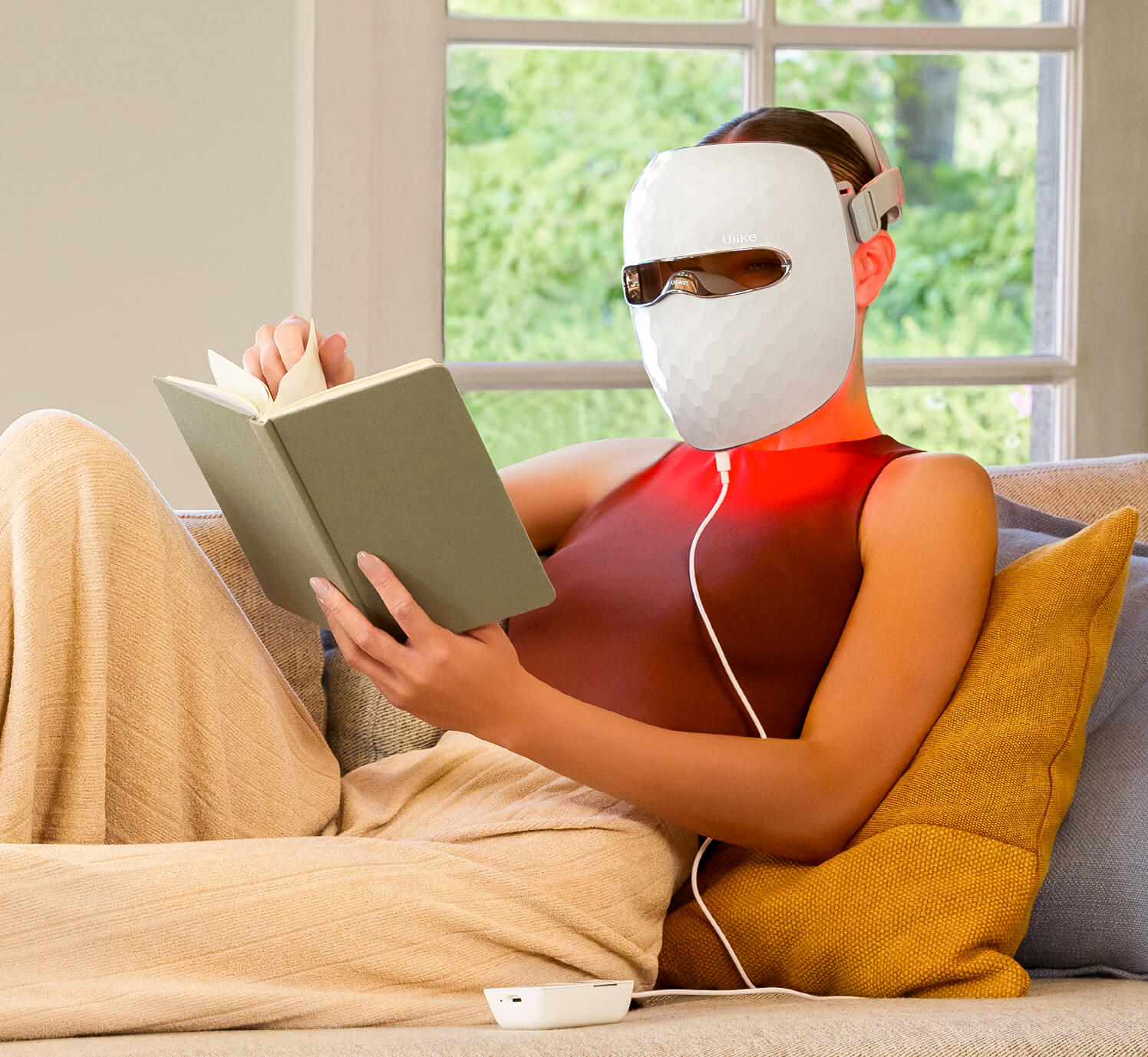
 Ulike ReGlow Pro★ 5.0 (511)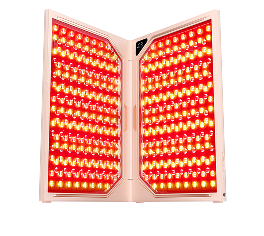




-
Yellow light (590nm) is a gentler, complexion-focused wavelength distinct from red or blue.
-
It's mainly associated with brightening and calming the appearance of redness.
-
It works best combined with red and/or infrared light, not as a standalone treatment.
-
Ulike ReGlow includes yellow light in its Glow Mode and Rejuvenate Mode.
Ask most people what colors an LED mask uses and they'll say red and maybe blue. Yellow light therapy rarely gets top billing, even though it's one of the most researched wavelengths for calming and brightening the skin. If you've seen "590nm" listed on a device spec sheet and skimmed right past it, here's why yellow light therapy benefits deserve a closer look, and how this often-overlooked wavelength fits into a well-rounded LED skincare routine.
Part of the reason yellow light gets less attention is marketing simplicity — "red light for wrinkles" and "blue light for acne" are easy taglines. Yellow light's benefits are subtler and more about overall complexion quality, which doesn't always translate into a punchy one-liner. That doesn't make it less valuable; it just means you have to look a little closer to understand what it actually does.

Table of Contents:
- Part 1: What Is Yellow Light Therapy?
- Part 2: Yellow Light Therapy Benefits: What the Research Suggests
- Part 3: Who Benefits Most From Yellow Light Therapy?
- Part 4: Yellow Light in the Ulike ReGlow Glow and Rejuvenate Modes
- Part 5: LED Wavelength Color Guide
- Part 6: How to Add Yellow Light Therapy to Your Routine
- Part 7: How Yellow Light Compares to Green Light Therapy
- Part 8: Realistic Expectations: What Yellow Light Won't Do
- Part 9: Layering Yellow Light With Your Existing Skincare Products
- Part 10: Realistic Use Cases Where Yellow Light Shines Brightest
- Part 11: How ReGlow's Glow Mode Specifically Uses Yellow Light
- Part 12: Conclusion
- Part 13: Frequently Asked Questions
Part 1: What Is Yellow Light Therapy?
What Yellow Light Actually Is
Yellow light therapy, also called amber light therapy, uses a wavelength around 590nm — positioned between red and green on the visible light spectrum. Compared to red light's collagen focus and blue light's bacteria-fighting role, yellow light for skin is generally associated with a gentler, more soothing effect, making it a favorite in professional treatments aimed at calming reactive or stressed-looking skin.
How It Interacts With Skin
Because 590nm light therapy sits at a shallower depth than red or infrared, it tends to interact more with surface-level blood vessels and pigment-producing cells, which is part of why it's so often paired with discussions around tone and redness rather than deep structural change. This shallower interaction is also part of why yellow light is generally considered one of the more gentle, lower-irritation wavelengths available in LED devices.
Part 2: Yellow Light Therapy Benefits: What the Research Suggests
What the Research Suggests
Research on 532nm green light and adjacent visible wavelengths, including a study on PMC, has explored how these visible-spectrum lights can help calm the appearance of redness and support a more even-looking complexion. Yellow light is often grouped into this same "calming visible light" category by skincare formulators and device makers, since it shares a similar shallow depth of interaction with the skin's surface vasculature.
What Users Typically Notice
People who use yellow light therapy consistently often report that their skin looks less blotchy, more radiant, and generally more "awake" — which is why it's frequently marketed around brightening and glow rather than deep structural changes. It's a complementary wavelength, not a replacement for red or infrared light's collagen-focused benefits, and it tends to work best as part of a multi-wavelength approach rather than as a standalone treatment.
Part 3: Who Benefits Most From Yellow Light Therapy?
Yellow light therapy tends to appeal to a few specific groups:
- People with visible redness or blotchiness who want a gentler, non-blue-light option
- Those focused on radiance and glow rather than acne or deep wrinkles specifically
- Anyone whose skin feels reactive to stronger actives and wants a lower-irritation approach
- People layering yellow light with red and infrared for a more complete routine
- Those preparing for an event and wanting a short-term boost in visible radiance
It's worth noting that yellow light therapy for rosacea-prone or sensitive skin is generally considered one of the gentler LED options, though anyone with a diagnosed skin condition should still check with a board-certified dermatologist before starting a new device, a point echoed in the American Academy of Dermatology's guidance on red and visible light therapy, which recommends professional guidance before starting any at-home light device, particularly for anyone managing an existing skin condition.
Part 4: Yellow Light in the Ulike ReGlow Glow and Rejuvenate Modes
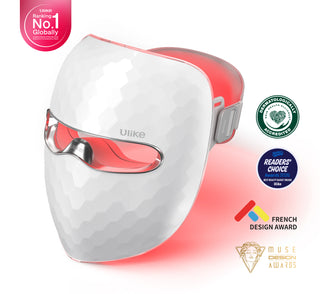
Instead of isolating yellow light as a standalone feature, the Ulike ReGlow LED Light Therapy Mask blends it into two of its four modes. Glow Mode combines yellow, red, and infrared light to target dullness and brighten the look of blemishes, while Rejuvenate Mode pairs yellow and infrared light specifically to strengthen the appearance of the skin barrier and calm an uneven complexion.

This multi-wavelength fusion approach means you're not choosing between yellow light's brightening benefits and red light's collagen support — ReGlow's 272 LEDs deliver both in the same 5-minute session. To see how yellow light compares with the other wavelengths ReGlow offers, take a look at the full range of Ulike LED light therapy devices.
Part 5: LED Wavelength Color Guide
A quick reference for what each visible LED wavelength is generally used for:
| Color | Approx. Wavelength | Primary Association |
|---|---|---|
| Red | 620-700nm (630nm common) | Collagen support, texture, fine lines |
| Yellow | ~590nm | Radiance, calming redness, tone |
| Blue | 415-465nm | Acne-causing bacteria |
| Infrared | 780-850nm (830nm common) | Deeper penetration, circulation, repair |
Part 6: How to Add Yellow Light Therapy to Your Routine
If you're trying yellow light therapy for the first time, start with shorter, more frequent sessions rather than one long treatment, and always cleanse skin beforehand so light isn't blocked by makeup or debris. Because yellow light therapy before and after results tend to build gradually — most users notice a difference in overall radiance within two to four weeks of consistent use, similar to timelines reported for other visible-light wavelengths.
Pairing yellow light sessions with hydrating skincare afterward can also amplify the visible glow effect, since well-hydrated skin reflects light more evenly than dehydrated skin. A simple routine of cleansing, a yellow-light-inclusive LED session, and a hydrating serum afterward is one of the easiest ways to build this wavelength into a sustainable habit.
Part 7: How Yellow Light Compares to Green Light Therapy
Yellow light is sometimes confused with green light therapy, another visible wavelength associated with calming and brightening effects, typically around 532nm. Both sit in a similar shallow-penetration category and are often discussed together in the context of complexion-focused, lower-irritation treatments. The key difference is that yellow light's slightly longer wavelength allows for marginally deeper interaction with surface vasculature, while green light is more frequently associated specifically with pigment and tone concerns in professional settings.
In practice, most at-home devices that include one of these wavelengths don't include both, since they serve overlapping purposes. If you're choosing between a device with yellow light versus one with green light, the practical difference for most users is likely to be minor — both fall into the same general category of gentle, complexion-supportive visible wavelengths, distinct from the deeper collagen work of red and infrared light.
Part 8: Realistic Expectations: What Yellow Light Won't Do
It's worth being clear about what yellow light therapy is not designed to do. It won't meaningfully reduce deep wrinkles the way red and infrared light combined can, and it isn't the right primary tool for active acne, which responds more specifically to blue light's bacteria-targeting mechanism. Treating yellow light as a complexion and radiance booster — rather than a solution for structural aging or active breakouts — will help you set expectations that match what the wavelength is actually suited for.
This is exactly why yellow light performs best as part of a multi-wavelength mode rather than a standalone treatment. When paired with red light in a mode like Rejuvenate, or with red and infrared in a mode like Glow, yellow light's brightening contribution complements the more structural work happening from the other wavelengths in the same session, giving you a more complete result than any single wavelength could deliver alone.
Part 9: Layering Yellow Light With Your Existing Skincare Products
Because yellow light's effects are gentle and complexion-focused, it pairs naturally with a wide range of existing skincare products without much risk of conflict. Niacinamide, hyaluronic acid, and antioxidant serums like vitamin C are commonly used alongside yellow-light sessions, since none of these carry significant photosensitivity concerns. This makes yellow light one of the easier wavelengths to build a routine around if you're not looking to overhaul your existing product lineup.
If you're using yellow light specifically to prepare for an event or a few days where you want your skin looking its most radiant, consider adding a few extra sessions in the days leading up to the occasion, since the brightening effect tends to be most noticeable with recent, consistent use rather than a single isolated session the day before.
Part 10: Realistic Use Cases Where Yellow Light Shines Brightest
Yellow light tends to earn the most enthusiastic reviews from people dealing with generalized dullness rather than a single, specific concern — the kind of 'my skin just looks tired' feeling that doesn't map neatly onto acne, wrinkles, or dark spots individually. If that description matches how you'd characterize your own skin concerns, yellow light's brightening, calming properties may be exactly the kind of gentle, broad-based support that addresses what you're looking for more directly than a wavelength targeted at a more specific, singular issue.
It also tends to be a favorite pre-event wavelength, given its association with an immediate, visible radiance boost that doesn't require months of use to notice. If you have a wedding, reunion, or photographed event coming up, incorporating a few extra yellow-light sessions in the preceding week or two is a low-risk way to support your skin's appearance for the occasion, on top of your regular skincare routine.
Just remember that yellow light's contribution, while genuinely useful, is best understood as an enhancement layered onto a broader routine rather than a single fix for every skin concern — pairing it with red light's more structural collagen support, as ReGlow does in its Glow and Rejuvenate modes, tends to produce a more complete, well-rounded result than relying on any single wavelength in isolation.
Part 11: How ReGlow's Glow Mode Specifically Uses Yellow Light
To ground this discussion in a real, verifiable example, Ulike ReGlow's Glow Mode combines yellow light at 590nm with red at 630nm and infrared at 830nm in a single 5-minute session, specifically designed to brighten the appearance of blemishes and dullness for a more radiant tone. This is a useful illustration of the multi-wavelength fusion approach discussed earlier in this piece — yellow light isn't used in isolation, but layered with two additional wavelengths that each contribute a different part of the overall result.

Ulike's Rejuvenate Mode also includes yellow light, pairing it with infrared (rather than red) at 590nm and 830nm respectively, specifically to strengthen the appearance of the skin barrier and calm an uneven complexion — a slightly different combination aimed at a different outcome than Glow Mode's brightening focus.
Part 12: Conclusion
Yellow light remains one of the gentler wavelengths in LED skincare, and it delivers its best results alongside red and/or infrared light rather than as a standalone treatment. This is reflected directly in the Ulike ReGlow LED Light Therapy Mask, where Glow Mode (yellow, red, and infrared) and Rejuvenate Mode (yellow and infrared) both build on this combination approach.
People researching yellow light therapy for skin often start by asking: does yellow light therapy work on its own, or only as part of a bigger routine? The honest answer is that LED yellow light skin benefits are real but modest compared to red light's collagen-focused effects, which is exactly why most devices don't sell a standalone yellow-only mode.
For anyone specifically searching yellow light therapy redness, LED mask yellow light, amber light therapy skin, or yellow light therapy rosacea, the pattern across this content is consistent: yellow performs best in combination. At home yellow light therapy sessions using a multi-wavelength red light therapy mask tend to outperform single-color devices for this reason.
Part 13: Frequently Asked Questions
Q1: Does yellow light therapy actually work?
Yellow (590nm) light is considered a gentler, complexion-focused wavelength. While it has less standalone clinical research than red or blue light, it's widely used alongside them to support radiance and calm the appearance of redness.
Q2: Is yellow light therapy good for rosacea?
Yellow light is generally considered one of the more gentle LED wavelengths, but anyone with rosacea or another diagnosed skin condition should consult a dermatologist before starting any light therapy device.
Q3: How is yellow light different from red light?
Yellow light sits at a shorter, shallower wavelength than red light and is associated more with surface-level tone and radiance, while red light works more on collagen support in the upper dermis.
Q4: Can I use yellow light therapy every day?
Yes, yellow light is considered one of the gentler wavelengths, which is why it's included in ReGlow's Glow and Rejuvenate modes for regular use.
Q5: Will yellow light therapy replace my brightening serum?
No — yellow light is best thought of as a complementary tool. Pairing it with a topical brightening routine tends to produce more noticeable results than relying on light therapy alone.
Q6: Does Ulike ReGlow have a mode focused on yellow light?
Yes, both Glow Mode (yellow, red, and infrared) and Rejuvenate Mode (yellow and infrared) include yellow light at 590nm, each paired with different complementary wavelengths for different goals.
Q7: How long is ReGlow's Glow Mode session?
Glow Mode runs for 5 minutes per session as part of Ulike's recommended usage guidance.