 Ulike ReGlow Pro★ 5.0 (511)




-
Ulike recommends 3 sessions per week for ReGlow, not daily use. Use 1-2 modes per session, with total treatment time under 20 minutes.
-
More frequent use isn't necessarily better — research points to a dose sweet spot.
-
Consistency over weeks matters more than maximizing session frequency.
When you get a new device, it's tempting to use it every single day, assuming more sessions equal faster results. With red light therapy, that instinct isn't entirely wrong — but it isn't entirely right either. Here's what actually determines the ideal red light therapy frequency for your skin.
This question comes up constantly because red light therapy doesn't behave like a typical skincare product, where "more is generally fine, within reason." Light therapy interacts with your cells through a specific biological pathway that has its own rules, and understanding those rules will help you get better results than simply maximizing how often you use your device.

Table of Contents:
- Part 1: Daily Use: Safe, But Is It Optimal?
- Part 2: What Determines the Right Frequency for You
- Part 3: Signs You Might Be Overdoing It
- Part 4: The Two-Phase Approach: Building, Then Maintaining
- Part 5: Building Habits That Keep You Consistent
- Part 6: Why Ulike ReGlow's 3-Times-a-Week Guidance Reflects the Dose Science
- Part 7: The Device Behind This Recommended Schedule
- Part 8: Conclusion
- Part 9: Frequently Asked Questions
Part 1: Daily Use: Safe, But Is It Optimal?
What Makes Daily Use Generally Safe
For most FDA-cleared, properly designed devices, daily red light therapy is generally considered safe, and many device instructions are written around daily or near-daily use. The American Academy of Dermatology describes red light therapy as likely safe for short-term use, with side effects generally limited to mild, temporary irritation for some users.
Why "Safe" and "Optimal" Aren't the Same Thing
Photobiomodulation research points to a biphasic dose response — meaning there's a sweet spot where light therapy is most effective, and going beyond it doesn't necessarily add more benefit and may, in some cases, be counterproductive. This is the real reason a schedule question is more nuanced than a simple yes-or-no on safety.
Part 2: What Determines the Right Frequency for You
According to WebMD, at-home devices are generally less powerful than the equipment used in clinics, which is part of why frequency guidance for consumer masks tends to differ from what a dermatologist's office might use. A few factors shape the right frequency for you specifically:
- The specific device and mode: acne-focused blue light modes are often used less frequently than red-light-only modes.
- Your skin's sensitivity: reactive or easily irritated skin may benefit from starting with fewer sessions per week.
- Your treatment goal: general maintenance often needs less frequency than actively addressing a specific concern.
- Manufacturer guidance: always start with the device's specific recommended schedule rather than guessing.
Most LED masks recommend somewhere between three and seven sessions per week depending on the mode, which is a helpful general benchmark if you're unsure where to start.
Part 3: Signs You Might Be Overdoing It
LED mask overuse is uncommon with properly designed devices used as directed, but Cleveland Clinic still recommends consulting your dermatologist before starting any light therapy device, since it isn't appropriate for everyone. It's still worth watching for warning signs: unusual redness that lingers well beyond your session, new sensitivity to products you've always tolerated, or a feeling of tightness or irritation that wasn't there before you started. If any of these show up, scaling back frequency — rather than stopping altogether — is usually the first step, alongside a check-in with a dermatologist if symptoms persist.
Part 4: The Two-Phase Approach: Building, Then Maintaining
Weeks One Through Eight: Establishing Results
Red light therapy results time is closely tied to consistency, not just total number of sessions. Most people using a device consistently at its recommended frequency start noticing changes in redness or texture within two to four weeks, with more visible firmness and fine-line improvements building over eight weeks or more. Skipping sessions frequently tends to slow this timeline more than using a slightly lower frequency consistently.
Week Eight Onward: Shifting Into Maintenance
Many people find it helpful to think in two phases: an initial, more frequent "building" phase during the first six to eight weeks to establish visible results, followed by a lighter "maintenance" phase — often two to four sessions per week — designed to sustain those results rather than continuing to build from scratch. This two-phase approach mirrors how many topical actives are introduced and maintained, and it can help prevent the burnout that comes from feeling obligated to use a device daily indefinitely.
Part 5: Building Habits That Keep You Consistent
Why Habit Design Beats Motivation
The single biggest factor separating people who stick with a red light therapy routine from those who abandon it within a few weeks isn't motivation — it's habit design. Tying your sessions to an existing daily behavior (right after brushing your teeth, during your morning coffee, while watching a specific show) removes the need to rely on willpower or memory each day. Over time, well-anchored habits like this become close to automatic, which is ultimately what determines whether you'll still be using your device consistently three months from now, long after the initial novelty of a new device wears off.
What a Missed Week Actually Costs You
If life genuinely gets in the way and you miss a full week of sessions, the realistic cost is a modest, temporary slowdown in your cumulative progress, not a full reset back to your starting point. Simply resuming your normal frequency once you're able is enough to get back on track, without needing to "catch up" by doubling sessions, which isn't how the cumulative biological process actually works.
It helps to think of frequency as a healthy range you're aiming to stay within — for most people and most modes, roughly three to seven sessions per week — rather than a precise target you need to hit exactly every single week. This reframing reduces the pressure and guilt that can come from an occasional lighter week, while still keeping you anchored to the general consistency that actually drives results. Life circumstances change — travel, illness, unusually busy stretches at work — and a flexible range accommodates that reality far better than a rigid daily requirement would. If you find yourself consistently landing at the lower end of the recommended range, that's worth noting as a sign to consciously prioritize your sessions a bit more, rather than a reason to abandon the habit altogether.
What Athletic Recovery Routines Can Teach Us
Red light therapy is also widely used in athletic recovery settings, where similar questions about frequency come up. In that context, the general guidance mirrors what's recommended for skin: consistent, moderate use tends to outperform sporadic, high-intensity sessions. Athletes and trainers who incorporate red light therapy into recovery routines typically follow a set schedule rather than using it only after unusually intense activity, treating it as a maintenance tool rather than an occasional emergency measure — a mindset that translates well to skincare use too.
Part 6: Why Ulike ReGlow's 3-Times-a-Week Guidance Reflects the Dose Science
Ulike's own guidance sets specific parameters for ReGlow: a recommended schedule of 3 sessions per week, using 1-2 modes per session and not exceeding 20 minutes of total treatment time in a single session. Session lengths are mode-specific — Glow and Clear last 5 minutes each, while Firm and Rejuvenate last 8 minutes each. Someone assuming ReGlow should be used daily, based on a general "LED masks are used daily" assumption, would actually be using it more frequently than the manufacturer's own tested and recommended schedule calls for.
Part 7: The Device Behind This Recommended Schedule
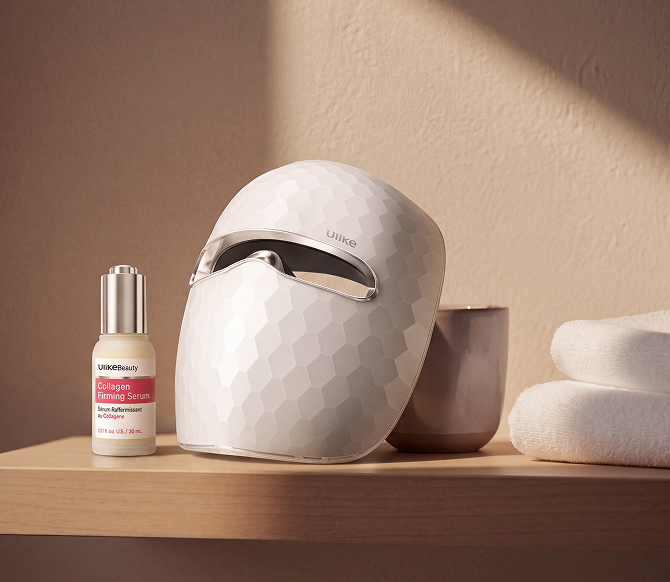
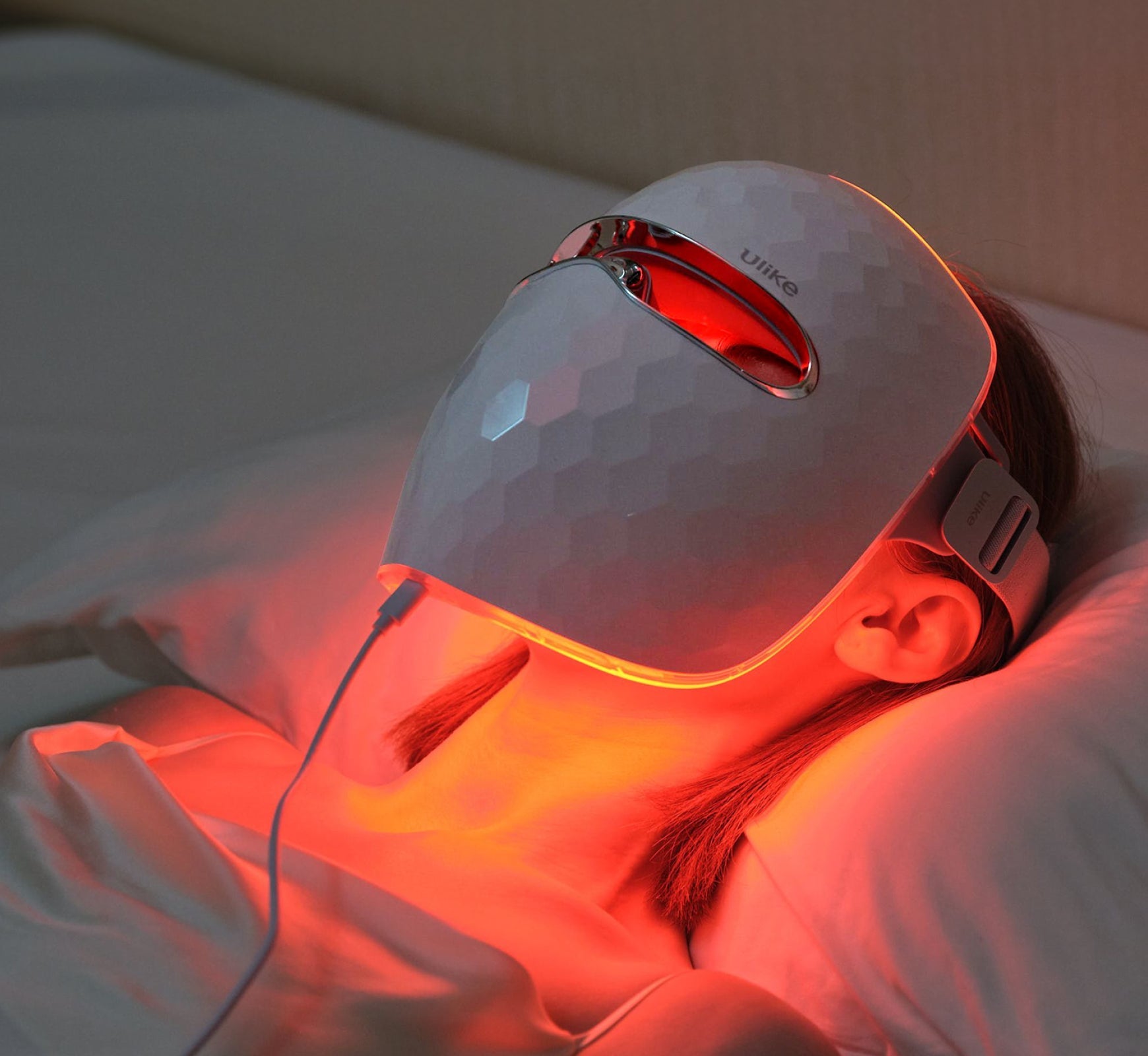
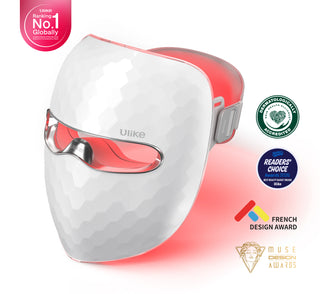
That moderate, structured schedule is a real-world application of the biphasic dose-response principle discussed above, and it's built into the Ulike ReGlow LED Light Therapy Mask's design in a few specific ways:
- Four targeted modes in one device— Firm Mode (red 630nm + infrared 830nm) stimulates collagen for plumper skin and fewer wrinkles, Rejuvenate Mode (yellow 590nm + infrared 830nm) strengthens the barrier and calms redness, Clear Mode (blue 465nm + red 630nm + infrared 830nm) targets acne-causing bacteria, and Glow Mode (yellow 590nm + red 630nm + infrared 830nm) brightens tone and dullness.
- A tested, moderate schedule— 3 sessions a week, 1-2 modes per session, under 20 minutes total; Glow and Clear run 5 minutes, Firm and Rejuvenate run 8 minutes.
- Layered scientific and regulatory backing— FDA-cleared for full-face wrinkles and mild-to-moderate inflammatory acne, backed by photobiomodulation researcher Dr. Michael R. Hamblin, and certified by SGS and the Skin Health Alliance.
- A 100-day money-back guarantee and 2-year warranty— so trying the routine described above carries little downside risk.
Rather than defaulting to daily use on the assumption that more is always better, ReGlow's schedule reflects a calibrated dose intended to produce consistent results without the diminishing-returns effect photobiomodulation research points to. Beyond the mask itself, ReGlow ships with a rechargeable remote control, a charger, and a user manual with a quick-start guide covering mode descriptions and safety tips — everything needed to follow this exact routine without outside research, which reduces the friction that can otherwise derail a new habit before it becomes consistent. If you'd like to compare modes and specs side by side, the rest of Ulike's LED Light Therapy Devices collection is worth a look.

Part 8: Conclusion
Ulike's official guidance for ReGlow is three sessions a week, not daily, with total session time staying under 20 minutes — and following your specific device's guidance will always serve you better than general category assumptions. That structured, moderate frequency is exactly what's built into ReGlow's four-mode design, and it reflects the same biphasic dose-response principle that shows up across photobiomodulation research more broadly. Whether you're just starting out or shifting into a maintenance phase after your first two months, the goal is the same: a frequency you can actually sustain, not the highest number you can technically fit into a week.
Part 9: Frequently Asked Questions
Q1: Is it okay to use red light therapy every day?
It depends on the specific device. Many devices are designed for daily use, but Ulike ReGlow specifically recommends 3 sessions per week, using 1-2 modes per session and not exceeding 20 minutes total, so always follow your device's own instructions rather than a general daily assumption.
Q2: Can too much red light therapy hurt my skin?
Research suggests there's a point of diminishing returns where more light doesn't add extra benefit. Following manufacturer guidance rather than maximizing sessions is the more effective approach.
Q3: Will skipping days ruin my results?
Occasional missed sessions won't undo progress, but consistency over time is what drives visible results, so a regular routine matters more than a perfect streak.
Q4: Should I use my LED mask less often once I see results?
Many people shift to a lighter maintenance schedule once initial results are established, but it's best to stay within your device's specific recommended frequency rather than guessing at a maintenance schedule on your own.
Q5: What happens if I use ReGlow more than 3 times a week?
Ulike's guidance specifically recommends 3 sessions per week; exceeding the recommended frequency or 20-minute session limit isn't part of the tested, recommended use pattern the documented results are based on.