



Bleaching Facial Hair 101: Everything You Need to Know

Facial hair makes skin appear darker by shadowing its natural complexion and texture — and for many women, visible upper-lip or chin hair can chip away at everyday confidence.
Removing the hair altogether is one option, but facial hair bleach offers a faster, lower-effort way to lighten the hair and even out skin tone without plucking, waxing, or shaving. Still, facial bleach isn't entirely risk-free, so knowing how to use it safely — and knowing when a longer-lasting method makes more sense — matters.
In this guide, we cover what facial hair bleaching is, its benefits and side effects, a step-by-step application walkthrough, natural home remedies, the best facial hair bleaching cream options available in 2026, and how bleaching stacks up against longer-lasting solutions like Ulike IPL hair removal. We'll also answer the questions people search for most about bleaching mustache hair, bleaching chin hair, and more.
Table of Contents:
- Part 1: What Is Facial Hair Bleach?
- Part 2: Facial Hair Bleaching Side Effects
- Part 3: Bleaching Facial Hair Before and After
- Part 4: Step-by-Step Guide to Bleaching Facial Hair
- Part 5: Home Remedies for Bleaching Facial Hair
- Part 6: Best Facial Hair Bleaching Creams and Kits in 2026
- Part 7: Facial Hair Bleach vs. Ulike IPL — Which Lasts Longer?
- Part 8: Frequently Asked Questions
Part 1: What Is Facial Hair Bleach?

Facial hair bleach — also called facial hair whitening — is a two-part product made of a cream base and an activating powder. The cream carries the formula, while the powder accelerates it. The activator is a chemical that breaks down the melanin pigment inside the hair shaft and strips it of color, so the hair blends in with the surrounding skin and becomes far less noticeable.
Typical bleaching powders rely on hydrogen peroxide, sodium hypochlorite, ammonia, or — in a shrinking number of older formulas — mercury to lighten the hair shaft. Beyond fading the hair itself, most facial bleach formulas also even out skin tone and add a subtle glow, which is part of why the treatment is sometimes marketed alongside a spa bleach and facial package that pairs hair lightening with a full facial cleanse.
Bleach works best on fine, unprocessed hair — think the peach fuzz on the upper lip, sideburns, cheeks, forehead, and unibrow. It's commonly used for bleaching mustache hair in particular, since upper-lip hair tends to be fine. It's less reliable on thick chin hair; bleaching chin hair often needs a longer processing time or a second application to fully lighten coarser strands.
Part 2: Facial Hair Bleaching Side Effects

Bleaching is a nearly painless way to deal with unwanted facial fuzz, but it isn't risk-free. Estheticians and dermatologists point to a consistent list of side effects: redness, itching, dryness, bumps, burning, blisters, hives, and swelling are the most commonly reported reactions to facial bleach.
- Skin dryness and irritation: Bleach contains chemicals with no moisturizing ingredients, so skin can feel dry, red, or itchy right after treatment.
- Sun damage: Melanin offers some natural sun protection. Bleaching reduces melanin, leaving skin more prone to sun damage.
- skin burns: Excessive bleach or activator can affect the skin's surface layer, causing peeling and burns.
- Dermatitis: The chemicals in bleach can trigger contact dermatitis, which shows up as redness, hives, swelling, and blisters.
- Acne: Some bleach creams contain steroids, which can cause steroid-stimulated acne — whiteheads, blackheads, red bumps, and pustules.
- Skin discoloration: Overusing bleach creams with hydroquinone can cause a blue-black discoloration called exogenous ochronosis.
- Mercury exposure: A small number of older bleach formulas still contain mercury, which can accumulate in cells and affect kidney and vascular health — always check the label for mercury-free formulas.
Skin experts recommend a patch test on the inner arm at least 24 hours before treating your face and waiting a minimum of 72 hours before reapplying bleach if you notice any reaction. If you have known sensitivities, choosing a sensitive-formula facial hair whitening cream — or skipping chemical bleach altogether in favor of an at-home IPL device — avoids repeated chemical exposure entirely.
Part 3: Bleaching Facial Hair Before and After
Skin experts recommend a patch test on the inner arm at least 24 hours before treating your face and waiting a minimum of 72 hours before reapplying bleach if you notice any reaction. If you have known sensitivities, choosing a sensitive-formula facial hair whitening cream — or skipping chemical bleach altogether in favor of an at-home IPL device — avoids repeated chemical exposure entirely.

Bleaching facial hair offers a clear before-and-after difference in texture, tone, and overall appearance. When the right amount of bleach is used for the hair's density and thickness, the hair becomes virtually invisible against the skin rather than being physically removed.
Because bleach only lightens hair rather than eliminating it, the visible improvement typically lasts as long as the bleached hair stays in its growth cycle — usually a few weeks — before regrowth becomes noticeable again.

Part 4: Step-by-Step Guide to Bleaching Facial Hair
Below is your ultimate step-by-step guide to bleaching facial hair.
Step 1: Skin Preparation

Wash your face and hands thoroughly to sanitize the area to be bleached and avoid side effects. Wear a headband to keep scalp hair away from your face, use a moisturizing toner to prep the skin, and let your face air dry.
Step 2: Preparation of the Bleach Cream

Read your product's instructions — mixing ratios vary by brand, often somewhere between 3:1 and 7:1 cream to activator. Stir with a spatula in a plastic bowl until the mixture is uniform.
Step 3: Application of the Product
Using the spatula, apply the mixture over your face in a thin, even layer so all target hair is covered. Avoid the eye area and any active acne.
Step 4: Monitoring the Progress
Wait about 8 minutes, then wipe a small patch to check progress. Continue as needed without exceeding 15 minutes total.
Step 5: Removing the Bleach Cream
Once satisfied with the results, remove the cream with the spatula or a moist cotton pad, then wash your face thoroughly with water and a gentle cleanser so no chemical residue remains.
Step 6: Post-Bleaching Care
Ice your face with an ice cube wrapped in a clean cloth and moisturize well. Avoid direct sun for 24 hours after bleaching.
These steps apply whether you're bleaching mustache hair, bleaching chin hair, or lightening hair on the cheeks or sideburns — just check thicker areas like the chin more often, since coarse hair takes longer to lighten evenly.
Part 5: Home Remedies for Bleaching Facial Hair
Commercial bleach can be unsuitable for sensitive skin because of the chemicals involved, so here are a few homemade bleaching masks to consider.
1. Tomato or Potato

Tomatoes contain lycopene, and potatoes contain azelaic acid — both natural bleaching agents that lighten skin tone and work on facial hair. Rub a slice directly on your skin, or grind and mix the juice with lemon juice.
2. Papaya and Milk
Papaya contains alpha-hydroxy acids, and milk contains lactic acid; combined in a 5:1 ratio, they make an effective facial bleach mask.
3. Orange Peel Powder and Yogurt

Orange peel is rich in citric acid and vitamin C, both of which brighten skin and reduce melanin production in hair, while yogurt's lactic acid adds to the effect. Using this mask daily can help bleach facial hair over time.
Home remedies are gentler than chemical facial bleach but far less predictable, and none of them work as fast or as evenly as a dedicated cream.
Part 6: Best Facial Hair Bleaching Creams and Kits in 2026
Below are three of the best facial hair bleaching cream kits available, each with enough product for several months of use; single-use packs are also available for most of these brands.
1. Sally Hansen Extra Strength Creme Bleach, Complete Kit

This kit includes a cream, activator, pre-treatment conditioner, mixing bowl, and spatula — everything needed from prep to application. It lightens unwanted hair within about 8 minutes, and the infused aloe vera keeps it gentle on skin.
2. Jolen Mild 30ml Facial Bleach Cream Kit

Jolen is one of the most-searched facial hair bleaching creams thanks to its aloe vera content and mild, mercury-free formula. The kit includes a mixing bowl, spatula, accelerator, and cream, and it also works well on body hair. If you're searching for jolen Creme Bleach near me, it's typically stocked at CVS, Walgreens, and Target, and available for same-day delivery through Instacart or DoorDash in many areas, or shipped via Amazon and Walmart.
3. VLCC Insta Glow Diamond Bleach
This bleach contains diamond hasma and aloe vera to purify and hydrate skin, and the kit includes pre- and post-bleaching treatments, an activator, and bleach cream — though you'll need your own mixing bowl.
Any of these can work well as your first facial hair bleach, but keep in mind that even the best facial hair bleaching cream only manages hair — it doesn't stop it from growing back.
Part 7: Facial Hair Bleach vs. Ulike IPL — Which Lasts Longer?
Bleach and IPL solve different problems. Facial hair bleach lightens the hair you already have; it doesn't touch the follicle, so regrowth arrives on schedule and needs a fresh bleaching session every few weeks. Ulike IPL Hair Removal, on the other hand, targets the melanin inside the hair follicle itself, gradually weakening regrowth over a course of sessions rather than simply masking the color.
| Lightens hair color chemically | Targets follicle melanin with light pulses | |
|---|---|---|
| How it works | Lightens hair color chemically | Targets follicle melanin with light pulses |
| Time to see results | Immediate (10-15 minutes) | Visible reduction from around 2 weeks with consistent use |
| How long results last | 2-4 weeks before regrowth shows | Months of smoothness; hair grows back finer over a full course |
| Best for | Fine peach fuzz, quick fixes before an event | Long-term reduction on mustache, chin, cheeks & body |
| Maintenance | Repeat every 2-4 weeks indefinitely | A few sessions weekly for month one, then occasional touch-ups |
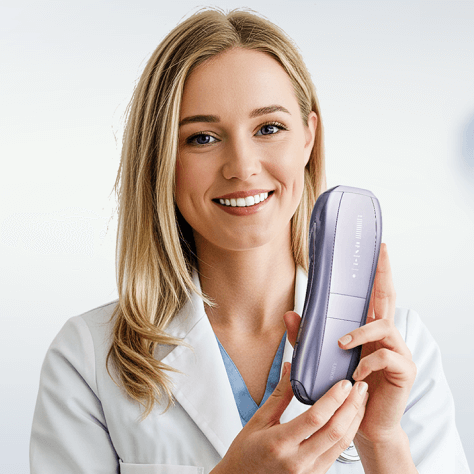
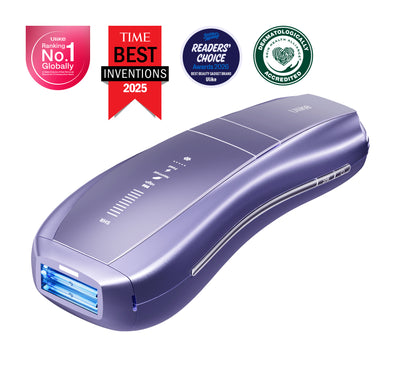
If you only need a quick, temporary fix before an event, facial bleach is still the faster option. But if you're tired of restocking facial bleach every month, an at-home IPL device like the Ulike Air 10 can reduce the same mustache, chin, and cheek hair over time — so you spend less time bleaching and less money doing it. Ulike's SkinSensor technology also auto-adjusts energy output for the treatment area, making it a gentler long-term alternative for anyone whose skin reacts to chemical bleach.
New to IPL? The Ulike Hair Removal FAQ walks through how to prep skin, how often to use the handset, and what results to expect session by session — a useful companion once you've decided facial bleach alone isn't cutting it anymore.
Conclusion
Facial hair bleaching remains one of the fastest, most pain-free ways to deal with unwanted mustache, chin, or cheek hair without picking up a razor or wax strip. Used carefully — patch-tested, timed correctly, and matched to your skin's sensitivity — the best facial hair bleaching cream can make peach fuzz disappear in under 15 minutes.
Just remember it's a maintenance routine, not a permanent fix: expect to repeat the process every few weeks, and if that upkeep gets old, an at-home IPL device like Ulike is worth exploring for hair that fades for good instead of just blending in.
Part 8: Frequently Asked Questions
Q1: Is Bleaching Facial Hair Safe?
Yes — bleaching facial hair is safe when done in moderation and according to the product's instructions and safety measures. The type of bleach matters too: a facial hair whitening product with excess ammonia, mercury, or hydrogen peroxide can irritate the skin, so always patch test first.
Q2: How Long Does Facial Hair Bleaching Last, and How Often Can I Bleach My Mustache?
Facial hair bleaching lasts until the bleached hair falls out and new hair grows in, which on the face typically takes 2 to 4 weeks. Bleaching mustache hair once a month is generally enough to maintain results, and it's best to leave at least 15 days between sessions on the same patch of skin to avoid irritation.
Q3: Where Can I Buy Jolen Creme Bleach Near Me?
Jolen creme bleach is widely stocked at drugstores like CVS, Walgreens, and Target, and it's available for same-day delivery through Instacart or DoorDash in many areas. If you'd rather have it shipped, it's also sold on Amazon and Walmart.
Q4: Is Bleaching Facial Hair Safe During Pregnancy?
Yes, bleaching is generally considered safe during pregnancy because the amount of chemicals absorbed is minimal. That said, it's best to keep bleach use minimal and stick to a gentle facial bleach formula during this time.
Q5: Does Bleaching Increase Facial Hair Growth?
No. Bleach acts on the hair at the surface of the skin and never reaches the roots, so it has no effect on facial hair growth.
Q6: Facial Hair Bleach or Ulike IPL — Which Should I Choose?
It depends on your goal. Facial bleach is ideal for a same-day touch-up before an event, since it works in under 15 minutes. If you want the hair itself to thin out and stop returning at the same rate, Ulike IPL hair removal handsets are built for that longer game, gradually reducing hair on the mustache, chin, cheeks, and body with consistent use.

Featured Products

Ulike Air 10
2 weeks to silky smooth skin.
96% Hair Density Reduction
The next-generation in simple,
lasting hair removal.

Best Underarm Hair Removal Options: What Should You Choose?
How Much Is Electrolysis Hair Removal? Let’s Break It Down
Laser to Remove Ingrown Hair: Does It Really Work?

Explore Beauty
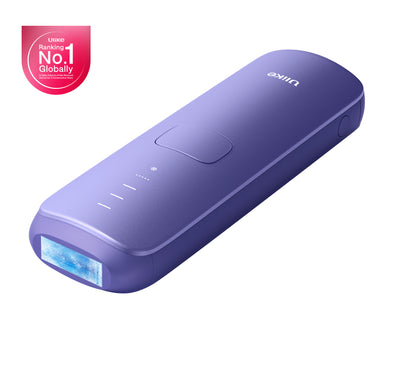
Ulike Air 10
2 weeks to silky smooth skin.
96% Hair Density Reduction in 2 Weeks
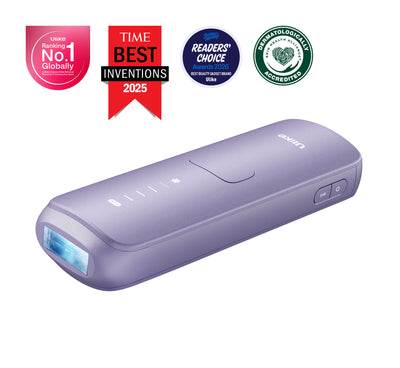
Ulike Air 3
3 weeks to silky smooth skin.
93% Hair Density Reduction in 4 Weeks
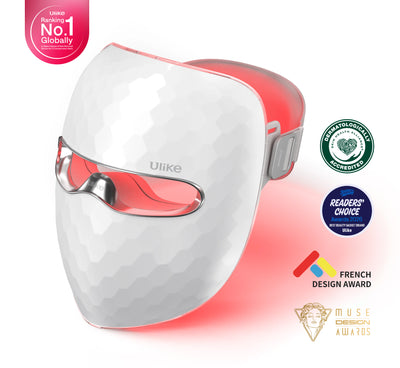
Ulike Air 4
4 weeks to silky smooth skin.
95.8% hair reduction in just 2 weeks*
Ulike Reglow
Clearer skin in 2 weeks: Fewer breakouts
Smoother skin in 4 weeks: Fewer lines, firmer feel