 Ulike ReGlow Pro★ 5.0 (511)


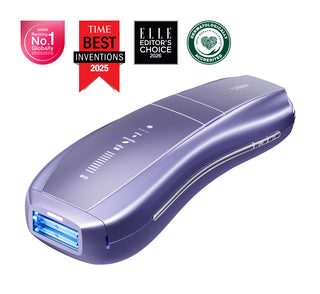
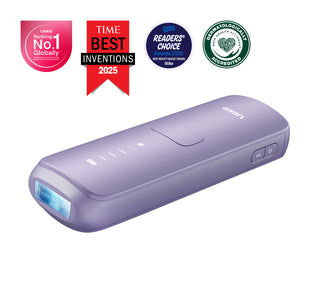



Table of Contents
If you are wondering, “How much is electrolysis hair removal?”, the short answer is that price depends mainly on treatment time and how much hair needs to be cleared.
US electrologists commonly charge by appointment length because electrolysis treats individual follicles rather than covering a broad area at once. A few upper-lip hairs may fit into a short session, while dense facial or body hair can require many hours over a longer treatment course.
This guide breaks down typical session costs, explains why body area and hair density affect the total, and compares the time and cost trade-offs of electrolysis, professional laser, and at-home IPL.

Table of Contents:
- Part 1: Quick Answer: How Much Does Electrolysis Hair Removal Cost?
- Part 2: What Is Electrolysis, and How Does It Work?
- Part 3: Electrolysis Hair Removal Cost by Session Length
- Part 4: How Much Does Electrolysis Cost by Body Area?
- Part 5: What Factors Affect the Cost of Electrolysis Hair Removal?
- Part 6: How Much Does a Full Course of Electrolysis Cost?
- Part 7: Does Insurance Cover Electrolysis Hair Removal?
- Part 8: Electrolysis vs. Laser vs. IPL Hair Removal Cost
- Part 9: At-Home IPL Alternatives for More Convenient Hair Reduction
- Part 10: Conclusion
- Part 11: Frequently Asked Questions
Part 1: Quick Answer: How Much Does Electrolysis Hair Removal Cost?
In the US, electrolysis commonly costs $40–$60 for a session lasting 15 minutes or less, $50–$100 for 30 minutes, and $90–$180 for 60 minutes. Electrolysis hair removal prices can add up to several hundred dollars for a small area or several thousand dollars for dense facial or body hair because most people need repeated appointments.
Part 2: What Is Electrolysis, and How Does It Work?
Before comparing costs, it helps to see why appointments take time. Electrolysis treats one hair follicle at a time rather than covering a broad patch of skin with light.
An electrologist inserts a fine probe into a follicle’s natural opening. The device applies electrical energy that damages the growth cells, and the practitioner removes the loosened hair. Galvanic electrolysis uses a chemical reaction, thermolysis uses heat, and the blend method combines both.
Hair grows in cycles, so one visit cannot reach every follicle at the right stage. Electrolysis can work across skin tones and on dark, blond, red, gray, or white hair. Successfully treated follicles stop producing hair, although hormones may stimulate different follicles later. This medical overview of electrolysis explains its long-term removal role and recovery.
Part 3: Electrolysis Hair Removal Cost by Session Length
Now let’s put time-based billing into numbers. The following electrolysis hair removal price ranges reflect current US cost estimates, not a fixed national fee. Consultation charges, minimum booking times, numbing, and aftercare may cost extra.
| Appointment length | Typical US cost | Common use |
|---|---|---|
| 15 minutes or less | $40–$60 | A few facial hairs or a small touch-up |
| 30 minutes | $50–$100 | Upper lip, chin, or a small section |
| 45 minutes | $75–$150 | Denser facial work or a partial body area |
| 60 minutes | $90–$180 | Larger or hair-dense areas |
15-Minute Electrolysis Sessions
To start small, a 15-minute visit commonly costs $40–$60. It suits scattered chin hairs, a small section of the upper lip, eyebrow cleanup where permitted, or short maintenance appointments. A clinic may set 10 or 15 minutes as its minimum booking. Ask whether setup and skin preparation count toward your paid time before comparing quotes.
30-Minute Electrolysis Sessions
Moving up, a 30-minute appointment generally runs $50–$100. This length gives the electrologist more time to clear an upper lip, work across the chin, or make progress on a compact body section. It can also feel more manageable than an hour on sensitive skin. Your actual clearance depends on hair density, follicle shape, and practitioner speed.
60-Minute Electrolysis Sessions
For broader work, expect roughly $90–$180 for 60 minutes. An hour may suit underarms, bikini-line sections, legs, the back, or dense facial growth. Longer visits can reduce travel and setup time across a course, but they are not automatically cheaper. Consider skin tolerance and healing, and ask whether the clinic offers a lower package rate.
Part 4: How Much Does Electrolysis Cost by Body Area?
Body area affects electrolysis cost mainly because it changes how many follicles need treatment and how many treatment hours you may need.
The figures below are broad US planning ranges. The course estimates combine common per-visit charges with typical appointment counts or treatment-hour ranges.
Upper Lip and Chin
For a common starting point, upper-lip appointments often fall between $50 and $100, while chin sessions may reach $75–$150. Treating both may require about 8–15 visits, creating a rough course range of $400–$2,250. Sparse growth may need less work; coarse or hormone-influenced growth can require longer sessions and later touch-ups.
Full Face
With the full face, density changes the math dramatically. Per-session pricing often runs $200–$400. Lighter facial growth may involve roughly 8–30 treatment hours, while a dense full beard can require 100–300 hours or more. At common hourly rates, that can mean about $1,000–$5,500+ for lighter growth or $9,000–$54,000+ for extensive beard clearance.
Underarms
For underarms, many US estimates sit around $100–$200 per appointment. A practical course budget might start near $1,000 and exceed $4,000 when hair is dense or sessions continue over many cycles. The area is compact, but it may contain numerous coarse follicles. Compare quotes by expected treatment hours, not by the first appointment alone.
Bikini and Brazilian Area
In this sensitive area, sessions often range from $100 to $350, depending on how much skin the practitioner treats and how long the booking lasts. A limited bikini line may cost around $1,200–$3,500 across a course, while more extensive Brazilian treatment can exceed $7,000. Some providers also charge more for intimate-area expertise or pain-management options.
Arms and Legs
For arms and legs, the wide surface area makes electrolysis a substantial project. Individual visits may range from $100 to $700, and dense growth can require 40 appointments or more. A broad planning range is roughly $3,000–$28,000+, depending on whether you treat a small section, half legs, full legs, or both arms.
Chest and Back
Finally, chest appointments commonly cost about $200–$400, while back sessions may run $200–$500. Since both areas can contain thousands of hairs, an extended course might cost $4,000–$20,000 or more. If you have dark hair that responds to laser, some clinics may discuss reducing bulk growth first and using electrolysis for remaining hairs.
Part 5: What Factors Affect the Cost of Electrolysis Hair Removal?
So, how much does it cost for electrolysis hair removal in your case? A clinic builds its estimate from the workload, local rates, and treatment plan rather than using one universal body-area price..
Size of the Treatment Area
First, a larger area usually contains more follicles and requires more paid time. Clearing a few chin hairs may take minutes, while full legs can require many long appointments. However, surface area does not tell the whole story. A small patch of dense, coarse hair may take longer than a larger area with scattered fine growth.
Hair Density and Amount of Hair
Just as importantly, the electrologist must treat each visible follicle separately. Closely packed hair increases the number of insertions and the course length. Coarse hair, distorted follicles, and repeated plucking may also slow progress. Hormonal conditions can encourage new growth, so discuss sudden or unusual hair changes with a qualified healthcare professional before estimating the budget.
Number and Length of Sessions Required
Because hair grows in cycles, you will return as new hairs enter an active stage. Early appointments may be longer and more frequent; later visits often become shorter as the area clears. Missing sessions or repeatedly removing hair from the root between appointments may extend the timeline. Ask for estimated treatment hours as well as the suggested visit schedule.
Electrologist Experience
An experienced electrologist may charge a higher hourly rate, but price alone does not reveal value. Accurate insertions and efficient treatment can improve the number of hairs addressed per visit while limiting unnecessary skin trauma. Review training, infection-control practices, and experience with your hair and skin type. US licensing or registration requirements vary, so check rules in your state.
Clinic Location
Where you book also matters. Practices in New York City, Los Angeles, San Francisco, and other high-cost markets may charge more than clinics in smaller cities. Rent, wages, insurance, and local demand all shape the rate. If travel is practical, compare nearby areas, but include transportation, parking, and the inconvenience of frequent repeat visits in your calculation.
Treatment Packages and Pricing Structure
Lastly, clinics may bill by the minute, use a minimum appointment fee, or sell prepaid hours. A package can reduce the effective rate, but read the cancellation, expiration, and refund terms before paying. Check whether the quote includes consultation time, sterile probes, numbing products, or aftercare. A lower headline rate can cost more if useful services carry separate fees.
Part 6: How Much Does a Full Course of Electrolysis Cost?
At this point, you may still be asking how expensive is electrolysis hair removal from start to finish. A small patch of facial hair may cost several hundred to a few thousand dollars. Underarms or bikini treatment can run into several thousand, while extensive legs, back, chest, or full-beard clearance may reach five figures.
People searching for the permanent hair removal electrolysis price often expect a single package figure, but clinics need to assess density, prior hair-removal habits, hormones, skin response, and practitioner speed. Request a test session and an estimated number of treatment hours. Then multiply those hours by the clinic’s rate and add a 15%–25% planning cushion for extra visits or new growth.
Part 7: Does Insurance Cover Electrolysis Hair Removal?
In most cases, US health plans classify electrolysis as cosmetic and exclude it. That means you usually pay the clinic directly. Coverage may be possible when a plan considers treatment medically necessary, such as hair removal before certain reconstructive or gender-affirming procedures, but benefits, exclusions, and documentation rules vary.
Before treatment, ask the insurer for the relevant policy in writing. Confirm whether you need prior authorization, an in-network provider, diagnosis codes, photographs, or a clinician’s letter. Ask whether the electrologist submits claims or only supplies an itemized receipt.
Part 8: Electrolysis vs. Laser vs. IPL Hair Removal Cost
Now let’s compare value rather than only the first payment. Laser works faster across large areas, electrolysis removes hair follicle by follicle, and at-home IPL favors convenience. Laser usually needs several treatments and possible maintenance; this clinical laser overview distinguishes its longer-lasting reduction from permanent removal.
| Factor | Electrolysis | Professional laser | At-home IPL |
|---|---|---|---|
| Upfront cost | $40–$60 for ≤15 minutes; $90–$180 for 60 minutes | Often $50–$600 per visit | Commonly $200–$500 for one device |
| Treatment count | 8–15+ visits; dense areas may take far longer | Often around 6, depending on response | Frequent initial use, then maintenance |
| Maintenance | New hormonally driven hairs may need treatment | Periodic visits may be needed | Ongoing use sustains reduction |
| Treatment speed | One follicle at a time | Many follicles per pulse | Quick coverage on compatible areas |
| Suitable hair and skin | All hair colors and skin tones | Strongest on pigmented hair; laser choice matters | Dark hair and compatible skin tones; check the chart |
| Result type | Long-term removal of treated follicles | Long-term reduction | Long-term reduction, unlike electrolysis |
Part 9: At-Home IPL Alternatives for More Convenient Hair Reduction
If electrolysis feels too slow for large areas, an IPL hair removal device offers another route for compatible users. IPL is not electrolysis, and it does not produce the same permanent follicle-by-follicle outcome. It uses broad-spectrum light to reduce regrowth in pigmented hair.
Although shoppers often call IPL hair removers at-home laser machines, these devices do not use true laser. They may suit you if you prioritize privacy, broad coverage, and one device purchase. Check the skin-tone and hair-color chart, patch-test first, and follow the manual.
Ulike Air 10 for Fast, Comfortable Full-Body IPL Treatments
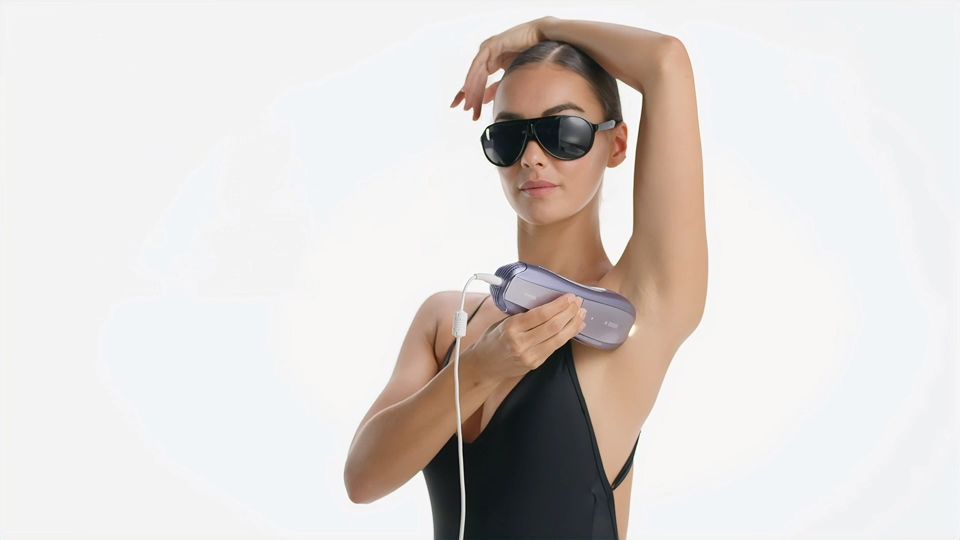
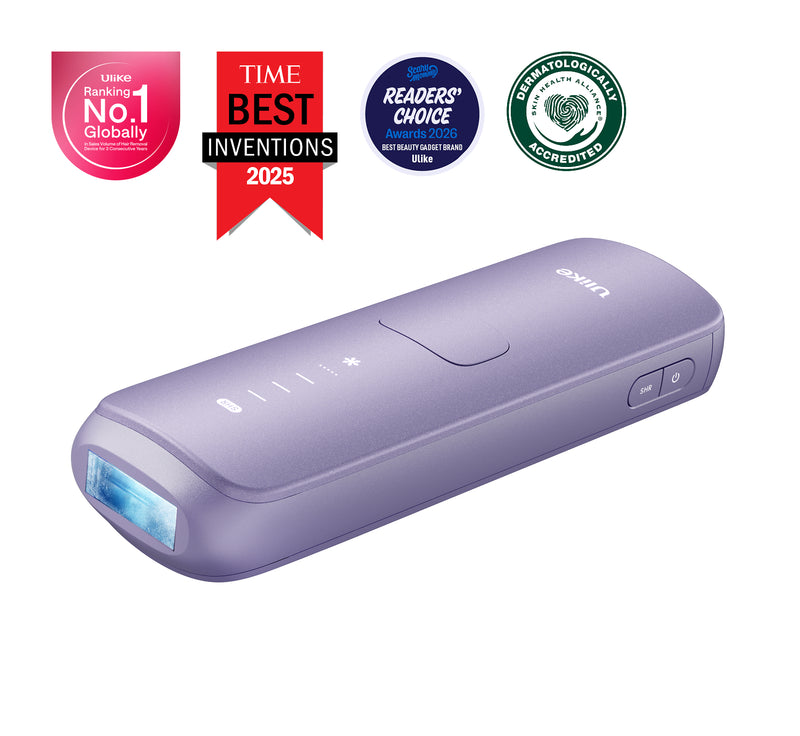
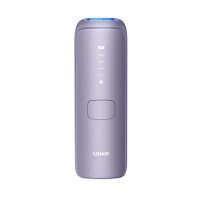
For time-conscious full-body routines, the Ulike Air 10 focuses on faster coverage and more automated protection. Dual Lights widen the treatment window, while AutoGlide produces continuous flashes so you can move across legs, arms, chest, or back with fewer button presses. A full-body session can take about 10 minutes, making it a practical IPL alternative when electrolysis would require many hours.

- Speed and stubborn-hair mode: Fast mode flashes every 0.5 seconds. SHR mode delivers a 26-joule, four-pulse burst for coarse or resilient hair, while High and Normal modes handle different hair densities. This mode range helps you avoid using maximum output everywhere.
- Cooling and skin checks: Sapphire Ice Cooling maintains about a 65°F contact temperature. SkinSensor reads skin tone, adjusts output, and stops flashes on areas it identifies as too dark. IPL still works best on dark hair and compatible skin tones, so use the chart rather than relying only on automatic adjustment.
Ulike Air 4 for Beginners Wanting Simple and Comfortable At-Home IPL Hair Reduction
For beginners, the Ulike Air 4 keeps the routine approachable without stripping away useful control. AutoGlide lets you press once and move the device continuously, and a full-body session can take about 12 minutes. Its four clearly defined modes make it easier to match output to fine, normal, or coarse growth as your confidence improves.

- Straightforward power choices: Soft, Body, Power, and USHR modes progress from quick touch-ups to multi-pulse treatment for stubborn hair. The device reaches up to 24 joules, 7.2 J/cm² energy density, and the fastest flash interval of 0.4 seconds. Those options create a clear learning path instead of forcing one setting across every area.
- Comfort during longer sessions: Sapphire Ice Cooling keeps the flash window near 64.4°F for up to 30 minutes. That sustained cooling matters when you move from a small patch test to legs or multiple body areas. Check compatibility first, shave as directed, and use the gentlest effective mode while learning how your skin responds.
Part 10: Conclusion
So, how much is electrolysis hair removal when you move beyond a single session? The most honest answer starts with treatment hours, not just the clinic’s advertised rate. Ask an electrologist to assess one defined area, run a test appointment, and explain how quickly similar hair usually clears. That gives you a more useful budget than multiplying a generic session price by an optimistic visit count.
If the estimate feels high, you do not have to make an all-or-nothing decision. You might prioritize a small facial area, spread appointments across a longer period, or discuss whether light-based reduction suits larger areas and your hair-skin combination. Whatever route you choose, compare expected outcomes, maintenance, safety, and time—not cost alone.
Part 11: Frequently Asked Questions
Q1: Does electrolysis really remove hair permanently?
No, electrolysis can remove hair for the long term from follicles that are successfully treated. An electrologist inserts a fine probe into each follicle and applies electrical energy to damage the cells responsible for hair growth. Multiple appointments are still necessary because hairs grow in different cycles. Hormonal changes may also activate previously untreated follicles, causing new hair to appear in the area.
Q2: How much do 15 minutes of electrolysis cost?
In the US, a 15-minute electrolysis session generally costs about $40 to $60, although some clinics may charge around $30. The final price depends on the clinic’s location, the electrologist’s experience, and any minimum booking fee. Ask whether preparation time counts toward the appointment and whether consultation, numbing products, or aftercare involve additional charges.
Q3: Is electrolysis worth the cost?
Electrolysis may be worth the cost if your priority is long-term removal, especially for small facial areas or blond, red, gray, or white hairs that light-based methods may not target effectively. However, it treats follicles individually, so clearing large or dense areas can take considerable time and money. Compare estimated treatment hours, not just the price of one appointment.
Q4: Is electrolysis cheaper than laser hair removal?
Electrolysis is not always cheaper than laser hair removal. A short electrolysis appointment may cost less than one laser session, but electrolysis treats hairs individually and often requires many more treatment hours. Laser can therefore cost less for reducing growth across large areas. For small areas, scattered hairs, or light-colored hair, electrolysis may offer better long-term value despite the longer process.